Is Oat Flour Gluten Free? The Complete Safety Guide
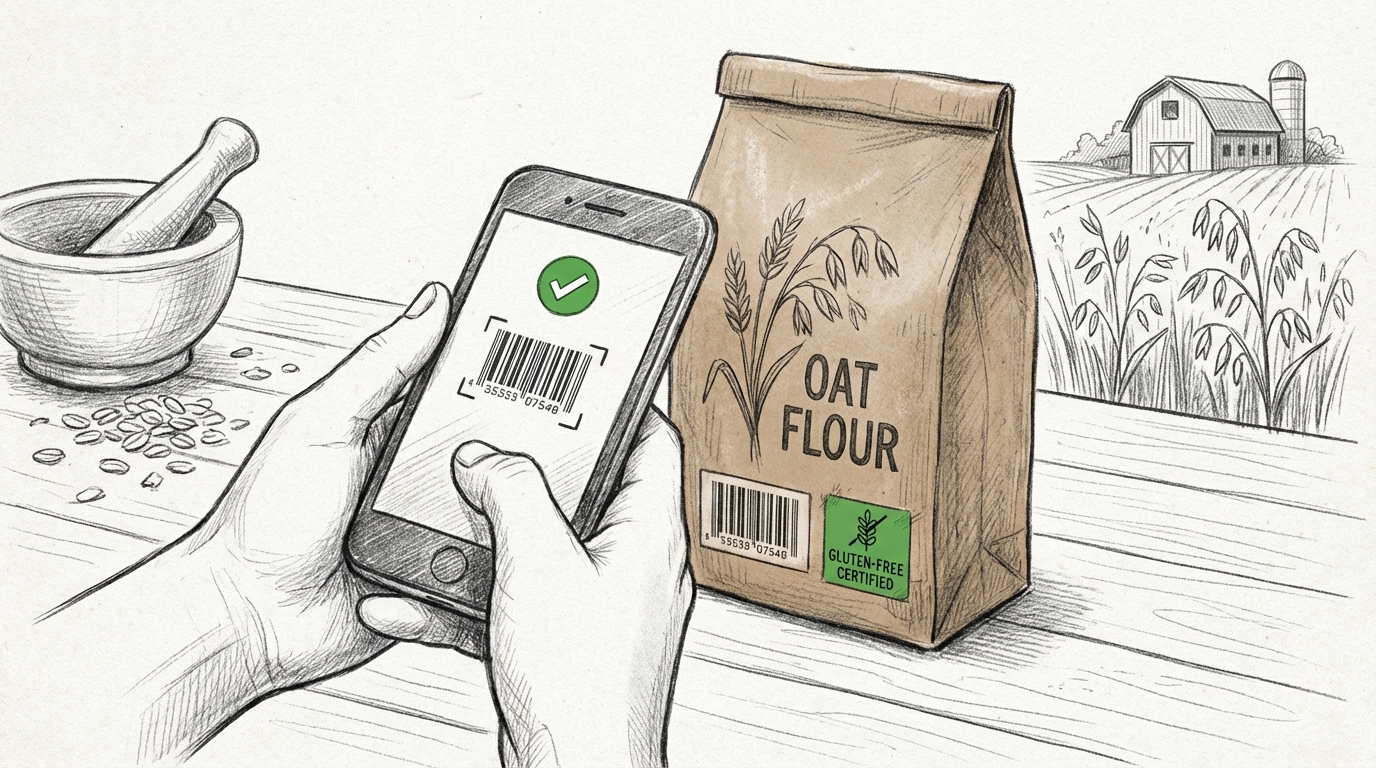
TL;DR: Oat flour is naturally gluten-free, but it's often contaminated with wheat, barley, or rye during processing. To ensure oat flour is truly gluten-free, look for certified gluten-free labels on packaging. Those with celiac disease or gluten sensitivity should always verify certification before consuming oat flour products to avoid cross-contamination risks.
Frequently Asked Questions

Is oat flour gluten free?
Pure oat flour is naturally gluten-free, but most commercial oat flour contains gluten due to cross-contamination during growing, harvesting, or processing. To ensure safety, look for oat flour specifically labeled "certified gluten-free," which guarantees it contains less than 20 parts per million of gluten. People with celiac disease or gluten sensitivity should only purchase certified gluten-free oat flour.
How can I check if oat flour products contain allergens?
The easiest way to check oat flour products for allergens is using an allergen checker app that scans product barcodes. These apps instantly identify 13 different allergens, traces, additives, and preservatives in products. Available on iOS and Android, allergen scanning apps help people with celiac disease, gluten sensitivity, or other food allergies quickly verify if oat flour and other products are safe to consume.
What's the difference between regular and gluten-free oat flour?
Regular oat flour is often cross-contaminated with wheat, barley, or rye during farming and processing, making it unsafe for gluten-sensitive individuals. Gluten-free oat flour is grown in dedicated fields, processed in separate facilities, and tested to contain less than 20 ppm of gluten. While both are made from oats, only certified gluten-free oat flour is safe for people with celiac disease or gluten intolerance.
Can people with celiac disease eat oat flour?
Most people with celiac disease can safely eat certified gluten-free oat flour, but some individuals may still react to avenin, a protein in oats similar to gluten. Research shows about 95% of celiac patients tolerate pure, uncontaminated oats. It's recommended to introduce certified gluten-free oat flour gradually under medical supervision and monitor for any adverse reactions before making it a regular part of your diet.
How do I identify gluten-free products when shopping?
Look for products with "certified gluten-free" labels, which guarantee less than 20 ppm of gluten. Use allergen checker apps to scan barcodes for instant allergen information, including gluten content, traces, and cross-contamination warnings. Always read ingredient lists for wheat, barley, rye, and malt. For products like gluten-free cheese-its or gluten-free wheat-free beer, verification through scanning apps provides the most reliable allergen information.
What are the best gluten-free alternatives to regular flour?
Besides certified gluten-free oat flour, excellent alternatives include almond flour, coconut flour, rice flour, and chickpea flour. Each has unique properties: almond flour adds moisture and protein, coconut flour is high in fiber, rice flour provides neutral flavor, and chickpea flour offers protein and binding qualities. Using an allergen checker app helps verify these alternatives are truly gluten-free and free from cross-contamination or other allergens.
How can I verify restaurant food is gluten-free?
Many restaurants now offer nutrition calculators and allergen information online. For example, the Chipotle nutrition calculator provides detailed allergen and gluten information for all menu items. When dining out, always inform staff about gluten allergies, ask about preparation methods and cross-contamination risks, and request to see ingredient lists. Allergen checker apps can also help verify packaged ingredients restaurants use in their dishes.
Are there gluten-free options for popular snacks and beverages?
Yes, many gluten-free versions of popular products exist, including gluten-free cheese-its and gluten-free wheat-free beer made from sorghum, rice, or millet. However, not all "wheat-free" products are gluten-free, as they may contain barley or rye. Always verify labels and use allergen scanning apps to confirm products are certified gluten-free and safe for those with celiac disease or gluten sensitivity.
Understanding Oat Flour and the Gluten Question

If you're navigating a gluten-free lifestyle, you've likely wondered: is oat flour gluten free? This question is more complex than a simple yes or no answer, and understanding the nuances can make a significant difference in managing celiac disease or gluten sensitivity. Oat flour has become increasingly popular as a versatile baking ingredient, but its gluten-free status depends on several critical factors.
Pure oats do not naturally contain gluten, which is a protein found specifically in wheat, barley, and rye. However, the journey from oat field to your kitchen often introduces complications that can make conventional oat flour unsafe for those with gluten sensitivities. This comprehensive guide will help you understand when oat flour is truly gluten-free and how to make safe choices for your dietary needs.
For those managing multiple food allergies or sensitivities, using an allergy checker app can help you quickly scan products and identify potential allergens, including gluten contamination in oat-based products.
The Science Behind Oats and Gluten

What Makes Oats Different from Wheat
Oats contain a protein called avenin, which is structurally different from gluten proteins found in wheat (gliadin), barley (hordein), and rye (secalin). While avenin belongs to the same prolamin family as these proteins, it has a distinct molecular structure that most people with celiac disease can tolerate.
Research shows that pure, uncontaminated oats are safe for the majority of people with celiac disease. However, a small percentage—approximately 1-5% of individuals with celiac disease—may still react to the avenin protein in oats, even when they're completely free from gluten contamination.
The Cross-Contamination Problem
The primary issue with conventional oat flour isn't the oats themselves—it's cross-contamination. Most commercial oats are grown, harvested, transported, and processed using the same equipment as wheat, barley, and rye. This shared infrastructure creates multiple opportunities for gluten contamination:
- Field contamination: Wheat or barley seeds from previous crops may grow alongside oats
- Harvesting equipment: Combines and harvesters often process multiple grain types without thorough cleaning
- Transportation: Trucks and rail cars may carry different grains sequentially
- Processing facilities: Mills and processing plants frequently handle various grains on shared equipment
- Storage: Grain silos and warehouses may store different products in close proximity
Studies have found that conventional oat products can contain anywhere from trace amounts to significant levels of gluten contamination, making them unsafe for individuals with celiac disease or severe gluten sensitivity.
Is Oat Flour Gluten Free? The Definitive Answer

Standard oat flour found in most grocery stores is not considered gluten-free due to the high likelihood of cross-contamination. However, certified gluten-free oat flour is available and safe for most people following a gluten-free diet.
The key distinction lies in how the oats are grown, harvested, and processed. Certified gluten-free oat flour must meet strict standards, typically containing less than 20 parts per million (ppm) of gluten—the FDA's threshold for gluten-free labeling in the United States.
| Factor | Regular Oat Flour | Certified Gluten-Free Oat Flour |
|---|---|---|
| Gluten Content | Varies widely; often >20 ppm | <20 ppm (FDA standard) |
| Growing Conditions | Mixed fields, shared equipment | Dedicated fields, no wheat/barley/rye |
| Processing | Shared facilities | Dedicated gluten-free facilities |
| Testing | Not required | Batch testing for gluten |
| Safe for Celiac Disease | No | Yes (for most individuals) |
| Price | Lower | Higher (20-50% more) |
Certification Labels to Look For
When shopping for gluten-free oat flour, look for products with official certification from recognized organizations. These certifications ensure rigorous testing and compliance with gluten-free standards:
- GFCO (Gluten-Free Certification Organization): Requires <10 ppm gluten
- NSF Gluten-Free Certification: Verifies <20 ppm gluten
- Certified Gluten-Free by CSA: Canadian certification with strict protocols
- Coeliac UK Crossed Grain Symbol: European certification standard
Similar to checking for gluten, if you're managing multiple dietary restrictions, you might also need to identify other allergens. Just as some people need gluten free dairy free snacks, others may require products free from multiple allergens.
Nutritional Benefits of Gluten-Free Oat Flour
Certified gluten-free oat flour offers impressive nutritional value, making it an excellent choice for gluten-free baking and cooking. Unlike many gluten-free alternatives that rely on refined starches, oat flour retains the whole grain benefits of oats.
Key Nutritional Components
| Nutrient | Amount | % Daily Value |
|---|---|---|
| Calories | 404 kcal | 20% |
| Protein | 14.7g | 29% |
| Fiber | 6.5g | 26% |
| Iron | 4.7mg | 26% |
| Magnesium | 110mg | 28% |
| Zinc | 3.1mg | 28% |
Oat flour is particularly rich in beta-glucan, a type of soluble fiber that has been extensively studied for its health benefits. Beta-glucan helps lower cholesterol levels, stabilize blood sugar, and support digestive health—making oat flour a functional ingredient beyond just being gluten-free.
Comparing Oat Flour to Other Gluten-Free Flours
When selecting gluten-free flours, understanding how oat flour stacks up against alternatives can help you make informed choices for your recipes and nutritional goals:
- Protein content: Oat flour contains more protein than rice flour, tapioca flour, or potato starch
- Fiber density: Significantly higher fiber than most refined gluten-free flours
- Mineral profile: Rich in iron, magnesium, and zinc compared to white rice flour
- Texture and binding: Better moisture retention and binding properties than many alternatives
- Flavor profile: Mild, slightly sweet taste that works well in both sweet and savory applications
Understanding nutritional information is crucial when managing dietary restrictions. For instance, knowing the English muffin nutrition info or checking how many calories are in corn on the cob helps you make informed food choices, just as understanding oat flour nutrition guides your baking decisions.
Using Oat Flour in Gluten-Free Cooking and Baking
Best Applications for Oat Flour
Certified gluten-free oat flour excels in many recipes, though it behaves differently than wheat flour. Understanding its properties helps you achieve the best results in your gluten-free kitchen:
- Pancakes and waffles: Creates tender, fluffy texture with excellent flavor
- Muffins and quick breads: Adds moisture and nutritional value
- Cookies: Provides chewy texture and helps retain moisture
- Thickening agent: Works well for gravies, sauces, and soups
- Breading and coating: Creates crispy exterior for baked or fried foods
Substitution Guidelines
When replacing wheat flour with oat flour in recipes, keep these ratios and adjustments in mind:
| Recipe Type | Substitution Ratio | Additional Adjustments |
|---|---|---|
| Quick breads/Muffins | 1:1 (up to 25-30% of total flour) | May need extra leavening |
| Cookies | 1:1 (up to 50% of total flour) | Reduce liquid slightly |
| Pancakes/Waffles | 1:1 full replacement possible | Let batter rest 5-10 minutes |
| Yeast breads | Not recommended alone | Use with other gluten-free flours |
| Thickening sauces | 1:1 for wheat flour | Cook thoroughly to remove raw taste |
Oat flour lacks gluten's binding and structure-building properties, so it works best when combined with other gluten-free flours like almond flour, rice flour, or tapioca starch for bread and cake recipes.
Potential Concerns and Considerations
The Avenin Sensitivity Issue
While most people with celiac disease can safely consume pure, uncontaminated oats, a small subset may experience adverse reactions to avenin. If you have celiac disease and are introducing oat flour to your diet, medical professionals recommend:
- Wait until your intestinal healing is well-established (typically 6-12 months after diagnosis)
- Start with small amounts (1-2 tablespoons daily) and monitor symptoms
- Choose certified gluten-free oat products exclusively
- Keep a food diary to track any reactions
- Consult with your gastroenterologist if you experience symptoms
Quality and Sourcing Matters
Not all certified gluten-free oat flour is created equal. Consider these factors when selecting products:
- Freshness: Oat flour contains natural oils that can become rancid; buy from high-turnover retailers
- Storage: Store in airtight containers in cool, dark places or refrigerate to extend shelf life
- Organic certification: Reduces exposure to pesticides and herbicides like glyphosate
- Manufacturing practices: Look for companies with dedicated gluten-free facilities
- Testing protocols: Some brands test every batch, while others use periodic testing
Just as you would verify whether Ezekiel bread is gluten free or check if certain products meet your dietary needs, always verify the certification status of oat flour products before purchasing.
Hidden Sources of Oat Flour and Label Reading
Oat flour appears in many processed foods, and not all products clearly indicate whether they use certified gluten-free oats. Understanding how to read labels and identify oat ingredients is essential for maintaining a strict gluten-free diet.
Common Products Containing Oat Flour
- Granola bars and energy bars
- Breakfast cereals and oatmeal products
- Protein powders and meal replacement shakes
- Baked goods including bread, muffins, and cookies
- Baby foods and toddler snacks
- Gluten-free pasta alternatives
- Meat substitutes and veggie burgers
Label Reading Tips
When scanning product labels for oat-based ingredients, look for these terms and verify gluten-free certification:
- Oat flour, oat bran, oat fiber
- Whole grain oats, rolled oats, steel-cut oats
- Oatmeal (in ingredient lists)
- Avena sativa (botanical name for oats)
- Oat protein or oat extract
Many packaged foods contain complex ingredient lists with chemical additives that may be unfamiliar. Ingredients like hydroxy stearic acid (used as an emulsifier), methane sulfonic acid (used in food processing), and poly carboxylic acid (used in some food applications) are examples of additives you might encounter. While these aren't directly related to gluten, understanding all ingredients in your food is important for comprehensive allergy management.
A food allergy app can help you quickly scan barcodes and identify not only gluten but also other allergens and additives in products, making grocery shopping significantly easier.
Making Informed Choices at Restaurants and Food Service
Navigating oat-containing menu items requires extra diligence, as most restaurants don't use certified gluten-free oat products. When dining out, consider these strategies:
Questions to Ask Restaurant Staff
- Do you use certified gluten-free oat products in your kitchen?
- Are oat-based items prepared in shared equipment with gluten-containing foods?
- Can you verify the brand and certification of oat products used?
- Are there dedicated preparation areas for gluten-free items?
Many popular restaurant chains now offer nutrition calculators to help customers make informed choices. For example, a chipotle nutrition calculator can help you identify safe menu options and calculate nutritional values. Having access to chipotle nutrition info or similar resources from other chains makes dining out with dietary restrictions much easier.
When looking for alternatives to traditional wheat-based products, you might explore options like gluten free wheat free beer or search for gluten free cheese-its alternatives. These products demonstrate the growing market for certified gluten-free alternatives to conventional favorites.
The Future of Gluten-Free Oat Production
The gluten-free oat industry continues to evolve with improved farming practices, testing technologies, and consumer awareness. Recent developments include:
- Purity protocols: More farmers adopting dedicated oat production systems from seed to package
- Advanced testing: New detection methods identifying gluten contamination at even lower levels
- Variety development: Research into oat varieties with lower avenin content for sensitive individuals
- Increased availability: More brands offering certified gluten-free oat flour at competitive prices
- Regulatory improvements: Stricter standards and enforcement for gluten-free labeling globally
These advancements make certified gluten-free oat flour increasingly accessible and safe for people with celiac disease and gluten sensitivity.
Conclusion: Choosing Safe Oat Flour for Your Gluten-Free Lifestyle
So, is oat flour gluten free? The answer is: it depends entirely on the source and certification. Pure oats don't contain gluten, but conventional oat flour is almost always contaminated with wheat, barley, or rye. Only certified gluten-free oat flour meets the safety standards necessary for individuals with celiac disease or gluten sensitivity.
When shopping for oat flour, always look for official gluten-free certification from recognized organizations. Read labels carefully, understand cross-contamination risks, and choose brands that prioritize purity protocols. For most people with celiac disease, certified gluten-free oat flour is a safe, nutritious, and versatile addition to a gluten-free diet.
Managing food allergies and dietary restrictions doesn't have to be overwhelming. With the right tools and information, you can confidently navigate your gluten-free lifestyle. Download the Nutrict app today to scan product barcodes instantly and identify gluten and 12 other common allergens, traces, additives, and preservatives. Whether you're shopping for oat flour or any other product, Nutrict helps you make safe, informed choices every time—available now on both iOS and Android.
Article created using IntentRank