Corn on the Cob Calories: Complete Nutrition Guide
TL;DR: How many calories are in corn on the cob depends on size. A small ear contains approximately 60-80 calories, medium ears have 90-100 calories, and large ears contain 110-130 calories. One cup of corn kernels provides about 130-140 calories. The calorie count increases when butter or toppings are added.
Frequently Asked Questions

How many calories are in corn on the cob?
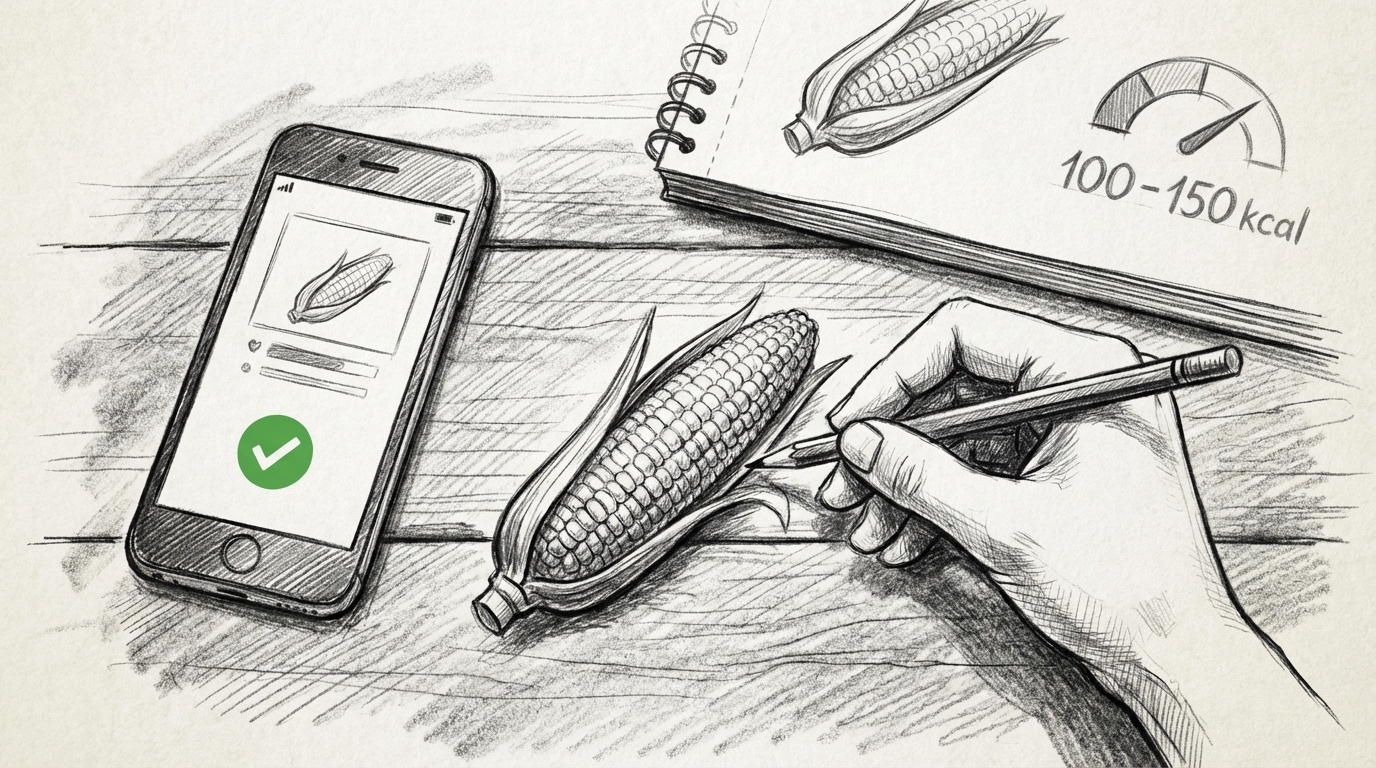
A medium ear of corn on the cob (about 6.75 inches long) contains approximately 77-90 calories. The calorie count varies based on size: small ears have around 60 calories, while large ears can contain up to 125 calories. These values are for plain corn without butter or seasonings, which significantly increase the calorie content.
How many calories are in corn on the cob with butter?
Corn on the cob with butter contains approximately 155-190 calories per ear. Plain corn has 77-90 calories, and adding one tablespoon of butter adds about 100 calories. The total depends on butter quantity and corn size. Restaurant preparations often use more butter, potentially reaching 200-250 calories per ear.
Is corn on the cob a healthy snack for weight loss?
Corn on the cob can be a healthy snack for weight loss when eaten plain or with minimal toppings. It provides fiber (2-3 grams per ear), which promotes fullness, and contains only 77-90 calories. However, adding butter, salt, or other high-calorie toppings can undermine weight loss efforts. Choose grilled or boiled corn without excessive additions.
Is corn on the cob gluten free?
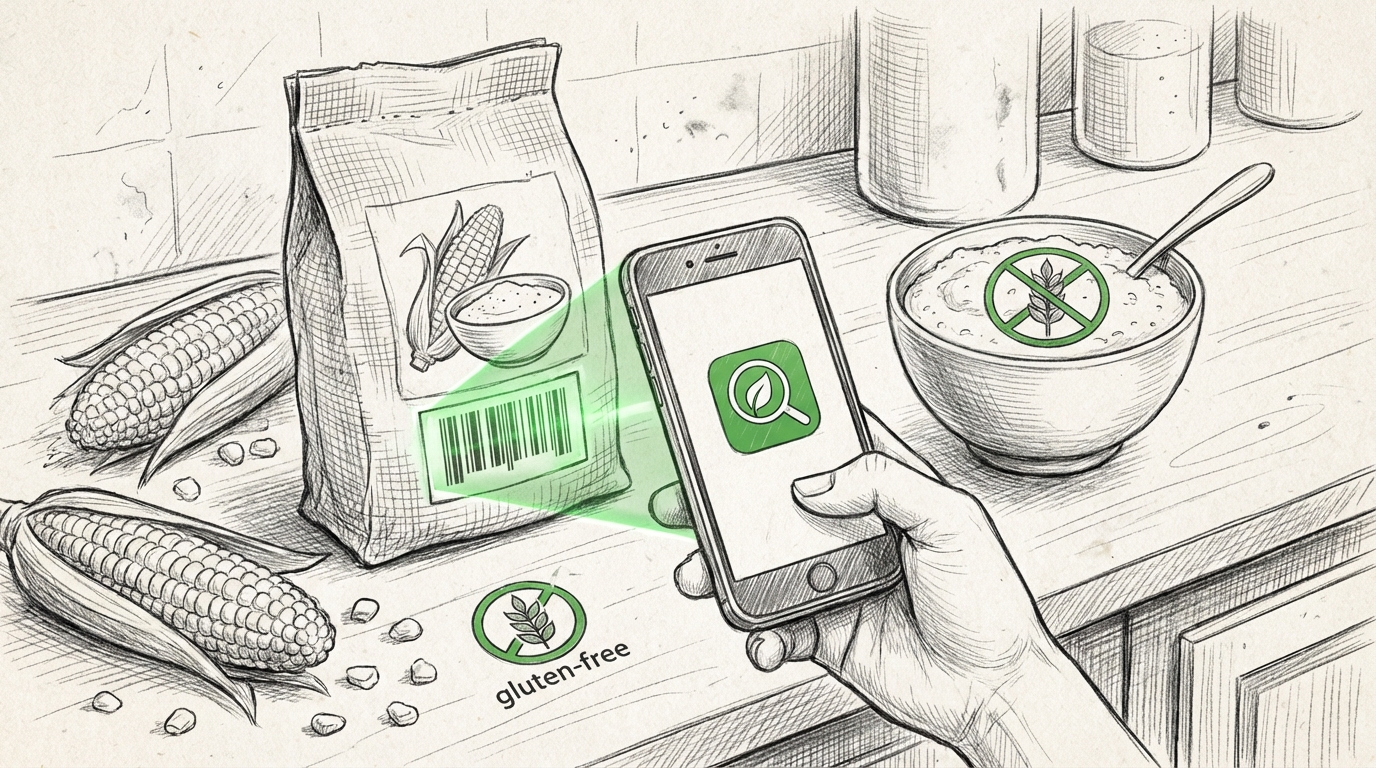
Yes, corn on the cob is naturally gluten free. Fresh corn contains no wheat, barley, or rye, making it safe for people with celiac disease or gluten sensitivity. However, be cautious of seasonings, butter spreads, or sauces added to corn, as these may contain gluten or traces of gluten from cross-contamination during processing.
How does Chipotle's corn nutrition compare to regular corn on the cob?
Chipotle's roasted chili-corn salsa contains approximately 80 calories per 3.5-ounce serving, similar to plain corn on the cob. However, Chipotle's version includes added ingredients like poblano peppers, onions, and cilantro. You can check exact nutrition info using Chipotle's nutrition calculator online to compare different menu items and customize your meal.
What additives or preservatives are commonly found in canned corn?
Canned corn often contains preservatives like E202 (potassium sorbate) to prevent mold growth and extend shelf life. Other common additives include salt, sugar, and citric acid. Fresh corn on the cob typically has no additives, making it a cleaner option. Always scan product labels or use allergen detection apps to identify specific preservatives and additives.
Can I eat corn on the cob if I have food allergies?
Corn on the cob is generally safe for most people with common food allergies, as corn is not one of the major allergens. However, cross-contamination can occur during processing or cooking. People with corn allergies should avoid it entirely. Use allergen scanning apps to check packaged corn products for traces of the 13 major allergens and hidden additives.
How many carbs are in corn on the cob compared to quinoa?
A medium ear of corn on the cob contains approximately 17-19 grams of carbohydrates, while one cup of cooked quinoa has about 39 grams. Both are gluten-free options, but quinoa provides more protein (8g vs 3g). Corn offers more vitamin C and is lower in calories per serving, making each suitable for different dietary needs.
Understanding Corn on the Cob Calories: A Complete Nutritional Guide

If you've ever wondered how many calories are in corn on the cob, you're not alone. This popular summer vegetable is a staple at barbecues and family gatherings, but understanding its nutritional profile is essential for making informed dietary choices. Whether you're managing food allergies, tracking calories, or simply curious about what you're eating, corn on the cob offers a surprisingly nutritious package.
According to Franklin County Cooperative Extension, a medium-sized ear of corn contains approximately 75 calories and just one gram of fat. However, calorie counts can vary based on preparation methods and serving sizes, making it important to understand the full nutritional picture.
Corn has been a dietary staple for over 9,000 years, originating in Mexico and known as "maize" in many parts of the world. Today, it's one of the most widely consumed cereal grains globally, though interestingly, Healthline reports that 40% of US corn is used for fuel and 60-70% of corn worldwide is produced for animal feed.
How Many Calories Are in Corn on the Cob: Breaking Down the Numbers

The calorie content in corn on the cob varies depending on several factors, including size, preparation method, and whether butter or other toppings are added. Let's examine the specific calorie counts from authoritative sources:
Plain Corn on the Cob Calories
For plain, unseasoned corn on the cob, the calorie counts are remarkably consistent across sources:
- Medium ear: Approximately 75 calories (Franklin County Cooperative Extension)
- One cup (164g): 177 calories of sweet yellow corn (Healthline)
- 100 grams (3.5 oz): 96 calories of boiled yellow corn (Healthline Corn 101)
- One ear (3 oz): 90 calories (Fresh & Easy brand, per CalorieKing)
Corn on the Cob with Butter
Adding butter significantly increases the calorie count. According to Eat This Much, one ear of corn on the cob with butter (146g) contains 155 calories. This represents nearly double the calories of a plain medium ear, demonstrating how toppings can dramatically alter the nutritional profile.
| Preparation Method | Serving Size | Calories | Fat Content |
|---|---|---|---|
| Plain, medium ear | 1 ear | 75 | 1g |
| Plain, standard ear | 1 ear (3 oz) | 90 | 1g |
| With butter | 1 ear (146g) | 155 | 3g |
| Sweet corn (cup measurement) | 1 cup (164g) | 177 | 2.1g |
Complete Nutritional Profile of Corn on the Cob
Understanding how many calories are in corn on the cob is just the beginning. The complete nutritional profile reveals why this vegetable deserves a place in a balanced diet, especially for those managing food allergies or seeking healthy snack ideas for weight loss.
Macronutrient Breakdown
According to Healthline's comprehensive analysis, one cup (164 grams) of sweet yellow corn contains:
- Carbohydrates: 41 grams (primarily from starch, which comprises about 75% of dry weight)
- Protein: 5.4 grams (protein content ranges from 3-10% depending on variety)
- Fat: 2.1 grams (making it a low-fat food)
- Fiber: 4.6 grams (essential for digestive health)
For corn on the cob with butter, Eat This Much reports a macronutrient breakdown of 72% carbohydrates, 17% fat, and 10% protein. This shift toward higher fat content occurs when butter is added, though the overall nutritional value remains substantial.
Essential Vitamins and Minerals
Corn on the cob is surprisingly nutrient-dense. The Franklin County Cooperative Extension identifies several key nutrients found in sweet corn:
- Thiamin (Vitamin B1): 24% of Daily Value per cup
- Folate (Vitamin B9): 19% DV (44μg in one ear with butter)
- Vitamin C: 17% DV per cup
- Pantothenic acid (Vitamin B5): Present in significant amounts
- Vitamin B6: 25% DV per ear with butter
Mineral content is equally impressive, with corn providing:
- Potassium: 10% DV per cup (359mg per ear with butter)
- Magnesium: 11% DV per cup
- Phosphorus: 15% DV per ear with butter
- Manganese: Present in beneficial amounts
Health Benefits and Nutritional Advantages
Beyond the basic calorie count, corn on the cob offers numerous health benefits that make it an excellent choice for health-conscious consumers and those with specific dietary needs.
High Fiber Content for Digestive Health
According to Healthline's Corn 101 guide, fiber is a standout nutrient in corn. The predominant fibers are insoluble ones, including hemicellulose, cellulose, and lignin, which support digestive health and regularity.
This high fiber content also helps balance blood sugar levels despite corn's starch content. While most carbs in corn come from starch that can quickly raise blood sugar, the fiber helps moderate this effect, making corn a more balanced food choice than many other starchy vegetables.
Naturally Gluten-Free and Allergen-Friendly
For individuals with celiac disease or gluten sensitivities, corn on the cob is a naturally gluten-free option. Unlike wheat-based products or items requiring gluten free wheat free beer alternatives, corn is inherently safe for those avoiding gluten.
This makes corn on the cob an excellent choice at restaurants that are gluten free or when preparing meals for those managing children's dietary restrictions and allergies. However, always verify preparation methods, as cross-contamination can occur in shared cooking spaces.
Antioxidants and Plant Compounds
The Franklin County Cooperative Extension notes that corn contains beta-carotene, a powerful antioxidant. These plant compounds, along with other phytonutrients found in corn, may provide additional health benefits beyond basic nutrition.
Corn also contains small amounts of phytosterols, which research suggests may help lower cholesterol levels. These compounds are particularly concentrated in corn oil, though they're present in whole corn kernels as well.
Factors That Affect Calorie Content
Several variables influence the final calorie count of your corn on the cob. Understanding these factors helps you make more accurate nutritional assessments.
Corn Variety and Sugar Content
Not all corn is created equal. The Franklin County Cooperative Extension explains that super-sweet corn varieties retain their sugar content longer than regular corn varieties. When stored in warm temperatures, the sugar in corn converts to starch, making it taste less sweet and potentially altering its nutritional profile.
Sweet corn ranks low to medium on the glycemic index (GI) despite containing sugar, with sucrose being the primary sugar type. This makes it a better choice for blood sugar management compared to many processed carbohydrates.
Preparation and Cooking Methods
How you prepare corn significantly impacts its nutritional value:
- Boiled corn: Retains most nutrients with minimal added calories
- Grilled corn: Similar to boiled, with added smoky flavor but no extra calories
- With butter: Adds approximately 80 additional calories per tablespoon
- With salt: Increases sodium content (plain corn contains only 29mg sodium per ear)
Serving Size Considerations
Portion control matters when counting calories. A "medium" ear can vary significantly in actual size, affecting total calorie intake. Using weight measurements (grams or ounces) provides more accuracy than counting ears alone.
| Measurement Type | Amount | Approximate Calories |
|---|---|---|
| Small ear | ~2.5 oz | 60-70 |
| Medium ear | ~3 oz | 75-90 |
| Large ear | ~4 oz | 100-120 |
| Cup measurement (kernels) | 164g | 177 |
Corn on the Cob for Weight Management
For those seeking healthy snack ideas for weight loss, corn on the cob can be an excellent choice when consumed mindfully. Its combination of fiber, protein, and moderate calories makes it more satisfying than many alternatives.
Satiety and Portion Control
The 4.6 grams of fiber per cup helps promote feelings of fullness, which can reduce overall calorie intake throughout the day. The protein content (5.4g per cup) also contributes to satiety, making corn on the cob a more balanced snack than purely carbohydrate-based options.
At just 75-90 calories per medium ear, corn on the cob provides substantial volume and satisfaction relative to its calorie content. This makes it an ideal choice for those following calorie-controlled diets.
Comparing Corn to Other Starchy Vegetables
When evaluating corn's place in a weight management plan, consider how it compares to other starchy vegetables:
- Corn on the cob (medium ear): 75-90 calories
- Medium baked potato: 160-170 calories
- 1 cup cooked rice: 200-240 calories
- 1 cup cooked pasta: 200-220 calories
This comparison shows that corn on the cob offers a lower-calorie alternative to many common starchy sides, especially when prepared without butter or heavy toppings.
Understanding Food Labels and Additives
For health-conscious consumers and those managing food allergies, understanding what's in your corn products matters. While fresh corn on the cob is naturally free from additives, processed corn products may contain preservatives and other compounds.
Common Additives in Processed Corn Products
When purchasing pre-packaged or frozen corn products, you might encounter various additives. Common preservatives include e202 potassium sorbate, which extends shelf life but may be a concern for some individuals with sensitivities.
Other additives found in processed corn products may include:
- Stabilizers like poly carboxylic acid derivatives
- Emulsifiers such as hydroxy stearic acid compounds
- Preservatives like methane sulfonic acid in some industrial applications
Fresh corn on the cob avoids these concerns entirely, making it the cleanest option for those avoiding additives and preservatives. For those using tools like Nutrict's food allergy scanner app, checking processed corn products becomes easier with barcode scanning technology that identifies 13 different allergens, traces, additives, and preservatives.
Natural vs. Processed Corn Products
The nutritional quality varies significantly between whole corn and processed corn products. According to Healthline, refined corn products like tortilla chips, corn syrup, and corn oil lose beneficial fiber and other nutrients during production. Additionally, many processed products are high in added salt, sugar, or fat.
Whole grain corn, including corn on the cob, retains its full nutritional profile, making it the superior choice for health-conscious consumers.
Incorporating Corn on the Cob into Balanced Meals
Understanding how many calories are in corn on the cob helps you incorporate it effectively into balanced meal plans, whether you're managing allergies, tracking macros, or following specific dietary protocols.
Pairing Corn with Protein Sources
While corn provides useful protein (accounting for 3-10% of its content depending on variety), combining it with complete protein sources creates more balanced meals. The protein in corn, primarily zeins, lacks some essential amino acids, making complementary proteins important.
Excellent pairings include:
- Grilled chicken or fish with corn on the cob as a side
- Black beans and corn for complementary plant proteins
- Lean beef alongside corn for a classic summer meal
- Tofu or tempeh with corn for vegetarian options
Creating Allergen-Safe Meal Plans
For parents managing children's dietary restrictions and allergies, corn on the cob offers a versatile, safe option. It's naturally free from the top allergens including dairy, eggs, peanuts, tree nuts, soy, wheat, fish, and shellfish.
When dining out or preparing meals, consider that corn is often featured at restaurants that are gluten free, making it a reliable choice for those with celiac disease. However, always verify preparation methods to avoid cross-contamination.
Meal Planning with Nutritional Tracking
Tools like chipotle nutrition calculator apps or general nutrition tracking software can help you incorporate corn accurately into your daily intake. Understanding that a medium ear contains approximately 75-90 calories makes it easy to plan meals that meet specific caloric targets.
For those checking chipotle nutrition info or similar restaurant nutrition data, corn is often available as a side or ingredient, typically adding 90-120 calories to your meal depending on preparation.
Storage and Freshness Tips for Maximum Nutrition
Proper storage ensures you get the best nutritional value and taste from your corn on the cob. The Franklin County Cooperative Extension emphasizes that freshness and cool storage after harvest are critical for quality.
Shopping for Fresh Corn
When buying corn, look for these quality indicators:
- Ears stored in refrigerated bins at local stores
- Corn held in shade or on ice at farmers' markets
- Corn picked daily when possible
- Bright green husks with moist silk
- Kernels that are plump and milky when punctured
Shopping early in the day at farmers' markets or roadside stands increases your chances of getting the freshest ears, which have superior taste and nutritional value.
Proper Storage Methods
To maintain corn's natural sweetness and nutritional content:
- Store unhusked corn in the refrigerator immediately after purchase
- Keep corn in the husk until ready to use to preserve moisture
- Use within 1-2 days for best quality
- Avoid storing at warm temperatures, which converts sugar to starch
Super-sweet corn varieties retain their sugar content longer than regular varieties, but proper refrigeration still matters for all types.
Comparing Corn Nutrition Across Different Forms
While fresh corn on the cob offers excellent nutrition, understanding how it compares to other corn forms helps you make informed choices across different meal contexts.
Fresh vs. Frozen vs. Canned
Each form of corn has distinct nutritional characteristics:
| Corn Type | Calories (per cup) | Key Advantages | Considerations |
|---|---|---|---|
| Fresh corn on the cob | 177 | Highest nutrient retention, no additives | Limited shelf life, seasonal availability |
| Frozen corn kernels | 130-140 | Year-round availability, convenient | May contain added salt or preservatives |
| Canned corn | 120-130 | Long shelf life, budget-friendly | Often high in sodium, may contain BPA |
| Popcorn (air-popped) | 31 per cup | Very low calorie, whole grain | Easy to over-consume with toppings |
Whole Corn vs. Processed Corn Products
According to Healthline's comprehensive corn nutrition guide, whole grain corn is significantly more nutritious than refined corn products. Processed items like corn syrup, corn oil, and corn chips lose beneficial fiber and nutrients during production.
For optimal nutrition, choose whole corn forms like corn on the cob or minimally processed frozen kernels over heavily refined products.
Special Dietary Considerations
Corn on the cob fits into various dietary patterns, but understanding specific considerations helps different populations make informed choices.
For People with Diabetes
Despite containing starch and natural sugars, corn ranks low to medium on the glycemic index. The fiber content helps slow sugar absorption, making corn a reasonable choice for people managing blood sugar when consumed in appropriate portions.
One medium ear (75-90 calories) typically contains about 15-20 grams of carbohydrates, which should be counted in meal planning for those monitoring carbohydrate intake.
For Those with Food Allergies
Corn is naturally free from major allergens, making it suitable for most people with food allergies. However, corn itself can be an allergen for some individuals, though this is relatively uncommon.
Using apps like Nutrict helps identify potential cross-contamination or unexpected corn derivatives in processed foods. The app's barcode scanning feature detects allergens, traces, additives, and preservatives, making it easier for parents managing children's dietary restrictions.
For Weight Loss Programs
At 75-90 calories per medium ear, corn on the cob can be an excellent addition to weight loss meal plans. The combination of fiber and moderate calories promotes satiety while providing essential nutrients.
For those seeking healthy snack ideas for weight loss, corn on the cob prepared without butter or heavy toppings offers a satisfying, nutrient-dense option that supports calorie goals without sacrificing nutrition.
For Gluten-Free Diets
Corn is naturally gluten-free, making it a safe grain alternative for those with celiac disease or gluten sensitivities. Unlike products requiring gluten free wheat free beer alternatives, corn products are inherently safe when not cross-contaminated.
However, always verify that corn products haven't been processed in facilities that also handle wheat, especially for individuals with severe celiac disease.
Maximizing Nutritional Value While Minimizing Calories
Getting the most nutrition from corn on the cob while keeping calories in check requires smart preparation and serving strategies.
Healthy Preparation Methods
These cooking methods preserve nutrients while adding minimal calories:
- Steaming: Retains water-soluble vitamins better than boiling
- Grilling: Adds flavor without extra calories, enhances natural sweetness
- Boiling: Simple and effective, though some nutrients leach into water
- Microwaving: Quick method that preserves nutrients well
Low-Calorie Seasoning Alternatives
Instead of butter (which adds approximately 100 calories per tablespoon), try these lower-calorie options:
- Fresh lime juice with chili powder (5-10 calories)
- Herbs like cilantro, basil, or parsley (negligible calories)
- Light butter spray (5-10 calories per serving)
- Garlic powder and black pepper (minimal calories)
- Hot sauce or salsa (5-15 calories)
These alternatives add flavor while keeping the total calorie count closer to the base 75-90 calories of plain corn.
Conclusion: Making Corn on the Cob Part of Your Healthy Diet
Understanding how many calories are in corn on the cob—approximately 75-90 calories per medium ear—empowers you to incorporate this nutritious vegetable into balanced meal plans confidently. With its impressive array of vitamins, minerals, fiber, and plant compounds, corn on the cob offers substantial nutritional benefits beyond its modest calorie count.
For individuals managing food allergies, parents navigating children's dietary restrictions, or anyone seeking healthier food choices, corn on the cob represents a naturally gluten-free, allergen-friendly option that delivers both nutrition and satisfaction. Its versatility in preparation methods and compatibility with various dietary patterns makes it an accessible choice for diverse nutritional needs.
Whether you're tracking calories for weight management, monitoring macronutrients for specific health goals, or simply seeking wholesome food options, corn on the cob deserves consideration as a nutrient-dense, relatively low-calorie addition to your diet.
For those managing food allergies or seeking to identify additives and preservatives in their food, technology can simplify the process. Visit Nutrict to download our food allergy scanner app, which helps you easily identify allergens in products by scanning barcodes to detect 13 different allergens, traces, additives, and preservatives. Available on both iOS and Android, Nutrict makes managing dietary restrictions simpler and more confident, whether you're shopping for corn products or any other foods in your local store.
Article created using IntentRank