English Muffin Nutrition: Calories, Allergens & Facts
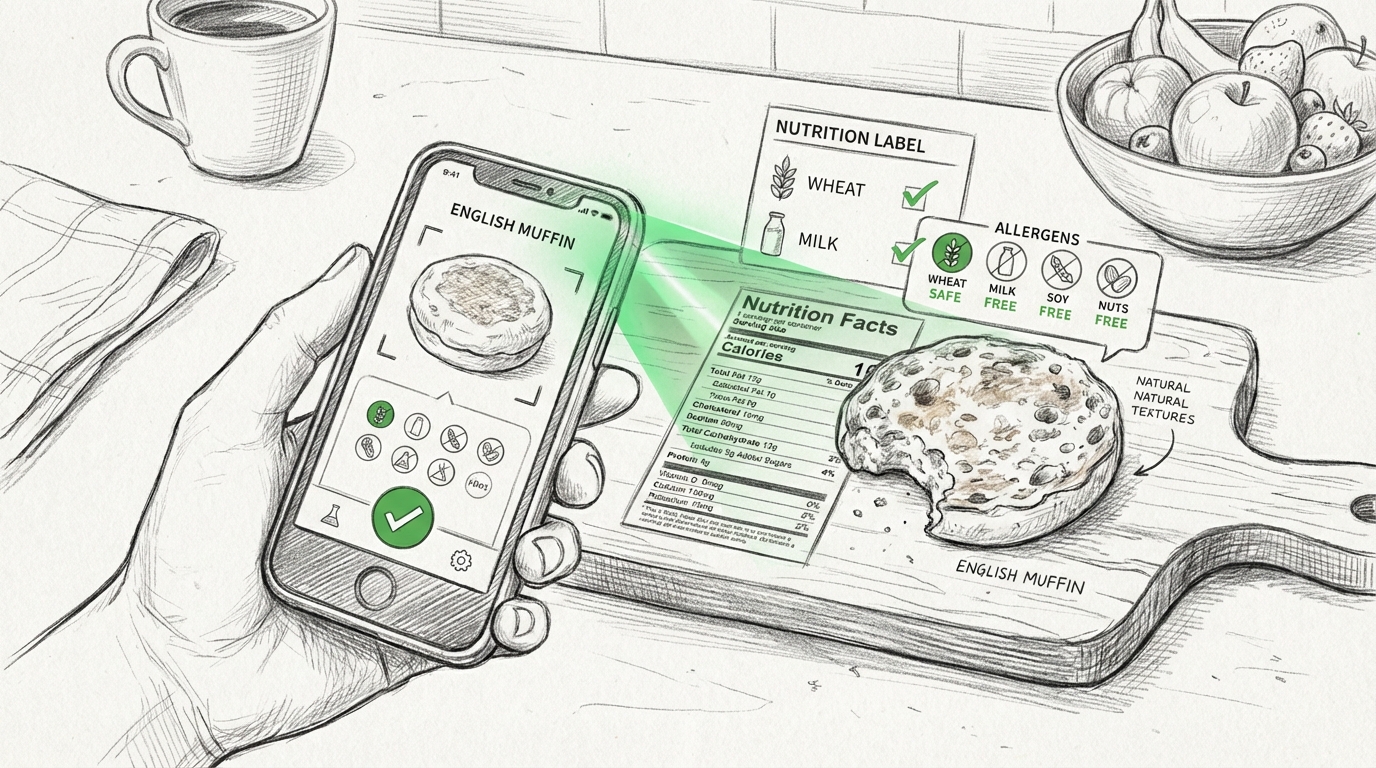
TL;DR: English muffin nutrition info shows that one standard muffin contains approximately 130-140 calories, 26-30g carbohydrates, 4-5g protein, and 1g fat. They provide B vitamins, iron, and fiber. Common allergens include wheat and gluten, with some varieties containing milk, soy, or sesame. Always check labels for specific nutritional values and allergen information.
Frequently Asked Questions

What is the nutritional information for a standard English muffin?
A standard English muffin (approximately 57g) contains about 120-140 calories, 1-2g of fat, 25-27g of carbohydrates, 1-2g of fiber, and 4-5g of protein. It also provides 200-250mg of sodium and minimal sugar. Whole wheat varieties offer more fiber (3-4g) and nutrients compared to white English muffins, making them a better choice for sustained energy.
Are English muffins gluten-free or suitable for wheat allergies?
Traditional English muffins contain wheat flour and gluten, making them unsuitable for people with celiac disease or wheat allergies. However, gluten-free and wheat-free alternatives are available made from rice flour, almond flour, or other gluten-free grains. Always scan product barcodes or check labels carefully, as many English muffins contain gluten, wheat, and may have traces of other allergens.
What preservatives and additives are commonly found in English muffins?
English muffins often contain preservatives like E202 (potassium sorbate) to extend shelf life and prevent mold growth. Other common additives include calcium propionate, monoglycerides, and enzymes. Some brands may contain hydroxy stearic acid as an emulsifier. Reading ingredient labels or using allergen-scanning apps can help identify these additives, especially for those with sensitivities or dietary restrictions.
How do English muffins compare to bread for nutritional value?
English muffins and bread have similar nutritional profiles, but English muffins typically contain slightly fewer calories per serving (120-140 vs 150-180 for two bread slices). Both provide carbohydrates and protein, though whole grain versions of either offer more fiber and nutrients. English muffins have a denser texture and may keep you fuller longer, making them a comparable choice for sandwiches or breakfast.
Can English muffins be part of healthy snack ideas for weight loss?
Yes, English muffins can support weight loss when portioned correctly and topped wisely. Half an English muffin (60-70 calories) with protein-rich toppings like egg whites, avocado, or natural peanut butter creates a balanced snack. Choose whole wheat varieties for added fiber, which promotes satiety. Avoid high-calorie toppings like butter or sugary jams to keep the snack within 150-200 calories.
What allergens should I check for in English muffin nutrition info?
English muffins commonly contain wheat and gluten as primary allergens. Many brands also include milk, soy, and eggs in their formulations. Cross-contamination warnings may indicate traces of tree nuts, sesame, or other allergens from shared manufacturing facilities. Using an allergen-scanning app on product barcodes can quickly identify all 13 major allergens, traces, and additives present in specific English muffin brands.
Are whole wheat English muffins healthier than white English muffins?
Whole wheat English muffins are generally healthier than white varieties. They contain 2-3 times more fiber (3-4g vs 1-2g), more B vitamins, iron, and magnesium. The additional fiber helps regulate blood sugar levels and promotes digestive health. Whole wheat versions also have a lower glycemic index, making them better for sustained energy and weight management compared to refined white English muffins.
How can I identify hidden ingredients in English muffins using nutrition info?
Check the ingredient list beyond basic nutrition facts for additives like potassium sorbate (E202), poly carboxylic acid, or methane sulfonic acid used in processing. Many apps allow you to scan barcodes to instantly reveal hidden allergens, preservatives, and additives. Look for terms like 'natural flavors' or 'enzymes' which may contain allergens. This is especially important for those managing food sensitivities or following specific diets.
Understanding English Muffin Nutrition Info: A Complete Breakdown

When you're reaching for that warm, toasted English muffin at breakfast, understanding the english muffin nutrition info can help you make informed dietary choices. These round, versatile breads have become a staple in many households, but their nutritional profile varies significantly depending on the type you choose.
English muffins are more than just a breakfast option—they can be transformed into mini pizzas, sandwiches, or patty melts. But despite their widespread popularity, many people wonder whether these baked treats fit into a healthy diet. Let's dive deep into the nutritional facts, health benefits, and considerations you need to know.
What Are English Muffins Made Of?

According to Healthline's comprehensive analysis, most store-bought English muffins contain refined flour, water, yeast, salt, and sugar. However, whole wheat versions use whole wheat flour instead of refined flour, providing higher fiber content.
The ingredient list from Dutch Farms reveals that typical English muffins contain enriched wheat flour fortified with malted barley flour, niacin, reduced iron, thiamine mononitrate, riboflavin, and folic acid. Additional ingredients often include:
- Yeast and dextrose for leavening and flavor
- Cornmeal for texture
- Wheat gluten for structure
- Baking powder (sodium acid pyrophosphate, sodium bicarbonate, cornstarch, monocalcium phosphate)
- Preservatives like calcium propionate and e202 potassium sorbate to extend shelf life
- Hydrogenated soybean oil and monoglycerides
Understanding these ingredients is crucial for those with dietary restrictions, similar to how people seek out gluten free wheat free beer or restaurants that are gluten free when managing celiac disease.
Complete Nutritional Breakdown of English Muffins

Macronutrient Profile
The nutritional content varies slightly between brands and types. Here's a comprehensive comparison based on data from multiple authoritative sources:
| Nutrient | Whole Wheat (Healthline) | Plain Enriched (UR Medicine) | Original (Dutch Farms) |
|---|---|---|---|
| Calories | 134 kcal | 140.4 kcal | 120 kcal |
| Total Fat | 1g | 1.05g | 0.5g |
| Carbohydrates | 27g | 27.38g | 24g |
| Fiber | 4.5g | 1.46g | 1g |
| Protein | 6g | 5.37g | 4g |
| Sodium | Not specified | 248.04mg | 290mg |
The whole wheat version stands out with significantly higher fiber content—4.5 grams compared to just 1-1.5 grams in refined versions. This makes it a better choice for those seeking healthy snack ideas for weight loss or managing blood sugar levels.
Micronutrient Content
English muffins are surprisingly rich in essential micronutrients. According to Healthline's nutritional data, one whole wheat English muffin provides:
- Selenium: 48% of Daily Value (DV) - Acts as an antioxidant and regulates thyroid hormone production
- Manganese: 51% of DV - Supports metabolism, brain function, and bone health
- Thiamine: 17% of DV - Essential for energy production and brain health
- Copper: 16% of DV - Supports immune function and iron absorption
- Niacin: 14% of DV - Important for DNA repair and cell signaling
- Calcium: 14% of DV - Critical for bone health
- Iron: 9% of DV - Necessary for oxygen transport in blood
The University of Rochester Medical Center data confirms that English muffins contain 102.44mg of calcium and 2.42mg of iron per serving, thanks to enrichment processes.
Health Benefits of English Muffins
Rich in Selenium and Antioxidants
The exceptionally high selenium content—providing nearly half your daily needs—makes English muffins a significant dietary source of this crucial mineral. Selenium functions as an antioxidant, protecting cells from oxidative damage and supporting thyroid function.
This mineral content is particularly important for people managing various health conditions, much like how individuals track ingredients through the Nutrict app to identify allergens and additives.
B Vitamin Fortification
The enrichment process adds substantial amounts of B vitamins, which play critical roles in:
- Energy metabolism and ATP production
- Brain function and neurotransmitter synthesis
- DNA synthesis and cell division
- Red blood cell formation
According to UR Medicine's nutritional analysis, English muffins provide 93.6mcg DFE of folate per muffin, with 45.76mcg coming from folic acid fortification.
Low Fat and Cholesterol-Free
English muffins are naturally low in fat, containing only 1-1.05 grams per serving, with minimal saturated fat (0.28g) and zero cholesterol. This makes them an excellent choice for heart-healthy diets and those monitoring their fat intake.
Potential Concerns and Considerations
Sodium Content
One significant concern is the sodium content. Different brands vary considerably:
| Brand/Type | Sodium per Muffin | % Daily Value |
|---|---|---|
| Dutch Farms Original | 290mg | 13% |
| Plain Enriched (UR Medicine) | 248.04mg | 10% |
| Generic (StrongrFastr) | 220mg | 10% |
For individuals on sodium-restricted diets or managing hypertension, this represents a notable portion of the recommended 2,300mg daily limit. This is comparable to checking sodium levels in other processed foods, similar to how people use a chipotle nutrition calculator to track their intake at restaurants.
Refined Flour vs. Whole Wheat
The type of flour makes a substantial difference. Refined flour English muffins contain only 1-1.5 grams of fiber, while whole wheat versions provide 4.5 grams—three times more. This fiber difference impacts:
- Blood sugar response and glycemic index
- Satiety and hunger management
- Digestive health and regularity
- Long-term disease risk reduction
Additives and Preservatives
Commercial English muffins contain various additives to maintain freshness and texture. The Dutch Farms ingredient list includes preservatives like calcium propionate, e202 potassium sorbate, and propionic acid.
While these additives are generally recognized as safe, some individuals prefer to avoid them. The product also contains poly carboxylic acid compounds in the form of fumaric acid and phosphoric acid, which serve as pH regulators and dough conditioners.
For those concerned about additives, using the Nutrict food allergy scanner app can help identify these ingredients quickly by scanning product barcodes.
English Muffins for Special Diets
Gluten-Free Considerations
Traditional English muffins contain wheat and are not suitable for those with celiac disease or gluten sensitivity. The allergen information clearly states that standard English muffins contain wheat and milk.
For individuals asking "is quinoa gluten free" or seeking alternatives, several brands now offer gluten-free English muffins made with rice flour, tapioca starch, or other gluten-free grains. These alternatives provide similar convenience while accommodating dietary restrictions.
Weight Management Applications
At 120-140 calories per muffin, English muffins can fit into weight management plans when paired with nutrient-dense toppings. They work well as part of healthy snack ideas for weight loss when combined with:
- Protein sources like eggs or lean turkey
- Healthy fats such as avocado or nut butter
- Fiber-rich vegetables like tomatoes or spinach
- Low-fat cheese for calcium and protein
The key is choosing whole wheat varieties and controlling portion sizes and toppings to avoid excessive calories from sugary spreads or high-fat additions.
Comparing English Muffins to Other Breakfast Options
How do English muffins stack up against other common breakfast breads? Here's a nutritional comparison:
| Food Item | Calories | Fiber (g) | Protein (g) | Sodium (mg) |
|---|---|---|---|---|
| Whole Wheat English Muffin | 134 | 4.5 | 6 | ~250 |
| White Bread (2 slices) | 160 | 1.2 | 5 | 280 |
| Whole Wheat Bread (2 slices) | 140 | 4 | 8 | 260 |
| Plain Bagel | 270 | 2 | 10 | 450 |
| Croissant | 231 | 1.2 | 5 | 424 |
English muffins offer a middle ground—lower in calories than bagels or croissants, with comparable fiber to whole wheat bread when choosing whole grain varieties. This makes them a reasonable choice for those monitoring their intake, similar to checking chipotle nutrition info when dining out.
Maximizing the Nutritional Value of English Muffins
Smart Topping Choices
The nutritional profile of your English muffin changes dramatically based on what you add. According to Healthline's recommendations, generous portions of sugary toppings like honey, jam, or jelly significantly increase calories, carbs, and added sugar per serving.
Better topping options include:
- Protein-rich spreads: Natural peanut butter, almond butter, or hummus
- Savory additions: Avocado, eggs, smoked salmon, or lean turkey
- Vegetable toppings: Tomatoes, spinach, mushrooms, or bell peppers
- Modest amounts of healthy fats: A thin layer of olive oil or a small amount of cheese
Choosing the Right Type
When shopping for English muffins, prioritize:
- Whole wheat or whole grain varieties for maximum fiber
- Products with minimal added sugars (2g or less per serving)
- Lower sodium options when available
- Brands without unnecessary additives if you're sensitive to preservatives
Understanding Food Additives in English Muffins
Modern food production involves various additives to maintain quality and shelf life. English muffins typically contain several chemical compounds that serve specific purposes:
Common Additives and Their Functions
The ingredient list reveals several technical compounds similar to those found in other processed foods:
- E202 Potassium Sorbate: A preservative that prevents mold and yeast growth, extending shelf life
- Calcium Propionate: Another antimicrobial preservative particularly effective against bread mold
- Fumaric Acid: A type of poly carboxylic acid used as a pH regulator and flavor enhancer
- Monoglycerides: Emulsifiers that improve texture and prevent staling
- Hydrogenated Soybean Oil: Used to extend shelf life, though present in minimal amounts
While these additives are approved for food use, some consumers prefer to avoid them. This is similar to how people concerned about specific ingredients might check if products contain hydroxy stearic acid or methane sulfonic acid in other food applications.
For those managing food sensitivities or allergies, the Nutrict app provides an easy way to scan barcodes and identify these additives instantly, helping you make informed choices about what you consume.
Making English Muffins Work for Your Diet
For Weight Management
English muffins can be part of a balanced weight loss plan when consumed mindfully. The whole wheat variety provides good satiety due to its fiber and protein content, helping you feel fuller longer.
Strategies for incorporating them into a weight management plan:
- Use them as a base for protein-rich breakfast sandwiches
- Pair with vegetables to increase volume and nutrients without excess calories
- Choose whole wheat versions for better blood sugar control
- Measure toppings to avoid calorie creep from spreads and additions
For Active Individuals
The carbohydrate content makes English muffins a reasonable pre-workout or post-workout option. The 27 grams of carbs provide quick energy, while the B vitamins support energy metabolism.
For Those With Dietary Restrictions
Standard English muffins contain wheat and often milk, making them unsuitable for those with celiac disease or dairy allergies. However, alternatives exist:
- Gluten-free varieties made with alternative flours
- Dairy-free options without milk derivatives
- Lower-sodium versions for those on salt-restricted diets
- Organic options without synthetic preservatives
Always check labels carefully, and consider using the Nutrict allergen scanner to identify potential allergens quickly and accurately.
The Bottom Line on English Muffin Nutrition
English muffin nutrition info reveals a food that can fit into a healthy diet when chosen wisely. Whole wheat varieties offer substantial benefits with 4.5 grams of fiber, 6 grams of protein, and impressive amounts of selenium, manganese, and B vitamins—all for just 134 calories.
The key considerations include:
- Choose whole wheat over refined: The fiber difference is substantial and impacts blood sugar, satiety, and overall health
- Monitor sodium intake: At 220-290mg per muffin, they contribute 10-13% of daily sodium limits
- Be mindful of toppings: The nutritional value changes dramatically based on what you add
- Check ingredients: Some people may want to avoid certain preservatives and additives
- Consider portion sizes: One muffin is typically one serving
For individuals with food allergies or sensitivities, carefully reviewing ingredient labels is essential. English muffins contain wheat and often milk, and may include various preservatives like e202 potassium sorbate and other additives.
Take Control of Your Nutrition with Smart Tools
Understanding food labels and nutritional information can be overwhelming, especially when managing food allergies or dietary restrictions. Whether you're concerned about gluten content, looking for restaurants that are gluten free, or simply trying to make healthier choices, having the right tools makes all the difference.
The Nutrict app simplifies the process of identifying allergens, additives, and preservatives in your food. Instead of manually reading every ingredient label or searching for nutritional information online, simply scan a product's barcode to instantly detect 13 different allergens, traces, additives like e202 potassium sorbate, and preservatives.
Available on both iOS and Android, Nutrict helps you make informed decisions about what you eat, whether you're shopping for English muffins, checking if a product is gluten-free, or managing your family's dietary needs. Download Nutrict today and take the guesswork out of food shopping, ensuring every choice supports your health goals and dietary requirements.
Article created using IntentRank