Are Rice Krispies Gluten Free? The Surprising Truth
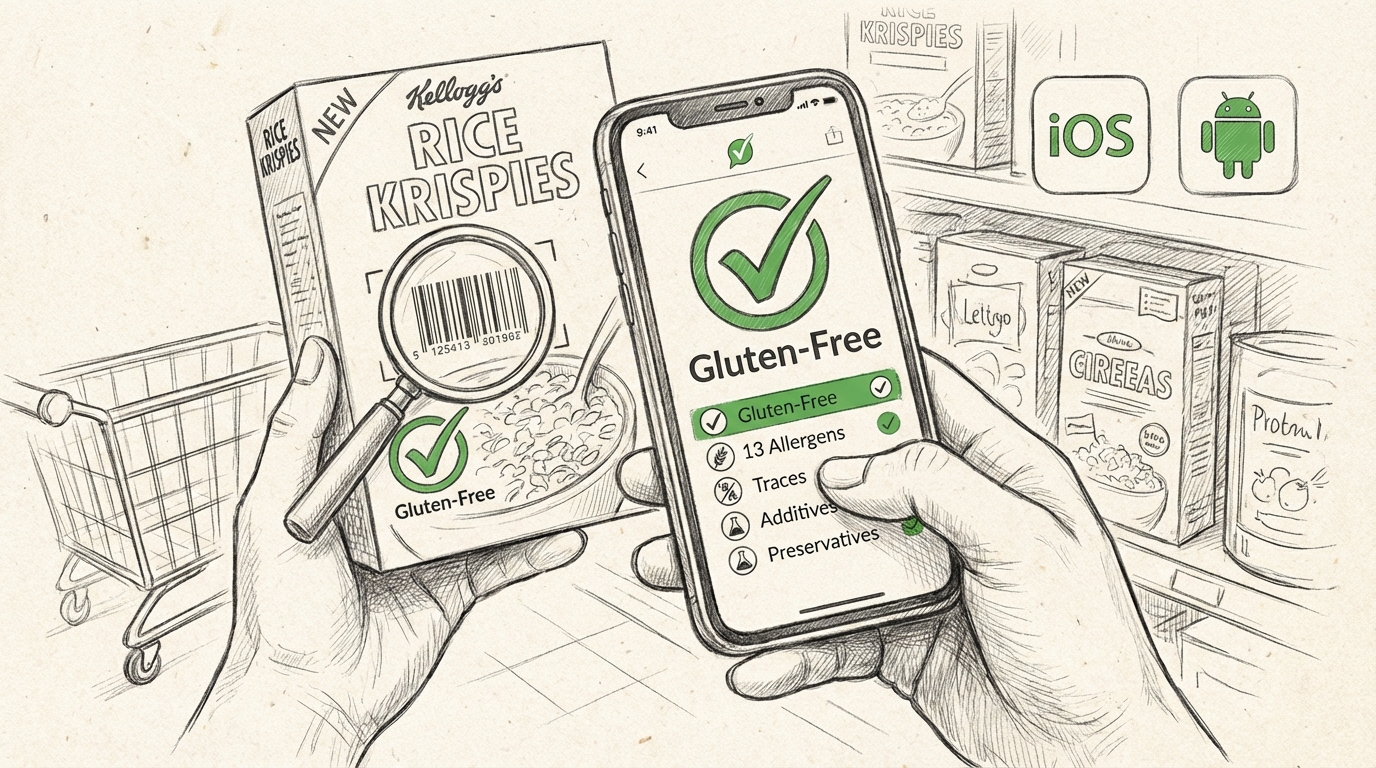
TL;DR: Original Rice Krispies are not gluten-free as they contain malt flavoring derived from barley. However, Kellogg's offers a certified gluten-free version called Rice Krispies Gluten Free, made without barley malt. Always check product labels or scan barcodes to verify gluten-free status and identify potential allergens before consuming.
If you've ever wondered are Rice Krispies gluten free, you're not alone. This beloved breakfast cereal has been a staple in households for decades, but for those managing celiac disease or gluten sensitivities, understanding its ingredients is crucial. While the primary ingredient—rice—is naturally gluten-free, the answer isn't as straightforward as you might expect.
The confusion surrounding Rice Krispies and gluten stems from manufacturing processes, ingredient variations, and cross-contamination risks. For individuals with celiac disease, gluten sensitivities, or parents managing children's dietary restrictions, knowing which cereals are truly safe can make the difference between a healthy breakfast and a potential health crisis.
In this comprehensive guide, we'll explore the gluten content in various Rice Krispies products, examine ingredient labels, discuss cross-contamination concerns, and provide safe alternatives. Whether you're newly diagnosed with celiac disease or simply trying to maintain a gluten-free lifestyle, this article will give you the definitive answers you need.
Frequently Asked Questions
Are Rice Krispies gluten free?
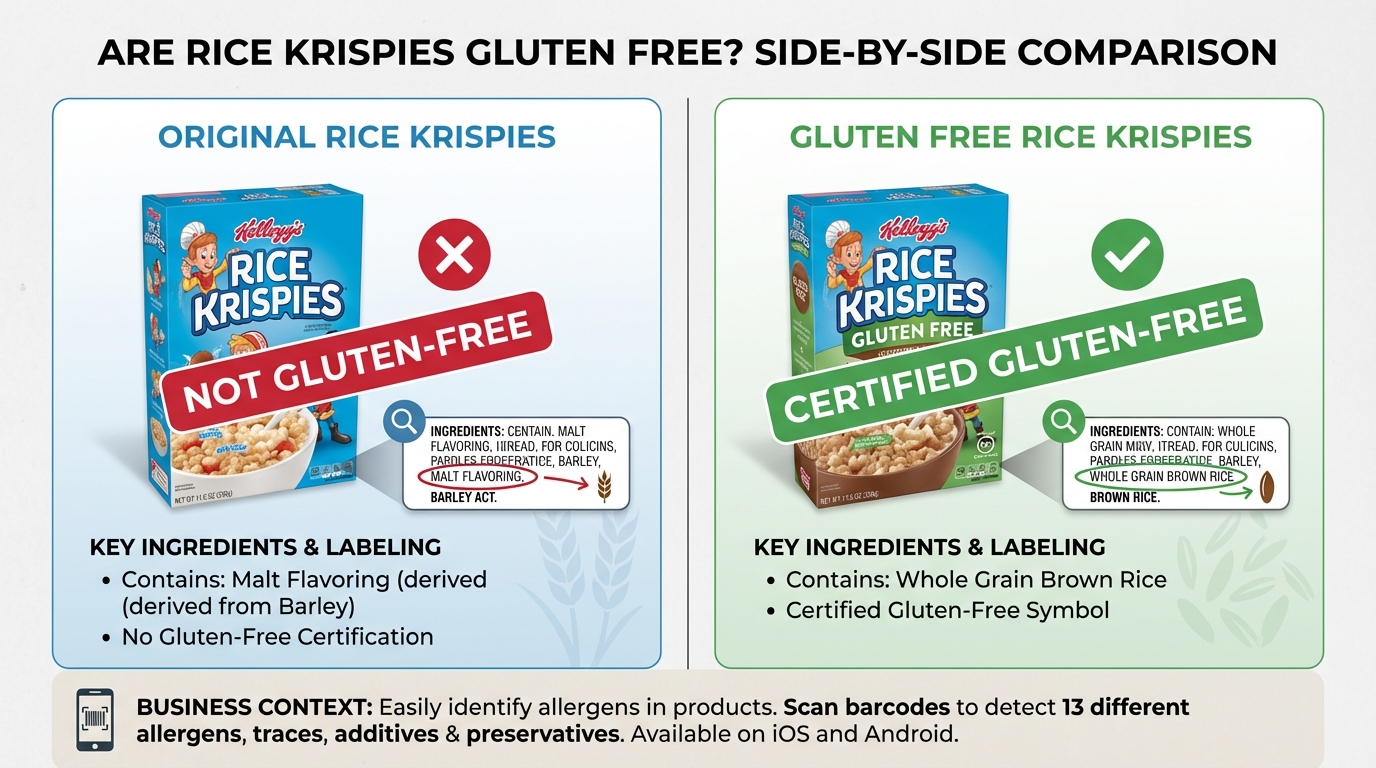
Original Rice Krispies cereal in the United States is NOT gluten free. While made from rice, they contain malt flavoring derived from barley, which contains gluten. However, Kellogg's produces a specifically labeled "Gluten Free Rice Krispies" variety made with whole grain brown rice and without barley malt. Always check the packaging and use an allergy checker app to verify ingredients before consuming.
What makes regular Rice Krispies contain gluten?
Regular Rice Krispies contain gluten due to malt flavoring, which is derived from barley. Barley is one of the primary gluten-containing grains alongside wheat and rye. The malt flavoring provides the cereal's distinctive taste but makes it unsafe for people with celiac disease or gluten sensitivity. This ingredient is why scanning products with an allergen detection app is crucial for gluten-free diets.
How can I identify gluten-free Rice Krispies at the store?
Look for packaging clearly labeled "Gluten Free" on the front of the box. Gluten-free Rice Krispies have distinct green packaging with prominent gluten-free certification. You can also use a barcode scanning app to detect allergens instantly. Always read the ingredient list to confirm there's no malt flavoring or barley derivatives. The gluten-free version uses whole grain brown rice instead.
Can people with celiac disease eat gluten-free Rice Krispies?
Yes, people with celiac disease can safely eat Kellogg's Gluten Free Rice Krispies, which are specifically formulated without barley malt or gluten-containing ingredients. These are certified gluten-free and meet strict standards. However, regular Rice Krispies are NOT safe for celiac disease. Using an allergy checker app helps verify products are truly gluten-free and safe for your specific dietary needs.
What are gluten-free alternatives to Rice Krispies?
Besides Kellogg's Gluten Free Rice Krispies, alternatives include Nature's Path Crispy Rice, Erewhon Crispy Brown Rice, and various store-brand gluten-free crispy rice cereals. Other gluten-free options include certified gluten-free wheat-free beers and gluten-free cheese-its for snacking. Always verify products by scanning barcodes with an allergen detection app to ensure they're free from gluten, traces, and cross-contamination.
Do Rice Krispies treats contain gluten?
Traditional Rice Krispies treats made with regular Rice Krispies cereal contain gluten from the barley malt flavoring. However, you can make gluten-free Rice Krispies treats using Kellogg's Gluten Free Rice Krispies cereal. Pre-made Rice Krispies treats should be carefully checked for gluten content. Use an allergy checker app to scan packaged treats and verify all ingredients are gluten-free.
What ingredients should gluten-sensitive people avoid in cereals?
People avoiding gluten should watch for malt flavoring, barley malt extract, wheat starch, wheat flour, rye, and oats (unless certified gluten-free). Also check for additives like hydroxy stearic acid or poly carboxylic acid that may contain gluten derivatives. Cross-contamination is another concern. Using an allergen detection app that scans barcodes helps identify these 13 different allergens, traces, additives, and preservatives instantly.
How reliable are allergy checker apps for detecting gluten in products?
Allergy checker apps are highly reliable tools for detecting gluten and other allergens when they use comprehensive, updated databases. These apps scan product barcodes to identify 13 different allergens, including gluten, plus traces, additives, and preservatives. They're particularly useful for quickly verifying products like Rice Krispies, gluten-free cheese-its, or wheat-free beers. Available on iOS and Android, they provide instant verification for safer shopping.
Understanding Gluten and Why It Matters
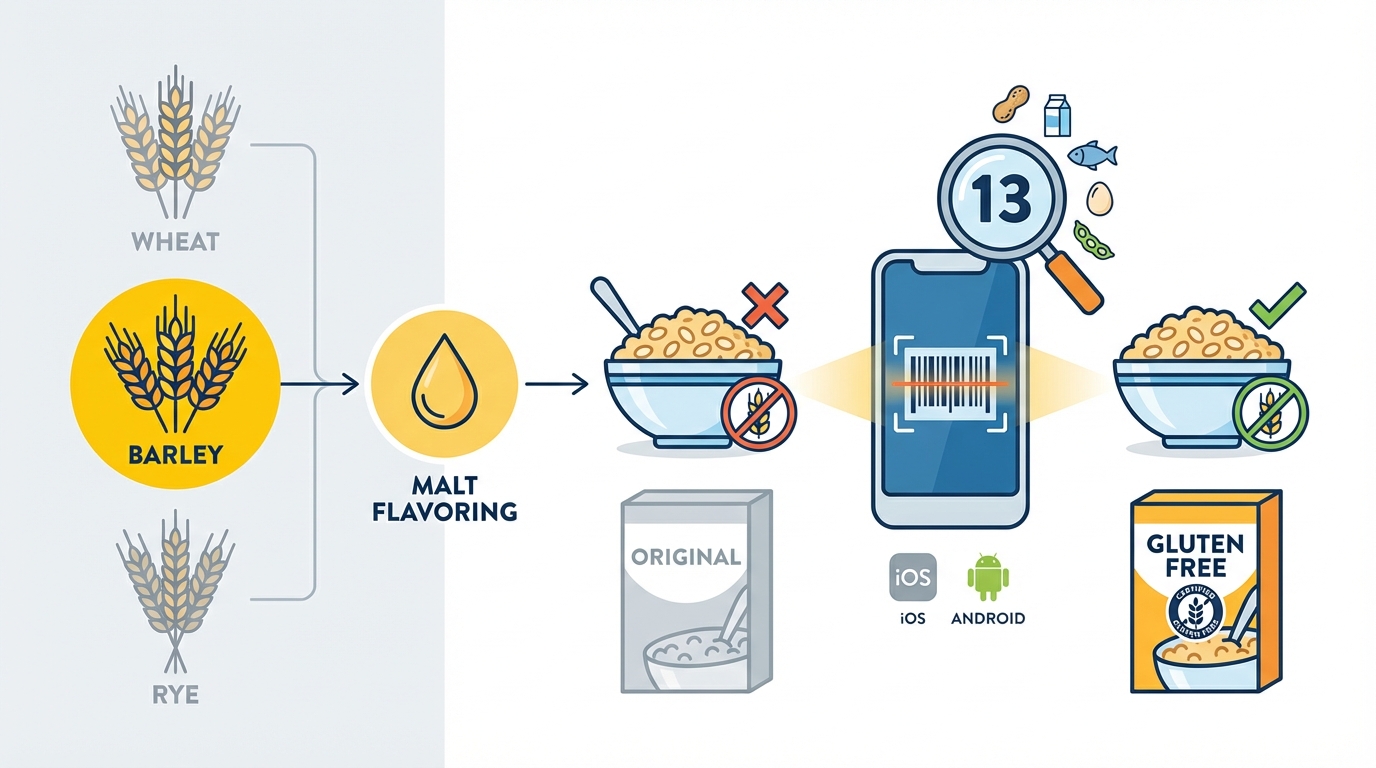
Before diving into whether Rice Krispies are gluten-free, it's essential to understand what gluten is and why it poses health risks for certain individuals. Gluten is a protein composite found primarily in wheat, barley, and rye that gives dough its elastic texture and helps baked goods maintain their shape.
Who Needs to Avoid Gluten?
Several groups of people must strictly avoid gluten for health reasons:
- Celiac disease patients: An autoimmune disorder affecting approximately 1% of the population, where gluten triggers an immune response that damages the small intestine
- Non-celiac gluten sensitivity: Individuals who experience symptoms similar to celiac disease without the autoimmune response
- Wheat allergy sufferers: Those with allergic reactions to wheat proteins, which include but aren't limited to gluten
- Dermatitis herpetiformis patients: A skin manifestation of celiac disease that requires a gluten-free diet
For these individuals, even trace amounts of gluten can trigger symptoms ranging from digestive distress to severe autoimmune reactions. This is where tools like an allergy checker app become invaluable for quickly scanning products and identifying potential allergens before consumption.
Are Rice Krispies Gluten Free? The Definitive Answer
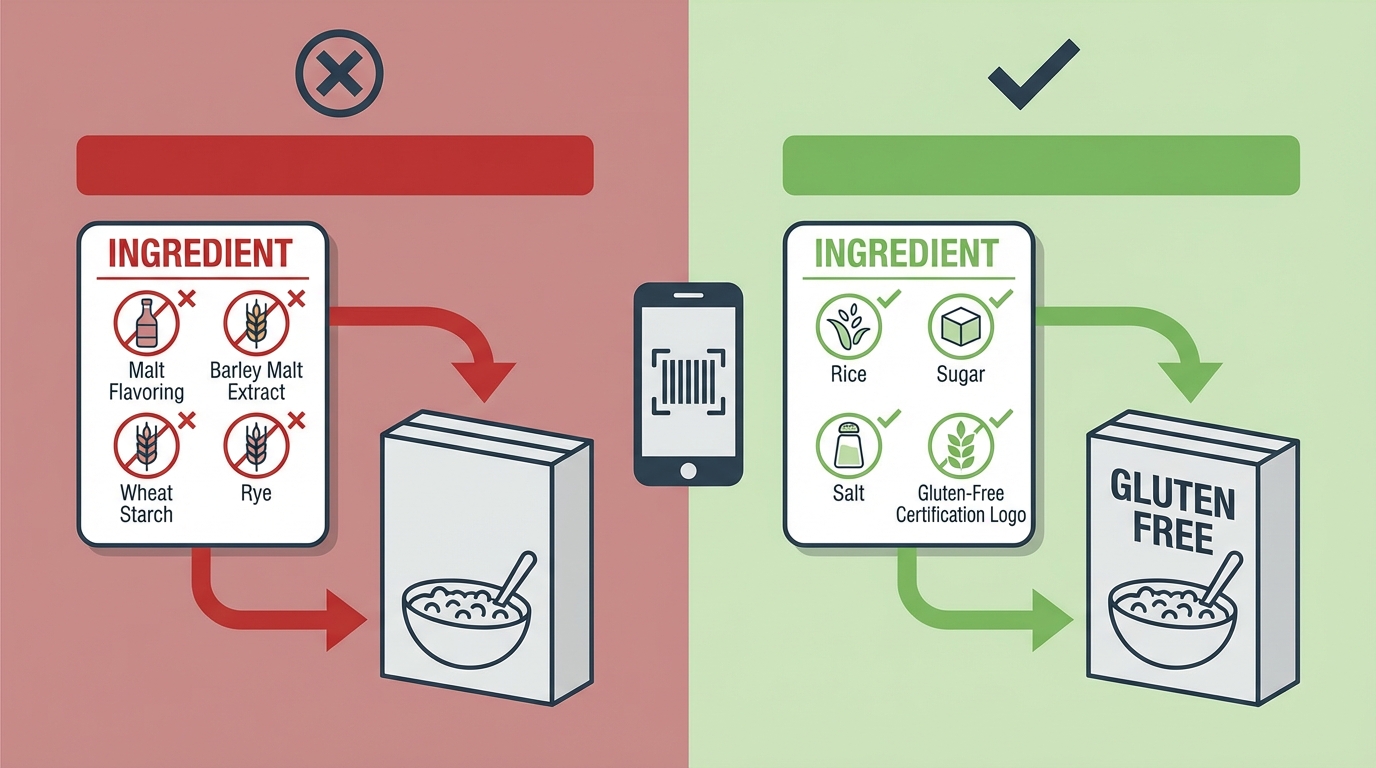
The straightforward answer is: Original Rice Krispies in the United States are NOT gluten-free. Despite rice being the primary ingredient, traditional Rice Krispies contain malt flavoring derived from barley, which is a gluten-containing grain.
Why Traditional Rice Krispies Contain Gluten
Kellogg's original Rice Krispies cereal includes barley malt extract as a flavoring agent. This ingredient gives the cereal its distinctive taste but makes it unsuitable for anyone following a strict gluten-free diet. The barley malt contains gluten proteins that can trigger reactions in sensitive individuals.
| Product | Contains Gluten? | Primary Gluten Source |
|---|---|---|
| Original Rice Krispies | Yes | Barley malt flavoring |
| Rice Krispies Gluten Free | No | None (uses alternative flavorings) |
| Rice Krispies Treats (pre-made) | Yes | Barley malt flavoring |
| Cocoa Krispies | Yes | Barley malt flavoring |
The Gluten-Free Rice Krispies Alternative
Recognizing the demand from the gluten-free community, Kellogg's introduced a specifically formulated gluten-free version of Rice Krispies. This product replaces barley malt with alternative flavorings and is certified gluten-free, meeting the FDA standard of containing less than 20 parts per million (ppm) of gluten.
The gluten-free version maintains the signature "snap, crackle, and pop" sound and similar taste profile, making it a suitable alternative for those who need to avoid gluten. However, availability can vary by region and retailer, so checking with your local stores is recommended.
Ingredient Analysis: What's Really in Rice Krispies?
Understanding ingredient labels is crucial for anyone managing food allergies or sensitivities. Let's break down the typical ingredients found in both regular and gluten-free Rice Krispies varieties.
Original Rice Krispies Ingredients
The standard Rice Krispies formula includes:
- Rice
- Sugar
- Salt
- Barley malt extract (the gluten source)
- Various vitamins and minerals (niacinamide, reduced iron, vitamin B2, vitamin B1, folic acid, vitamin D3, vitamin B12)
While most of these ingredients are naturally gluten-free, the barley malt extract is the problematic component. Some formulations may also contain additives like hydroxy stearic acid for processing, though this is more common in related products.
Gluten-Free Rice Krispies Ingredients
The certified gluten-free version substitutes the barley malt with:
- Rice
- Sugar
- Salt
- Brown rice syrup (replaces barley malt)
- Natural flavors
- Vitamins and minerals (similar fortification)
This formulation ensures that individuals with celiac disease can safely enjoy the cereal without risking gluten exposure. For those tracking comprehensive nutrition information beyond allergens, tools similar to a chipotle nutrition calculator can help monitor overall dietary intake, though Rice Krispies themselves are relatively straightforward in their nutritional profile.
Cross-Contamination Concerns in Manufacturing
Even when a product's ingredients don't contain gluten, cross-contamination during manufacturing can introduce gluten proteins. This is a critical consideration for anyone with severe celiac disease or high sensitivity.
Shared Facility Risks
Many cereal manufacturers produce both gluten-containing and gluten-free products in the same facilities. Without proper cleaning protocols and dedicated production lines, gluten particles can contaminate supposedly gluten-free products.
Kellogg's gluten-free Rice Krispies are manufactured using dedicated production lines and rigorous testing protocols to ensure they meet the FDA's gluten-free standard of less than 20 ppm. This makes them safer than products that simply lack gluten ingredients but aren't certified.
Understanding Gluten-Free Certification
Look for these indicators on packaging:
- FDA Gluten-Free Label: Indicates less than 20 ppm of gluten
- Certified Gluten-Free Symbol: Third-party certification from organizations like GFCO (Gluten-Free Certification Organization)
- "May Contain" Warnings: Alert consumers to potential cross-contamination risks
- Dedicated Facility Statements: Indicate production in facilities free from gluten-containing grains
Using a food allergy app that scans barcodes can instantly provide this certification information, making grocery shopping faster and safer for those managing dietary restrictions.
Comparing Gluten-Free Cereal Alternatives
If you can't find gluten-free Rice Krispies or want to explore other options, several alternatives exist on the market. Understanding your choices helps you make informed decisions about your breakfast routine.
| Brand | Certification | Price Range | Availability |
|---|---|---|---|
| Kellogg's Rice Krispies Gluten Free | FDA Gluten-Free | $$ | Wide |
| Nature's Path Crispy Rice | Certified Gluten-Free | $$$ | Moderate |
| Erewhon Crispy Brown Rice | Certified Gluten-Free | $$$ | Limited |
| Barbara's Brown Rice Crisps | Certified Gluten-Free | $$ | Moderate |
| One Degree Sprouted Brown Rice Crisps | Certified Gluten-Free | $$$$ | Limited |
What to Look for in Alternatives
When selecting gluten-free crispy rice cereals, consider these factors:
- Certification status: Third-party certification provides additional assurance beyond FDA standards
- Ingredient simplicity: Fewer ingredients typically mean less risk of hidden gluten sources
- Nutritional profile: Compare sugar content, fiber, and vitamin fortification
- Taste and texture: Some alternatives have different flavor profiles or crispness levels
Just as consumers seek gluten free cheese-its as alternatives to traditional crackers, finding the right crispy rice cereal may require trying several brands to determine which best suits your taste preferences and dietary needs.
Rice Krispies Treats: A Separate Gluten Concern
Many people wonder about the gluten content of Rice Krispies Treats, both homemade and store-bought versions. The answer varies depending on which ingredients you use.
Store-Bought Rice Krispies Treats
Pre-packaged Rice Krispies Treats from Kellogg's contain the same barley malt flavoring found in original Rice Krispies cereal, making them not gluten-free. Additionally, they may contain other ingredients that introduce gluten or cross-contamination risks.
Making Gluten-Free Rice Krispies Treats at Home
The good news is that you can easily make gluten-free Rice Krispies Treats at home using:
- Gluten-free Rice Krispies cereal
- Marshmallows (most major brands are gluten-free, but always verify)
- Butter or dairy-free alternative
This homemade approach gives you complete control over ingredients and eliminates cross-contamination concerns. For those managing multiple dietary restrictions, this is similar to seeking gluten free dairy free snacks where you need products free from multiple allergens.
Reading Labels and Identifying Hidden Gluten Sources
Becoming proficient at reading food labels is an essential skill for anyone managing gluten sensitivities. Hidden gluten can lurk in unexpected places, making vigilance crucial.
Common Hidden Gluten Ingredients
Watch for these ingredients that may contain gluten:
- Malt or malt flavoring: Usually derived from barley
- Modified food starch: May be wheat-based unless specified otherwise
- Hydrolyzed vegetable protein: Can contain wheat proteins
- Natural flavors: May include gluten-containing compounds
- Dextrin: Usually corn-based but can be wheat-derived
Some food additives like methane sulfonic acid or poly carboxylic acid are used in food processing but are typically gluten-free. However, the source materials and processing aids may introduce contamination, making third-party certification important.
Label Reading Best Practices
Follow these guidelines when evaluating cereal and other packaged foods:
- Read the entire ingredient list: Don't rely solely on front-of-package claims
- Check for allergen statements: Look for "Contains: Wheat, Barley, or Rye"
- Verify gluten-free certification: Look for official certification symbols
- Contact manufacturers when uncertain: Most companies provide allergen information upon request
- Use technology: Barcode scanning apps can instantly identify allergens
Modern technology has made this process significantly easier. An allergy checker app can scan product barcodes and immediately alert you to the presence of gluten and other allergens, saving time and reducing the risk of accidental exposure.
Nutritional Comparison: Regular vs. Gluten-Free Rice Krispies
Beyond gluten content, understanding the nutritional differences between regular and gluten-free Rice Krispies helps you make informed dietary choices.
| Nutrient | Original Rice Krispies | Gluten-Free Rice Krispies |
|---|---|---|
| Calories | 130 | 130 |
| Total Carbohydrates | 29g | 29g |
| Sugars | 4g | 3g |
| Protein | 2g | 2g |
| Fiber | 0g | 0g |
| Sodium | 200mg | 190mg |
As the table shows, the nutritional profiles are remarkably similar. The primary difference lies in the flavoring agents used rather than the macronutrient composition. Both versions are fortified with similar vitamins and minerals, including iron, niacin, vitamin B6, vitamin B2, vitamin B1, folic acid, vitamin D, and vitamin B12.
For those tracking detailed nutritional information across multiple foods, tools like a chipotle nutrition calculator help maintain comprehensive dietary records, though Rice Krispies themselves have straightforward nutritional profiles that don't require complex calculations.
Shopping Tips for Finding Gluten-Free Rice Krispies
Locating gluten-free Rice Krispies can sometimes be challenging, as not all retailers stock them consistently. Here are strategies to improve your shopping success.
Where to Buy Gluten-Free Rice Krispies
- Major grocery chains: Walmart, Target, Kroger, and Safeway often carry them in gluten-free sections
- Natural food stores: Whole Foods, Sprouts, and Natural Grocers typically stock multiple gluten-free cereal options
- Online retailers: Amazon, Thrive Market, and direct manufacturer websites offer convenient delivery
- Specialty stores: Dedicated gluten-free shops maintain consistent inventory
Cost Considerations
Gluten-free products typically cost 20-50% more than their conventional counterparts due to specialized ingredients, dedicated production facilities, and certification costs. Expect to pay $5-7 per box of gluten-free Rice Krispies compared to $3-4 for regular versions.
Money-saving strategies include:
- Buying in bulk when on sale
- Using manufacturer coupons and store loyalty programs
- Comparing prices across retailers and online platforms
- Considering store-brand gluten-free alternatives
Other Gluten-Free Breakfast Options
While gluten-free Rice Krispies provide a convenient breakfast solution, diversifying your morning routine with other gluten-free options ensures nutritional variety and prevents meal fatigue.
Naturally Gluten-Free Breakfast Foods
- Eggs: Versatile, protein-rich, and naturally gluten-free
- Plain yogurt: Check brands carefully, as some contain gluten-containing additives (learn more about yogurt allergens and nutrition)
- Fresh fruits: All fruits are naturally gluten-free
- Corn-based cereals: Many corn cereals are gluten-free, but verify manufacturing practices
- Oatmeal: Choose certified gluten-free oats to avoid cross-contamination
Gluten-Free Bread Alternatives
For those who enjoy toast with breakfast, several gluten-free bread options exist. While products like Ezekiel bread contain gluten due to their wheat content, many dedicated gluten-free brands offer excellent alternatives made from rice flour, almond flour, or other gluten-free grains.
Similarly, those seeking beverages should know that while regular beer contains gluten, gluten free wheat free beer options are increasingly available, using alternative grains like sorghum, rice, or millet. Just as with cereals, always verify certification to ensure true gluten-free status.
Managing Celiac Disease and Gluten Sensitivity
Successfully managing celiac disease or gluten sensitivity extends beyond simply choosing the right breakfast cereal. It requires a comprehensive approach to diet and lifestyle.
Essential Management Strategies
- Complete gluten elimination: Even trace amounts can trigger reactions in sensitive individuals
- Read every label: Manufacturers can change formulations without notice
- Prevent cross-contamination: Use separate toasters, cutting boards, and utensils for gluten-free foods
- Communicate clearly: Inform restaurants and food preparers about your dietary requirements
- Stay informed: Join celiac disease support groups and stay updated on new research
Technology as a Management Tool
Modern smartphone applications have revolutionized how people manage food allergies and sensitivities. A comprehensive food allergy app can scan product barcodes and instantly identify gluten and 12 other common allergens, plus additives and preservatives.
These tools are particularly valuable when:
- Shopping in unfamiliar stores or while traveling
- Evaluating new products or brands
- Managing multiple dietary restrictions simultaneously
- Teaching children to identify safe foods independently
Common Questions About Rice Krispies and Gluten
Can I Eat Regular Rice Krispies If I Have Mild Gluten Sensitivity?
Even individuals with mild gluten sensitivity should avoid regular Rice Krispies due to the barley malt content. The severity of reactions varies, but any gluten exposure can cause symptoms and, in celiac disease patients, intestinal damage regardless of whether symptoms are present.
Are International Versions of Rice Krispies Gluten-Free?
Formulations vary by country. Rice Krispies sold in some markets may use different ingredients or flavorings. Always check the specific product label for your region rather than assuming international products are identical to U.S. versions.
How Can I Verify If My Rice Krispies Are Actually Gluten-Free?
Look for the "Gluten-Free" designation prominently displayed on the front of the box. The gluten-free version has distinct packaging that clearly identifies it as certified gluten-free. When in doubt, scan the barcode with an allergy checker app for instant verification.
Do Flavored Varieties of Rice Krispies Come in Gluten-Free Versions?
Currently, Kellogg's primarily offers the original flavor in a gluten-free formulation. Flavored varieties like Cocoa Krispies or Fruity Pebbles-style versions typically contain barley malt and are not certified gluten-free. Always verify current product offerings, as manufacturers occasionally expand their gluten-free lines.
The Future of Gluten-Free Products
The gluten-free market continues to expand as awareness of celiac disease and gluten sensitivity increases. This growth drives innovation in product development and manufacturing processes.
Market Trends and Innovations
Several trends are shaping the future of gluten-free foods:
- Improved taste and texture: Manufacturers are developing better formulations that closely mimic traditional products
- Increased availability: More mainstream retailers are expanding gluten-free sections
- Price normalization: As production scales up, price gaps between regular and gluten-free products are narrowing
- Enhanced nutrition: Newer gluten-free products focus on adding fiber, protein, and micronutrients
- Cleaner labels: Consumers demand fewer additives and more recognizable ingredients
These improvements benefit not only those who must avoid gluten for medical reasons but also health-conscious consumers seeking diverse dietary options.
Conclusion: Making Informed Choices About Rice Krispies
To answer the question definitively: traditional Rice Krispies are not gluten-free due to barley malt flavoring, but Kellogg's does offer a certified gluten-free version that's safe for individuals with celiac disease and gluten sensitivities.
Understanding ingredient labels, recognizing cross-contamination risks, and knowing which products are truly gluten-free empowers you to make safe dietary choices. Whether you're managing celiac disease, supporting a family member with gluten sensitivity, or simply choosing to avoid gluten for personal health reasons, knowledge is your most valuable tool.
The landscape of gluten-free products continues to improve, offering more options, better taste, and increased accessibility. By staying informed about product formulations, using available technology to verify ingredients, and maintaining vigilance about cross-contamination, you can safely enjoy breakfast cereals and other foods while protecting your health.
Managing food allergies and dietary restrictions doesn't have to be overwhelming. With the right tools and information, you can confidently navigate grocery stores and make choices that support your health and wellbeing. Visit Nutrict to discover how our food allergy scanner app can help you instantly identify gluten and 12 other allergens in thousands of products, making safe food choices faster and easier than ever before. Available on both iOS and Android, Nutrict puts the power of comprehensive allergen detection right in your pocket.
Article created using IntentRank