Are Grits Gluten Free? Complete Allergen Guide 2024
TL;DR: Traditional grits made from pure corn are naturally gluten free, making them safe for people with celiac disease or gluten sensitivity. However, cross-contamination during processing or added ingredients can introduce gluten. Always check product labels or use allergen-scanning apps to verify that your grits are certified gluten free and safe to consume.
Frequently Asked Questions

Are grits gluten free?
Yes, traditional grits are naturally gluten free as they're made from ground corn, which contains no gluten. However, cross-contamination can occur during processing in facilities that also handle wheat products. Always check labels for gluten-free certification and look for warnings about shared equipment. People with celiac disease should choose certified gluten-free grits to ensure safety.
What are grits made from and do they contain wheat?
Grits are made from ground hominy corn, specifically white or yellow corn varieties. They do not contain wheat, barley, or rye, making them naturally gluten free. The corn kernels are dried, ground into a coarse texture, and cooked with water or milk. However, some flavored or instant varieties may contain additives or be processed in facilities with gluten-containing grains.
Can people with celiac disease eat grits safely?
People with celiac disease can safely eat grits if they choose certified gluten-free brands. While corn is naturally gluten free, cross-contamination during manufacturing is a concern. Look for products with gluten-free certification from organizations like GFCO. Using an allergy checker app can help scan product barcodes to verify gluten-free status and identify potential allergens before purchasing.
How can I check if grits contain gluten using an allergen app?
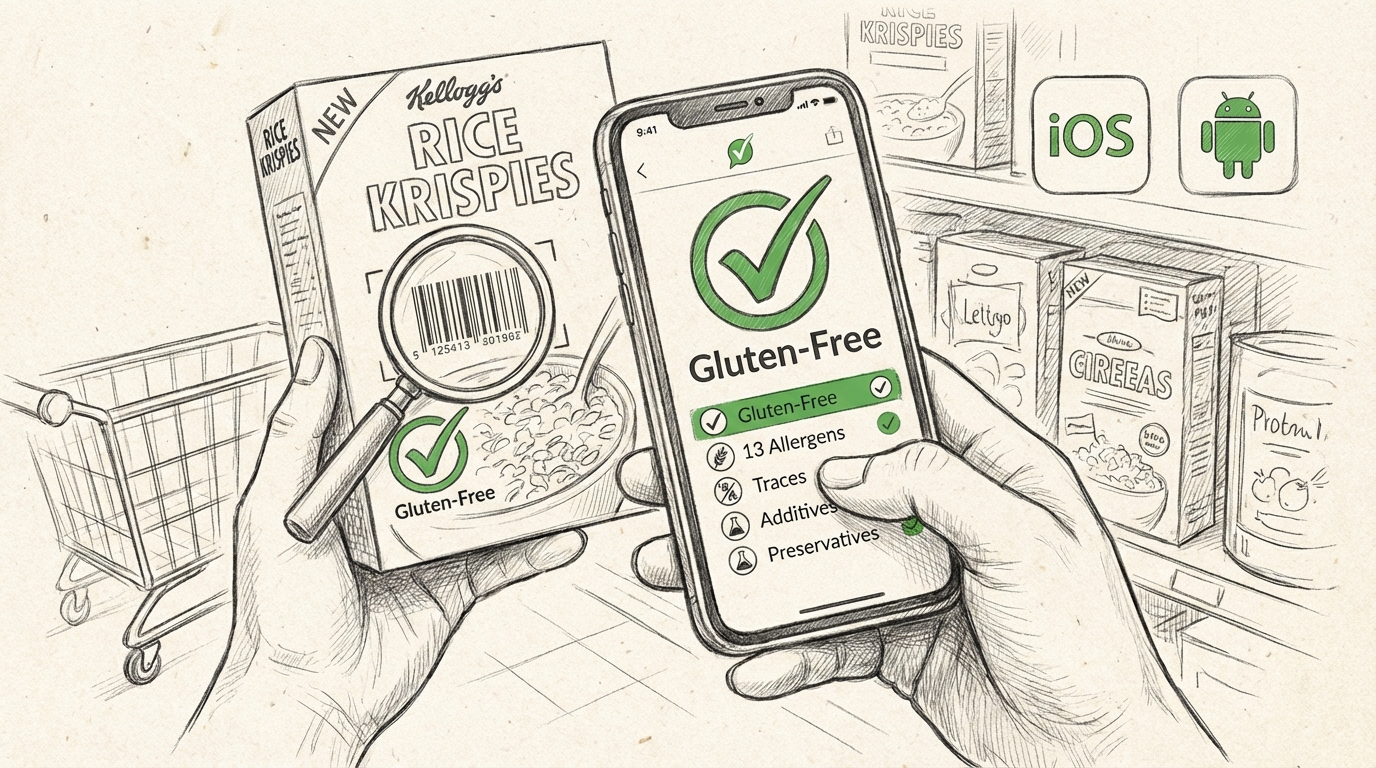
An allergy checker app allows you to scan the barcode on grits packaging to instantly detect gluten and other allergens. These apps identify up to 13 different allergens, traces, additives, and preservatives in products. Simply open the app, scan the product barcode, and review the allergen report. This method is faster and more reliable than manually reading ingredient labels.
Are instant grits gluten free like regular grits?
Instant grits can be gluten free, but they require more careful checking than regular grits. Many instant varieties contain added flavorings, thickeners, or seasonings that may include gluten-containing ingredients. Some are processed on shared equipment with wheat products. Always read labels carefully and look for certified gluten-free instant grits to ensure they're safe for gluten-sensitive individuals.
What other naturally gluten free grains are similar to grits?
Several naturally gluten-free grains offer similar texture and versatility to grits, including polenta (Italian cornmeal), quinoa, rice, millet, and buckwheat groats. Like grits, these grains contain no wheat, barley, or rye. They can be cooked into porridge-like consistencies and serve as breakfast options or side dishes. Always verify products are certified gluten free to avoid cross-contamination issues.
Do restaurant grits contain gluten or cross-contamination risks?
Restaurant grits may pose cross-contamination risks even though corn is gluten free. Shared cooking equipment, utensils, or preparation surfaces can introduce gluten. Some restaurants add flour-based thickeners or serve grits with gluten-containing toppings. When dining out, ask about preparation methods and ingredient sources. Check restaurant nutrition information, similar to using a Chipotle nutrition calculator, to identify potential allergens.
How do I identify gluten-free certified grits on product labels?
Look for official gluten-free certification symbols from organizations like GFCO, NSF, or CSA on product packaging. These certifications ensure products contain less than 10-20 ppm of gluten. Check ingredient lists for wheat, barley, rye, or malt. Review allergen statements for cross-contamination warnings. Using an allergen checker app to scan barcodes provides instant verification of gluten-free status and other allergen information.
Understanding Grits: Are Grits Gluten Free?

If you're navigating a gluten-free diet, you've likely wondered: are grits gluten free? This Southern staple has become a breakfast favorite across the United States, but for those with celiac disease or gluten sensitivities, understanding what's safe to eat is crucial. The good news is that traditional grits made from corn are naturally gluten-free, making them an excellent option for most people avoiding gluten.
However, the answer isn't always straightforward. Cross-contamination during processing, added ingredients, and manufacturing practices can introduce gluten into otherwise safe products. This comprehensive guide will help you understand everything about grits and gluten, ensuring you can enjoy this comforting dish without worry.
Whether you're managing celiac disease, gluten sensitivity, or simply choosing a gluten-free lifestyle, knowing which foods are safe is essential. Tools like an allergy checker app can help you quickly identify potential allergens in packaged foods, making grocery shopping safer and more efficient.
What Are Grits Made From?

Grits are a traditional dish made from ground corn, specifically hominy corn that has been treated with an alkaline solution. This process, called nixtamalization, removes the hull and germ, leaving the starchy endosperm that's then dried and ground into various textures.
Types of Grits
Understanding the different types of grits helps you make informed choices about which varieties are safest for a gluten-free diet:
- Stone-ground grits: Coarsely ground whole corn kernels that retain more nutrients and fiber
- Regular grits: More finely ground than stone-ground, with a smoother texture
- Quick grits: Processed to cook faster, with a finer grind
- Instant grits: Pre-cooked and dehydrated for the fastest preparation time
- Hominy grits: Made from corn treated with lye or lime to remove the hull
All these varieties start with corn, which is naturally gluten-free. However, processing methods and added ingredients can affect their gluten-free status, particularly in instant and flavored varieties.
The Gluten-Free Status of Pure Grits
Pure grits made solely from corn contain no gluten. Gluten is a protein found exclusively in wheat, barley, rye, and their derivatives. Since corn is a completely different grain, it doesn't naturally contain gluten proteins.
Why Corn Is Naturally Gluten-Free
Corn belongs to the grass family Poaceae, but it's botanically distinct from gluten-containing grains. The protein structure in corn is fundamentally different from the gliadin and glutenin proteins that form gluten in wheat.
| Contains Gluten | Naturally Gluten-Free |
|---|---|
| Wheat | Corn (including grits) |
| Barley | Rice |
| Rye | Quinoa |
| Triticale | Oats (certified gluten-free) |
| Spelt | Millet |
This makes grits an excellent alternative to wheat-based breakfast cereals and porridges for those following a gluten-free diet. Similar to how you might look for gluten free dairy free snacks, finding naturally gluten-free grain options expands your dietary choices significantly.
Cross-Contamination Risks in Grits Production
While corn itself is gluten-free, cross-contamination during manufacturing is a significant concern. Many facilities process multiple grains, including wheat, on the same equipment, which can introduce gluten into otherwise safe products.
Common Sources of Cross-Contamination
Understanding where gluten contamination can occur helps you make safer purchasing decisions:
- Shared processing equipment: Mills that process both corn and wheat without thorough cleaning between batches
- Storage facilities: Grain silos and warehouses that store multiple grain types
- Transportation: Trucks and containers used for various grains without proper cleaning
- Packaging lines: Facilities that package both gluten-containing and gluten-free products
For people with celiac disease, even trace amounts of gluten (less than 20 parts per million) can trigger symptoms and intestinal damage. This is why looking for certified gluten-free labels is crucial, not just assuming a corn-based product is safe.
Reading Labels for Hidden Gluten
When shopping for grits, carefully examine ingredient lists for potential gluten sources. Watch for terms like "natural flavoring," "modified food starch," or "hydrolyzed vegetable protein," which could be derived from wheat.
Using a food allergy app can streamline this process by quickly scanning barcodes and identifying allergens, including gluten, in packaged foods.
Instant and Flavored Grits: Hidden Gluten Concerns
While plain grits are typically safe, instant and flavored varieties pose additional risks. These products often contain additives, flavorings, and thickening agents that may introduce gluten into the product.
Ingredients to Watch For
Flavored grits packets frequently include ingredients that require scrutiny:
| Ingredient | Gluten Risk | Why It Matters |
|---|---|---|
| Modified food starch | Medium | Can be derived from wheat unless specified as corn starch |
| Natural flavoring | Low-Medium | May contain wheat-based ingredients |
| Maltodextrin | Low | Usually corn-based in US, but can be wheat-derived |
| Caramel color | Low | Typically gluten-free but verify with manufacturer |
| Hydrolyzed vegetable protein | High | Often contains wheat protein |
Instant grits may also contain additives like hydroxy stearic acid or poly carboxylic acid as processing aids or anti-caking agents. While these compounds are generally gluten-free, they indicate a more processed product that may have higher cross-contamination risks.
Just as consumers question whether products like gluten free cheese-its exist, flavored grits require the same level of scrutiny to ensure they meet gluten-free standards.
Certified Gluten-Free Grits Brands
Several manufacturers produce certified gluten-free grits, providing peace of mind for those with celiac disease or severe gluten sensitivity. These products undergo rigorous testing to ensure they contain less than 20 parts per million of gluten.
What Certification Means
Third-party certification programs verify that products meet strict gluten-free standards through regular testing and facility inspections. Look for these certification logos on packaging:
- GFCO (Gluten-Free Certification Organization): Requires products to contain less than 10 ppm gluten
- NSF Gluten-Free Certification: Tests to the FDA standard of less than 20 ppm
- CSA (Celiac Support Association) Recognition Seal: Ensures dedicated gluten-free facilities
Choosing certified products eliminates guesswork and provides legal accountability from manufacturers. This is particularly important for people with celiac disease, where even small amounts of gluten can cause serious health consequences.
Popular Certified Gluten-Free Grits Options
Many brands now offer certified gluten-free grits to meet growing consumer demand. When shopping, prioritize products with clear certification labels and transparent ingredient lists.
For those managing multiple dietary restrictions, combining resources like certified product lists with an allergy scanning app creates a comprehensive safety net for grocery shopping.
Preparing Gluten-Free Grits Safely at Home
Even with certified gluten-free grits, preparation methods matter. Cross-contamination can occur in your own kitchen if you're not careful about utensils, cookware, and ingredient additions.
Kitchen Safety Tips
Follow these guidelines to keep your grits truly gluten-free:
- Use dedicated cookware: If possible, designate specific pots and utensils for gluten-free cooking
- Clean thoroughly: Wash all equipment with hot, soapy water before preparing gluten-free foods
- Check all additions: Verify that butter, cheese, milk, and seasonings are gluten-free
- Avoid shared condiments: Use squeeze bottles or separate containers to prevent contamination from shared utensils
- Store properly: Keep gluten-free grits in sealed containers away from gluten-containing products
Gluten-Free Toppings and Mix-Ins
Enhance your grits with safe, flavorful additions that maintain their gluten-free status:
- Real butter or ghee (verify brand is gluten-free)
- Certified gluten-free cheese varieties
- Fresh herbs like chives, parsley, or cilantro
- Cooked shrimp, bacon, or sausage (check for gluten-free certification)
- Sautéed vegetables like mushrooms, peppers, or tomatoes
- Hot sauce (verify gluten-free status)
Be particularly cautious with processed meats and sauces, as these often contain hidden gluten. Reading labels carefully or using an allergy detection tool can help identify safe options quickly.
Nutritional Benefits of Gluten-Free Grits
Beyond being gluten-free, grits offer several nutritional advantages that make them a valuable addition to a balanced diet. Understanding their nutritional profile helps you make informed dietary decisions.
Macronutrient Breakdown
A typical serving of cooked grits (about 1 cup or 242 grams) provides:
| Nutrient | Amount per Cup | % Daily Value |
|---|---|---|
| Calories | 182 | 9% |
| Carbohydrates | 38g | 13% |
| Protein | 4g | 8% |
| Fat | 1g | 1% |
| Fiber | 2g | 8% |
| Iron | 1.5mg | 8% |
Stone-ground grits retain more nutrients than highly processed varieties, as they include more of the corn kernel's natural components. They're also a good source of B vitamins, particularly folate and thiamine.
Health Considerations
Grits fit well into various dietary patterns beyond gluten-free diets. They're naturally low in fat, contain no cholesterol, and provide sustained energy from complex carbohydrates.
For those tracking nutrition across different foods, tools like a chipotle nutrition calculator can help monitor overall intake when dining out, while apps can help you assess packaged foods at home. Understanding chipotle nutrition info becomes particularly important when managing multiple dietary restrictions.
Grits vs. Other Gluten-Free Breakfast Options
How do grits compare to other gluten-free breakfast choices? Understanding your options helps create variety in your meal planning while maintaining a safe, gluten-free diet.
Comparing Gluten-Free Breakfast Grains
| Food | Preparation Time | Texture | Versatility |
|---|---|---|---|
| Grits | 5-30 minutes | Creamy, smooth | Savory and sweet dishes |
| Rice porridge | 30-45 minutes | Soft, slightly sticky | Primarily savory |
| Quinoa porridge | 15-20 minutes | Fluffy with slight crunch | Sweet and savory |
| Gluten-free oatmeal | 5-15 minutes | Chewy, hearty | Primarily sweet |
| Polenta | 30-45 minutes | Creamy to firm | Savory dishes |
Each option offers unique benefits and flavors. Grits stand out for their creamy texture and quick cooking time, especially the quick-cooking varieties.
Just as people search for alternatives like gluten free wheat free beer, finding diverse gluten-free breakfast options prevents dietary monotony and ensures nutritional variety.
Dining Out: Ordering Grits at Restaurants
Restaurant grits present unique challenges for gluten-free diners. Even when made from pure corn, preparation methods and kitchen practices can introduce gluten contamination.
Questions to Ask Your Server
Protect yourself by asking these important questions before ordering:
- Are the grits made from scratch or from a mix? (Mixes may contain gluten)
- Are they prepared in dedicated gluten-free cookware?
- What ingredients are added to the grits?
- Is the kitchen aware of cross-contamination risks?
- Can the chef accommodate gluten-free preparation?
High-Risk Restaurant Scenarios
Be particularly cautious in these situations:
- Buffets: High risk of cross-contamination from shared serving utensils
- Busy kitchens: More likelihood of mistakes during rushed service
- Flavored or "loaded" grits: Toppings may contain gluten-containing ingredients
- Shared fryers: If grits are served with fried items cooked in shared oil
When dining at chains, checking their nutrition information beforehand helps. Using resources like chipotle nutrition info databases or a chipotle nutrition calculator can help you plan safe meals at restaurants that provide detailed allergen information.
Common Misconceptions About Grits and Gluten
Several myths persist about grits and gluten-free diets. Clearing up these misconceptions helps you make better dietary decisions.
Myth vs. Reality
Myth: All corn products are automatically safe for celiac disease.
Reality: While corn is gluten-free, processing and cross-contamination can introduce gluten. Always verify with manufacturers or look for certification.
Myth: Yellow and white grits have different gluten content.
Reality: The color comes from different corn varieties, but both are equally gluten-free when pure. The difference is purely aesthetic and slightly flavor-based.
Myth: Instant grits are less likely to be gluten-free than regular grits.
Reality: Both can be gluten-free, but instant varieties often contain more additives that require scrutiny. Processing level doesn't directly correlate with gluten risk.
Myth: Grits and polenta are different in terms of gluten content.
Reality: Both are made from corn and are naturally gluten-free. The difference lies in the corn variety and grind size, not gluten content.
Understanding Food Additives
Some people worry about additives like methane sulfonic acid or other processing agents in packaged grits. While these chemical compounds aren't gluten themselves, their presence indicates industrial processing that may occur in facilities handling multiple grains.
For comprehensive allergen information beyond gluten, consider using an allergy checker app that can identify multiple potential issues in packaged foods.
Special Considerations for Celiac Disease
People with celiac disease require extra vigilance when consuming grits. Even trace amounts of gluten can trigger an autoimmune response that damages the small intestine.
The 20 PPM Standard
The FDA defines "gluten-free" as containing less than 20 parts per million of gluten. This threshold is considered safe for most people with celiac disease, though some individuals are more sensitive.
For maximum safety, choose products certified by organizations that test to even stricter standards, such as the GFCO's 10 ppm requirement.
Monitoring Your Response
Even with certified gluten-free grits, pay attention to your body's response:
- Keep a food diary to track symptoms
- Note any digestive issues, fatigue, or other celiac-related symptoms
- Consult with your healthcare provider if you experience reactions
- Consider getting periodic blood tests to monitor antibody levels
Remember that celiac disease management extends beyond just avoiding gluten. Questions like "is Ezekiel bread gluten free" or researching the ingredients in various products should become second nature.
Making Informed Choices with Technology
Modern technology has made managing food allergies and dietary restrictions significantly easier. Smartphone apps can help you quickly identify safe products while shopping or dining out.
Benefits of Allergy Detection Apps
Digital tools offer several advantages for gluten-free consumers:
- Instant barcode scanning: Quickly check products for gluten and other allergens
- Comprehensive databases: Access information on thousands of products
- Personalized alerts: Get warnings about ingredients specific to your sensitivities
- Additive identification: Learn about preservatives and processing agents in foods
- Restaurant guides: Find gluten-free dining options near you
These tools complement traditional label-reading by providing additional context and catching ingredients you might miss. They're particularly helpful when encountering unfamiliar brands or products with complex ingredient lists.
Whether you're checking if grits are gluten-free, researching Yoplait yogurt allergens, or investigating nutrition facts like corn on the cob calories, having reliable information at your fingertips makes dietary management less stressful.
Conclusion: Enjoying Grits Safely on a Gluten-Free Diet
So, are grits gluten free? The answer is yes—pure grits made from corn are naturally gluten-free and safe for most people with celiac disease or gluten sensitivity. However, the key word is "pure." Cross-contamination during processing, hidden gluten in flavored varieties, and improper preparation can introduce gluten into this otherwise safe food.
To enjoy grits safely, prioritize certified gluten-free products, read ingredient labels carefully, and ask questions when dining out. Stone-ground grits from dedicated gluten-free facilities offer the best combination of nutrition and safety.
Managing a gluten-free diet doesn't have to be overwhelming. With the right information and tools, you can confidently include delicious foods like grits in your meal rotation while protecting your health.
Take control of your dietary safety with technology designed for people with food allergies and sensitivities. Download Nutrict today to scan products for gluten and 12 other common allergens, access detailed ingredient information, and shop with confidence. Our app helps you identify hidden allergens, traces, additives, and preservatives in seconds—making gluten-free living easier than ever.
Article created using IntentRank