Gluten Free Wheat Free Beer: Complete Brand Guide 2024

TL;DR: Gluten free wheat free beer is brewed using alternative grains like sorghum, rice, millet, or buckwheat instead of traditional barley and wheat. These specialty beers cater to people with celiac disease or gluten sensitivities. Use allergen scanning apps to verify products are truly gluten-free by checking ingredients and certifications before purchasing.
Frequently Asked Questions

What is gluten free wheat free beer and how is it made?
Gluten free wheat free beer is brewed using alternative grains like sorghum, rice, millet, or buckwheat instead of traditional barley or wheat. These beers are safe for people with celiac disease or gluten sensitivity. Some brands also use enzymes to break down gluten proteins in traditional grains, though these may not be suitable for severe celiac cases. Always check labels and use an allergen checker app to verify ingredients.
Which restaurants serve gluten free wheat free beer?
Many chain restaurants now offer gluten free beer options, including Chipotle, Outback Steakhouse, P.F. Chang's, and Red Robin. Local craft breweries and gastropubs increasingly stock brands like Omission, Glutenberg, and Ground Breaker. Before ordering, use an allergy checker app to verify ingredients and ask servers about cross-contamination practices. Availability varies by location, so call ahead to confirm gluten free beer options.
How can I identify allergens in gluten free wheat free beer?
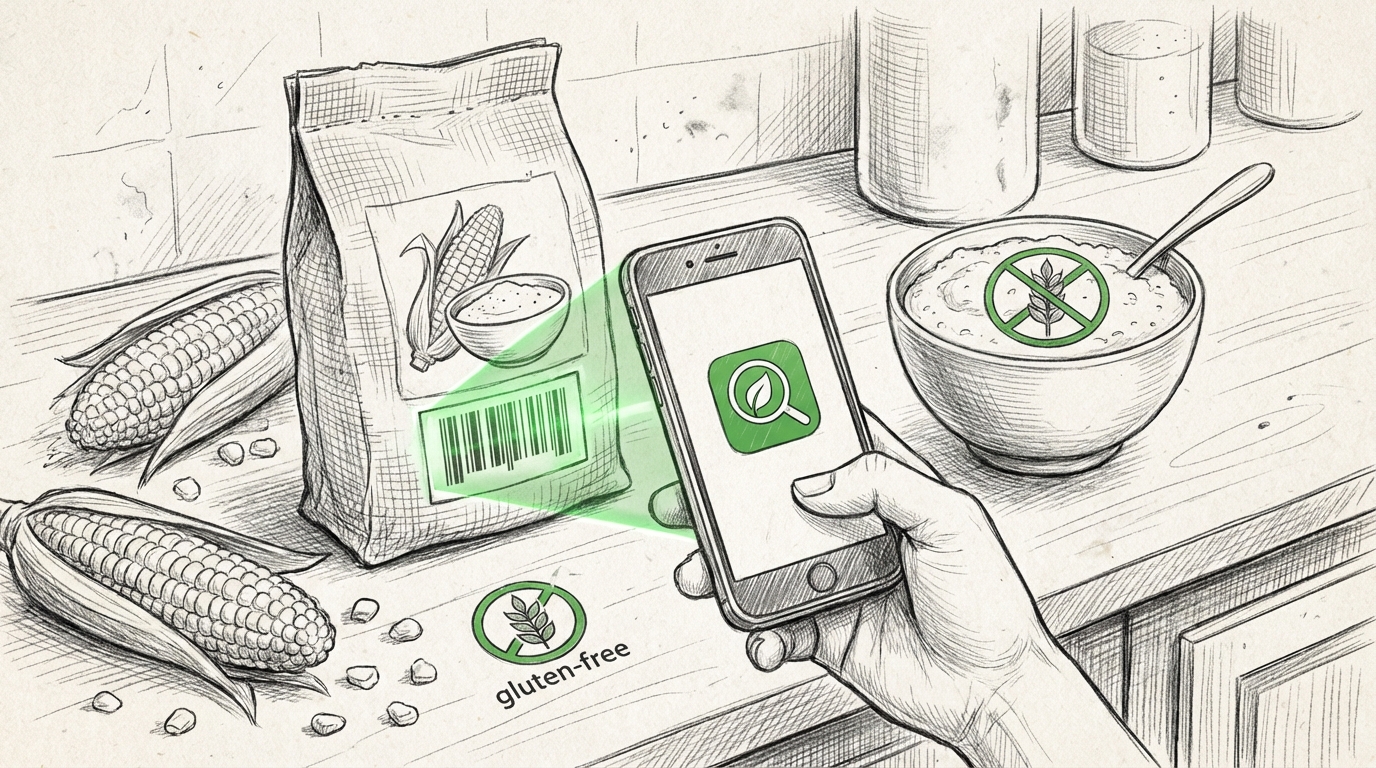
Use a dedicated allergen checker app that scans barcodes to detect gluten, wheat, and other allergens in beer products. These apps identify 13 different allergens, traces, additives, and preservatives like E202 potassium sorbate. Simply scan the beer bottle or can barcode with your smartphone to instantly check if it's safe for your dietary needs. This is especially helpful when shopping at stores or restaurants.
Is gluten free wheat free beer safe for celiac disease?
Most gluten free wheat free beers made from naturally gluten-free grains like sorghum or rice are safe for celiac disease when they contain less than 20 ppm of gluten. However, beers labeled "gluten-removed" or "crafted to remove gluten" may still contain traces and aren't recommended for severe celiac cases. Always verify with an allergen checker app and look for certified gluten-free labels from organizations like GFCO.
What are the best gluten free wheat free beer brands available?
Top gluten free wheat free beer brands include Glutenberg (certified gluten-free), Ground Breaker (100% gluten-free facility), New Planet Beer, and Holidaily Brewing Company. Omission and Stone Delicious IPA use gluten-removal processes but aren't certified gluten-free. These beers offer various styles from IPAs to stouts. Use an allergy checker app to scan specific products and verify they meet your dietary requirements before purchasing.
Can I find gluten free wheat free beer at restaurants that are gluten free friendly?
Yes, restaurants with dedicated gluten-free menus typically stock gluten free wheat free beer options. Popular chains like Chipotle, BJ's Restaurant, and Yard House offer selections. Independent restaurants focusing on allergen-friendly dining often feature local gluten-free breweries. Check restaurant nutrition calculators online or use an allergen checker app to verify ingredients. Always inform servers about your celiac disease or gluten sensitivity to prevent cross-contamination.
What additives and preservatives should I watch for in gluten free wheat free beer?
Common additives in gluten free beer include E202 potassium sorbate (preservative), poly carboxylic acid (stabilizer), and various clarifying agents. While these are generally safe, some people have sensitivities. An allergen checker app can scan barcodes to identify all additives, preservatives, and potential allergens. Look for beers with minimal ingredients and avoid those with hydroxy stearic acid or methane sulfonic acid if you have chemical sensitivities.
How do I verify gluten free wheat free beer ingredients when dining out?
Download an allergen checker app on iOS or Android to scan beer barcodes instantly at restaurants or stores. These apps detect gluten, wheat, and 13 other allergens, plus additives like E202 potassium sorbate. You can also check brewery websites, ask servers for ingredient lists, or use restaurant nutrition calculators. Always double-check labels since formulations can change, and cross-contamination may occur during production or serving.
Understanding Gluten Free Wheat Free Beer: A Comprehensive Guide

For individuals with celiac disease, wheat allergies, or gluten sensitivities, enjoying a cold beer has traditionally been off-limits. Traditional beer is brewed using barley, wheat, or rye—all grains that contain gluten. However, the growing demand for safe alternatives has led to the development of gluten free wheat free beer options that allow everyone to enjoy this beloved beverage without compromising their health.
The market for gluten-free beer has expanded significantly in recent years, offering consumers a variety of brewing methods and grain alternatives. Whether you're managing celiac disease or simply looking to reduce gluten in your diet, understanding what makes beer truly gluten-free and wheat-free is essential for making informed choices.
This comprehensive guide explores everything you need to know about gluten free wheat free beer, from brewing processes to ingredient alternatives, helping you navigate this specialized category with confidence.
What Makes Beer Gluten Free and Wheat Free?

The Difference Between Gluten-Removed and Gluten-Free Beer
Not all beers marketed as "gluten-friendly" are created equal. There's a critical distinction between gluten-removed beer and truly gluten free wheat free beer that consumers need to understand.
Gluten-removed beers are brewed with traditional gluten-containing grains like barley or wheat, then treated with enzymes to break down gluten proteins. While testing may show gluten levels below 20 parts per million (ppm), these beers may still trigger reactions in highly sensitive individuals.
Truly gluten-free beers are brewed exclusively with gluten-free grains from start to finish, eliminating any cross-contamination risk. These are the safest options for people with celiac disease or severe gluten sensitivities.
Certification Standards and Safety
When selecting gluten free wheat free beer, look for official certifications that guarantee safety. The Gluten-Free Certification Organization (GFCO) certifies products containing less than 10 ppm of gluten, which is stricter than the FDA standard of 20 ppm.
Similar to how an allergy checker app helps consumers identify allergens in food products, reading beer labels carefully and understanding certification marks is crucial for avoiding gluten exposure.
Alternative Grains Used in Gluten Free Beer Production

Common Gluten-Free Brewing Grains
Brewers have become increasingly creative with gluten-free alternatives, using various grains and pseudo-grains to create flavorful beers. Here are the most common options:
| Grain/Ingredient | Flavor Profile | Brewing Characteristics |
|---|---|---|
| Sorghum | Slightly sweet, mild | Most common base grain for gluten-free brewing |
| Rice | Light, crisp, clean | Creates lighter-bodied beers |
| Millet | Nutty, slightly sweet | Adds complexity and body |
| Buckwheat | Earthy, robust | Despite the name, contains no wheat |
| Quinoa | Mild, slightly nutty | High in protein and nutrients |
| Corn | Sweet, light | Often used in combination with other grains |
Is Quinoa Gluten Free? Understanding Pseudo-Grains
Many people ask, "is quinoa gluten free?" The answer is yes. Quinoa is a pseudo-grain that's naturally gluten-free and increasingly popular in craft brewing. It provides excellent nutritional value and a unique flavor profile that complements other gluten-free grains.
Similarly, when considering ingredients like cornstarch in beer production or food products, consumers often wonder "is cornstarch gluten free?" Pure cornstarch is naturally gluten-free, though cross-contamination during processing can be a concern. Always check for certified gluten-free labels.
Popular Gluten Free Wheat Free Beer Brands
Top Certified Gluten-Free Beer Options
The market now offers numerous high-quality gluten free wheat free beer options. Here are some leading brands that have earned recognition for taste and safety:
- Ghostfish Brewing Company - Dedicated gluten-free facility producing IPAs, stouts, and lagers
- Ground Breaker Brewing - Uses chestnuts and lentils for unique flavor profiles
- Holidaily Brewing Company - Specializes in traditional beer styles using millet and buckwheat
- Omission Beer - Gluten-removed option (note: not suitable for celiac disease)
- New Planet Beer - Certified gluten-free with multiple style options
- Glutenberg - Award-winning Canadian brewery with various styles
Craft Breweries Leading the Innovation
The craft beer movement has embraced gluten-free brewing, with dedicated facilities ensuring no cross-contamination. These breweries often experiment with unique ingredient combinations, creating beers that rival traditional options in taste and complexity.
Many craft breweries now offer gluten-free options alongside their regular lineup, though dedicated gluten-free facilities provide the highest safety assurance for those with celiac disease.
Nutritional Considerations and Health Benefits
Comparing Nutritional Profiles
Gluten free wheat free beer can vary significantly in nutritional content depending on the grains used. Generally, these beers contain similar calorie counts to traditional beer, ranging from 120-180 calories per 12-ounce serving.
Just as consumers use tools like a chipotle nutrition calculator to track their dietary intake when dining out, it's important to check nutritional information for gluten-free beers, as some varieties may be higher in carbohydrates.
| Nutritional Aspect | Traditional Beer | Gluten-Free Beer |
|---|---|---|
| Calories (per 12 oz) | 140-160 | 120-180 |
| Carbohydrates | 10-15g | 12-18g |
| Protein | 1-2g | 0.5-1.5g |
| Gluten Content | High | Less than 20 ppm (certified) |
Health Considerations for Sensitive Individuals
For people with celiac disease or gluten sensitivities, choosing truly gluten free wheat free beer is not just a preference—it's a medical necessity. Even small amounts of gluten can trigger immune responses and intestinal damage in celiac patients.
Using tools like a food allergy app can help you scan products and identify potential allergens, though beer selection requires specific attention to gluten-free certifications.
Additives and Preservatives in Gluten-Free Beer
Common Beer Additives to Watch For
Beyond gluten concerns, health-conscious consumers should be aware of additives and preservatives used in beer production. Some gluten-free beers contain stabilizers and preservatives that may cause sensitivities in certain individuals.
E202 potassium sorbate is a common preservative used in some beers to prevent yeast and mold growth. While generally recognized as safe, some individuals may prefer to avoid synthetic preservatives.
Other additives that may appear in beer include:
- Poly carboxylic acid - Sometimes used in brewing processes for pH adjustment
- Methane sulfonic acid - Occasionally used in cleaning equipment (should not appear in final product)
- Hydroxy stearic acid - May be present in trace amounts from processing equipment
Reading Labels and Ingredient Lists
Just as you would check ingredients when seeking gluten free dairy free snacks, carefully reviewing beer labels helps you avoid unwanted additives. Many craft gluten-free beers pride themselves on using only natural ingredients without artificial preservatives.
The Nutrict food allergy scanner app makes it easy to identify allergens and additives in packaged foods, helping you make informed decisions about what you consume.
Where to Find Gluten Free Wheat Free Beer
Retail Locations and Online Options
Finding gluten free wheat free beer has become easier as demand increases. Here's where to look:
- Specialty grocery stores - Whole Foods, Sprouts, and natural food markets typically carry multiple options
- Major retailers - Many mainstream grocery chains now stock gluten-free beer sections
- Online retailers - Websites specializing in gluten-free products offer extensive selections
- Local breweries - Many craft breweries now produce gluten-free options
- Liquor stores - Well-stocked stores often carry specialty gluten-free beers
Dining Out: Restaurants That Are Gluten Free Friendly
When searching for restaurants that are gluten free, it's worth asking about their beer selection. Many establishments now offer gluten-free beer options to accommodate dietary restrictions.
Call ahead to confirm availability, as not all restaurants stock gluten-free beer despite having gluten-free food options. Some dedicated gluten-free restaurants and brewpubs offer the most extensive selections.
Pairing Gluten Free Beer with Food
Complementary Food Combinations
Gluten free wheat free beer pairs wonderfully with various foods, enhancing your dining experience. Consider these pairing suggestions:
| Beer Style | Best Food Pairings | Why It Works |
|---|---|---|
| Gluten-Free IPA | Spicy foods, grilled meats, sharp cheeses | Hoppy bitterness cuts through rich flavors |
| Gluten-Free Lager | Seafood, salads, light pasta dishes | Clean, crisp profile complements delicate flavors |
| Gluten-Free Stout | Chocolate desserts, grilled vegetables, stews | Rich, roasted notes enhance hearty dishes |
| Gluten-Free Pale Ale | Burgers, pizza, roasted chicken | Balanced flavor works with diverse foods |
Snack Pairings for Beer Enthusiasts
When enjoying gluten free wheat free beer, pair it with appropriate snacks. Look for healthy snack ideas for weight loss that are also gluten-free, such as vegetable crudités with hummus, rice crackers with guacamole, or roasted chickpeas.
For more comprehensive snack options, check out this guide on gluten free dairy free snacks that pair perfectly with your favorite gluten-free beer.
Brewing Your Own Gluten Free Beer at Home
Getting Started with Homebrewing
For enthusiasts interested in creating their own gluten free wheat free beer, homebrewing offers creative control and cost savings. Here's what you need to know:
Essential equipment includes:
- Dedicated gluten-free brewing equipment (to avoid cross-contamination)
- Fermentation vessel (glass carboy or food-grade plastic bucket)
- Airlock and stopper
- Bottling equipment or kegging system
- Sanitizing solution
- Thermometer and hydrometer
Recipe Considerations and Tips
Gluten-free brewing requires adjustments to traditional recipes. Gluten-free grains lack the proteins that provide body and head retention in traditional beer, so brewers often add ingredients like rice hulls or specialty enzymes.
Start with extract-based recipes before moving to all-grain brewing. Many homebrew supply stores now carry gluten-free malt extracts made from sorghum or rice, making the process more accessible for beginners.
Key brewing tips:
- Use enzymes specifically designed for gluten-free brewing to improve fermentation
- Add body-enhancing ingredients like maltodextrin or oat fiber (certified gluten-free)
- Experiment with different grain combinations to find your preferred flavor profile
- Allow longer fermentation times as gluten-free grains may ferment differently
- Test your finished beer with gluten test strips if brewing for celiac disease
Managing Celiac Disease and Beer Consumption
Understanding Celiac Disease Requirements
For individuals with celiac disease, consuming gluten triggers an autoimmune response that damages the small intestine. Even trace amounts can cause harm, making it crucial to choose only certified gluten free wheat free beer.
The threshold for safety is generally accepted as less than 20 parts per million (ppm) of gluten, though some organizations recommend even stricter limits. Always verify that beer carries proper gluten-free certification rather than just "gluten-removed" labeling.
Cross-Contamination Concerns
Cross-contamination can occur at various points in the beer production and serving process. Be aware of these potential issues:
- Shared brewing equipment with gluten-containing beers
- Tap lines at bars that serve both regular and gluten-free beer
- Storage facilities that handle multiple beer types
- Glassware that may have been used for regular beer
When ordering at restaurants or bars, request that your gluten-free beer be served in a clean glass that hasn't been used for regular beer, and ask if it's available in bottles or cans rather than on tap.
The Future of Gluten Free Beer Innovation
Emerging Trends and Technologies
The gluten-free beer industry continues to evolve with new brewing techniques and ingredient innovations. Recent developments include:
- Novel grain varieties - Brewers are experimenting with ancient grains and pseudo-cereals
- Improved enzyme technology - Better enzymes enhance flavor and mouthfeel
- Hybrid brewing methods - Combining traditional and modern techniques
- Sustainability focus - Using locally-sourced, organic gluten-free grains
Market Growth and Consumer Demand
The global gluten-free beer market is experiencing significant growth, driven by increased awareness of celiac disease and gluten sensitivity. More breweries are investing in dedicated gluten-free facilities, ensuring safer products and better quality.
This expansion means consumers now have access to a wider variety of styles, from traditional lagers and ales to innovative sour beers and barrel-aged options, all made without gluten or wheat.
Making Informed Choices About Gluten Free Beer
Key Factors to Consider
When selecting gluten free wheat free beer, consider these important factors to ensure you're making the best choice for your health and preferences:
| Factor | What to Look For | Why It Matters |
|---|---|---|
| Certification | GFCO or similar third-party certification | Guarantees gluten content below safe thresholds |
| Brewing Method | Dedicated gluten-free facility vs. gluten-removed | Eliminates cross-contamination risk |
| Ingredients | Specific grains used (sorghum, rice, millet, etc.) | Affects flavor profile and nutritional content |
| Additives | Natural ingredients vs. preservatives | Important for those avoiding synthetic additives |
| Taste Profile | Style preferences (IPA, lager, stout, etc.) | Ensures enjoyment and satisfaction |
Using Technology to Stay Safe
Modern technology makes managing food allergies and sensitivities easier than ever. The Nutrict app allows you to scan product barcodes and quickly identify allergens, additives, and preservatives, helping you make informed decisions about what you consume.
Whether you're shopping for beer or looking for safe food options at the grocery store, having an allergy checker app on your smartphone provides peace of mind and helps you avoid potentially harmful ingredients.
Conclusion: Enjoying Beer Safely and Deliciously
The availability of high-quality gluten free wheat free beer has transformed the landscape for individuals with celiac disease, gluten sensitivities, and wheat allergies. No longer do these dietary restrictions mean sacrificing the pleasure of enjoying a cold beer with friends or pairing the perfect brew with your favorite meal.
From sorghum-based lagers to millet IPAs and quinoa stouts, the variety and quality of gluten-free beer options continue to improve. By understanding the difference between truly gluten-free and gluten-removed beers, reading labels carefully, and choosing certified products, you can safely enjoy this beloved beverage without compromising your health.
Remember to always verify certifications, ask questions at restaurants and bars, and stay informed about new products entering the market. Whether you're managing celiac disease or simply choosing to reduce gluten in your diet, the world of gluten free wheat free beer offers something for everyone.
Take control of your dietary choices and never worry about hidden allergens again. Download the Nutrict app today to scan products, identify allergens instantly, and discover safe food and beverage options that fit your lifestyle. With Nutrict, you can confidently navigate grocery stores, restaurants, and social gatherings, knowing exactly what's in everything you consume.
Article created using IntentRank