Are Rice Krispies Gluten Free? The Truth About Allergens
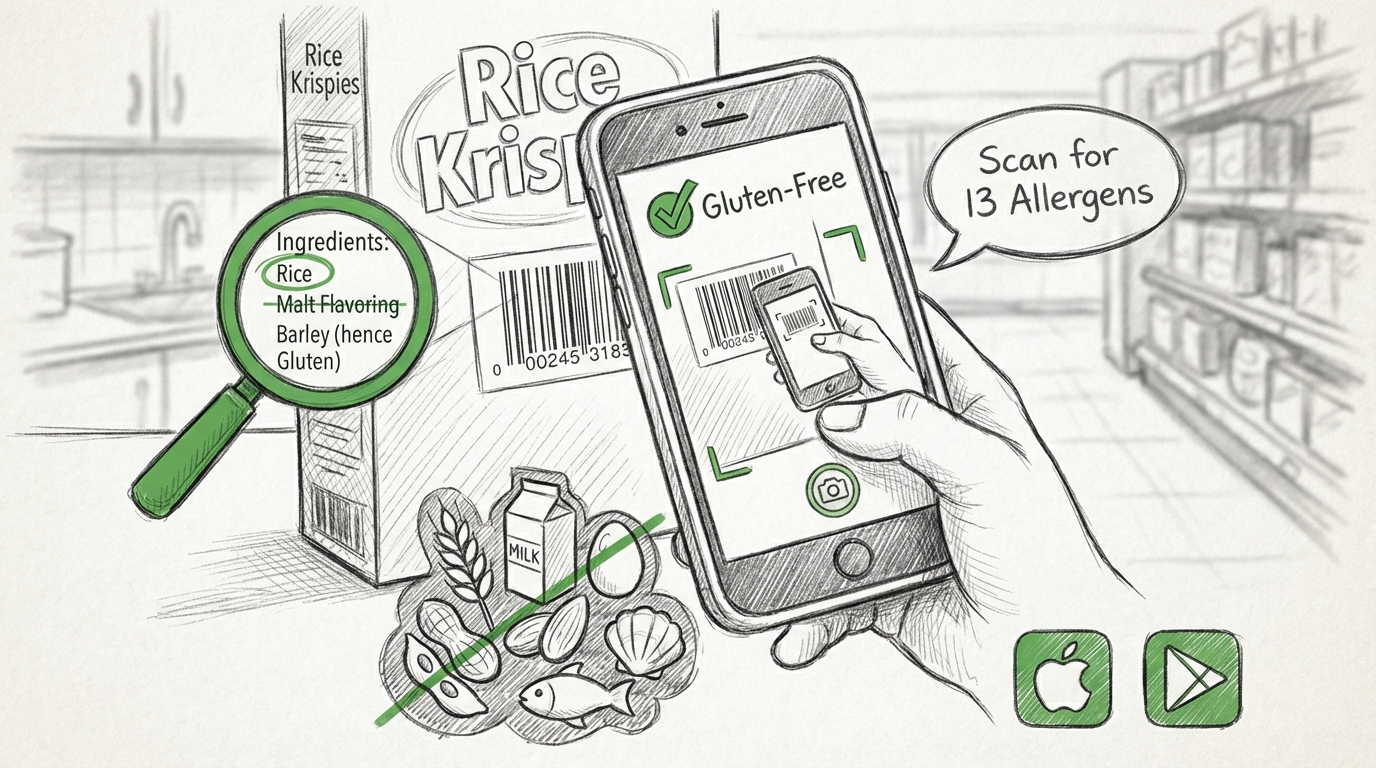
TL;DR: Original Rice Krispies are not gluten-free as they contain malt flavoring derived from barley. However, Kellogg's offers gluten-free Rice Krispies made with brown rice syrup instead of malt. Always check product labels or use allergen scanning apps to verify gluten-free status, as formulations vary by region and may contain cross-contamination risks.
Frequently Asked Questions

Are Rice Krispies gluten free?
Original Rice Krispies cereal in the United States is not gluten free. While rice itself is naturally gluten free, Kellogg's Rice Krispies contain malt flavoring derived from barley, which contains gluten. However, Kellogg's does produce a specifically labeled Gluten Free Rice Krispies variety made without malt flavoring, which is safe for people with celiac disease or gluten sensitivity.
What ingredients in Rice Krispies contain gluten?
The primary gluten-containing ingredient in regular Rice Krispies is malt flavoring, which is derived from barley. Barley is one of the three main gluten-containing grains, along with wheat and rye. This malt flavoring gives Rice Krispies their distinctive taste but makes the original version unsafe for those following a gluten-free diet or managing celiac disease.
How can I identify gluten free Rice Krispies at the store?
Look for the box clearly labeled "Gluten Free Rice Krispies" with a gluten-free certification symbol on the packaging. You can also use an allergy checker app to scan the barcode and verify the product is gluten free. The gluten-free version uses different ingredients and will explicitly state "gluten free" on the front of the box, distinguishing it from regular Rice Krispies.
What is malt flavoring and why does it contain gluten?
Malt flavoring is a sweetener and flavoring agent derived from barley grain that has been sprouted, dried, and processed. Since barley is a gluten-containing grain, any product with malt flavoring contains gluten. It's commonly used in cereals, including regular Rice Krispies, to enhance flavor and sweetness, making these products unsuitable for gluten-free diets.
Can people with celiac disease eat gluten free Rice Krispies?
Yes, people with celiac disease can safely eat Kellogg's Gluten Free Rice Krispies, which are specifically formulated without malt flavoring or other gluten-containing ingredients. These are certified gluten free and meet FDA standards of containing less than 20 parts per million of gluten. Always verify the packaging says "gluten free" and consider using an allergy checker app to confirm product safety.
What are the differences between regular and gluten free Rice Krispies?
The main difference is that regular Rice Krispies contain malt flavoring from barley, while gluten free Rice Krispies use alternative flavorings without gluten. Both versions are made primarily from rice, but the gluten-free variety is specially processed in dedicated facilities to prevent cross-contamination. The taste and texture are very similar, though some people notice a slight difference in sweetness.
How can an allergy checker app help identify gluten in Rice Krispies?
An allergy checker app allows you to scan product barcodes to instantly detect gluten and other allergens in Rice Krispies and similar products. These apps identify ingredients like malt flavoring, traces of wheat, and cross-contamination risks. Available on iOS and Android, they help you quickly determine which Rice Krispies varieties are safe for your gluten-free diet without reading lengthy ingredient labels.
Are there other gluten free cereals similar to Rice Krispies?
Yes, several brands offer gluten free crispy rice cereals similar to Rice Krispies, including Nature's Path Crispy Rice, Barbara's Brown Rice Crisps, and store brands certified gluten free. Additionally, many manufacturers now produce gluten free versions of popular cereals, similar to gluten free Cheese-Its and gluten free wheat free beer options. Always verify certification and use an allergy checker app to confirm products meet your dietary needs.
Understanding Rice Krispies and Gluten: What You Need to Know

If you're wondering are Rice Krispies gluten free, you're not alone. This beloved breakfast cereal has been a pantry staple for generations, but for those with celiac disease or gluten sensitivities, understanding its ingredients is crucial. The answer isn't as straightforward as you might hope, and navigating the world of gluten-free cereals requires careful attention to labels and ingredients.
Rice Krispies are made primarily from rice, which is naturally gluten-free. However, the traditional Kellogg's Rice Krispies contain malt flavoring derived from barley, a gluten-containing grain. This means that standard Rice Krispies are not safe for those following a strict gluten-free diet.
Understanding which products are safe requires vigilance and often the help of modern technology. An allergy checker app can simplify this process by scanning barcodes and instantly identifying allergens, including gluten, in thousands of products.
The Gluten Problem in Traditional Rice Krispies

Why Rice Krispies Contain Gluten
The primary culprit behind gluten in Rice Krispies is malt flavoring. Malt is typically derived from barley, one of the three main gluten-containing grains alongside wheat and rye. Even though rice itself is gluten-free, the addition of barley malt means the final product contains gluten.
Here's what makes traditional Rice Krispies problematic for gluten-sensitive individuals:
- Barley malt flavoring is a core ingredient in the original recipe
- Cross-contamination can occur during manufacturing processes
- The gluten content, while relatively small, is enough to trigger reactions in sensitive individuals
- No gluten-free certification exists for standard Rice Krispies products
Gluten Thresholds and Sensitivity Levels
For individuals with celiac disease, even trace amounts of gluten can cause intestinal damage and uncomfortable symptoms. The FDA requires products labeled "gluten-free" to contain less than 20 parts per million (ppm) of gluten. Traditional Rice Krispies exceed this threshold due to their barley malt content.
| Condition | Safe Gluten Level | Traditional Rice Krispies Safe? |
|---|---|---|
| Celiac Disease | Less than 20 ppm | No |
| Non-Celiac Gluten Sensitivity | Varies by individual | Generally No |
| Wheat Allergy | Zero wheat protein | Depends on formulation |
| No Gluten Issues | No restriction | Yes |
Gluten-Free Rice Krispies: Available Options
Kellogg's Gluten-Free Rice Krispies
Good news for cereal lovers: Kellogg's does manufacture a gluten-free version of Rice Krispies. These specially formulated cereals replace barley malt with gluten-free ingredients while maintaining the classic taste and texture that fans love.
Key features of gluten-free Rice Krispies include:
- Made with whole grain brown rice instead of white rice
- Uses gluten-free flavorings and sweeteners
- Clearly labeled with "Gluten-Free" certification on the package
- Contains less than 20 ppm of gluten, meeting FDA standards
- Manufactured in dedicated gluten-free facilities to prevent cross-contamination
How to Identify Gluten-Free Versions
When shopping for safe Rice Krispies, look for these indicators on the packaging:
- A prominent "Gluten-Free" label on the front of the box
- Certification symbols from recognized gluten-free organizations
- Ingredient lists that exclude barley malt, wheat, and rye
- Brown rice listed as the primary ingredient
Using a food allergy app can make this identification process instant and foolproof, scanning barcodes to detect gluten and 12 other common allergens in seconds.
Alternative Gluten-Free Crispy Rice Cereals
Store Brand Options
Many grocery chains now offer their own gluten-free crispy rice cereals that rival the taste and texture of Rice Krispies. These alternatives often come at a lower price point while maintaining strict gluten-free standards.
Popular store brands include:
- Nature's Path Crispy Rice cereal (organic and gluten-free certified)
- Whole Foods 365 Organic Crispy Rice
- Trader Joe's Gluten-Free Rice Krispies alternative
- Erewhon Crispy Brown Rice cereal
- Barbara's Brown Rice Crisps
Specialty Gluten-Free Brands
Several companies specialize in gluten-free products and offer excellent crispy rice cereal options. These brands often go beyond basic gluten-free certification, avoiding other common allergens as well.
| Brand | Additional Certifications | Primary Grain | Average Price |
|---|---|---|---|
| Kellogg's Gluten-Free Rice Krispies | Gluten-Free | Brown Rice | $$ |
| Nature's Path Crispy Rice | Organic, Gluten-Free, Non-GMO | Brown Rice | $$$ |
| Barbara's Brown Rice Crisps | Gluten-Free, Non-GMO | Brown Rice | $$ |
| Erewhon Crispy Brown Rice | Organic, Gluten-Free | Brown Rice | $$$ |
Reading Labels and Avoiding Hidden Gluten
Ingredients to Watch For
Beyond obvious gluten sources like wheat, barley, and rye, several ingredients can hide gluten in processed foods. When checking cereal labels, be aware of these potential gluten-containing additives:
- Malt flavoring or malt syrup (usually from barley)
- Modified food starch (if not specified as corn or potato-based)
- Natural flavoring (can sometimes contain gluten)
- Hydroxy stearic acid (used as an emulsifier, typically gluten-free but verify source)
- Poly carboxylic acid (a stabilizer that's generally safe but requires verification)
Cross-Contamination Concerns
Even products made with gluten-free ingredients can become contaminated during manufacturing. Shared equipment and facilities can introduce trace amounts of gluten that affect sensitive individuals.
Questions to consider when evaluating cross-contamination risk:
- Is the product manufactured in a dedicated gluten-free facility?
- Does the company test for gluten content in finished products?
- Are there "may contain" warnings on the label?
- Has the brand received third-party gluten-free certification?
Nutritional Comparison: Traditional vs. Gluten-Free Rice Krispies
Macronutrient Breakdown
Interestingly, gluten-free Rice Krispies often have a slightly different nutritional profile compared to their traditional counterparts. The use of whole grain brown rice instead of white rice increases fiber content and provides additional nutrients.
| Nutrient | Traditional Rice Krispies | Gluten-Free Rice Krispies |
|---|---|---|
| Calories | 130 | 140 |
| Total Carbohydrates | 29g | 32g |
| Dietary Fiber | 0g | 1g |
| Sugars | 4g | 3g |
| Protein | 2g | 2g |
| Iron | 45% DV | 25% DV |
Vitamin and Mineral Content
Both versions are fortified with essential vitamins and minerals, though the specific amounts may vary. Traditional Rice Krispies often contain higher levels of added iron and B vitamins due to enrichment processes.
For those tracking nutrition information for multiple food items, tools like a chipotle nutrition calculator or chipotle nutrition info database can help maintain dietary balance when combining different foods throughout the day.
Making Rice Krispies Treats Gluten-Free
Essential Ingredient Swaps
Rice Krispies treats are a beloved dessert, and making them gluten-free is surprisingly simple once you have the right cereal. However, other ingredients also require attention to ensure the final product is completely safe.
Key considerations for gluten-free Rice Krispies treats:
- Use certified gluten-free Rice Krispies or alternative crispy rice cereal
- Verify that marshmallows are gluten-free (most major brands are, but always check)
- Use butter or gluten-free margarine (avoid products with added flavorings that may contain gluten)
- Check any add-ins like chocolate chips, candy pieces, or food coloring for gluten content
Recipe Modifications
The basic recipe remains unchanged when using gluten-free ingredients. The ratio of 3 tablespoons butter, 4 cups marshmallows, and 6 cups cereal produces the same delicious results with gluten-free versions.
For those seeking other gluten-free snack options, explore resources on gluten free dairy free snacks to expand your safe food repertoire.
Understanding Food Additives in Gluten-Free Cereals
Common Additives and Their Safety
Gluten-free cereals often contain various additives to maintain texture, freshness, and nutritional value. Understanding these ingredients helps you make informed choices about what you consume.
Common additives in gluten-free Rice Krispies include:
- Methane sulfonic acid: Used in some processing methods, though rarely listed directly on consumer labels
- Ascorbic acid (Vitamin C): Added for preservation and nutritional fortification
- Mixed tocopherols: Natural preservatives derived from vitamin E
- Natural and artificial flavors: Must be gluten-free in certified products
Preservatives and Shelf Stability
Gluten-free cereals may have shorter shelf lives than traditional versions due to the use of whole grains and fewer synthetic preservatives. Store opened boxes in airtight containers to maintain freshness and prevent moisture absorption.
Shopping Strategies for Gluten-Free Consumers
Where to Find Gluten-Free Rice Krispies
Gluten-free Rice Krispies and alternatives are increasingly available, but knowing where to look saves time and frustration. Most major grocery chains now stock gluten-free cereals in dedicated sections or alongside traditional options.
Best places to shop for gluten-free cereals:
- Health food stores and natural grocers (Whole Foods, Sprouts, Natural Grocers)
- Major supermarket chains in gluten-free or health food aisles
- Online retailers like Amazon, Thrive Market, and Vitacost
- Specialty gluten-free stores and bakeries
- Direct from manufacturer websites
Cost Considerations
Gluten-free products typically cost 20-50% more than conventional alternatives. However, prices have decreased as demand has increased and more brands enter the market.
Money-saving tips for gluten-free shopping:
- Buy in bulk when products are on sale
- Compare store brands to name brands
- Use manufacturer coupons and store loyalty programs
- Purchase online during promotional periods
- Consider subscription services for regular deliveries at discounted rates
Related Gluten-Free Product Considerations
Expanding Your Gluten-Free Options
Once you've mastered identifying safe Rice Krispies, you can apply the same principles to other products. Many consumers with gluten sensitivities also seek alternatives in other food categories.
For example, if you're looking for gluten free cheese-its or similar snack crackers, the same label-reading skills apply. Similarly, those interested in gluten free wheat free beer options can use comparable strategies to identify safe alcoholic beverages made from alternative grains like sorghum or rice.
Understanding Cross-Reactive Foods
Some individuals with celiac disease or gluten sensitivity also react to other grains due to cross-reactivity. While rice is generally well-tolerated, it's important to monitor your individual response to different gluten-free products.
For comprehensive information on other common foods, resources like English muffin nutrition info or is Ezekiel bread gluten free can help you navigate your dietary needs.
Technology Solutions for Allergen Detection
Mobile Apps for Instant Ingredient Checking
Managing food allergies and sensitivities has become significantly easier with smartphone technology. Modern allergy checker apps allow you to scan product barcodes and instantly receive detailed allergen information.
Benefits of using an allergy detection app:
- Instant barcode scanning identifies allergens in seconds
- Comprehensive databases covering thousands of products
- Detection of 13+ common allergens including gluten
- Identification of traces, additives, and preservatives
- Personalized allergen profiles for family members
- Regular updates as product formulations change
Why Digital Tools Matter
Reading every ingredient label carefully takes time and expertise. Ingredients like hydroxy stearic acid, poly carboxylic acid, or methane sulfonic acid may be unfamiliar, making it difficult to assess safety without research.
An allergy checker app eliminates guesswork by providing instant, accurate information based on comprehensive databases and regular updates from manufacturers.
Maintaining a Balanced Gluten-Free Diet
Nutritional Considerations Beyond Gluten
While focusing on gluten-free options is essential for those with celiac disease or gluten sensitivity, it's equally important to maintain overall nutritional balance. Gluten-free products aren't automatically healthier and may lack certain nutrients found in fortified wheat products.
Key nutritional considerations:
- Ensure adequate fiber intake from fruits, vegetables, and whole gluten-free grains
- Monitor iron and B-vitamin levels, as gluten-free products may contain less fortification
- Include diverse protein sources to support overall health
- Balance processed gluten-free foods with whole, naturally gluten-free options
Tracking Nutrition Across Meals
When managing dietary restrictions, tracking nutrition becomes more complex. Tools like a chipotle nutrition calculator or chipotle nutrition info resource can help you understand the complete nutritional picture when dining out or preparing meals.
For insights on other common foods, check resources like corn on the cob calories or is Yoplait yogurt healthy to make informed choices across your entire diet.
Conclusion: Making Informed Choices About Rice Krispies and Gluten
The question "are Rice Krispies gluten free" has a nuanced answer: traditional Kellogg's Rice Krispies contain gluten due to barley malt flavoring, but certified gluten-free versions are readily available. For those with celiac disease or gluten sensitivity, choosing the right product is not just about preference—it's about health and safety.
By understanding label reading, recognizing hidden gluten sources, and utilizing modern technology, you can confidently navigate the cereal aisle and enjoy crispy rice cereals without compromising your health. Remember to always verify gluten-free certification, check for cross-contamination warnings, and stay informed about ingredient changes.
Managing food allergies and dietary restrictions doesn't have to be overwhelming. Take control of your food choices with confidence by using Nutrict's food allergy scanner app. Simply scan product barcodes to instantly detect gluten and 12 other common allergens, traces, additives, and preservatives. Available on both iOS and Android, Nutrict makes grocery shopping safer, faster, and stress-free for you and your family. Download Nutrict today and transform the way you shop for safe, allergen-free foods.
Article created using IntentRank