Rice Cakes Nutrition Facts: Calories, Carbs & Health Benefit
TL;DR: Rice cakes nutrition facts show they are low-calorie snacks containing 35-60 calories per cake, primarily from carbohydrates. They provide minimal protein, fat, and fiber but are naturally gluten-free and low in sodium. Plain rice cakes offer few nutrients, though some varieties include added vitamins, minerals, or whole grains for enhanced nutritional value.
Understanding rice cakes nutrition facts is essential for anyone managing food allergies, dietary restrictions, or simply seeking healthier snack alternatives. These light, crispy discs have become a staple in many households, but their nutritional profile and potential allergen content deserve closer examination.
Rice cakes offer a convenient, portable option for people with celiac disease, gluten sensitivities, and various food allergies. However, not all rice cakes are created equal, and knowing what's inside each product can make the difference between a safe snack and an allergic reaction.
This comprehensive guide breaks down everything you need to know about rice cakes—from basic nutritional information to hidden allergens and additives that might be lurking in your favorite brands.
Frequently Asked Questions

What are the nutrition facts for rice cakes?
A typical plain rice cake (9g) contains approximately 35 calories, 7g of carbohydrates, 0.7g of protein, and 0.3g of fat. Rice cakes are naturally low in sodium (around 30mg) and provide minimal amounts of fiber (0.4g). They're fat-free, cholesterol-free, and gluten-free, making them suitable for various dietary restrictions. Flavored varieties may contain additional calories, sugars, and sodium.
Are rice cakes gluten-free and safe for people with allergies?
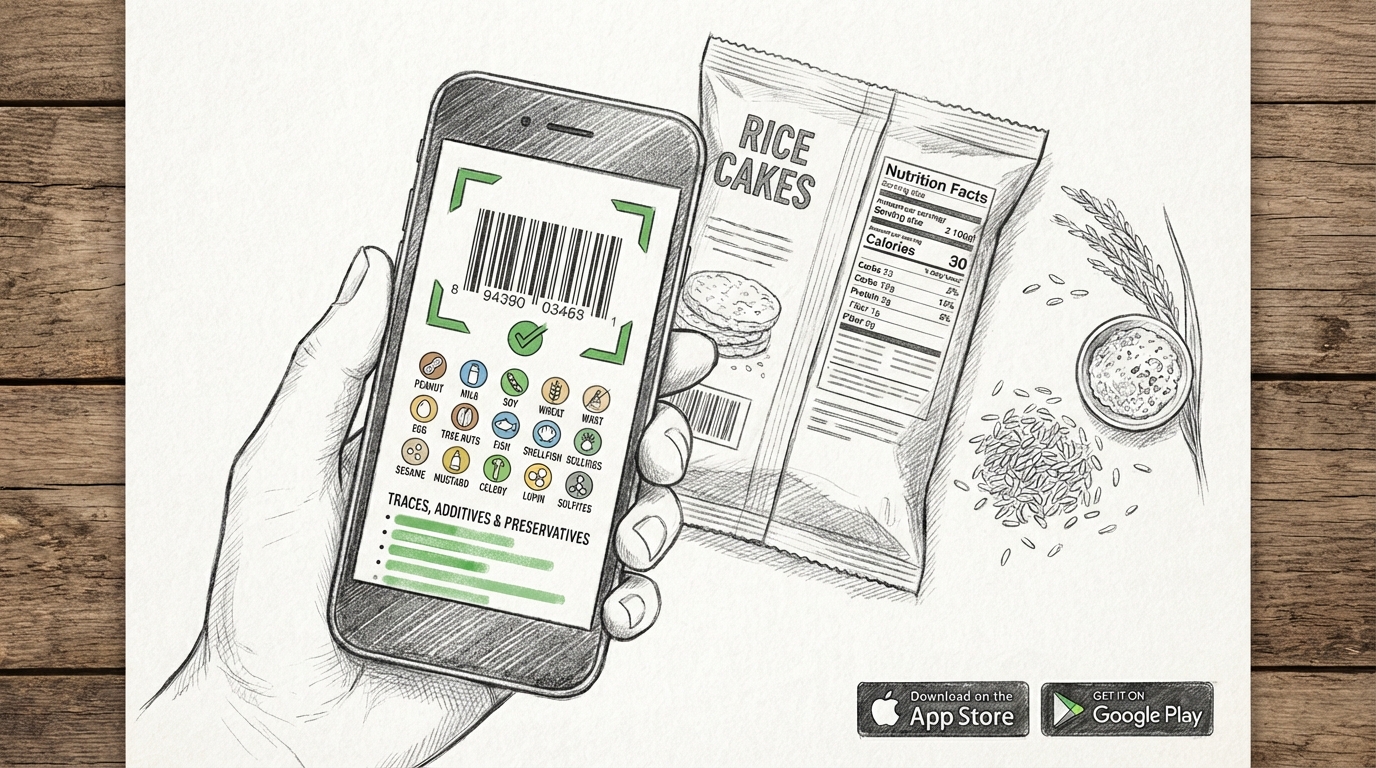
Rice cakes are naturally gluten-free since they're made from rice, not wheat. However, cross-contamination can occur during manufacturing. People with celiac disease or gluten sensitivity should look for certified gluten-free labels. Using an allergy checker app to scan product barcodes can help identify potential allergens, traces, and additives in specific rice cake brands to ensure safety.
How many calories are in different types of rice cakes?
Plain rice cakes contain 35-40 calories per cake, while flavored varieties range from 45-60 calories. Chocolate-covered rice cakes can have 60-80 calories each. Mini rice cakes contain approximately 15-20 calories per piece. Brown rice cakes and white rice cakes have similar calorie counts. The calorie content varies based on size, thickness, and added ingredients like seasonings or coatings.
Do rice cakes contain any allergens or additives?
Plain rice cakes typically contain minimal ingredients—just rice and sometimes salt. However, flavored varieties may include allergens like milk, soy, or tree nuts. Some brands add preservatives, artificial flavors, or sweeteners. Rice cakes may contain traces of other allergens due to shared manufacturing facilities. Using an allergy checker app to scan barcodes helps detect 13 different allergens, traces, additives, and preservatives in specific products.
What is the carbohydrate and fiber content in rice cakes?
A standard rice cake contains approximately 7-8 grams of carbohydrates, with less than 1 gram of dietary fiber (0.4-0.8g). The high carbohydrate-to-fiber ratio means rice cakes have a high glycemic index, causing rapid blood sugar spikes. Brown rice cakes offer slightly more fiber than white rice varieties. For better satiety and blood sugar control, pair rice cakes with protein or healthy fats.
Are rice cakes a healthy snack option for weight loss?
Rice cakes are low in calories (35-40 per cake) and fat-free, which appeals to dieters. However, they're also low in protein, fiber, and nutrients, providing minimal satiety. Their high glycemic index can trigger hunger shortly after eating. For effective weight loss, top rice cakes with protein-rich foods like nut butter, hummus, or avocado to improve nutritional value and increase fullness.
How do brown rice cakes compare to white rice cakes nutritionally?
Brown rice cakes contain slightly more fiber (0.8g vs 0.4g), protein, and micronutrients like magnesium and B vitamins compared to white rice cakes. Both have similar calorie counts (35-40 per cake). Brown rice cakes have a marginally lower glycemic index due to higher fiber content. The nutritional differences are modest, but brown rice cakes offer more whole grain benefits and nutrients overall.
Can I use a nutrition calculator to track rice cakes in my diet?
Yes, nutrition calculators and food tracking apps allow you to log rice cakes and monitor their contribution to your daily intake. Many apps include barcode scanning features to automatically input accurate nutrition facts. Some allergy checker apps also provide nutritional information while scanning for allergens, additives, and preservatives. This helps you track calories, carbohydrates, and other macronutrients while ensuring products meet your dietary requirements.
Rice Cakes Nutrition Facts: The Complete Breakdown

Rice cakes are primarily made from puffed rice grains that are compressed under high pressure and heat. The basic nutritional profile varies depending on the brand, flavoring, and additional ingredients used during manufacturing.
Basic Nutritional Content per Plain Rice Cake
| Nutrient | Amount per Cake (9g) | % Daily Value |
|---|---|---|
| Calories | 35 | 2% |
| Total Fat | 0.3g | 0% |
| Sodium | 29mg | 1% |
| Total Carbohydrates | 7g | 3% |
| Dietary Fiber | 0.4g | 1% |
| Protein | 0.7g | 1% |
Plain rice cakes are remarkably low in calories, making them an attractive option for weight management. However, their minimal protein and fiber content means they won't keep you satisfied for long periods.
Macronutrient Distribution
The macronutrient profile of rice cakes is heavily skewed toward carbohydrates, with minimal fat and protein. This composition makes them a quick energy source but not ideal as a standalone meal or substantial snack.
- Carbohydrates: Approximately 80% of total calories come from carbs, primarily in the form of simple starches
- Protein: Less than 10% of calories, insufficient for muscle maintenance or satiety
- Fat: Nearly negligible, with most plain varieties containing less than 1 gram per serving
- Fiber: Minimal amounts unless made with brown rice or added whole grains
Common Allergens Found in Rice Cakes

While rice cakes seem like a safe option for people with food allergies, many commercial varieties contain unexpected allergens or are processed in facilities that handle common allergens. Using an allergy checker app can help you quickly identify potential risks before purchasing.
Primary Allergen Concerns
Plain rice cakes made solely from rice and salt are generally safe for most people with food allergies. However, flavored varieties and those with added ingredients pose significant risks.
| Allergen | Common Sources in Rice Cakes | Risk Level |
|---|---|---|
| Milk/Dairy | Cheese flavoring, butter seasoning, whey powder | High |
| Soy | Soy lecithin, soy oil, soy protein | Medium |
| Tree Nuts | Almond flavoring, cashew pieces, nut oils | Medium |
| Sesame | Sesame seeds, sesame oil | Low-Medium |
| Wheat | Cross-contamination, added wheat flour | Low |
Parents managing children's dietary restrictions should be particularly vigilant about checking labels. A food allergy app that scans barcodes can detect these 13 different allergens instantly, making grocery shopping safer and more efficient.
Cross-Contamination Risks
Manufacturing facilities often process multiple products on shared equipment. Even if rice cakes don't contain allergens in their ingredient list, they may carry warnings like "may contain traces of milk, soy, or tree nuts."
For individuals with severe allergies, these warnings shouldn't be ignored. Cross-contamination can occur during any stage of production, from raw material handling to packaging.
Hidden Additives and Preservatives in Rice Cakes
Beyond the primary ingredients, many rice cake manufacturers add various chemicals to enhance flavor, texture, and shelf life. Health-conscious consumers avoiding additives and preservatives need to understand what these substances are and their potential effects.
Common Chemical Additives
While not as prevalent as in other processed foods, rice cakes can contain several additives that deserve attention:
- Hydroxy stearic acid: Sometimes used as an emulsifier or stabilizer in flavored varieties to improve texture and prevent separation of ingredients
- Methane sulfonic acid: Occasionally used in food processing as a catalyst or pH regulator, though rarely listed directly on consumer labels
- Poly carboxylic acid: May appear in certain formulations as a preservative or acidity regulator, particularly in products with extended shelf life
- Natural and artificial flavors: Vague terms that can hide numerous chemical compounds
- Maltodextrin: A processed carbohydrate often used as a filler or to enhance texture
Reading ingredient labels carefully is crucial. If you're trying to avoid specific additives, look for brands that use minimal processing and clearly list all ingredients without hiding behind umbrella terms like "natural flavors."
Preservatives to Watch For
Some rice cake brands add preservatives to extend shelf life, though this is less common than in other snack foods due to the low moisture content of rice cakes:
- BHA (Butylated Hydroxyanisole) and BHT (Butylated Hydroxytoluene)
- Sodium benzoate
- Potassium sorbate
- TBHQ (Tertiary Butylhydroquinone)
These preservatives are generally recognized as safe by regulatory agencies, but some individuals prefer to avoid them due to sensitivities or personal health philosophies.
Comparing Rice Cakes to Other Snack Options
Understanding how rice cakes stack up against alternative snacks helps you make informed decisions about your dietary choices. Let's examine how they compare nutritionally and from an allergen perspective.
Rice Cakes vs. Traditional Crackers
| Factor | Plain Rice Cake | Wheat Crackers | Cheese Crackers |
|---|---|---|---|
| Calories (per serving) | 35 | 70-80 | 150 |
| Fat Content | 0.3g | 2-3g | 8g |
| Sodium | 29mg | 135-180mg | 250mg |
| Gluten-Free | Yes (usually) | No | No |
| Dairy-Free | Yes (plain) | Usually | No |
For those searching for gluten free cheese-its alternatives, plain rice cakes offer a significantly lower calorie and allergen-friendly option, though they lack the savory cheese flavor many crave. Some brands now offer cheese-flavored rice cakes, but these typically contain dairy and should be avoided by those with milk allergies.
Allergen-Friendly Alternatives
If you're looking for variety in your allergen-free snack rotation, consider these options alongside rice cakes:
- Fresh fruits and vegetables with hummus or guacamole
- Gluten free dairy free snacks like certain popcorn brands or vegetable chips
- Corn cakes (similar to rice cakes but made from corn)
- Seed crackers made from sunflower or pumpkin seeds
- Dried seaweed snacks for a savory, crunchy option
Just as you might use a chipotle nutrition calculator to track your meal macros when dining out, tracking the nutritional content of your snacks helps maintain dietary awareness and supports your health goals.
Choosing the Right Rice Cakes for Your Dietary Needs
Not all rice cakes are suitable for every dietary restriction. Here's how to select the best options based on your specific needs.
For Celiac Disease and Gluten Sensitivities
Most plain rice cakes are naturally gluten-free, but cross-contamination during manufacturing is a real concern. Look for products with certified gluten-free labels, which guarantee testing to less than 20 parts per million of gluten.
Similar to how consumers search for gluten free wheat free beer options, finding truly gluten-free rice cakes requires careful label reading. Some brands process their rice cakes in facilities that also handle wheat products, posing risks for those with celiac disease.
For Multiple Food Allergies
When managing multiple allergies, simplicity is key. Choose rice cakes with the shortest ingredient lists possible—ideally just rice and salt.
- Avoid flavored varieties unless you've verified all ingredients
- Check for "free from" certifications on packaging
- Use an allergen scanning app to quickly verify safety
- Contact manufacturers directly about cross-contamination protocols
- Keep a list of safe brands that you've verified
For Low-Sodium Diets
Standard rice cakes contain minimal sodium compared to most processed snacks, but some varieties can be surprisingly high. Unsalted versions typically contain less than 10mg of sodium per cake, while heavily seasoned varieties may contain 100mg or more.
If you're monitoring sodium intake as carefully as you might check chipotle nutrition info before ordering, opt for unsalted or lightly salted varieties and add your own seasonings at home.
Maximizing Nutritional Value of Rice Cakes
While rice cakes alone provide minimal nutrition, they serve as an excellent vehicle for nutrient-dense toppings that transform them into satisfying, balanced snacks.
Protein-Rich Topping Ideas
Since rice cakes lack substantial protein, adding protein-rich toppings creates a more balanced snack that promotes satiety:
- Nut butters: Almond, peanut, or sunflower seed butter (2 tablespoons adds 6-8g protein)
- Greek yogurt: For those without dairy allergies, Greek yogurt provides 10-15g protein per serving
- Hummus: Chickpea-based spread adds protein, fiber, and healthy fats
- Cottage cheese: High-protein dairy option for those who tolerate it
- Sliced turkey or chicken: Lean protein that pairs well with savory rice cakes
Fiber-Boosting Combinations
Increasing fiber content helps slow digestion and provides sustained energy:
- Mashed avocado with tomato slices
- Banana slices with chia seeds
- Apple slices with almond butter
- Smashed berries with hemp seeds
- Cucumber and carrot ribbons with tahini
These combinations not only enhance nutritional value but also make rice cakes more satisfying and enjoyable. Understanding nutrition facts across different foods, much like knowing English muffin nutrition or corn on the cob calories, helps you make informed dietary choices.
Brown Rice vs. White Rice Cakes
The type of rice used significantly impacts the nutritional profile of rice cakes. Understanding these differences helps you choose the most beneficial option.
Nutritional Differences
| Nutrient | White Rice Cake | Brown Rice Cake |
|---|---|---|
| Calories | 35 | 35 |
| Fiber | 0.4g | 0.7g |
| Protein | 0.7g | 0.8g |
| Magnesium | 3mg | 12mg |
| Phosphorus | 10mg | 32mg |
Brown rice cakes retain more of the grain's natural nutrients because they're made from whole grain rice with the bran layer intact. This provides more fiber, minerals, and B vitamins compared to white rice varieties.
Glycemic Index Considerations
Rice cakes, particularly those made from white rice, have a high glycemic index (GI) ranging from 70-91. This means they cause rapid spikes in blood sugar levels, which can lead to energy crashes and increased hunger shortly after eating.
Brown rice cakes have a slightly lower GI due to their higher fiber content, but they still rank as a high-GI food. For better blood sugar control, pair rice cakes with protein and healthy fats to slow glucose absorption.
Rice Cakes and Weight Management
Rice cakes have long been marketed as a diet food due to their low calorie content. However, their effectiveness for weight management is more nuanced than simple calorie counting suggests.
The Satiety Problem
Despite being low in calories, rice cakes score poorly on satiety indexes—measurements of how full foods make you feel relative to their calorie content. Their lack of protein, fat, and fiber means they're digested quickly, leaving you hungry soon after eating.
This can lead to overconsumption or the need for additional snacks, potentially negating the calorie savings. For sustainable weight management, consider rice cakes as a base for more substantial toppings rather than eating them plain.
Portion Control Strategies
If you're using rice cakes as part of a weight management plan, these strategies can help:
- Pre-portion your servings (2-3 rice cakes with toppings) to avoid mindless eating
- Always pair with protein and healthy fats for better satiety
- Use them as a crunchy component in balanced meals, not as standalone snacks
- Track your intake as carefully as you would using a chipotle nutrition calculator for restaurant meals
- Choose whole grain varieties for slightly better nutritional value
Reading Labels: What to Look For
Becoming proficient at reading rice cake labels protects you from hidden allergens and unwanted additives while helping you choose the most nutritious options.
Essential Label Components
When examining rice cake packaging, focus on these critical areas:
- Ingredient list: Should be short and recognizable; rice should be the first ingredient
- Allergen statement: Located below ingredients, lists "Contains" and "May contain" warnings
- Certification seals: Look for gluten-free, organic, non-GMO, or allergen-free certifications
- Nutrition facts panel: Check serving size, as some brands list nutrition for multiple cakes
- Manufacturing information: Facility statements about shared equipment or cross-contamination risks
Red Flags to Avoid
Certain ingredients or statements should raise concerns for people with allergies or those avoiding additives:
- Long ingredient lists with many unrecognizable chemical names
- Vague terms like "natural flavors" or "spices" without clarification
- "Manufactured in a facility that processes..." statements for your specific allergens
- High sodium content (over 100mg per cake)
- Added sugars in the first few ingredients
Using an allergy scanner app can simplify this process by instantly analyzing product barcodes and flagging potential allergens or additives you want to avoid.
Homemade Rice Cakes: A Safer Alternative?
Making rice cakes at home gives you complete control over ingredients, eliminating concerns about cross-contamination and hidden additives.
Basic Homemade Rice Cake Method
While commercial rice cakes are made with specialized equipment, you can create similar products at home using these steps:
- Cook short-grain rice until very sticky and slightly overcooked
- Spread the cooked rice thinly on parchment-lined baking sheets
- Dehydrate at low temperature (150-170°F) for several hours until completely dry and crispy
- Break into desired sizes and store in airtight containers
Alternatively, you can purchase puffed rice and form it into cakes using a rice cake maker or by pressing it into molds with a small amount of water as a binder.
Benefits of Homemade Versions
Creating your own rice cakes offers several advantages:
- Complete control over ingredients and allergen exposure
- Ability to customize flavors with safe seasonings
- No risk of cross-contamination from manufacturing facilities
- Cost savings compared to specialty allergen-free brands
- Fresher product without preservatives
However, homemade versions won't have the exact texture of commercial rice cakes and require significant time investment. For many people, finding safe commercial brands remains the most practical option.
Special Considerations for Children
Parents managing children's dietary restrictions face unique challenges when introducing rice cakes into their child's diet.
Age-Appropriate Introduction
Rice cakes can be a choking hazard for young children due to their dry, crumbly texture. Pediatricians generally recommend:
- Avoiding rice cakes for children under 12 months
- Introducing softened rice cakes (slightly moistened) for toddlers 12-18 months
- Supervising closely when children eat rice cakes until age 4-5
- Breaking rice cakes into smaller pieces for easier chewing
- Ensuring children sit while eating to reduce choking risk
Nutritional Concerns for Growing Children
While rice cakes can be part of a child's diet, they shouldn't replace more nutrient-dense snacks. Children need adequate protein, healthy fats, vitamins, and minerals for proper growth and development.
If your child has multiple food allergies that limit their options, work with a pediatric allergist or dietitian to ensure they're meeting all nutritional needs. Rice cakes can serve as one component of a varied diet but shouldn't be relied upon as a primary snack.
Just as you might research whether Ezekiel bread is gluten free or check if Yoplait yogurt is healthy, investigating all aspects of your child's snack foods ensures they receive safe, nutritious options.
Environmental and Ethical Considerations
Beyond nutrition and allergens, some consumers consider the environmental impact and ethical practices of rice cake manufacturers.
Rice Production Sustainability
Rice cultivation has significant environmental impacts, including high water usage, methane emissions from flooded paddies, and pesticide use. Some brands source their rice from farms using more sustainable practices:
- Organic certification reduces pesticide and synthetic fertilizer use
- Alternate wetting and drying irrigation methods reduce water consumption and methane emissions
- Local sourcing reduces transportation-related carbon emissions
- Fair trade certification ensures ethical treatment of farm workers
Packaging Considerations
Rice cake packaging varies widely, from individual plastic wrappers to bulk bags. Environmentally conscious consumers can look for:
- Recyclable packaging materials
- Minimal packaging with bulk options
- Companies with sustainability commitments
- Biodegradable or compostable packaging alternatives
Conclusion: Making Informed Choices About Rice Cakes
Understanding rice cakes nutrition facts empowers you to make informed decisions that align with your dietary needs and health goals. While rice cakes offer a low-calorie, convenient snack option that's naturally gluten-free, they lack substantial nutritional value on their own.
For people managing food allergies, celiac disease, or other dietary restrictions, rice cakes can be a safe choice—but only when you carefully verify ingredients and manufacturing processes. Plain varieties with minimal ingredients pose the lowest risk, while flavored options require thorough label investigation.
The key to incorporating rice cakes into a healthy diet lies in using them as a vehicle for nutrient-dense toppings rather than consuming them plain. Pairing rice cakes with protein, healthy fats, and fiber-rich foods creates balanced snacks that satisfy hunger and provide sustained energy.
Remember that no single food makes or breaks a healthy diet. Rice cakes can be one component of a varied, balanced eating pattern that meets your nutritional needs while accommodating your dietary restrictions.
Managing food allergies and dietary restrictions doesn't have to be overwhelming. Visit Nutrict to download our allergen scanning app and take the guesswork out of grocery shopping. Instantly scan barcodes to detect 13 different allergens, traces, additives, and preservatives in seconds—making it easier than ever to find safe foods for you and your family. Available now on iOS and Android.
Article created using IntentRank