Poly Allylamine Hydrochloride: Uses & Safety Guide
TL;DR: Poly allylamine hydrochloride is a synthetic water-soluble polymer commonly used as a coating agent, flocculant, and antimicrobial preservative in various products including cosmetics, water treatment systems, and food packaging. While generally recognized as safe, individuals with chemical sensitivities should verify its presence using allergen detection apps that scan product barcodes for additives and preservatives.
Frequently Asked Questions

What is poly allylamine hydrochloride and where is it commonly used?
Poly allylamine hydrochloride is a synthetic water-soluble polymer used as a coating agent, preservative, and antimicrobial additive in various products. It's commonly found in food packaging, cosmetics, pharmaceuticals, and industrial applications. As a food additive, it may appear in processed foods and beverages, making it important for consumers with chemical sensitivities to identify through allergen checker apps.
Is poly allylamine hydrochloride safe for people with allergies?
Poly allylamine hydrochloride is generally recognized as safe by regulatory agencies, but individuals with chemical sensitivities or specific allergies may experience reactions. It's not among the 13 major food allergens, but sensitive individuals should monitor their exposure. Using an allergen checker app that scans product barcodes can help identify products containing this additive and other preservatives like e202 potassium sorbate.
How can I identify poly allylamine hydrochloride in food products?
You can identify poly allylamine hydrochloride by reading ingredient labels on food packaging or using an allergen checker app that scans barcodes. These apps detect additives, preservatives, and allergens in products, available on both iOS and Android. The compound may be listed under its chemical name or as a coating agent on ingredient lists in processed foods and beverages.
What other food additives should I check for along with poly allylamine hydrochloride?
Along with poly allylamine hydrochloride, monitor for common additives like e202 potassium sorbate (preservative), poly carboxylic acid (stabilizer), and methane sulfonic acid (processing aid). An allergen checker app can simultaneously scan for these additives, the 13 major allergens, traces, and preservatives. This comprehensive approach helps those with sensitivities make informed purchasing decisions about processed foods.
Are there gluten-free products that may contain poly allylamine hydrochloride?
Yes, poly allylamine hydrochloride can be found in gluten-free products including gluten free wheat free beer, packaged snacks, and processed foods. The additive serves as a preservative or coating agent regardless of gluten content. When shopping at restaurants that are gluten free or selecting healthy snack ideas for weight loss, use an allergen checker app to verify both gluten-free status and additive content.
How do allergen checker apps detect poly allylamine hydrochloride and other additives?
Allergen checker apps use barcode scanning technology to access comprehensive product databases containing ingredient information. When you scan a product, the app identifies poly allylamine hydrochloride, 13 major allergens, traces, and preservatives like e202 potassium sorbate. These apps, available on iOS and Android, provide instant alerts about concerning ingredients, making shopping safer for people with allergies and sensitivities.
Can poly allylamine hydrochloride interact with other food chemicals like hydroxy stearic acid?
Poly allylamine hydrochloride can coexist with other food additives like hydroxy stearic acid (emulsifier) and poly carboxylic acid in processed products without direct interaction concerns. However, individuals sensitive to multiple chemicals may experience cumulative effects. Using an allergen checker app helps track exposure to multiple additives simultaneously, allowing you to make informed decisions about product safety based on your specific sensitivities.
What should I do if I suspect sensitivity to poly allylamine hydrochloride?
If you suspect sensitivity to poly allylamine hydrochloride, consult a healthcare provider for proper testing and diagnosis. Meanwhile, use an allergen checker app to scan products and avoid those containing this additive. Keep a food diary noting reactions, check labels for alternative preservatives, and consider choosing whole, unprocessed foods. The app can also help you find suitable alternatives at restaurants that are gluten free or health-focused establishments.
Understanding Poly Allylamine Hydrochloride: A Comprehensive Guide for Food Safety

In today's complex food manufacturing landscape, understanding chemical compounds and additives has become crucial for consumers managing food allergies and dietary restrictions. Poly allylamine hydrochloride is a synthetic polymer that occasionally appears in food processing and packaging applications, raising important questions about safety and allergen considerations for health-conscious individuals.
This comprehensive guide explores what poly allylamine hydrochloride is, its applications in the food industry, potential allergen concerns, and how modern technology can help you identify additives in your food products. Whether you're managing celiac disease, food allergies, or simply trying to make informed dietary choices, understanding these compounds is essential for maintaining your health.
What Is Poly Allylamine Hydrochloride?

Poly allylamine hydrochloride is a water-soluble cationic polymer derived from allylamine monomers. This synthetic compound consists of repeating units of allylamine that have been polymerized and treated with hydrochloric acid to form the hydrochloride salt.
The chemical structure gives this polymer unique properties that make it useful in various industrial applications, including food packaging and water treatment processes.
Chemical Properties and Characteristics
The compound exhibits several distinctive features that determine its uses:
- Highly water-soluble with excellent dispersibility
- Positively charged polymer chains at neutral pH levels
- Strong binding affinity to negatively charged surfaces
- Antimicrobial properties in certain concentrations
- Stability across various temperature ranges
These characteristics make poly allylamine hydrochloride particularly valuable in applications requiring surface modification or antimicrobial activity, similar to how other compounds like poly carboxylic acid or methane sulfonic acid serve specific industrial purposes.
Applications in Food Industry and Packaging
While poly allylamine hydrochloride is not typically added directly to food as an ingredient, it has several indirect applications that may bring it into contact with food products. Understanding these uses helps consumers make informed decisions about potential exposure.
Food Packaging Materials
The polymer is sometimes incorporated into food packaging materials to provide:
- Antimicrobial surface coatings that extend shelf life
- Barrier properties to prevent contamination
- Enhanced adhesion between different packaging layers
- Improved moisture resistance and durability
Water Treatment Processes
In food manufacturing facilities, poly allylamine hydrochloride may be used in water purification systems. This application ensures clean water for food processing, though the compound itself should not remain in the final product.
| Application Area | Purpose | Direct Food Contact |
|---|---|---|
| Packaging Coatings | Antimicrobial protection | Indirect |
| Water Treatment | Purification and clarification | No |
| Surface Modification | Enhanced barrier properties | Indirect |
| Processing Equipment | Antimicrobial coatings | Indirect |
Safety Considerations and Allergen Concerns
For individuals with food allergies or sensitivities, understanding the safety profile of any compound that may contact food is paramount. Poly allylamine hydrochloride presents specific considerations that differ from common food allergens and preservatives like e202 potassium sorbate.
Regulatory Status
Food safety authorities worldwide evaluate compounds used in food contact materials. Poly allylamine hydrochloride undergoes scrutiny to ensure it meets safety standards when used in approved applications.
The compound must comply with regulations regarding migration limits—the amount that can transfer from packaging into food products.
Potential Health Impacts
Current research indicates several important points about poly allylamine hydrochloride safety:
- No classification as a major food allergen among the 13 primary allergen categories
- Limited migration from packaging materials under normal conditions
- Potential for skin or eye irritation in concentrated forms during manufacturing
- Generally recognized as safe when used within regulatory guidelines
Unlike proteins found in common allergens, this synthetic polymer does not trigger typical IgE-mediated allergic responses. However, individuals with chemical sensitivities should remain vigilant about exposure to any synthetic compounds.
How to Identify Additives and Preservatives in Your Food
Managing food allergies and avoiding unwanted additives requires effective tools and strategies. Modern technology has revolutionized how consumers can identify potentially problematic ingredients before purchase.
Using an Allergy Checker App
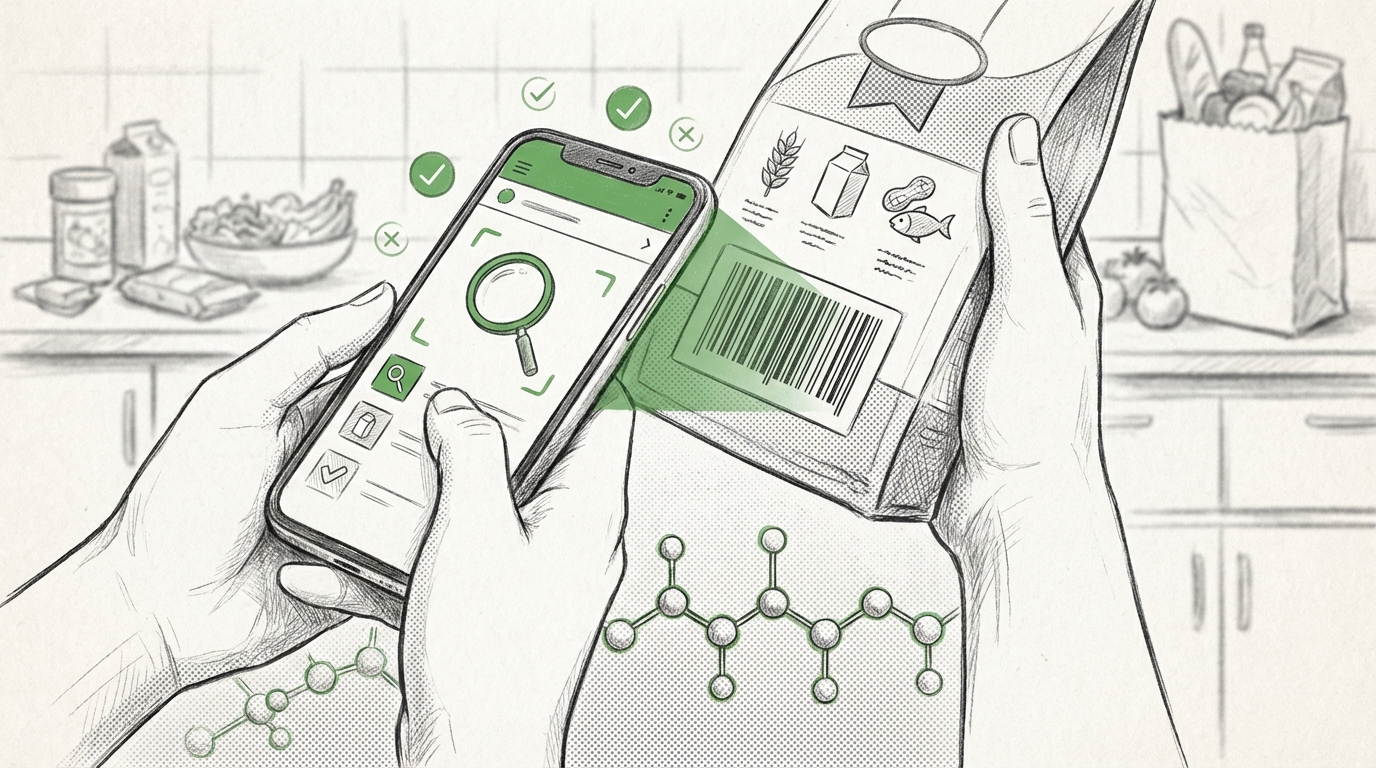
An allergy checker app provides instant access to ingredient information by scanning product barcodes. These applications help identify:
- All 13 major allergens including gluten, dairy, and nuts
- Preservatives and additives like potassium sorbate
- Traces of allergens from cross-contamination
- Alternative product suggestions for safe options
The best food allergy apps combine comprehensive databases with user-friendly interfaces, making it easy to shop confidently even when dealing with complex chemical names or unfamiliar compounds.
Reading Labels Effectively
Beyond scanning apps, developing label-reading skills helps identify potential concerns:
- Check the ingredient list for all chemical compounds and additives
- Look for allergen statements and cross-contamination warnings
- Research unfamiliar ingredients using reliable sources
- Contact manufacturers directly for detailed information about processing aids
- Stay updated on regulatory changes affecting food labeling
Related Food Additives and Chemical Compounds
Understanding poly allylamine hydrochloride becomes more meaningful when compared to other compounds commonly encountered in food products. This context helps consumers develop a comprehensive approach to ingredient awareness.
Common Food Processing Acids
Several acids serve important functions in food manufacturing, each with distinct properties:
Hydroxy stearic acid functions as an emulsifier and stabilizer in various food products, helping blend ingredients that would otherwise separate. This compound appears in baked goods, confections, and processed foods.
Methane sulfonic acid primarily serves industrial purposes rather than direct food applications, though it may be used in equipment cleaning and sanitization processes within food manufacturing facilities.
Polymer-Based Additives
Poly carboxylic acid represents another category of synthetic polymers used in food processing, particularly in water treatment and as dispersing agents. Like poly allylamine hydrochloride, these compounds typically don't appear as direct food ingredients but may have indirect contact through processing.
| Compound | Primary Use | Allergen Risk |
|---|---|---|
| Poly Allylamine Hydrochloride | Packaging coatings | Low |
| E202 Potassium Sorbate | Preservative | Low (sensitivity possible) |
| Hydroxy Stearic Acid | Emulsifier | Low |
| Poly Carboxylic Acid | Processing aid | Low |
Navigating Dietary Restrictions and Food Allergies
For individuals managing food allergies or following specific dietary protocols, understanding chemical additives is just one piece of a larger puzzle. Comprehensive strategies ensure safe, nutritious eating while avoiding problematic ingredients.
Gluten-Free Living
Many people wonder is quinoa gluten free or seek alternatives to traditional wheat products. The answer is yes—quinoa is naturally gluten-free and provides excellent nutrition for those with celiac disease.
Finding gluten free wheat free beer and identifying restaurants that are gluten free friendly requires careful research and often the assistance of technology tools that can verify ingredient safety.
Managing Multiple Restrictions
Consumers often need to avoid multiple allergens simultaneously. Resources like gluten free dairy free snacks guides help identify safe options that meet multiple dietary requirements.
For those seeking healthy snack ideas for weight loss while managing allergies, focusing on whole foods with minimal processing reduces exposure to synthetic additives and preservatives.
Calculating Nutrition at Restaurants
When dining out, tools like a chipotle nutrition calculator help track macronutrients and identify potential allergens in customizable meals. Many chain restaurants now provide detailed ingredient information to accommodate dietary restrictions.
Best Practices for Allergen Management
Successfully managing food allergies and avoiding unwanted additives requires a multi-faceted approach combining technology, education, and practical strategies.
Technology-Enabled Shopping
Modern apps transform the shopping experience for allergy sufferers:
- Scan barcodes instantly to check for 13 major allergens
- Receive alerts about traces and cross-contamination risks
- Access comprehensive databases of additives and preservatives
- Save favorite safe products for quick reference
- Share safe product lists with family members and caregivers
Building Safe Food Lists
Creating personalized safe food lists streamlines shopping and meal planning:
- Document all verified safe products with specific brand names
- Note manufacturing changes that might affect allergen status
- Maintain updated lists for different food categories
- Research new products before trying them
- Review ingredient changes regularly as formulations evolve
Communication Strategies
Effective communication about allergies and sensitivities protects health in various settings:
- Clearly explain your restrictions to restaurant staff and hosts
- Carry allergy cards listing specific allergens in multiple languages
- Ask detailed questions about ingredients and preparation methods
- Verify understanding of cross-contamination prevention
- Have emergency medications readily available
The Future of Food Safety and Allergen Detection
Advances in technology and regulation continue improving food safety for allergy sufferers. Understanding emerging trends helps consumers stay ahead of potential risks while accessing better tools for managing dietary restrictions.
Enhanced Labeling Requirements
Regulatory bodies worldwide are strengthening labeling requirements to provide more transparent information about:
- Processing aids and indirect food contact substances
- Cross-contamination risks during manufacturing
- Trace amounts of allergens below current thresholds
- Chemical additives used in packaging materials
Advanced Detection Technologies
New technologies are revolutionizing how consumers identify allergens and additives. Smartphone-based scanning apps continue evolving with expanded databases and improved accuracy for detecting compounds like poly allylamine hydrochloride and other processing aids.
These innovations make it easier than ever to verify product safety before purchase, reducing the risk of accidental exposure to problematic ingredients.
Practical Resources for Allergen-Free Living
Managing food allergies successfully requires access to reliable resources and support systems. These tools help navigate the complexities of modern food production while maintaining nutritional balance and food enjoyment.
Educational Resources
Staying informed about food additives, allergens, and nutrition helps make better decisions:
- Read comprehensive guides about specific products like English muffin nutrition and Ezekiel bread gluten content
- Research nutrition information such as corn on the cob calories for meal planning
- Evaluate processed foods like Yoplait yogurt for allergen content and nutritional value
- Follow reputable food allergy organizations for latest research
Community Support
Connecting with others managing similar dietary restrictions provides valuable insights and emotional support. Online communities share safe product recommendations, restaurant reviews, and coping strategies for navigating social situations with food allergies.
Take Control of Your Food Safety Today
Understanding compounds like poly allylamine hydrochloride and other food additives empowers you to make informed decisions about what you eat. While this synthetic polymer poses minimal direct risk to most consumers, staying vigilant about all food contact substances protects your health and wellbeing.
The complexity of modern food production makes it challenging to track every potential allergen and additive manually. That's why leveraging technology designed specifically for allergen detection has become essential for anyone managing food allergies or dietary restrictions.
Don't leave your food safety to chance. Download Nutrict today and gain instant access to comprehensive allergen scanning technology. Simply scan any product barcode to detect all 13 major allergens, traces, additives, and preservatives in seconds. Available on both iOS and Android, Nutrict puts the power of informed food choices right in your pocket.
Take the first step toward safer, more confident shopping by visiting Nutrict's website and discovering how easy allergen management can be. Your health deserves the best protection available—start scanning smarter today.
Article created using IntentRank