Kraft Mac and Cheese Nutrition Facts & Allergen Guide
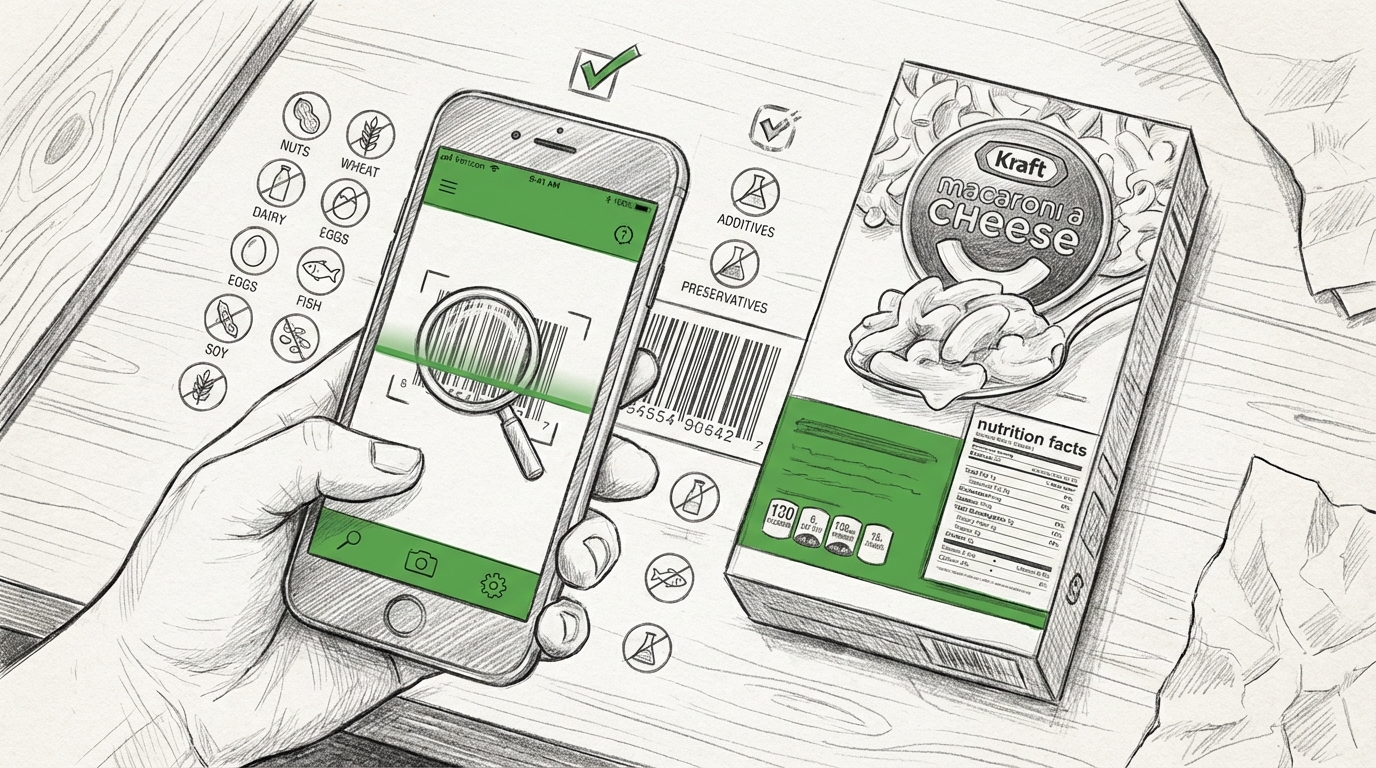
TL;DR: Kraft Macaroni and Cheese nutrition includes approximately 350 calories per prepared cup, with 11g protein, 44g carbohydrates, and 10g fat. It contains wheat and milk allergens, plus various additives. To easily identify all allergens, traces, and preservatives in Kraft Mac and Cheese, use a barcode scanning app available on iOS and Android devices.
Frequently Asked Questions

What are the main nutritional facts in Kraft macaroni and cheese?
A standard serving of Kraft macaroni and cheese (about 1 cup prepared) contains approximately 350 calories, 12g of protein, 47g of carbohydrates, and 11g of fat. It provides 20% of daily calcium needs but is high in sodium (710mg per serving) and contains minimal fiber. The nutritional content varies slightly between different Kraft mac and cheese varieties.
Does Kraft macaroni and cheese contain common allergens?
Yes, Kraft macaroni and cheese contains two major allergens: milk and wheat. The cheese powder contains dairy ingredients, while the pasta is made from wheat flour containing gluten. People with lactose intolerance, milk allergies, or celiac disease should avoid this product. Using an allergy checker app can help you quickly identify these allergens by scanning the product barcode.
How can I check Kraft macaroni and cheese nutrition for allergens quickly?
The fastest way to check Kraft macaroni and cheese for allergens is using an allergy checker app on your smartphone. Simply scan the product barcode to instantly detect all 13 major allergens, traces, additives, and preservatives. These apps are available on both iOS and Android and provide comprehensive allergen information beyond what's visible on the package label.
Is Kraft macaroni and cheese suitable for gluten-free diets?
Traditional Kraft macaroni and cheese is not gluten-free as it contains wheat-based pasta. However, Kraft does offer a gluten-free version made with rice and corn pasta. For those seeking gluten-free alternatives, options like gluten free cheese-its or gluten free wheat free beer exist in other product categories, demonstrating the growing availability of allergen-friendly foods.
What additives and preservatives are in Kraft macaroni and cheese nutrition?
Kraft macaroni and cheese contains several additives including yellow 5 and yellow 6 (artificial colors), as well as preservatives to extend shelf life. The cheese powder may contain emulsifiers and anti-caking agents. An allergy checker app can help you scan the barcode to identify all additives, preservatives, and potential allergen traces for informed purchasing decisions.
How does Kraft macaroni and cheese nutrition compare to restaurant options?
Kraft macaroni and cheese typically contains fewer calories than restaurant versions. For comparison, you can use tools like a chipotle nutrition calculator to evaluate other quick meal options. A Chipotle bowl can range from 500-1000+ calories depending on ingredients. Kraft mac and cheese offers a more controlled portion at 350 calories, though it's higher in sodium and processed ingredients.
Can people with lactose intolerance eat Kraft macaroni and cheese?
Kraft macaroni and cheese is not recommended for people with lactose intolerance as it contains significant amounts of milk-derived cheese powder. The dairy content can trigger digestive symptoms in lactose-intolerant individuals. Using an allergy checker app before purchasing helps identify milk content and traces, allowing you to make informed decisions about product suitability for your dietary needs.
What is the sodium content in Kraft macaroni and cheese nutrition?
Kraft macaroni and cheese contains approximately 710mg of sodium per prepared serving, which represents about 31% of the recommended daily intake. This high sodium content is a concern for individuals monitoring salt intake due to blood pressure or heart health issues. The sodium comes primarily from the cheese powder and should be considered when planning daily meals.
Understanding Kraft Macaroni and Cheese Nutrition: A Complete Guide

When it comes to classic comfort foods, few dishes are as iconic as Kraft Macaroni and Cheese. This beloved blue box has been a staple in American households for generations, but understanding Kraft macaroni and cheese nutrition is essential for making informed dietary choices, especially for those managing food allergies or following specific nutritional guidelines.
Whether you're a parent preparing quick meals for children, someone managing food sensitivities, or a health-conscious consumer evaluating your food choices, knowing what's in your mac and cheese matters. This comprehensive guide breaks down the nutritional content, allergen information, and ingredient concerns associated with this popular product.
Kraft Macaroni and Cheese Nutrition Facts Breakdown

The nutritional profile of Kraft Macaroni and Cheese varies slightly depending on the specific product line and preparation method. Here's what you need to know about the standard Original flavor when prepared as directed.
Calories and Macronutrients
A single serving (about 1 cup prepared) of Kraft Original Macaroni and Cheese contains approximately:
| Nutrient | Amount per Serving | % Daily Value |
|---|---|---|
| Calories | 350-400 | 18-20% |
| Total Fat | 13-18g | 17-23% |
| Saturated Fat | 4.5-6g | 23-30% |
| Carbohydrates | 47-52g | 15-17% |
| Protein | 11-13g | 22-26% |
| Sodium | 710-870mg | 30-38% |
These values can change significantly based on preparation methods. Adding extra butter or using whole milk instead of reduced-fat options increases the calorie and fat content substantially.
Micronutrients and Fortification
Kraft Macaroni and Cheese is fortified with several essential vitamins and minerals, making it a source of:
- Calcium: Approximately 15-20% of daily value per serving
- Iron: About 10-15% of daily value, important for oxygen transport
- Vitamin A: Added through cheese powder fortification
- Niacin and Thiamin: B vitamins from enriched wheat flour
While these fortifications add nutritional value, the product remains relatively high in sodium and saturated fat compared to its vitamin and mineral content.
Critical Allergen Information for Kraft Mac and Cheese

For individuals with food allergies or sensitivities, understanding allergen content is crucial. Kraft Macaroni and Cheese contains several major allergens that require careful consideration.
Primary Allergens Present
Kraft Mac and Cheese contains these confirmed allergens:
- Milk/Dairy: The cheese powder contains milk derivatives, whey, and milk proteins
- Wheat/Gluten: The pasta is made from enriched wheat flour containing gluten
- Soy: Some varieties contain soy lecithin as an emulsifier
These allergens make the product unsuitable for anyone with celiac disease, lactose intolerance, milk protein allergies, or wheat sensitivities. If you're looking for alternatives, consider exploring gluten free dairy free snacks that can satisfy similar comfort food cravings.
Using Technology to Identify Allergens
Managing food allergies in today's complex food landscape requires vigilance. Modern technology makes this easier through specialized tools like an allergy checker app that can scan product barcodes and instantly identify allergens, traces, and concerning additives.
These apps are particularly valuable when comparing similar products or evaluating new varieties. For parents managing children's dietary restrictions, having quick access to allergen information can prevent dangerous exposure and simplify grocery shopping.
Ingredient Analysis: What's Really in the Box?
Beyond basic nutrition facts, understanding the ingredient list reveals important information about food quality and potential health concerns.
Main Ingredients
The primary components of Kraft Macaroni and Cheese include:
- Enriched Macaroni: Made from wheat flour, niacin, ferrous sulfate, thiamine mononitrate, riboflavin, and folic acid
- Cheese Sauce Mix: Contains whey, milk fat, milk protein concentrate, salt, and various additives
- Emulsifiers and Stabilizers: Help maintain texture and consistency
- Coloring Agents: Provide the characteristic orange color
Chemical Additives and Preservatives
Several chemical compounds appear in Kraft Mac and Cheese formulations that warrant attention:
The product may contain ingredients processed with various acids and compounds. While not directly present as ingredients, processing aids like hydroxy stearic acid can be used in food manufacturing to improve texture and stability. Similarly, methane sulfonic acid and poly carboxylic acid may be used in industrial food processing, though they're not typically listed on consumer labels.
For health-conscious consumers and those with chemical sensitivities, understanding these processing methods becomes important when evaluating food choices. Using a food allergy app can help identify products with fewer additives and preservatives.
Comparing Kraft Mac and Cheese to Alternatives
Understanding how Kraft Macaroni and Cheese stacks up against other options helps inform better dietary decisions.
Restaurant Chain Comparisons
When comparing packaged mac and cheese to restaurant versions, the nutritional profiles differ significantly. For instance, using a chipotle nutrition calculator reveals that restaurant mac and cheese sides often contain more calories and sodium than the boxed version. Checking chipotle nutrition info or similar restaurant nutritional data shows that portion sizes at restaurants typically exceed home-prepared servings.
| Product Type | Calories | Sodium | Protein |
|---|---|---|---|
| Kraft Original (1 cup) | 350-400 | 710-870mg | 11-13g |
| Restaurant Mac & Cheese | 450-600 | 900-1200mg | 15-20g |
| Homemade (standard recipe) | 400-500 | 400-600mg | 14-18g |
Allergen-Free Alternatives
For those seeking allergy-friendly options, several alternatives exist:
- Gluten-Free Options: Several brands now offer gluten-free pasta alternatives, though finding gluten free cheese-its or similar cheese-flavored crackers to pair with meals can be challenging
- Dairy-Free Varieties: Plant-based cheese sauces made from cashews, nutritional yeast, or coconut milk
- Combined Restrictions: Products meeting both gluten and dairy restrictions, similar to finding gluten free wheat free beer options in the beverage market
Just as consumers seek gluten free wheat free beer alternatives for beverages, the market now offers multiple mac and cheese alternatives for various dietary needs. Scanning products with an allergy detection app helps identify suitable options quickly.
Health Considerations and Dietary Impact
While Kraft Macaroni and Cheese provides convenience and comfort, understanding its place in a balanced diet is essential.
Sodium Content Concerns
One of the most significant nutritional concerns is the high sodium content. A single serving contains 30-38% of the recommended daily sodium intake, which can contribute to:
- Increased blood pressure in sodium-sensitive individuals
- Fluid retention and bloating
- Long-term cardiovascular health concerns when consumed frequently
Reducing the sodium impact can be achieved by using less of the cheese powder packet or adding fresh vegetables to increase the overall volume without increasing sodium proportionally.
Saturated Fat and Heart Health
The saturated fat content represents 23-30% of daily recommendations per serving. While not inherently harmful in moderation, regular consumption of high-saturated-fat foods can impact cholesterol levels and cardiovascular health.
Refined Carbohydrates and Blood Sugar
The enriched wheat pasta consists primarily of refined carbohydrates with minimal fiber. This can lead to:
- Rapid blood sugar spikes followed by crashes
- Reduced satiety compared to whole grain alternatives
- Less sustained energy throughout the day
Similar to evaluating english muffin nutrition or corn on the cob calories, understanding the carbohydrate quality in your meals helps manage energy levels and overall nutrition.
Making Kraft Mac and Cheese Healthier
If you enjoy Kraft Macaroni and Cheese but want to improve its nutritional profile, several modifications can help.
Preparation Modifications
- Reduce butter: Use half the recommended butter or substitute with olive oil
- Choose milk wisely: Opt for low-fat or plant-based milk alternatives
- Add vegetables: Mix in steamed broccoli, peas, or spinach to increase fiber and nutrients
- Portion control: Serve smaller portions alongside protein and vegetables
Nutritional Boosters
Enhance the nutritional value by adding:
- Protein sources: Grilled chicken, tuna, or beans increase satiety
- Healthy fats: A drizzle of olive oil adds heart-healthy monounsaturated fats
- Fiber: Whole wheat pasta (if not gluten-sensitive) or added vegetables
- Calcium boost: Extra cheese from natural sources rather than powder
Special Dietary Considerations and Alternatives
Different dietary needs require different approaches to enjoying mac and cheese-style dishes.
Celiac Disease and Gluten Sensitivity
Traditional Kraft Macaroni and Cheese is not safe for those with celiac disease or gluten sensitivity. However, understanding alternatives is important, much like knowing whether Ezekiel bread is gluten free or finding suitable bread alternatives.
Gluten-free mac and cheese options use pasta made from:
- Rice flour
- Corn flour
- Quinoa
- Chickpea flour
Lactose Intolerance and Dairy Allergies
For those avoiding dairy, plant-based cheese sauces offer alternatives. When evaluating dairy products, similar considerations apply to questions like whether Yoplait yogurt is healthy for your specific dietary needs.
Low-Sodium Diets
Individuals on sodium-restricted diets should approach Kraft Mac and Cheese cautiously. Consider making homemade versions where sodium content can be controlled, or look for low-sodium alternatives that provide similar comfort without the health concerns.
Reading Labels and Making Informed Choices
Developing label-reading skills empowers better food choices across all product categories.
Understanding Serving Sizes
The serving size listed on Kraft Macaroni and Cheese packaging often differs from what people actually consume. A standard box typically contains 2-3 servings, but many people eat larger portions, doubling or tripling the nutritional impact.
Identifying Hidden Ingredients
Beyond the obvious allergens, several ingredients may concern health-conscious consumers:
- Artificial colors like Yellow 5 and Yellow 6
- Preservatives for extended shelf life
- Flavor enhancers and modified food starches
- Processing aids that may not appear on labels
Using technology like the Nutrict food allergy scanner app helps identify these ingredients quickly by scanning barcodes. This tool detects 13 different allergens, traces, additives, and preservatives, making grocery shopping safer and more efficient for those managing dietary restrictions.
The Role of Convenience Foods in Modern Diets
Kraft Macaroni and Cheese represents a broader category of convenience foods that serve important roles in busy lifestyles.
Balancing Convenience with Nutrition
While nutritionists often recommend whole, unprocessed foods, convenience products fill real needs for:
- Time-constrained families
- College students with limited cooking facilities
- Emergency food supplies
- Comfort during stressful times
The key is incorporating these foods mindfully within an overall balanced diet rather than relying on them as dietary staples.
Teaching Opportunities for Children
Preparing mac and cheese with children can create teaching moments about:
- Following recipes and measuring ingredients
- Reading nutrition labels
- Understanding portion sizes
- Making healthier modifications to favorite foods
Managing Food Allergies with Modern Technology
For individuals and families managing food allergies, technology has revolutionized food safety and convenience.
Benefits of Allergen Detection Apps
Modern allergy checker apps provide immediate access to critical information:
- Instant barcode scanning for allergen detection
- Comprehensive databases covering thousands of products
- Trace allergen warnings that may not be obvious on labels
- Additive and preservative identification
These tools are particularly valuable when shopping for alternatives to products like Kraft Macaroni and Cheese, helping identify safe options across multiple dietary restrictions simultaneously.
Building a Safer Food Environment
Creating a safe food environment involves multiple strategies:
- Maintaining updated lists of safe products
- Regularly checking for formula changes in familiar products
- Teaching family members to read labels carefully
- Using technology to verify product safety before purchase
The Nutrict blog provides ongoing resources for managing food allergies and understanding product nutrition, helping families stay informed about food safety issues.
Conclusion: Making Informed Decisions About Mac and Cheese
Understanding Kraft macaroni and cheese nutrition empowers you to make informed dietary choices that align with your health goals and dietary restrictions. While this classic comfort food contains significant amounts of sodium, saturated fat, and common allergens like wheat and dairy, it can fit into a balanced diet when consumed mindfully and in moderation.
For those managing food allergies or seeking healthier alternatives, numerous options exist in today's diverse food marketplace. The key is having access to accurate, comprehensive nutritional information and allergen data when making purchasing decisions.
Whether you're a parent managing children's dietary needs, someone with food sensitivities, or a health-conscious consumer evaluating your food choices, technology can simplify the process. Download the Nutrict app to easily scan barcodes and identify allergens, traces, additives, and preservatives in thousands of products. Available on both iOS and Android, this powerful tool puts comprehensive food safety information in your pocket, helping you shop with confidence and keep your family safe. Visit Nutrict today and take control of your food choices with instant allergen detection at your fingertips.
Article created using IntentRank