Japanese Sweet Potato Nutrition: Complete Health Guide

TL;DR: Japanese sweet potato nutrition includes approximately 113 calories per 100g, rich in complex carbohydrates, fiber, and vitamins A and C. These purple-skinned sweet potatoes contain more antioxidants than regular varieties, provide essential minerals like potassium and manganese, and are naturally gluten-free with a low glycemic index for sustained energy.
Frequently Asked Questions
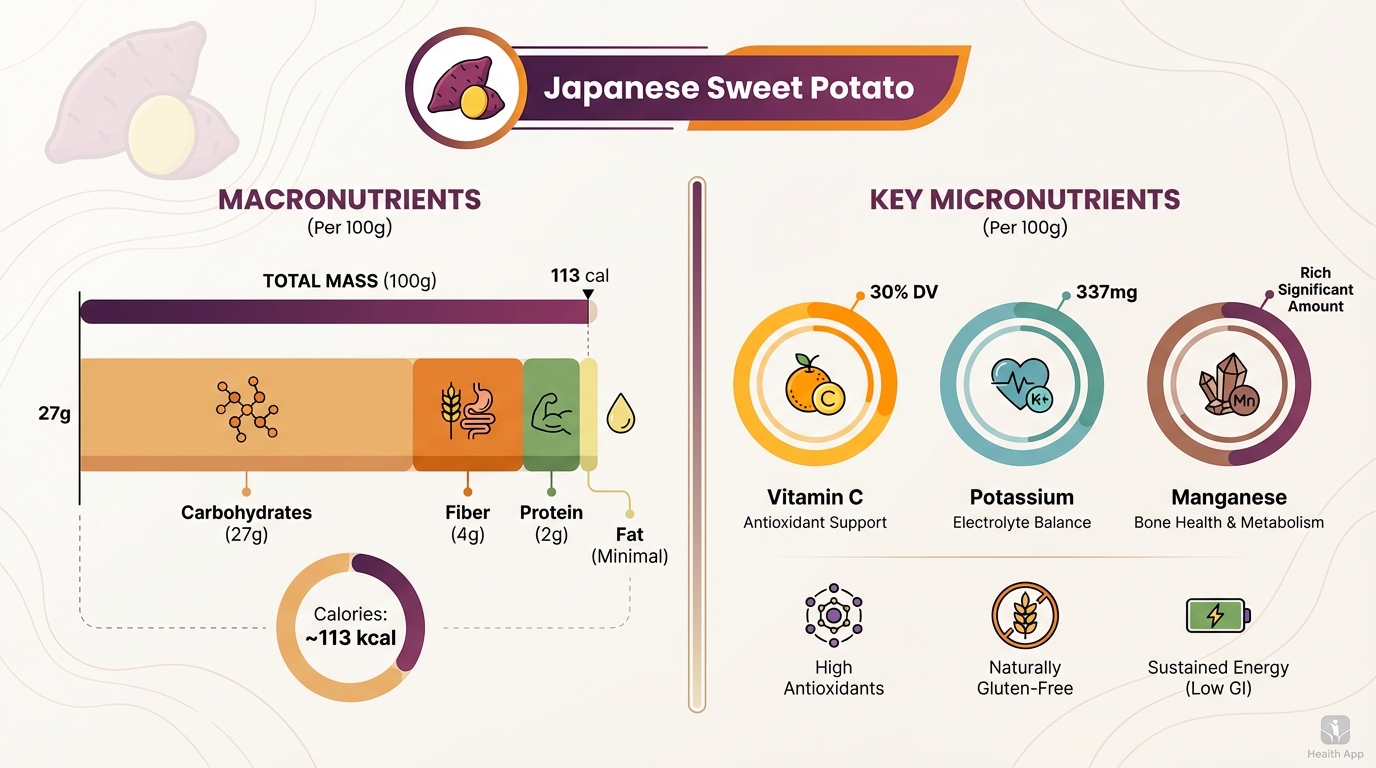
What is the nutritional value of Japanese sweet potatoes?
Japanese sweet potatoes are nutrient-dense, providing approximately 113 calories per 100g serving. They contain 27g of carbohydrates, 2g of protein, and minimal fat. Rich in vitamin C, potassium, and manganese, they also provide 4g of dietary fiber. These purple-skinned sweet potatoes contain powerful antioxidants called anthocyanins, which give them their distinctive color and offer anti-inflammatory benefits.
Are Japanese sweet potatoes gluten-free and safe for people with celiac disease?
Yes, Japanese sweet potatoes are naturally gluten-free and safe for people with celiac disease or gluten sensitivity. As a whole food vegetable, they contain no wheat, barley, or rye proteins. However, always check preparation methods and any added ingredients when consuming them in restaurants or processed products, as cross-contamination can occur during cooking or processing.
How do Japanese sweet potatoes compare to regular sweet potatoes nutritionally?
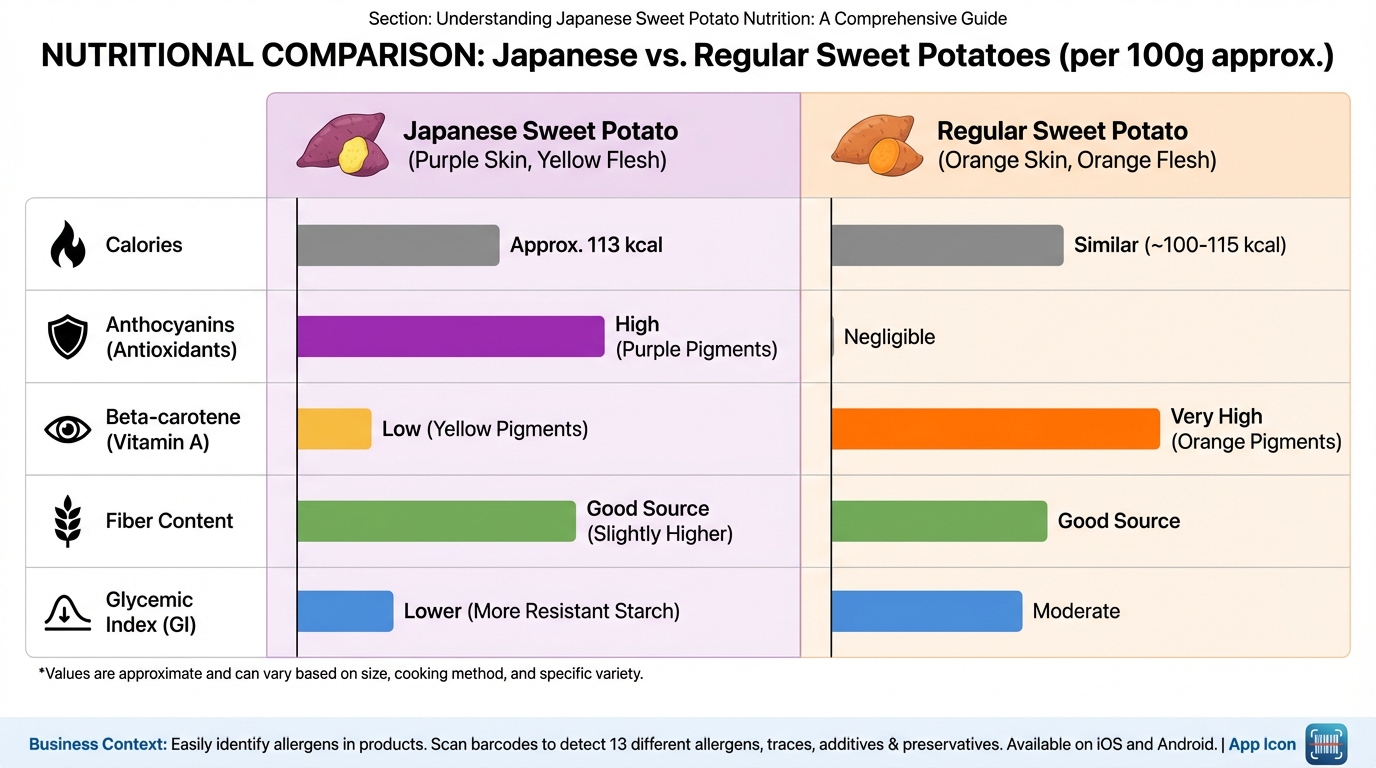
Japanese sweet potatoes have similar calorie and macronutrient profiles to orange sweet potatoes, with about 113 calories per 100g. The key difference is their higher anthocyanin content due to their purple skin and flesh, providing enhanced antioxidant properties. They contain slightly less beta-carotene than orange varieties but offer more fiber and a lower glycemic index, making them beneficial for blood sugar management.
Can I check if Japanese sweet potato products contain allergens using an app?
Yes, allergen checker apps allow you to scan barcodes on Japanese sweet potato products to identify potential allergens, traces, additives, and preservatives. These apps detect up to 13 different allergens and are available on iOS and Android. While whole Japanese sweet potatoes are allergen-free, processed products may contain added ingredients that trigger sensitivities, making scanning tools valuable for safe food choices.
What vitamins and minerals are abundant in Japanese sweet potatoes?
Japanese sweet potatoes are excellent sources of vitamin C (providing 30% of daily value per serving), vitamin A, and B-complex vitamins including B6. They're rich in minerals like potassium (337mg per 100g), manganese, and copper. These nutrients support immune function, vision health, energy metabolism, and cardiovascular health. The purple varieties also contain unique polyphenolic compounds with antioxidant properties.
Are Japanese sweet potatoes suitable for people with common food allergies?
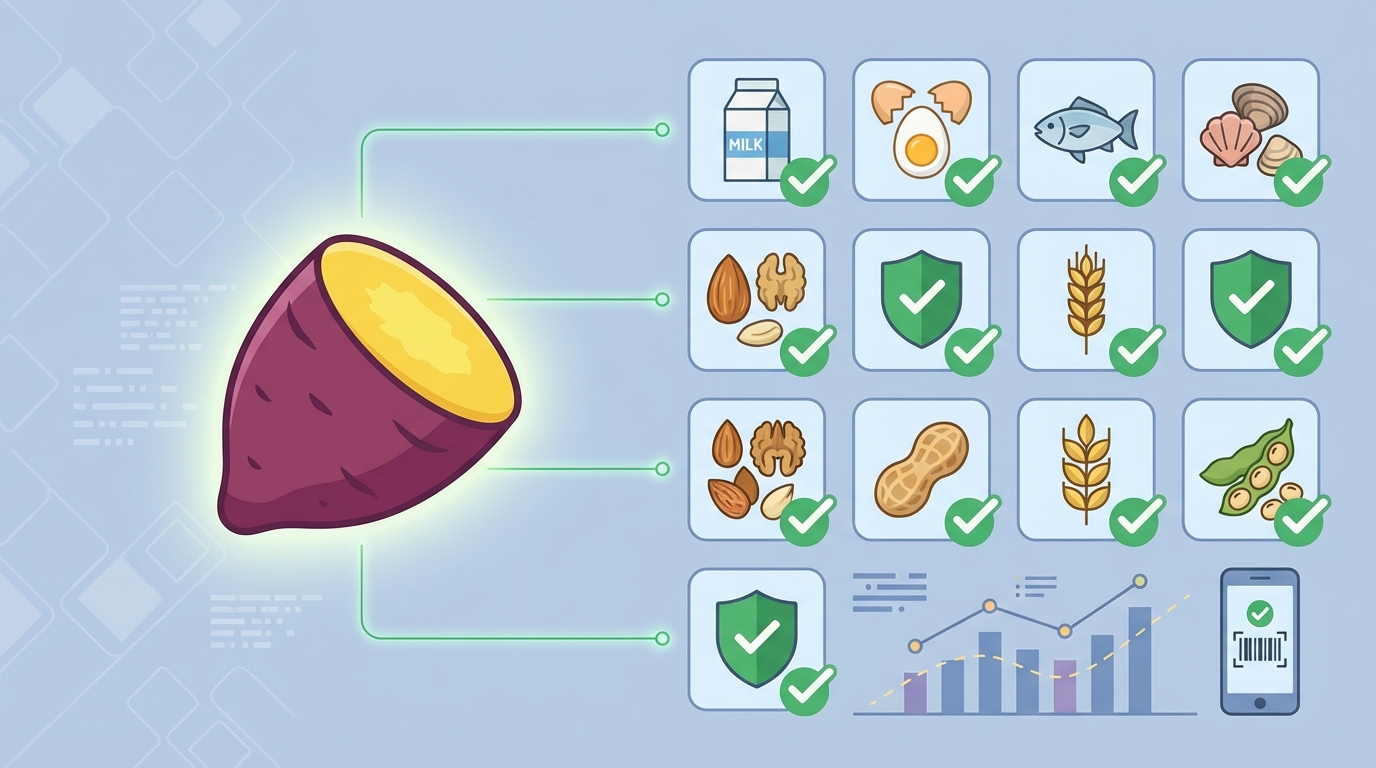
Japanese sweet potatoes are naturally free from the top 8 major allergens: milk, eggs, fish, shellfish, tree nuts, peanuts, wheat, and soybeans. They're an excellent choice for people with multiple food allergies or sensitivities. As a whole food, they're also free from common additives and preservatives. Always verify ingredient lists when purchasing processed sweet potato products to ensure no allergens have been added.
How many calories are in a medium-sized Japanese sweet potato?
A medium-sized Japanese sweet potato (approximately 130g) contains about 147 calories. This serving provides 35g of carbohydrates, 2.6g of protein, and less than 0.2g of fat. The calorie content makes them a satisfying, nutrient-dense option for weight management. Their high fiber content (5g per medium potato) promotes satiety and helps regulate blood sugar levels throughout the day.
Do Japanese sweet potatoes contain any natural compounds that support health?
Japanese sweet potatoes contain several beneficial compounds beyond basic nutrition. They're rich in anthocyanins, powerful antioxidants that reduce inflammation and oxidative stress. They also contain resistant starch, which acts as a prebiotic to support gut health. The presence of chlorogenic acid helps regulate blood sugar levels, while carotenoids support eye health and immune function, making them exceptionally beneficial for overall wellness.
Understanding Japanese Sweet Potato Nutrition: A Comprehensive Guide
Japanese sweet potatoes, with their distinctive purple skin and creamy white or yellow flesh, have become increasingly popular among health-conscious consumers and those managing dietary restrictions. Understanding japanese sweet potato nutrition is essential for anyone looking to incorporate this nutrient-dense root vegetable into their meal plans, especially for individuals with food allergies or specific dietary needs.
These versatile tubers offer a unique nutritional profile that sets them apart from their orange-fleshed counterparts. Whether you're tracking calories, managing allergens, or simply seeking wholesome food options, Japanese sweet potatoes provide exceptional value.
For those managing food allergies and dietary restrictions, having access to comprehensive nutritional information is crucial. Tools like an allergy checker app can help you make informed decisions about incorporating new foods into your diet safely.
Complete Nutritional Breakdown of Japanese Sweet Potatoes
Japanese sweet potatoes are nutritional powerhouses that deliver substantial health benefits with every serving. A medium-sized Japanese sweet potato (approximately 130 grams) contains a wealth of essential nutrients that support overall wellness.
Macronutrient Profile
| Nutrient | Amount | % Daily Value |
|---|---|---|
| Calories | 113 | 6% |
| Carbohydrates | 27g | 9% |
| Protein | 2g | 4% |
| Fat | 0.1g | 0% |
| Fiber | 4g | 16% |
| Sugar | 5g | - |
The low-fat content and high fiber make Japanese sweet potatoes an excellent choice for weight management. Unlike processed snacks, they provide sustained energy without causing rapid blood sugar spikes.
Vitamin and Mineral Content
Japanese sweet potatoes are exceptionally rich in micronutrients that support various bodily functions. Their vitamin and mineral profile rivals many superfoods on the market today.
- Vitamin C: 37% of daily value, supporting immune function and collagen production
- Potassium: 438mg per serving, essential for heart health and blood pressure regulation
- Vitamin B6: 15% of daily value, crucial for brain development and function
- Manganese: 26% of daily value, supporting bone health and metabolism
- Copper: 16% of daily value, aiding iron absorption and red blood cell formation
The nutrient density of Japanese sweet potatoes makes them comparable to other nutritious foods. For example, understanding corn on the cob calories can help you compare different vegetable options in your meal planning.
Japanese Sweet Potato Nutrition for Allergen Management
One of the most significant advantages of Japanese sweet potatoes is their allergen-friendly nature. For individuals managing multiple food allergies, these tubers offer a safe and nutritious option.
Naturally Free from Common Allergens
Japanese sweet potatoes are naturally free from the following major allergens:
- Gluten (making them suitable for celiac disease and gluten sensitivities)
- Dairy and lactose
- Eggs
- Soy
- Tree nuts and peanuts
- Fish and shellfish
- Wheat
This makes them an ideal staple for those seeking gluten free dairy free snacks and meal components. Their versatility allows them to replace many allergen-containing ingredients in recipes.
Safe Food Preparation Tips
While Japanese sweet potatoes themselves are allergen-free, cross-contamination can occur during processing or preparation. Here's how to ensure safety:
- Purchase whole, unprocessed Japanese sweet potatoes from the produce section
- Wash thoroughly under running water before cooking
- Use clean cutting boards and utensils to prevent cross-contact
- Avoid pre-seasoned or processed sweet potato products that may contain allergens
- Read labels carefully when purchasing any prepared sweet potato items
For those who need to verify ingredients in packaged foods, using a food allergy app can provide instant access to allergen information by scanning product barcodes.
Comparing Japanese Sweet Potatoes to Other Nutritious Foods
Understanding how Japanese sweet potato nutrition stacks up against other popular foods helps you make informed dietary choices. When comparing nutritional profiles, context matters significantly.
Japanese Sweet Potatoes vs. Regular Sweet Potatoes
| Nutrient | Japanese Sweet Potato | Orange Sweet Potato |
|---|---|---|
| Calories | 87 | 86 |
| Carbohydrates | 21g | 20g |
| Fiber | 3.1g | 3.0g |
| Vitamin A | 0 IU | 14,187 IU |
| Vitamin C | 29mg | 2.4mg |
| Anthocyanins | High | Low |
While orange sweet potatoes contain significantly more vitamin A, Japanese sweet potatoes excel in vitamin C content and provide powerful anthocyanins from their purple skin. These antioxidants support cellular health and may reduce inflammation.
Glycemic Index Considerations
Japanese sweet potatoes have a moderate glycemic index (GI) of approximately 54, which is lower than many other starchy vegetables. This makes them a better choice for blood sugar management compared to white potatoes, which typically have a GI of 70 or higher.
The fiber content in Japanese sweet potatoes slows digestion and helps prevent rapid blood sugar spikes. This characteristic makes them suitable for individuals monitoring their glucose levels or following diabetic-friendly diets.
Health Benefits of Japanese Sweet Potato Nutrition
The comprehensive nutritional profile of Japanese sweet potatoes translates into numerous evidence-based health benefits. These advantages extend beyond basic nutrition to support long-term wellness.
Digestive Health Support
The high fiber content in Japanese sweet potatoes promotes healthy digestion through multiple mechanisms:
- Feeds beneficial gut bacteria, supporting a healthy microbiome
- Promotes regular bowel movements and prevents constipation
- May reduce the risk of colorectal cancer through improved gut health
- Helps maintain healthy cholesterol levels by binding to bile acids
Unlike foods containing complex additives such as hydroxy stearic acid or poly carboxylic acid found in some processed items, Japanese sweet potatoes offer natural fiber without synthetic compounds.
Antioxidant Protection
Japanese sweet potatoes contain powerful antioxidants, particularly in their purple skin. These compounds include anthocyanins, which provide multiple protective benefits:
- Reduce oxidative stress and cellular damage
- Support cardiovascular health by protecting blood vessels
- May improve cognitive function and memory
- Provide anti-inflammatory effects throughout the body
Weight Management and Satiety
The combination of fiber, complex carbohydrates, and low caloric density makes Japanese sweet potatoes excellent for weight management. They provide sustained energy and promote feelings of fullness, reducing overall calorie intake.
When comparing caloric content across different foods, Japanese sweet potatoes offer exceptional nutritional value per calorie. This is particularly relevant when planning balanced meals or tracking intake using tools like a chipotle nutrition calculator for restaurant meals.
Cooking Methods and Nutritional Impact
How you prepare Japanese sweet potatoes significantly affects their nutritional value and glycemic response. Different cooking methods can enhance or reduce certain nutritional benefits.
Best Cooking Methods for Nutrition Retention
| Cooking Method | Nutrient Retention | Glycemic Impact | Best For |
|---|---|---|---|
| Steaming | Excellent (95%+) | Lower GI | Maximum nutrition |
| Baking | Very Good (85-90%) | Moderate GI | Enhanced sweetness |
| Boiling | Good (70-80%) | Lower GI | Mashing, purees |
| Roasting | Very Good (85-90%) | Higher GI | Caramelized flavor |
| Microwaving | Excellent (90-95%) | Lower GI | Quick preparation |
Preparation Tips for Optimal Nutrition
Follow these guidelines to maximize the nutritional benefits of Japanese sweet potatoes:
- Keep the skin on: The purple skin contains the highest concentration of anthocyanins and fiber
- Cook with minimal water: Water-soluble vitamins like vitamin C and B vitamins can leach into cooking water
- Avoid overcooking: Extended cooking times reduce nutrient content and increase glycemic response
- Cool before eating: Allowing cooked sweet potatoes to cool increases resistant starch content, which benefits gut health
- Pair with healthy fats: Adding a small amount of olive oil or avocado enhances absorption of fat-soluble nutrients
Unlike processed foods that may contain preservatives like methane sulfonic acid, whole Japanese sweet potatoes maintain their nutritional integrity through simple cooking methods.
Incorporating Japanese Sweet Potatoes into Allergen-Free Diets
For individuals managing food allergies, Japanese sweet potatoes serve as a versatile foundation for safe, nutritious meals. Their neutral allergen profile makes them suitable for even the most restricted diets.
Meal Planning Strategies
Japanese sweet potatoes can replace allergen-containing ingredients in numerous recipes:
- Breakfast: Baked sweet potato topped with cinnamon and fruit instead of wheat-based cereals
- Lunch: Sweet potato "toast" as a gluten-free bread alternative
- Dinner: Mashed Japanese sweet potatoes replacing dairy-based sides
- Snacks: Roasted sweet potato wedges instead of processed chips
- Desserts: Sweet potato brownies or cookies using egg-free recipes
When seeking other allergen-friendly options, consider exploring resources about foods like Ezekiel bread gluten content to understand which products fit your dietary needs.
Restaurant and Dining Out Considerations
When dining out, Japanese sweet potatoes often appear as safer menu options. However, always verify preparation methods to avoid cross-contamination:
- Ask if sweet potatoes are cooked on shared equipment with allergens
- Verify that no butter, milk, or other allergens are added during cooking
- Request plain, simply prepared sweet potatoes without seasonings or sauces
- Use restaurant nutrition tools like chipotle nutrition info resources when available
Many restaurants now provide detailed allergen information, making it easier to make safe choices. Some establishments even offer dedicated allergen-free preparation areas.
Japanese Sweet Potatoes vs. Processed Alternatives
Understanding the difference between whole Japanese sweet potatoes and processed alternatives helps you make healthier choices. The food industry has created numerous sweet potato products that may not offer the same nutritional benefits.
Whole Food Advantages
Whole Japanese sweet potatoes provide benefits that processed versions cannot match:
- No added preservatives, artificial colors, or synthetic compounds
- Complete fiber content remains intact
- Natural nutrient synergy supports optimal absorption
- Free from hidden allergens often found in processed foods
- No exposure to industrial additives or processing chemicals
Unlike snack foods containing gluten free cheese-its or other processed items, whole sweet potatoes deliver nutrition in its most bioavailable form. Even gluten free wheat free beer alternatives don't provide the comprehensive nutrition of whole vegetables.
Reading Labels on Sweet Potato Products
When purchasing any packaged sweet potato products, vigilance is essential:
- Check the ingredient list for allergens and additives
- Look for products with minimal ingredients (ideally just sweet potatoes)
- Avoid items with added sugars, oils, or preservatives
- Verify gluten-free certification if needed for celiac disease
- Use an allergy checker app to scan barcodes for comprehensive allergen information
Special Dietary Considerations and Japanese Sweet Potatoes
Japanese sweet potato nutrition makes them suitable for various specialized diets beyond allergen management. Their nutritional profile aligns with multiple dietary philosophies and health goals.
Paleo and Whole30 Compliance
Japanese sweet potatoes are fully compliant with paleo and Whole30 diets due to their whole food nature. They provide the complex carbohydrates needed for sustained energy during these restrictive eating plans.
Vegan and Vegetarian Diets
As a plant-based food, Japanese sweet potatoes offer valuable nutrients for vegans and vegetarians:
- Provide complex carbohydrates for energy
- Contain modest amounts of plant-based protein
- Offer iron and B vitamins often limited in plant-based diets
- Supply potassium comparable to bananas
Low-FODMAP Considerations
Japanese sweet potatoes are generally well-tolerated on low-FODMAP diets when consumed in appropriate portions (approximately 70 grams per serving). They contain lower levels of fermentable carbohydrates compared to regular white potatoes.
For individuals managing multiple dietary restrictions, combining knowledge from various sources helps create balanced meal plans. Understanding nutrition across different foods, such as English muffin nutrition, provides context for making informed choices.
Storage and Selection Tips for Maximum Nutrition
Proper selection and storage of Japanese sweet potatoes ensures you receive maximum nutritional benefits. These practices help maintain nutrient content and prevent spoilage.
Selecting Quality Japanese Sweet Potatoes
Choose the best Japanese sweet potatoes by following these guidelines:
- Look for firm tubers without soft spots or wrinkles
- Select potatoes with smooth, unblemished purple skin
- Avoid potatoes with sprouting eyes or green discoloration
- Choose medium-sized potatoes for more even cooking
- Smell should be earthy and fresh, not musty or fermented
Optimal Storage Methods
Store Japanese sweet potatoes properly to maintain their nutritional value:
- Temperature: Store in a cool, dark place at 55-60°F (13-16°C)
- Humidity: Maintain moderate humidity to prevent drying
- Ventilation: Ensure good air circulation around stored potatoes
- Separation: Keep away from onions, which can accelerate spoilage
- Duration: Use within 2-3 weeks for best quality and nutrition
Avoid refrigerating raw Japanese sweet potatoes, as cold temperatures can negatively affect their texture and convert starches to sugars, altering their flavor profile and nutritional composition.
Japanese Sweet Potato Nutrition for Athletic Performance
Athletes and active individuals can benefit significantly from incorporating Japanese sweet potatoes into their nutrition plans. The carbohydrate profile supports both endurance and recovery.
Pre-Workout Fuel
Japanese sweet potatoes provide sustained energy for athletic performance:
- Complex carbohydrates release glucose gradually during exercise
- Moderate glycemic index prevents energy crashes
- High potassium content supports muscle function and prevents cramping
- Easy to digest when consumed 2-3 hours before activity
Post-Workout Recovery
After intense exercise, Japanese sweet potatoes help replenish glycogen stores and support muscle recovery. Their natural sugars and starches provide the carbohydrates needed for optimal recovery without requiring processed sports foods.
When planning athletic nutrition, comparing options helps optimize performance. Tools like a chipotle nutrition calculator can help athletes make informed choices when eating out, while whole foods like Japanese sweet potatoes provide superior nutrition for home meal preparation.
Common Questions About Japanese Sweet Potato Nutrition
Are Japanese Sweet Potatoes Better Than Regular Potatoes?
Japanese sweet potatoes offer superior nutrition compared to white potatoes in several key areas. They provide more fiber, vitamin C, and antioxidants, while maintaining a lower glycemic index that supports better blood sugar control.
The anthocyanins in Japanese sweet potato skins provide anti-inflammatory benefits not found in regular potatoes. However, both can be part of a healthy diet depending on individual nutritional needs and preferences.
Can You Eat Japanese Sweet Potato Skin?
Yes, the purple skin of Japanese sweet potatoes is not only edible but highly nutritious. The skin contains the highest concentration of fiber and anthocyanins, making it the most nutrient-dense part of the vegetable.
Always wash the skin thoroughly before cooking to remove any dirt or potential pesticide residues. Organic Japanese sweet potatoes are preferable if you plan to consume the skin regularly.
How Do Japanese Sweet Potatoes Affect Blood Sugar?
Japanese sweet potatoes have a moderate glycemic index and are generally suitable for blood sugar management when consumed in appropriate portions. The fiber content slows glucose absorption, preventing rapid blood sugar spikes.
Individuals with diabetes should monitor their response to Japanese sweet potatoes and adjust portion sizes accordingly. Pairing them with protein and healthy fats further moderates their glycemic impact.
Making Japanese Sweet Potatoes Part of Your Allergen-Safe Lifestyle
Japanese sweet potato nutrition offers exceptional value for anyone managing food allergies or seeking wholesome, nutrient-dense foods. Their naturally allergen-free profile, combined with impressive nutritional content, makes them an ideal staple for health-conscious individuals and families.
From supporting digestive health to providing sustained energy and essential micronutrients, Japanese sweet potatoes deliver comprehensive nutrition in a simple, affordable package. Unlike processed foods containing synthetic compounds or hidden allergens, these whole vegetables offer transparency and nutritional integrity.
Whether you're preparing meals at home, managing multiple food allergies, or simply seeking to improve your dietary quality, Japanese sweet potatoes provide a versatile foundation for safe, delicious nutrition. Their compatibility with various cooking methods and dietary patterns ensures they can fit seamlessly into any meal plan.
For those navigating the complexities of food allergies and dietary restrictions, having reliable tools makes all the difference. Visit Nutrict to discover how our food allergy scanner app can help you identify allergens in products instantly, making it easier to maintain a safe, nutritious diet while confidently incorporating foods like Japanese sweet potatoes into your meals.
Article created using IntentRank