Is Yeast Extract Gluten Free? Quick Allergen Guide
TL;DR: Yeast extract is typically gluten-free when derived from baker's or brewer's yeast alone. However, some products may contain gluten if processed with barley or wheat-based ingredients. Always check product labels or use allergen-scanning apps to verify ingredients, as manufacturing processes vary and cross-contamination can occur in facilities handling gluten-containing products.
Frequently Asked Questions

Is yeast extract gluten free?
Yeast extract is typically gluten free as it's derived from yeast cells, not wheat or gluten-containing grains. However, some manufacturers may process yeast extract in facilities that handle gluten, causing cross-contamination. Always check product labels or use an allergen checker app to scan barcodes and verify the gluten-free status of specific yeast extract products before consumption.
How can I check if yeast extract contains gluten using an allergen checker app?
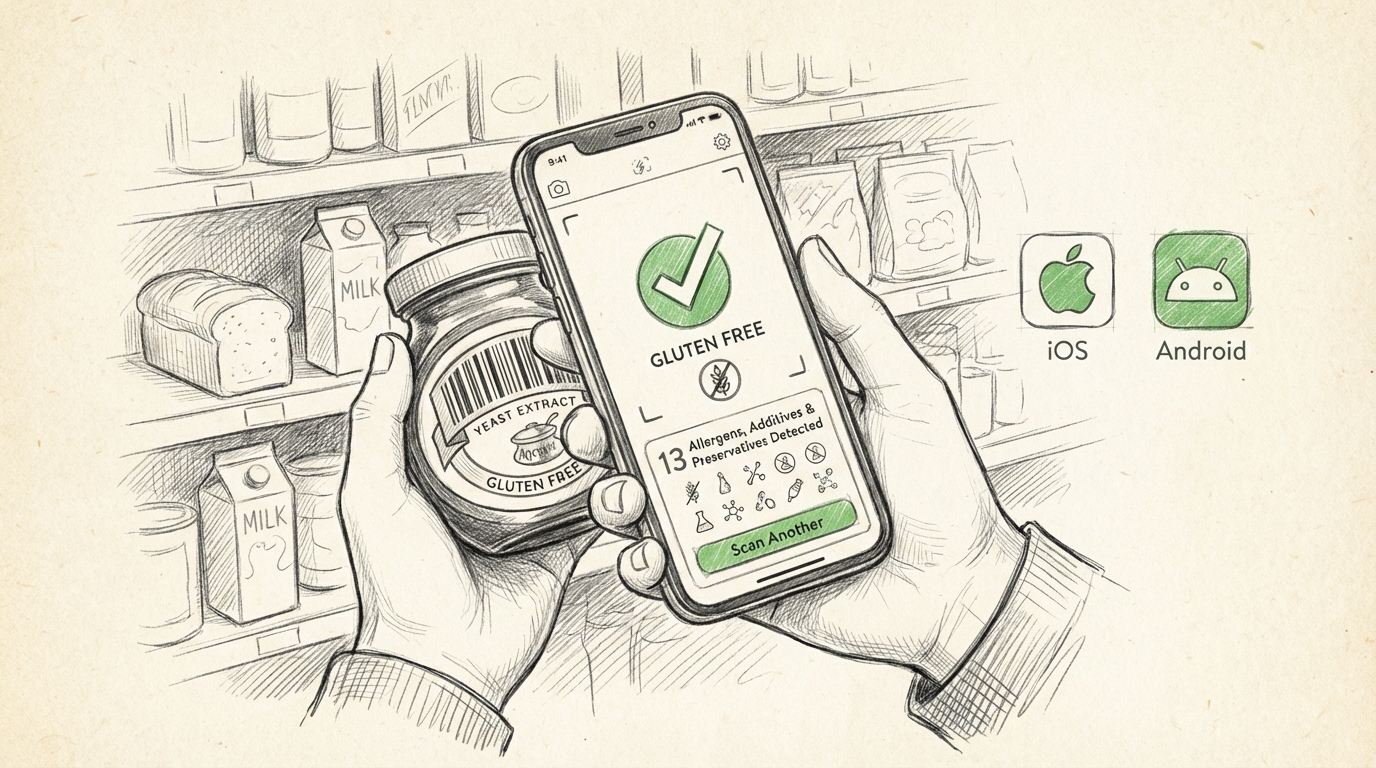
Allergen checker apps allow you to scan product barcodes to instantly detect gluten and 13 other allergens, traces, additives, and preservatives. Simply download the app on iOS or Android, scan the barcode of your yeast extract product, and the app will display whether it contains gluten or has been processed in facilities with gluten cross-contamination risks.
What is the difference between yeast extract and gluten?
Yeast extract is a food flavoring made from processed yeast cells, while gluten is a protein found in wheat, barley, and rye. Yeast extract itself doesn't naturally contain gluten since yeast is a fungus, not a grain. However, some yeast extract products may contain gluten if manufactured using gluten-containing ingredients or through cross-contamination during processing.
Are there gluten free alternatives to products containing yeast extract?
Yes, many gluten-free products use yeast extract as a flavoring, including gluten-free wheat-free beer, gluten-free cheese-its alternatives, and various savory snacks. When shopping for these products, use an allergen checker app to scan barcodes and confirm they're certified gluten-free and safe for those with celiac disease or gluten sensitivity.
Can people with celiac disease consume yeast extract?
People with celiac disease can generally consume pure yeast extract that's certified gluten-free and processed in dedicated facilities. However, it's crucial to verify each product individually, as manufacturing processes vary. Using an allergen detection app to scan product barcodes helps identify potential gluten contamination and ensures safe consumption for celiac patients.
How do I find gluten-free products when dining at restaurants like Chipotle?
Use a Chipotle nutrition calculator or allergen checker app to review nutrition info and identify gluten-free menu items. Chipotle offers many naturally gluten-free options, but cross-contamination can occur. Always inform staff about your gluten allergy, and use allergen checker apps to verify ingredients in sauces and seasonings that may contain yeast extract or other additives.
What allergens can be detected besides gluten using allergen checker apps?
Modern allergen checker apps detect 13 major allergens including gluten, dairy, eggs, soy, tree nuts, peanuts, fish, shellfish, and sesame, plus traces, additives, and preservatives. These apps work by scanning product barcodes on iOS and Android devices, providing instant allergen information to help consumers with food sensitivities make safe purchasing decisions.
Why should I use an allergen checker app instead of just reading labels?
Allergen checker apps provide instant, comprehensive analysis by scanning barcodes, saving time compared to reading complex ingredient lists. They detect hidden allergens, traces, additives like hydroxy stearic acid, methane sulfonic acid, and poly carboxylic acid, and cross-contamination risks that may not be obvious on labels, making them essential tools for managing food allergies safely.
Understanding Yeast Extract and Gluten Content

If you're navigating food allergies or gluten sensitivities, you've likely encountered yeast extract on ingredient labels and wondered: is yeast extract gluten free? The answer isn't always straightforward, as yeast extract's gluten status depends entirely on its source and manufacturing process. This comprehensive guide will help you understand what yeast extract is, when it contains gluten, and how to identify safe products for your dietary needs.
Yeast extract is a common food ingredient used to enhance flavor in soups, sauces, snacks, and processed foods. For people with celiac disease or gluten sensitivities, understanding whether this ingredient is safe becomes critical to avoiding adverse reactions.
The complexity arises because yeast extract can be derived from various sources, some of which may contain gluten proteins. Let's explore the science behind yeast extract and what you need to know to make informed decisions about your food choices.
What Is Yeast Extract?

Yeast extract is a food flavoring derived from the cell contents of yeast, typically Saccharomyces cerevisiae. It's created through a process called autolysis, where yeast cells break down their own proteins into amino acids and other compounds that create a savory, umami-rich flavor profile.
How Yeast Extract Is Made
The manufacturing process involves several key steps that determine the final product's composition:
- Yeast cells are grown in a controlled environment, often using molasses or grain-based media
- The cells undergo autolysis, breaking down their internal structures
- Cell walls are removed through centrifugation or filtration
- The resulting liquid is concentrated into a paste or powder
The critical factor for gluten content is what the yeast was grown on. If the yeast is cultivated on barley, wheat, or other gluten-containing grains, the final extract may contain gluten proteins.
Common Uses in Food Products
Yeast extract appears in numerous products as a flavor enhancer, often replacing or supplementing monosodium glutamate (MSG). You'll find it in:
- Vegetable broths and bouillon cubes
- Savory snacks and chips
- Canned soups and ready meals
- Meat alternatives and vegetarian products
- Spreads like Marmite and Vegemite
Is Yeast Extract Gluten Free? The Complete Answer
The gluten status of yeast extract depends on its source material. Yeast extract can be either gluten-free or gluten-containing, which is why reading labels carefully is essential for anyone managing celiac disease or gluten sensitivity.
When Yeast Extract Contains Gluten
Yeast extract contains gluten when the yeast is grown on substrates derived from wheat, barley, or rye. This is particularly common in European manufacturing, where brewers' yeast (a byproduct of beer production) is often used as the starting material.
| Source Material | Gluten Risk | Common Products |
|---|---|---|
| Brewers' yeast from barley | High | Marmite, some European brands |
| Yeast grown on wheat | High | Some commercial extracts |
| Yeast grown on molasses | Low to None | Many North American brands |
| Yeast grown on sugar beet | None | Certified gluten-free products |
When Yeast Extract Is Gluten Free
Gluten-free yeast extract is produced when manufacturers grow yeast on non-gluten substrates such as molasses, sugar beets, or cane sugar. Many North American manufacturers specifically produce gluten-free yeast extract to meet market demand.
Products labeled as "gluten-free" must contain less than 20 parts per million (ppm) of gluten according to FDA regulations, making them safe for most people with celiac disease.
Reading Labels and Identifying Safe Products
Successfully avoiding gluten in yeast extract requires careful label reading and understanding manufacturer practices. Using an allergy checker app can streamline this process by scanning barcodes and instantly identifying potential allergens.
Key Label Indicators
When examining product labels, look for these specific indicators:
- Gluten-free certification: Third-party certifications from organizations like GFCO or NSF
- Allergen statements: "Contains: wheat" or "May contain traces of gluten"
- Source disclosure: Some manufacturers specify "yeast extract from sugar beets"
- Precautionary labeling: "Processed in a facility that handles wheat"
For comprehensive allergen checking across multiple products, consider using a food allergy app that can scan and identify 13 different allergens instantly, making grocery shopping safer and more efficient.
Contacting Manufacturers
When label information is unclear, contacting the manufacturer directly is your best option. Ask these specific questions:
- What substrate is used to grow the yeast for your yeast extract?
- Is the yeast extract tested for gluten content?
- What is the gluten testing threshold used?
- Are there dedicated gluten-free production lines?
Regional Differences in Yeast Extract Production
Geographic location significantly influences yeast extract production methods and gluten content. Understanding these regional variations helps you make better purchasing decisions based on product origin.
North American Products
In the United States and Canada, most yeast extract is produced from yeast grown on molasses or sugar, making it naturally gluten-free. The prevalence of gluten-free labeling requirements has pushed manufacturers toward transparent sourcing practices.
Major brands typically specify their gluten-free status clearly on packaging, and many pursue third-party certification to build consumer trust.
European Products
European yeast extract production often utilizes brewers' yeast as a starting material, particularly in the UK. This means products like Marmite traditionally contain gluten from barley used in beer production.
However, gluten-free alternatives are increasingly available as awareness grows. Always check labels on imported European products, even if you've consumed similar items safely in North America.
Australian and Asian Markets
Australian products like Vegemite have historically contained gluten, though gluten-free versions now exist. Asian manufacturers vary widely in their production methods, making label verification especially important for imported products.
Cross-Contamination Concerns
Even when yeast extract itself is gluten-free, cross-contamination during manufacturing or processing can introduce gluten proteins. This is particularly concerning for individuals with celiac disease who require strict gluten avoidance.
Manufacturing Facility Risks
Cross-contamination can occur when:
- Gluten-containing and gluten-free products share production lines
- Shared equipment isn't thoroughly cleaned between production runs
- Airborne flour particles settle on gluten-free ingredients
- Storage areas aren't segregated properly
Products manufactured in dedicated gluten-free facilities offer the highest level of safety for those with severe sensitivities.
Restaurant and Food Service Considerations
When dining out, yeast extract in seasonings, broths, and sauces may not be clearly disclosed on menus. Restaurant kitchens often use shared preparation surfaces and equipment, increasing cross-contamination risk.
Always inform servers about your gluten sensitivity and ask about ingredient sourcing. Many establishments now provide detailed allergen information, and using Nutrict's food allergy scanner app can help you verify packaged products before consumption.
Yeast Extract vs. Other Yeast Products
Understanding the distinction between various yeast-based ingredients helps clarify which products are safe for gluten-free diets. Not all yeast products carry the same gluten risk.
| Product | Gluten Status | Common Uses |
|---|---|---|
| Yeast Extract | Depends on source | Flavor enhancer in processed foods |
| Nutritional Yeast | Usually gluten-free | Cheese substitute, nutritional supplement |
| Bakers' Yeast | Gluten-free | Bread and baking |
| Brewers' Yeast | Contains gluten | Beer production, supplements |
| Torula Yeast | Usually gluten-free | Flavor enhancer |
Nutritional Yeast Considerations
Nutritional yeast is typically grown on molasses and is naturally gluten-free. However, some brands may be processed in facilities that handle gluten, so certification is important for sensitive individuals.
This product has become popular in plant-based diets for its cheesy flavor and vitamin B12 content, making it a valuable ingredient for those seeking gluten free dairy free snacks alternatives.
Chemical Additives and Related Ingredients
While investigating yeast extract, you may encounter various chemical additives and ingredients in processed foods. Understanding these compounds helps you make comprehensive dietary decisions beyond just gluten avoidance.
Common Food Additives to Know
Several chemical compounds frequently appear alongside yeast extract in ingredient lists:
- Hydroxy stearic acid: An emulsifier and stabilizer used in baked goods and processed foods, typically gluten-free
- Methane sulfonic acid: A chemical compound used in food processing, though rarely listed directly on consumer labels
- Poly carboxylic acid: Used in some food preservation processes and packaging materials
These additives are generally considered gluten-free as they're synthetic compounds rather than grain-derived ingredients. However, cross-contamination during manufacturing remains a consideration.
Reading Complex Ingredient Lists
Modern processed foods often contain dozens of ingredients, making manual allergen checking time-consuming and error-prone. This is where technology becomes invaluable for food allergy management.
An allergy checker app can instantly scan barcodes and identify not just gluten but 13 different allergens, traces, additives, and preservatives, saving time and reducing anxiety during grocery shopping.
Practical Shopping Strategies
Successfully navigating gluten-free shopping requires a systematic approach, especially when dealing with complex ingredients like yeast extract.
Building Your Safe Product List
Create a personalized database of verified gluten-free products containing yeast extract:
- Start with certified gluten-free brands you've researched
- Keep manufacturer response emails for reference
- Note which store brands have consistent gluten-free yeast extract
- Update your list regularly as formulations change
Many people find that maintaining this list digitally on their phone makes it easily accessible during shopping trips.
Using Technology for Allergen Detection
Modern smartphone apps have revolutionized food allergy management. Instead of manually reading every ingredient label and researching each component, you can scan product barcodes to instantly identify allergens.
The Nutrict app provides comprehensive allergen scanning for 13 different allergens, including gluten, making it easier to identify safe products quickly and confidently. This technology is particularly valuable when shopping for complex processed foods where yeast extract might be hidden among dozens of other ingredients.
Dining Out and Restaurant Considerations
Restaurant meals present unique challenges for gluten-free diners, as yeast extract often appears in stocks, sauces, and seasonings that aren't detailed on menus.
Questions to Ask Restaurant Staff
When dining out, these questions help you assess gluten risks:
- Do your broths or stocks contain yeast extract?
- Can you provide ingredient lists for sauces and seasonings?
- Are there dedicated gluten-free preparation areas?
- Which menu items are certified gluten-free?
Chain Restaurant Resources
Many chain restaurants now provide detailed nutritional and allergen information online. For example, if you're checking chipotle nutrition info or using a chipotle nutrition calculator, you can verify ingredient sources before visiting.
These online resources often specify which menu items contain gluten and which are safe, though cross-contamination during preparation remains a consideration even with naturally gluten-free ingredients.
Alternative Ingredients and Substitutions
For those avoiding yeast extract due to gluten concerns or personal preference, several alternatives provide similar umami flavor profiles without the uncertainty.
Gluten-Free Flavor Enhancers
Consider these substitutes when cooking at home:
- Coconut aminos: A soy sauce alternative with savory depth
- Mushroom powder: Provides earthy umami flavor
- Tomato paste: Adds richness to soups and sauces
- Certified gluten-free nutritional yeast: Similar flavor profile with guaranteed safety
- Seaweed or kelp powder: Natural source of glutamates for umami taste
Homemade Stock and Broth
Making your own vegetable or bone broth eliminates uncertainty about hidden ingredients. Homemade stocks provide superior flavor while giving you complete control over ingredients, ensuring they align with your dietary requirements.
This approach is particularly valuable for those managing multiple food allergies or sensitivities beyond just gluten intolerance.
Special Dietary Considerations
People avoiding yeast extract for gluten reasons often have additional dietary restrictions that require careful navigation of food choices.
Multiple Food Allergies
Managing multiple allergies simultaneously becomes exponentially more complex. Someone avoiding both gluten and dairy, for instance, needs to verify not just yeast extract sources but also check for milk derivatives, casein, and whey.
Finding safe gluten free dairy free snacks requires scrutinizing ingredient lists for multiple allergens, making comprehensive allergen detection tools essential for safe food selection.
Celiac Disease vs. Gluten Sensitivity
The level of gluten avoidance required differs between celiac disease and non-celiac gluten sensitivity:
| Condition | Threshold | Yeast Extract Considerations |
|---|---|---|
| Celiac Disease | <20 ppm gluten | Requires certified gluten-free or verified source |
| Gluten Sensitivity | Varies by individual | May tolerate trace amounts from processing |
| Wheat Allergy | Complete avoidance | Must avoid wheat-derived yeast extract entirely |
Finding Safe Alternatives
For those seeking completely safe alternatives, products specifically formulated without common allergens provide peace of mind. While options like gluten free cheese-its or gluten free wheat free beer may seem limited, the market continues expanding with innovative products.
Many craft breweries now produce excellent gluten free wheat free beer options using sorghum, rice, or other alternative grains, proving that dietary restrictions don't mean sacrificing enjoyment.
Understanding Nutrition Labels
Beyond identifying yeast extract and its gluten status, understanding comprehensive nutritional information helps you make informed dietary choices.
Complete Nutritional Analysis
When evaluating products, consider the full nutritional profile beyond just allergen content. Tools like a chipotle nutrition calculator help you understand not just allergens but also calorie content, macronutrients, and sodium levels.
This comprehensive approach ensures your gluten-free choices also align with broader health and wellness goals, whether you're managing weight, monitoring sodium intake, or tracking specific nutrients.
Allergen vs. Nutritional Information
Food labels provide two distinct types of information that work together for optimal food selection:
- Allergen information: Identifies potential immune reactions and sensitivities
- Nutritional data: Shows calories, macronutrients, vitamins, and minerals
- Ingredient lists: Details all components in descending order by weight
- Processing information: Indicates cross-contamination risks
For comprehensive label analysis, consider exploring resources like English Muffin Nutrition or Corn on the Cob Calories guides that demonstrate thorough nutritional breakdowns.
Staying Informed About Product Changes
Food manufacturers frequently reformulate products, change suppliers, or modify production processes, potentially affecting gluten status even in previously safe items.
Monitoring Product Formulations
Protect yourself from unexpected gluten exposure by:
- Reading labels every time you purchase, even familiar products
- Subscribing to manufacturer newsletters for reformulation announcements
- Following celiac disease organizations for product alerts
- Joining online communities where members share product changes
A "gluten-free" label on a product you purchased last month doesn't guarantee the current version maintains that status, making vigilance essential.
Resources for Product Updates
Several organizations maintain updated databases of gluten-free products:
- Celiac Disease Foundation product listings
- Gluten Intolerance Group certification database
- Manufacturer websites with allergen information
- Mobile apps with real-time product scanning capabilities
Leveraging these resources alongside personal vigilance creates a comprehensive safety net for gluten avoidance.
Take Control of Your Food Allergy Management
Understanding whether yeast extract is gluten free requires ongoing vigilance, careful label reading, and staying informed about manufacturing practices. While the answer depends on the source material and production methods, you can successfully navigate this complexity with the right tools and knowledge.
The key takeaways for managing yeast extract in a gluten-free diet include verifying product sources, looking for gluten-free certification, understanding regional manufacturing differences, and remaining alert to product reformulations. Cross-contamination risks mean that even naturally gluten-free yeast extract requires careful verification.
Don't let the complexity of ingredient labels and allergen management overwhelm you. Modern technology makes it easier than ever to identify safe products quickly and confidently. Download the Nutrict app today to scan barcodes and instantly detect gluten along with 12 other allergens, traces, additives, and preservatives. Take the guesswork out of grocery shopping and gain peace of mind knowing exactly what's in your food. Available now on both iOS and Android, Nutrict empowers you to make safe, informed food choices every single day.
For more information about managing specific dietary needs, explore our comprehensive guides on topics like Is Ezekiel Bread Gluten Free and Is Yoplait Yogurt Healthy to continue building your knowledge base for successful allergen management.
Article created using IntentRank