Honey Nut Cheerios Nutrition Facts & Allergen Guide
TL;DR: Honey Nut Cheerios nutrition includes 140 calories, 2g fat, 29g carbohydrates, 2g fiber, and 3g protein per serving. It contains 12g sugar and provides essential vitamins and minerals including iron, zinc, and B vitamins. The cereal contains wheat, oat, and almond allergens, making it unsuitable for those with nut allergies.
Frequently Asked Questions

What is the nutritional value of Honey Nut Cheerios per serving?
One serving (28g or about 3/4 cup) of Honey Nut Cheerios contains approximately 110 calories, 2g protein, 22g carbohydrates, 2g fiber, and 9g sugar. It provides 12g of whole grain and is fortified with essential vitamins and minerals including iron, vitamin D, and B vitamins. When combined with 1/2 cup skim milk, the total calories increase to 160.
Are Honey Nut Cheerios gluten-free and safe for celiac disease?
Yes, Honey Nut Cheerios are labeled gluten-free. General Mills reformulated the product to remove wheat and barley ingredients, using gluten-free oats processed to remove gluten contamination. However, individuals with severe gluten sensitivity should use an allergy checker app to verify current formulations, as manufacturing processes and ingredients can change over time.
What allergens are present in Honey Nut Cheerios?
Honey Nut Cheerios contain almond ingredients, making them unsuitable for people with tree nut allergies. The cereal is made in facilities that may also process other allergens. For comprehensive allergen information including traces, additives like E202 potassium sorbate, and preservatives, scanning the product barcode with an allergen detection app provides the most accurate, up-to-date information.
Is Honey Nut Cheerios a healthy snack idea for weight loss?
Honey Nut Cheerios can be part of a weight loss plan when portion-controlled, but they contain 9g of sugar per serving. The cereal provides whole grains and fiber which promote satiety. For better weight loss results, pair with protein-rich foods, measure portions carefully, and consider plain Cheerios as a lower-sugar alternative with only 1g sugar per serving.
How much sugar is in Honey Nut Cheerios compared to regular Cheerios?
Honey Nut Cheerios contain 9 grams of sugar per serving, significantly more than original Cheerios which have only 1 gram. This 8-gram difference comes from added honey and sugar for sweetness. While both provide whole grain benefits, original Cheerios are a better choice for those monitoring sugar intake or managing diabetes and blood glucose levels.
What additives and preservatives are used in Honey Nut Cheerios?
Honey Nut Cheerios contain various additives including natural almond flavor, vitamin and mineral fortifications, and may include preservatives like E202 potassium sorbate to maintain freshness. The ingredient list also features tripotassium phosphate for processing. Using an allergy checker app allows consumers to scan barcodes and identify all 13 common allergens, traces, additives, and preservatives in the specific product.
Can I use Honey Nut Cheerios nutrition information with a nutrition calculator?
Yes, Honey Nut Cheerios nutrition facts can be input into nutrition calculators similar to tools like the Chipotle nutrition calculator. Enter the serving size (28g), calories (110), macronutrients, and any additions like milk or fruit to track daily intake. Many allergen checker apps also provide nutritional tracking features alongside allergen detection for comprehensive dietary management.
Are Honey Nut Cheerios suitable for people looking for wheat-free options?
Yes, Honey Nut Cheerios are wheat-free and made from gluten-free oats instead of wheat. They're suitable for those avoiding wheat but contain almonds, so they're not nut-free. For individuals seeking both wheat-free and allergen-safe options, using a barcode scanning app helps verify current ingredients and cross-contamination risks, similar to checking gluten-free wheat-free beer labels.
Understanding Honey Nut Cheerios Nutrition: A Complete Guide

When it comes to breakfast cereals, Honey Nut Cheerios remains one of America's most popular choices. Understanding honey nut cheerios nutrition is essential for anyone managing dietary restrictions, monitoring calorie intake, or simply making informed food choices. This comprehensive guide breaks down everything you need to know about this iconic cereal, from its nutritional content to potential allergens and additives.
Whether you're a parent managing children's dietary restrictions, someone with food allergies, or a health-conscious consumer, knowing exactly what's in your breakfast bowl matters. Let's dive deep into the nutritional profile, ingredients, and health considerations of Honey Nut Cheerios.
Honey Nut Cheerios Nutritional Breakdown

The nutritional content of Honey Nut Cheerios varies slightly depending on serving size and whether you're consuming it with or without milk. Here's what you need to know about the standard serving.
Basic Nutrition Facts Per Serving
A typical serving of Honey Nut Cheerios (approximately 28 grams or 3/4 cup) contains the following nutritional values:
| Nutrient | Amount Per Serving | % Daily Value |
|---|---|---|
| Calories | 110 | - |
| Total Fat | 1.5g | 2% |
| Saturated Fat | 0g | 0% |
| Trans Fat | 0g | - |
| Cholesterol | 0mg | 0% |
| Sodium | 140mg | 6% |
| Total Carbohydrates | 22g | 8% |
| Dietary Fiber | 2g | 7% |
| Total Sugars | 9g | - |
| Protein | 2g | 4% |
Vitamins and Minerals
Honey Nut Cheerios is fortified with several essential vitamins and minerals, making it a more nutritious breakfast option than many unfortified cereals. The cereal provides significant amounts of iron, vitamin D, and various B vitamins.
- Iron: 45% of daily value - crucial for oxygen transport in blood
- Vitamin D: 10% of daily value - supports bone health and immune function
- Vitamin B12: 25% of daily value - essential for nerve function
- Folate: 10% of daily value - important for cell growth
- Zinc: 10% of daily value - supports immune system
Ingredient Analysis: What's Actually in Honey Nut Cheerios
Understanding the ingredient list is crucial for anyone with food allergies or sensitivities. The primary ingredients in Honey Nut Cheerios include whole grain oats, sugar, modified corn starch, honey, brown sugar syrup, and various additives.
Primary Ingredients
The main components that make up Honey Nut Cheerios include whole grain oats as the first ingredient, which is a positive sign for nutritional quality. However, the cereal also contains multiple forms of sweeteners, which contribute to its 9 grams of sugar per serving.
| Ingredient Category | Specific Components | Purpose |
|---|---|---|
| Whole Grains | Whole Grain Oats | Primary grain base, fiber source |
| Sweeteners | Sugar, Honey, Brown Sugar Syrup | Flavor and sweetness |
| Starches | Modified Corn Starch | Texture and consistency |
| Flavoring | Natural Almond Flavor | Characteristic nutty taste |
| Preservatives | Vitamin E (mixed tocopherols) | Freshness preservation |
Additives and Preservatives
While Honey Nut Cheerios doesn't contain as many additives as some processed foods, it's important to understand what's included. Unlike products containing e202 potassium sorbate, which is a common preservative in many foods, Honey Nut Cheerios primarily uses vitamin E for preservation.
The cereal avoids harsh chemicals like methane sulfonic acid, hydroxy stearic acid, and poly carboxylic acid, which are sometimes found in other processed food products. This makes it a relatively clean option compared to heavily processed alternatives.
Allergen Information: Critical Safety Considerations
For individuals with food allergies, knowing the allergen profile of Honey Nut Cheerios is absolutely essential. This popular cereal contains several allergens that could trigger reactions in sensitive individuals.
Confirmed Allergens
Honey Nut Cheerios contains the following allergens that must be declared on the label:
- Oats: While naturally gluten-free, oats are often cross-contaminated with wheat
- Almond flavoring: May contain tree nut proteins
- Soy lecithin: A soy-derived ingredient used as an emulsifier
Cross-Contamination Risks
The manufacturing facility that produces Honey Nut Cheerios also processes wheat and other allergens. This means there's a risk of cross-contamination, making it unsuitable for those with severe allergies or celiac disease.
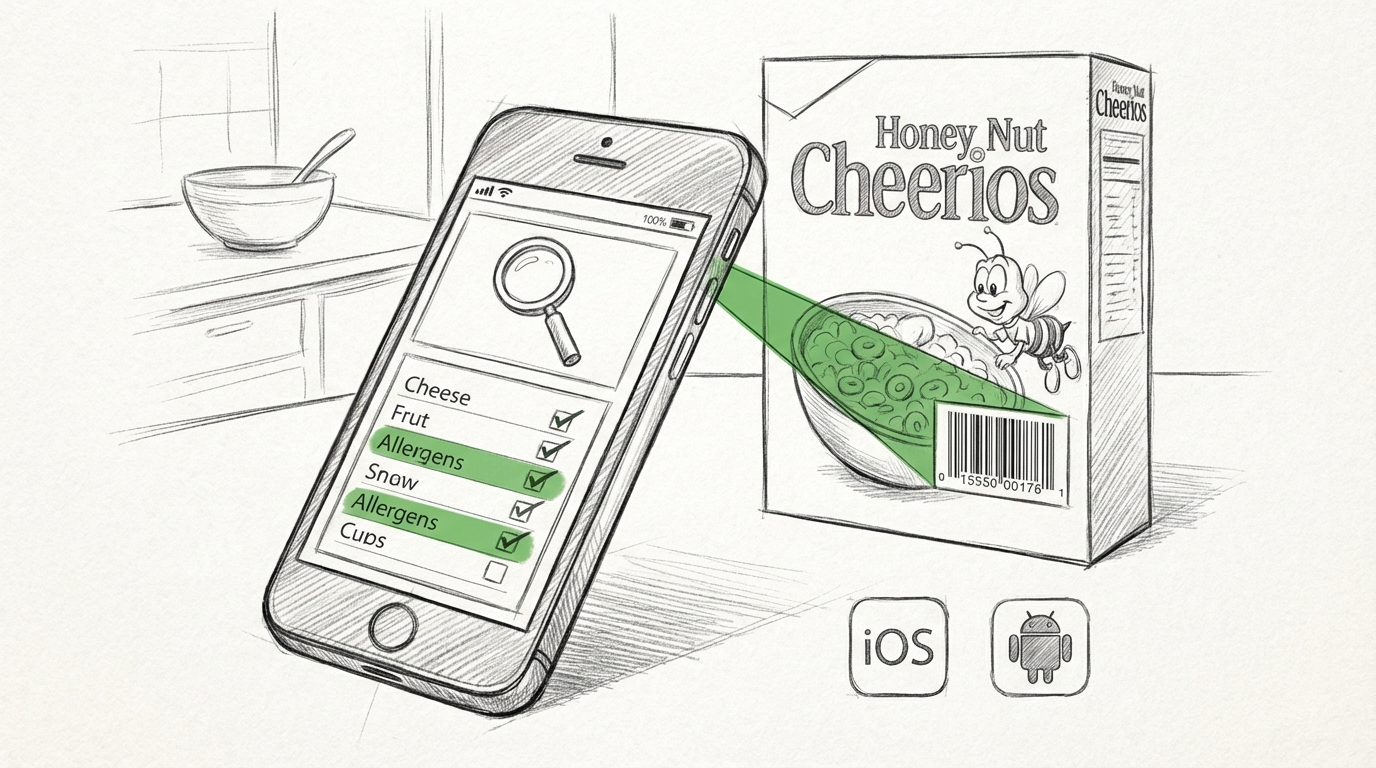
For anyone managing food allergies, using an allergy checker app can be invaluable. These tools allow you to scan barcodes and instantly identify potential allergens, traces, and additives in products before purchasing or consuming them.
Is Honey Nut Cheerios Gluten-Free?
This is one of the most frequently asked questions about Honey Nut Cheerios, and the answer is nuanced. While oats are naturally gluten-free, Honey Nut Cheerios is not certified gluten-free and should be avoided by those with celiac disease or severe gluten sensitivity.
The Oat and Gluten Controversy
Oats themselves don't contain gluten, but they're frequently cross-contaminated during growing, harvesting, and processing. General Mills has made efforts to source gluten-free oats for some Cheerios varieties, but Honey Nut Cheerios specifically is not marketed as gluten-free.
If you're wondering is quinoa gluten free as an alternative grain option, the answer is yes. Quinoa is naturally gluten-free and makes an excellent breakfast alternative for those avoiding gluten. Similarly, those looking for gluten free wheat free beer or searching for restaurants that are gluten free should apply the same careful scrutiny to their cereal choices.
For more information about gluten-free alternatives, check out this guide on whether Ezekiel bread is gluten-free, which explores similar cross-contamination concerns.
Honey Nut Cheerios for Weight Management
At 110 calories per serving, Honey Nut Cheerios can fit into a weight management plan, but there are important considerations. The key is portion control and being mindful of added toppings or accompaniments.
Calorie Considerations
When consumed with 1/2 cup of skim milk, a serving of Honey Nut Cheerios totals approximately 150 calories. This makes it a moderate-calorie breakfast option that can work for those monitoring their intake.
However, the 9 grams of sugar per serving is worth noting. While some of this comes from honey, the multiple sweetener sources mean this isn't the lowest-sugar cereal option available.
Better Breakfast Alternatives for Weight Loss
If you're specifically looking for healthy snack ideas for weight loss or lower-calorie breakfast options, consider these alternatives:
- Plain oatmeal with fresh berries (higher fiber, lower sugar)
- Greek yogurt with nuts and seeds (higher protein, more satisfying)
- Whole grain toast with avocado (healthy fats, more filling)
- Vegetable omelet (high protein, low carb)
For those tracking nutrition more precisely, using tools like a chipotle nutrition calculator for restaurant meals or scanning apps for packaged foods can help maintain dietary goals.
Comparing Honey Nut Cheerios to Other Breakfast Options
Understanding how Honey Nut Cheerios stacks up against other breakfast choices helps you make informed decisions. Let's compare it to several popular alternatives.
| Cereal | Calories | Sugar (g) | Fiber (g) | Protein (g) |
|---|---|---|---|---|
| Honey Nut Cheerios | 110 | 9 | 2 | 2 |
| Original Cheerios | 100 | 1 | 3 | 3 |
| Frosted Flakes | 110 | 12 | 1 | 1 |
| Raisin Bran | 190 | 18 | 7 | 5 |
| Oatmeal (plain) | 150 | 0 | 4 | 5 |
How It Compares to Whole Food Breakfasts
When compared to whole food options, Honey Nut Cheerios offers convenience but may fall short on satiety. For example, comparing it to options explored in articles like corn on the cob calories or English muffin nutrition, whole foods typically provide more fiber and fewer additives.
Smart Snacking: Using Honey Nut Cheerios Beyond Breakfast
Honey Nut Cheerios isn't just for breakfast. Many people use it as a snack food throughout the day, and it can be incorporated into various recipes and snack mixes.
Portion-Controlled Snacking
The key to using Honey Nut Cheerios as a snack is portion control. Pre-portioning into small containers or bags can help prevent overconsumption. A quarter-cup serving (about 55 calories) makes a reasonable snack option.
For those seeking more diverse options, exploring gluten-free dairy-free snacks can provide alternatives that accommodate multiple dietary restrictions simultaneously.
Recipe Ideas
Honey Nut Cheerios can be incorporated into various recipes:
- Trail Mix: Combine with nuts, dried fruit, and dark chocolate chips
- Yogurt Topping: Sprinkle over Greek yogurt for added crunch
- Energy Bites: Mix with nut butter and honey, roll into balls
- Cereal Bars: Create homemade granola-style bars
Reading Labels: Empowering Informed Choices
Understanding nutrition labels and ingredient lists is a crucial skill for anyone managing dietary restrictions or making health-conscious choices. Honey Nut Cheerios provides a good example of why label reading matters.
What to Look For on Cereal Labels
When evaluating any cereal, including Honey Nut Cheerios, focus on these key areas:
- Serving size: Often smaller than you'd typically pour
- Sugar content: Aim for less than 10g per serving when possible
- Fiber content: Look for at least 3g per serving
- Whole grains: Should be the first ingredient listed
- Allergen statements: Check both ingredient list and "contains" statements
Using Technology to Scan Products
Modern technology makes label reading easier than ever. Using a food allergy app allows you to scan barcodes and instantly see allergen information, additives, and nutritional data. This is particularly helpful when shopping for multiple family members with different dietary needs.
Special Dietary Considerations
Different dietary needs require different approaches to evaluating Honey Nut Cheerios. Let's examine how this cereal fits into various dietary patterns.
For Diabetics
The 9 grams of sugar per serving means diabetics should be cautious. The cereal has a moderate glycemic index, and pairing it with protein (like milk or nuts) can help slow sugar absorption.
For Heart Health
The whole grain oats in Honey Nut Cheerios contain beta-glucan, a soluble fiber that may help lower cholesterol. However, the sugar content somewhat offsets these benefits. Original Cheerios would be a better choice for heart health.
For Children
While Honey Nut Cheerios is marketed toward families, parents should be aware of the sugar content. It's not the worst choice for children, but it shouldn't be the only breakfast option. Rotating with lower-sugar alternatives is recommended.
For Vegans
Honey Nut Cheerios contains honey, making it unsuitable for strict vegans. Additionally, vitamin D3 fortification often comes from animal sources, though this varies by manufacturer.
Making the Most of Your Cereal Choice
If you choose to include Honey Nut Cheerios in your diet, here are strategies to maximize its nutritional value while minimizing potential drawbacks.
Healthier Serving Suggestions
Enhance the nutritional profile of your bowl by adding:
- Fresh berries: Adds fiber, antioxidants, and natural sweetness
- Sliced banana: Provides potassium and additional fiber
- Chia seeds: Boosts omega-3 fatty acids and protein
- Unsweetened almond milk: Reduces calories compared to regular milk
- Ground flaxseed: Adds fiber and healthy fats
Portion Control Strategies
Most people pour significantly more than the recommended 3/4 cup serving. Use these tips to control portions:
- Use a measuring cup until you can eyeball the correct amount
- Choose a smaller bowl to make portions appear larger
- Pre-portion servings into containers for grab-and-go convenience
- Bulk up your bowl with fresh fruit rather than extra cereal
The Bigger Picture: Breakfast Variety Matters
While understanding honey nut cheerios nutrition is valuable, the most important dietary principle is variety. No single food should dominate your breakfast rotation.
Building a Balanced Breakfast Rotation
Consider rotating between different breakfast types throughout the week:
| Day | Breakfast Type | Example |
|---|---|---|
| Monday | Whole grain cereal | Honey Nut Cheerios with berries |
| Tuesday | Protein-rich | Greek yogurt with nuts |
| Wednesday | Hot cereal | Oatmeal with fruit |
| Thursday | Eggs | Vegetable omelet with toast |
| Friday | Smoothie | Protein smoothie with greens |
This variety ensures you're getting different nutrients, prevents breakfast boredom, and reduces reliance on any single processed food. For more ideas on balanced eating, explore resources like whether Yoplait yogurt is healthy to understand other common breakfast options.
Conclusion: Making Informed Breakfast Decisions
Understanding honey nut cheerios nutrition empowers you to make informed decisions about whether this popular cereal fits your dietary needs and health goals. With 110 calories and 9 grams of sugar per serving, it's a moderate choice that offers convenience and fortification but isn't necessarily the healthiest option available.
For individuals with food allergies, celiac disease, or specific dietary restrictions, Honey Nut Cheerios presents challenges due to allergen content and potential cross-contamination. The presence of oats, almond flavoring, and soy lecithin means careful label reading is essential.
The key takeaways include understanding serving sizes, being aware of sugar content, recognizing allergen risks, and incorporating variety into your breakfast routine. Whether Honey Nut Cheerios is right for you depends on your individual health goals, dietary restrictions, and overall eating patterns.
Take control of your food choices by staying informed about what you're eating. Download Nutrict today to easily scan barcodes and identify allergens, additives, and nutritional information in seconds. With support for 13 different allergens and comprehensive ingredient analysis, Nutrict helps you make confident food decisions for yourself and your family. Available on both iOS and Android, it's the essential tool for anyone managing food allergies or seeking cleaner eating options.
Article created using IntentRank