Gluten Free Granola: Safe Brands & Allergen Scanner Guide
TL;DR: Gluten free granola is a breakfast cereal made without wheat, barley, or rye, safe for people with celiac disease or gluten sensitivity. When shopping, use allergen scanning apps to verify products are certified gluten-free and check for cross-contamination warnings. Look for oats labeled gluten-free, as regular oats may contain traces of gluten.
Frequently Asked Questions

What is gluten free granola and how can I verify it's safe for celiac disease?
Gluten free granola is a breakfast cereal made without wheat, barley, or rye, using oats labeled gluten-free and alternative grains. To verify safety, use an allergen checker app that scans product barcodes to detect gluten and cross-contamination traces. These apps identify all 13 major allergens, additives, and preservatives, ensuring the granola meets celiac-safe standards before purchase.
How do allergen checker apps help find certified gluten free granola brands?
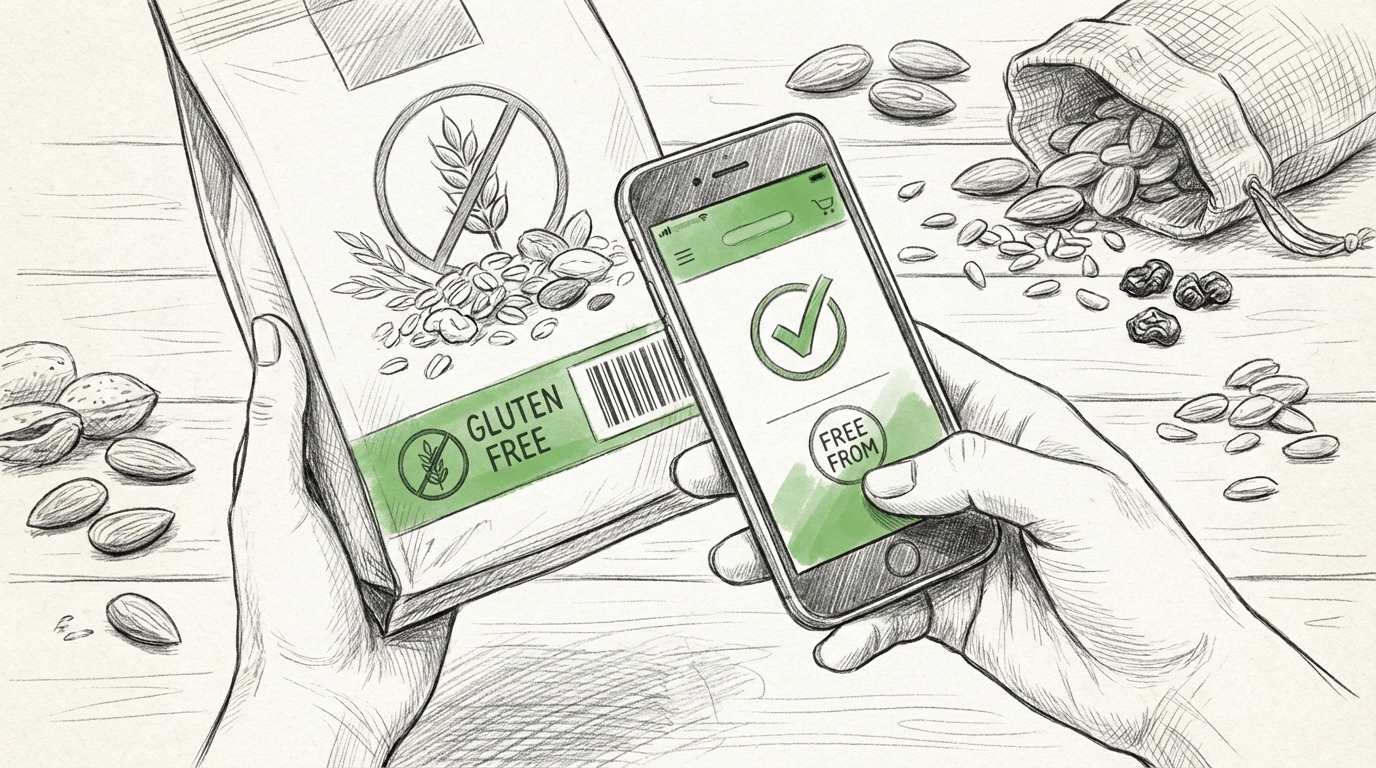
Allergen checker apps scan product barcodes instantly to reveal gluten content, cross-contamination warnings, and certification status. Available on iOS and Android, these apps detect 13 different allergens including gluten, plus traces, additives, and preservatives. This technology helps shoppers quickly identify safe gluten free granola options without reading lengthy ingredient labels, making grocery shopping faster and more confident.
Can I use a nutrition calculator app to track gluten free granola intake?
Yes, nutrition calculator apps help track macronutrients, calories, and allergen content in gluten free granola. Many apps combine barcode scanning with nutritional databases, similar to the Chipotle nutrition calculator used for restaurant meals. These tools allow you to monitor portion sizes, sugar content, and ensure your granola fits dietary restrictions while tracking overall nutritional goals throughout the day.
What allergens besides gluten should I check in granola products?
Besides gluten, granola often contains tree nuts, peanuts, soy, dairy, and sesame—common allergens that affect millions. Using an allergen checker app, you can scan barcodes to detect all 13 major allergens simultaneously, plus hidden traces and additives like preservatives. This comprehensive screening is essential since granola manufacturing facilities frequently process multiple allergens, increasing cross-contamination risks.
Are gluten free granola products also wheat free and suitable for wheat allergies?
Most gluten free granola is wheat free, but verification is crucial since some products may contain wheat starch processed to remove gluten proteins. Wheat allergy sufferers need completely wheat-free products, different from celiac requirements. An allergen checker app distinguishes between gluten-free and wheat-free formulations by scanning ingredients, ensuring the product is safe for wheat allergies, not just gluten intolerance.
How can I find gluten free granola without artificial additives and preservatives?
Allergen checker apps detect not only gluten but also additives and preservatives in granola products. By scanning barcodes, you'll see complete ingredient breakdowns including artificial colors, flavors, and chemical preservatives. This feature helps health-conscious consumers find clean-label gluten free granola made with whole ingredients, avoiding substances like hydroxy stearic acid or other synthetic additives commonly used in processed foods.
What should I look for when buying gluten free granola for the first time?
Look for certified gluten-free labels, check for cross-contamination warnings, and verify oat sources are gluten-free. Download an allergen checker app to scan barcodes before purchasing—it identifies gluten traces, other allergens, and additives instantly. Compare brands for sugar content, protein levels, and whole grain ingredients. Start with small packages to test tolerance and taste preferences before committing to larger quantities.
Can allergen scanning apps help me shop for other gluten free products like cheese-its or beer?
Yes, allergen checker apps work across all food categories including gluten free cheese-its, gluten free wheat free beer, and thousands of packaged products. The barcode scanning technology provides instant allergen information for any product, making it easy to identify safe alternatives throughout the grocery store. This universal approach simplifies shopping for anyone managing celiac disease, gluten sensitivity, or multiple food allergies.
Understanding Gluten Free Granola: A Complete Guide for Safe Snacking

Finding safe, delicious breakfast and snack options can be challenging when you're managing celiac disease or gluten sensitivities. Gluten free granola has emerged as a popular choice for health-conscious consumers seeking nutritious alternatives that don't compromise on taste or texture. This comprehensive guide explores everything you need to know about selecting, preparing, and enjoying gluten-free granola safely.
Whether you're newly diagnosed with celiac disease, managing food allergies for your family, or simply choosing to eliminate gluten from your diet, understanding the nuances of gluten-free granola can transform your breakfast routine. From identifying hidden allergens to discovering the best brands and recipes, we'll cover the essential information you need to make informed choices.
With the rise of food allergy awareness and the increasing availability of specialty products, consumers now have more options than ever. However, navigating labels and understanding cross-contamination risks remains crucial for anyone with gluten sensitivities or celiac disease.
What Makes Granola Gluten Free?

Traditional granola typically contains oats, which can be problematic for those with celiac disease or gluten sensitivities. While oats themselves don't naturally contain gluten, they're often contaminated during growing, harvesting, or processing when they come into contact with wheat, barley, or rye.
Key Ingredients in Gluten Free Granola
Certified gluten-free granola uses specially processed oats or alternative grains to ensure safety for those with gluten-related disorders. Common ingredients include:
- Certified gluten-free oats - Grown and processed in dedicated facilities to prevent cross-contamination
- Alternative grains - Quinoa, buckwheat, amaranth, and millet provide nutritious gluten-free bases
- Nuts and seeds - Almonds, pecans, pumpkin seeds, and sunflower seeds add protein and healthy fats
- Natural sweeteners - Honey, maple syrup, or coconut sugar bind ingredients without artificial additives
- Dried fruits - Raisins, cranberries, and dates provide natural sweetness and fiber
When selecting gluten-free granola, it's essential to look beyond just the grain base. Many manufacturers add ingredients that may contain hidden gluten or other allergens. Using an allergy checker app can help you quickly scan products to identify potential concerns before purchasing.
Understanding Certification Labels
Certification marks provide assurance that products meet strict gluten-free standards. In the United States, products labeled "gluten-free" must contain less than 20 parts per million (ppm) of gluten, which is considered safe for most people with celiac disease.
| Certification | Standard | Testing Frequency |
|---|---|---|
| GFCO (Gluten-Free Certification Organization) | Less than 10 ppm | Annual facility inspections |
| FDA Gluten-Free Label | Less than 20 ppm | Manufacturer responsibility |
| NSF Gluten-Free Certified | Less than 20 ppm | Regular third-party testing |
Nutritional Benefits of Gluten Free Granola
Beyond being safe for those with gluten sensitivities, quality gluten-free granola offers impressive nutritional benefits that make it an excellent addition to a balanced diet. Understanding these benefits helps you make informed choices about incorporating this versatile food into your meal planning.
Macronutrient Profile
A typical serving of gluten-free granola (approximately 1/2 cup or 50g) provides a balanced mix of macronutrients that can fuel your morning or provide sustained energy as a snack:
- Calories: 200-280 calories per serving, depending on ingredients and sweeteners used
- Protein: 4-8 grams, primarily from nuts, seeds, and grains
- Carbohydrates: 30-40 grams, including 3-6 grams of dietary fiber
- Healthy fats: 8-15 grams, mostly from nuts and seeds
For those monitoring their overall nutrition intake, tools like a chipotle nutrition calculator can help track meals throughout the day, ensuring your gluten-free granola fits within your dietary goals while maintaining variety in your diet.
Micronutrients and Health Benefits
Quality gluten-free granola provides essential vitamins and minerals that support overall health. The nutrient density varies based on ingredients, but most varieties offer significant amounts of:
- Iron: Important for oxygen transport and energy production
- Magnesium: Supports muscle function and bone health
- B vitamins: Essential for metabolism and nervous system function
- Zinc: Supports immune function and wound healing
- Antioxidants: From nuts, seeds, and dried fruits that protect against cellular damage
Identifying Hidden Allergens and Additives
While gluten-free granola addresses one major allergen concern, many products contain other common allergens or additives that may cause issues for sensitive individuals. Understanding what to look for on ingredient labels is crucial for safe consumption.
Common Allergens in Gluten Free Granola
Even products marketed as gluten-free may contain other allergens that affect a significant portion of the population. The most common include:
- Tree nuts: Almonds, cashews, pecans, and walnuts are frequent granola ingredients
- Peanuts: Often used for protein and affordability
- Soy: May appear as soy lecithin or soy protein
- Dairy: Some varieties contain milk powder or whey protein
- Coconut: Classified as a tree nut allergen by the FDA
If you're managing multiple food allergies, consider exploring gluten free dairy free snacks for additional safe options that eliminate common allergens. A comprehensive food allergy app can scan products instantly to detect these allergens before you make a purchase.
Chemical Additives and Preservatives
Beyond natural allergens, many commercial granola products contain chemical additives that health-conscious consumers prefer to avoid. Understanding these substances helps you make more informed choices:
| Additive Type | Common Examples | Purpose |
|---|---|---|
| Preservatives | BHT, BHA, methane sulfonic acid | Extend shelf life |
| Emulsifiers | Soy lecithin, hydroxy stearic acid | Improve texture and binding |
| Stabilizers | Poly carboxylic acid compounds | Maintain consistency |
| Sweeteners | High fructose corn syrup, artificial sweeteners | Enhance flavor |
Compounds like hydroxy stearic acid and poly carboxylic acid may appear in processed granola products as stabilizers or emulsifiers. While generally recognized as safe, some consumers prefer to avoid synthetic additives. Similarly, methane sulfonic acid derivatives may be used in processing, though they're less common in granola specifically.
Best Gluten Free Granola Brands and Products
The market for gluten-free granola has expanded significantly, offering consumers numerous high-quality options. Selecting the right brand depends on your specific dietary needs, taste preferences, and budget considerations.
Top Commercial Brands
Several brands have established reputations for producing safe, delicious gluten-free granola with transparent ingredient lists:
- Purely Elizabeth: Certified gluten-free, organic, and available in multiple flavors with ancient grains
- KIND Healthy Grains: Combines gluten-free oats with nuts and seeds for protein-rich clusters
- Bakery on Main: Specializes in allergen-friendly options with non-GMO ingredients
- Bob's Red Mill: Offers affordable certified gluten-free granola with simple ingredients
- Michele's Granola: Small-batch production with focus on clean ingredients
Reading Labels Like a Pro
Even with reputable brands, it's essential to verify that products meet your specific needs. When evaluating gluten-free granola, check for:
- Gluten-free certification marks from recognized organizations
- Clear allergen statements addressing cross-contamination risks
- Ingredient lists free from artificial preservatives and colors
- Reasonable sugar content (aim for less than 10g per serving)
- Whole food ingredients you can recognize and pronounce
For quick verification while shopping, using an allergy scanner app allows you to scan barcodes and instantly identify potential allergens and additives, making grocery shopping faster and safer.
Pairing Gluten Free Granola with Other Allergen-Friendly Foods
Maximizing the versatility of gluten-free granola involves understanding how to combine it with other safe, nutritious foods. These pairings create satisfying meals and snacks while accommodating multiple dietary restrictions.
Breakfast and Snack Combinations
Gluten-free granola serves as an excellent base for various meal options throughout the day:
- With dairy-free milk: Almond, oat, coconut, or soy milk create classic breakfast bowls
- Yogurt parfaits: Layer with dairy-free yogurt and fresh berries for added probiotics
- Smoothie bowls: Top blended fruits with granola for texture contrast
- Trail mix: Combine with dried fruits and additional nuts for portable snacking
- Energy bars: Use as a base ingredient for homemade protein bars
Safe Beverage Pairings
When enjoying gluten-free granola, consider complementary beverages that align with your dietary needs. For those avoiding both gluten and wheat, options like gluten free wheat free beer provide alternatives for social occasions, though traditional beer is typically not consumed with breakfast foods.
For those seeking convenient snack alternatives that meet multiple dietary restrictions, exploring options like gluten free cheese-its style crackers can provide variety in your allergen-friendly pantry.
Making Your Own Gluten Free Granola at Home
Creating homemade gluten-free granola offers complete control over ingredients, allowing you to customize flavors while ensuring safety for your specific dietary needs. The process is surprisingly simple and cost-effective compared to premium store-bought options.
Basic Gluten Free Granola Recipe
This foundational recipe serves as a starting point for endless variations:
- Preheat oven to 325°F (165°C) and line a baking sheet with parchment paper
- Combine 3 cups certified gluten-free oats with 1 cup chopped nuts and 1/2 cup seeds
- Mix 1/3 cup melted coconut oil with 1/3 cup honey or maple syrup and 1 teaspoon vanilla extract
- Pour wet ingredients over dry ingredients and mix thoroughly
- Spread mixture evenly on prepared baking sheet
- Bake for 20-25 minutes, stirring halfway through, until golden brown
- Cool completely before adding dried fruits to prevent sogginess
- Store in an airtight container for up to two weeks
Customization Options
Personalize your granola to match your taste preferences and nutritional goals:
| Flavor Profile | Add These Ingredients | Special Considerations |
|---|---|---|
| Chocolate Lover | Cocoa powder, dark chocolate chips, cacao nibs | Add chocolate after baking to prevent burning |
| Tropical Paradise | Coconut flakes, dried pineapple, macadamia nuts | Watch coconut carefully as it browns quickly |
| Apple Cinnamon | Dried apples, cinnamon, nutmeg, pecans | Use unsweetened dried fruit to control sugar |
| Protein Power | Hemp seeds, chia seeds, protein powder | Add protein powder to wet ingredients |
Managing Multiple Dietary Restrictions
Many individuals managing gluten sensitivities also deal with additional food allergies or dietary restrictions. Understanding how to navigate these overlapping concerns ensures safe, enjoyable eating experiences.
Cross-Contamination Prevention
Even certified gluten-free products can pose risks if manufactured in facilities that process other allergens. When selecting granola products, look for:
- Dedicated gluten-free facilities with no wheat, barley, or rye processing
- Clear statements about allergen processing on separate equipment
- Third-party testing verification for gluten content
- Transparent communication from manufacturers about safety protocols
For comprehensive allergen tracking across your entire diet, consider using Nutrict's food allergy scanner app, which detects 13 different allergens, traces, additives, and preservatives by simply scanning product barcodes.
Nutrition Tracking for Complex Diets
When managing multiple restrictions, tracking overall nutrition becomes more important to ensure you're meeting all dietary needs. Tools like a chipotle nutrition info database or general chipotle nutrition calculator can help you understand the nutritional content of restaurant meals, complementing your home-prepared gluten-free granola breakfasts.
Shopping Strategies for Gluten Free Granola
Finding safe, affordable gluten-free granola requires strategic shopping approaches that maximize value while ensuring product safety. These practical tips help you navigate grocery stores and online retailers effectively.
Where to Buy Gluten Free Granola
Multiple retail channels offer gluten-free granola, each with distinct advantages:
- Natural food stores: Widest selection of specialty brands with knowledgeable staff
- Major grocery chains: Increasingly stocking gluten-free options in dedicated sections
- Online retailers: Convenient bulk purchasing and access to niche brands
- Warehouse clubs: Cost-effective for larger families buying in bulk
- Farmers markets: Local producers often offer fresh, small-batch options
Cost-Saving Tips
Gluten-free products typically cost more than conventional alternatives, but these strategies help manage expenses:
- Buy certified gluten-free oats in bulk and make your own granola
- Watch for sales and stock up when prices drop
- Compare unit prices across brands and package sizes
- Join store loyalty programs for discounts on specialty items
- Purchase nuts and dried fruits separately for better pricing
Health Considerations and Portion Control
While gluten-free granola offers nutritional benefits, understanding appropriate serving sizes and potential health considerations ensures it fits optimally into your diet.
Understanding Serving Sizes
Granola is calorie-dense due to its healthy fat and natural sugar content. A standard serving is typically 1/4 to 1/2 cup, which may seem small compared to other breakfast cereals. This portion provides:
- Sufficient energy to fuel your morning activities
- Adequate protein and fiber for satiety
- Reasonable calorie intake that fits most dietary plans
- Balanced macronutrients without excessive sugar
Similar to understanding english muffin nutrition or corn on the cob calories, being aware of granola's nutritional profile helps you make informed choices about portion sizes.
When to Exercise Caution
Certain individuals should pay special attention to their gluten-free granola consumption:
- Diabetics: Monitor sugar content and portion sizes to manage blood glucose
- Weight management: Measure servings carefully due to calorie density
- Dental health: Rinse after eating to prevent sugar from adhering to teeth
- Digestive sensitivity: Start with small portions if you're new to high-fiber foods
Gluten Free Granola for Children with Allergies
Parents managing children's dietary restrictions face unique challenges when selecting safe, appealing foods. Gluten-free granola can be an excellent option when chosen and prepared appropriately.
Age-Appropriate Considerations
When introducing gluten-free granola to children, consider these age-specific factors:
- Toddlers (1-3 years): Choose finely ground options to prevent choking hazards; avoid whole nuts
- Preschoolers (3-5 years): Offer smaller clusters and supervise eating; introduce variety gradually
- School-age (6-12 years): Pack as portable snacks; teach label reading skills
- Teenagers: Involve in meal planning and preparation; discuss nutrition benefits
Making Granola Kid-Friendly
Encourage children to enjoy gluten-free granola by making it appealing and fun:
- Create parfaits with colorful layers of yogurt and fruit
- Use cookie cutters to shape granola bars into fun designs
- Let children help make homemade granola, choosing their favorite add-ins
- Mix with dairy-free chocolate chips as an occasional treat
- Serve in creative ways, such as "granola pizza" with yogurt and fruit toppings
Comparing Gluten Free Granola to Other Breakfast Options
Understanding how gluten-free granola stacks up against other breakfast choices helps you make the best decision for your dietary needs and lifestyle.
| Option | Prep Time | Protein Content | Portability | Cost |
|---|---|---|---|---|
| Gluten-Free Granola | 1 minute | Moderate (4-8g) | Excellent | Medium-High |
| Gluten-Free Oatmeal | 5-10 minutes | Low (4-6g) | Fair | Low |
| Eggs with Vegetables | 10-15 minutes | High (12-20g) | Poor | Low-Medium |
| Gluten-Free Toast | 3-5 minutes | Low (3-5g) | Good | Medium |
| Smoothie Bowl | 5-7 minutes | Variable (5-15g) | Fair | Medium |
For those exploring various gluten-free bread options, understanding whether products like Ezekiel bread is gluten free can expand your breakfast repertoire beyond granola.
The Future of Gluten Free Granola Products
The gluten-free food industry continues evolving with innovative ingredients, improved manufacturing processes, and greater awareness of consumer needs. Understanding emerging trends helps you stay informed about new options.
Emerging Ingredients and Technologies
Food manufacturers are exploring novel approaches to creating better gluten-free granola:
- Ancient grains: Increased use of teff, sorghum, and millet for nutritional diversity
- Protein fortification: Adding plant-based proteins like pea or hemp protein
- Probiotic additions: Incorporating beneficial bacteria for gut health
- Sustainable sourcing: Focus on regenerative agriculture and ethical ingredient procurement
- Reduced sugar formulations: Using alternative sweeteners and fruit-based sweetness
Market Growth and Accessibility
The gluten-free market continues expanding, making products more accessible and affordable. Industry trends indicate:
- Increased competition driving down prices for consumers
- Major food brands entering the gluten-free space with mainstream options
- Improved taste and texture through better formulation techniques
- Greater transparency in labeling and allergen information
- Expansion of online shopping options with detailed product information
Take Control of Your Allergen-Free Diet Today
Navigating the world of gluten-free granola and other allergen-friendly foods doesn't have to be overwhelming. With the right knowledge and tools, you can confidently select products that meet your dietary needs while enjoying delicious, nutritious meals.
Whether you're managing celiac disease, supporting a family member with food allergies, or simply choosing to eliminate gluten from your diet, gluten-free granola offers a versatile, convenient option for breakfast and snacking. By understanding labels, identifying hidden allergens, and choosing quality brands, you can incorporate this nutritious food into your routine safely.
Remember that managing food allergies requires vigilance and the right resources. While reading labels carefully is essential, modern technology can make the process faster and more reliable. Visit Nutrict today to discover how our food allergy scanner app can help you instantly identify 13 different allergens, traces, additives, and preservatives by simply scanning product barcodes. Available on both iOS and Android, Nutrict empowers you to shop with confidence and make informed decisions about every product you purchase.
Take the guesswork out of allergen detection and start enjoying safer, stress-free shopping experiences. Download Nutrict now and join thousands of users who are taking control of their food allergy management with the power of technology.
Article created using IntentRank