Gluten & Lactose Free Recipes: Quick Allergen-Safe Meals
TL;DR: Gluten and lactose free recipes cater to individuals with celiac disease, lactose intolerance, or dietary restrictions. These recipes exclude wheat, barley, rye, and dairy products while using alternatives like almond flour, coconut milk, and gluten-free grains. Allergen scanning apps help verify ingredients are safe by detecting hidden gluten, lactose, and other common allergens in packaged foods.
Frequently Asked Questions

What are the best gluten and lactose free recipes for beginners?
The best gluten and lactose free recipes for beginners include simple one-pot meals like quinoa bowls, rice-based stir-fries, and naturally dairy-free soups. Start with grilled proteins paired with roasted vegetables, gluten-free pasta with olive oil-based sauces, or smoothie bowls using coconut or almond milk. These recipes require minimal ingredients and are easy to prepare while avoiding common allergens.
How can an allergy checker app help with gluten and lactose free cooking?
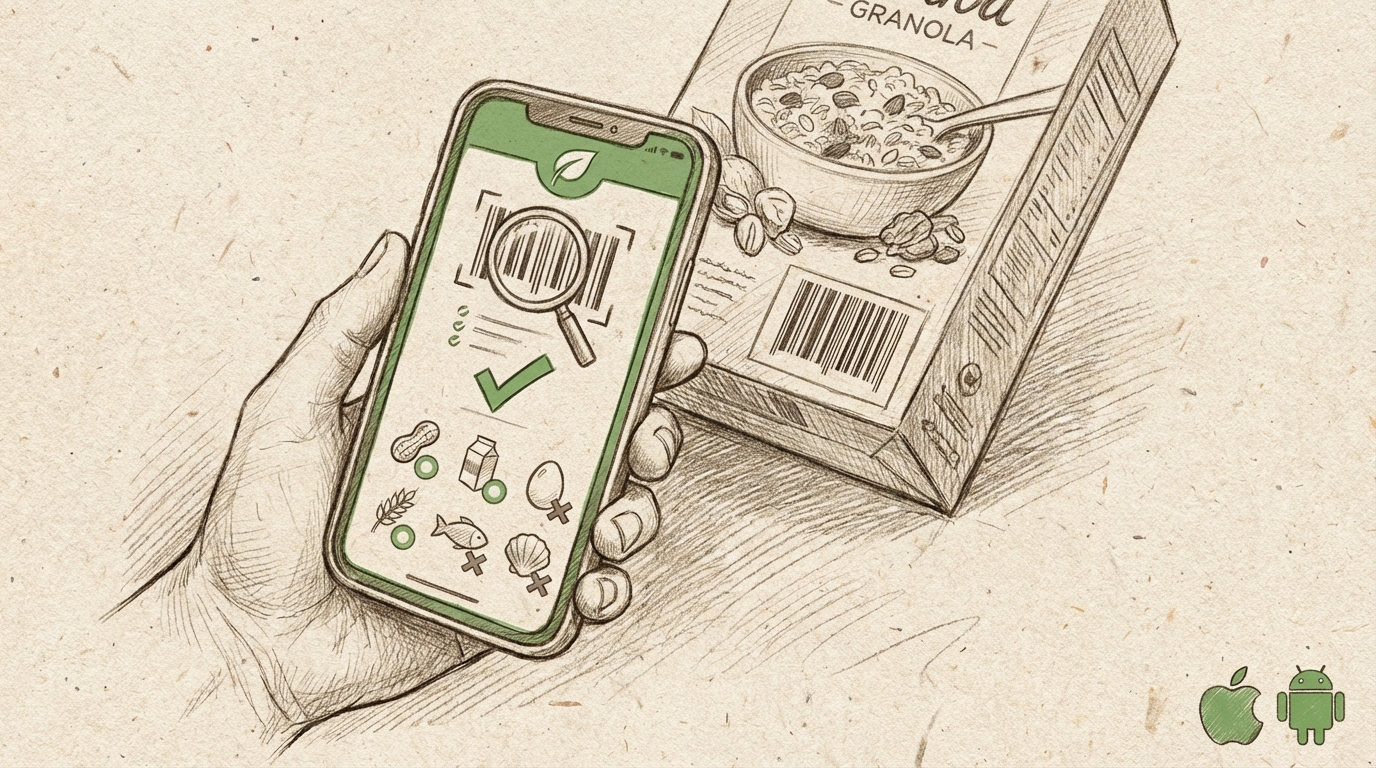
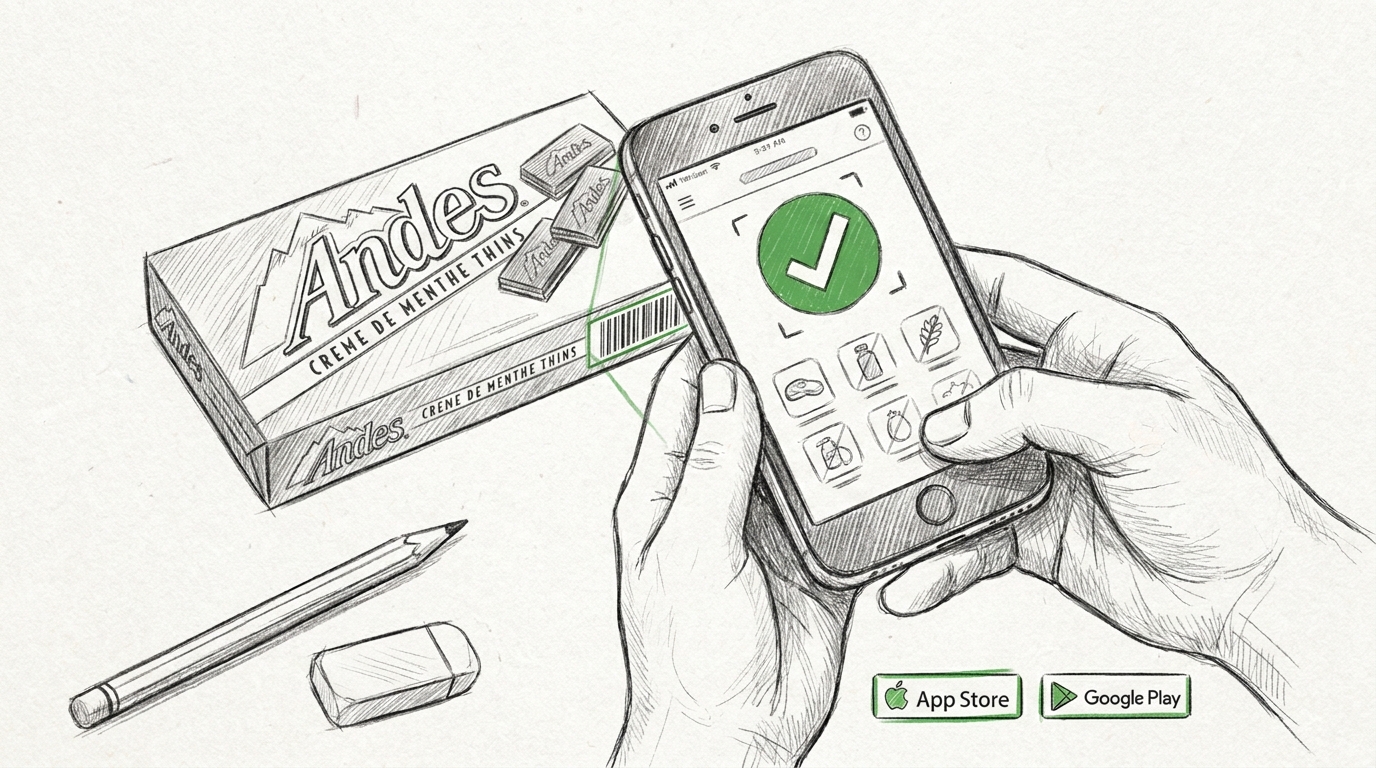
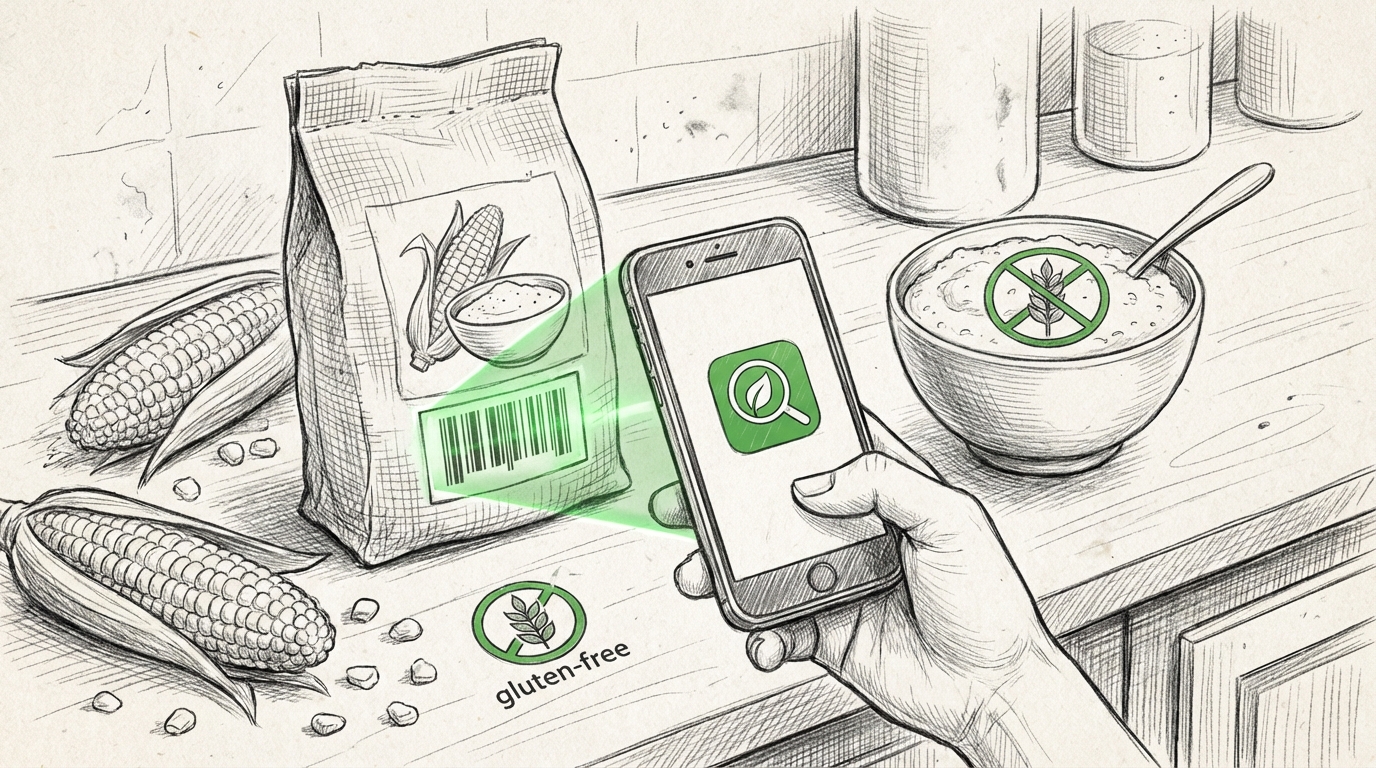
An allergy checker app helps by scanning product barcodes to instantly identify gluten, lactose, and other allergens in ingredients. These apps detect traces, additives, and preservatives across 13+ allergens, making grocery shopping safer and faster. Available on iOS and Android, they eliminate guesswork when selecting ingredients for gluten and lactose free recipes, ensuring every meal is safe for your dietary needs.
Are there gluten free alternatives to wheat-based ingredients in recipes?
Yes, numerous gluten free alternatives exist for wheat-based ingredients. Use almond flour, coconut flour, rice flour, or gluten-free all-purpose blends for baking. For pasta, choose rice noodles, quinoa pasta, or chickpea-based options. Gluten free wheat free beer is available for cooking and drinking. Products like gluten free cheese-its provide snack alternatives. Always verify labels using an allergy checker app to confirm products are truly gluten-free.
What should I check on nutrition labels for gluten and lactose free recipes?
Check ingredient lists for wheat, barley, rye, and oats (unless certified gluten-free), plus milk, whey, casein, and lactose. Look for hidden sources in additives and preservatives. Use tools like the chipotle nutrition calculator for restaurant meals to verify allergen information. An allergy checker app simplifies this process by scanning barcodes and automatically detecting gluten, lactose, and other allergens in packaged products.
Can I make gluten and lactose free recipes taste as good as regular recipes?
Absolutely! Gluten and lactose free recipes can be equally delicious using proper substitutions. Replace dairy milk with coconut, almond, or oat milk for creaminess. Use nutritional yeast for cheesy flavor, and experiment with gluten-free flours that suit your recipe. Fresh herbs, spices, and quality ingredients enhance taste. Many naturally gluten and lactose free cuisines, like Asian and Mediterranean dishes, offer flavorful inspiration.
How do I verify restaurant meals are gluten and lactose free?
Verify restaurant meals by asking detailed questions about ingredients, preparation methods, and cross-contamination protocols. Use resources like the chipotle nutrition info and chipotle nutrition calculator to check allergen content before ordering. Many restaurants now provide allergen menus online. For packaged ingredients used in restaurants, an allergy checker app can scan barcodes to confirm they're free from gluten and lactose.
What are common hidden sources of gluten and lactose in recipes?
Hidden gluten sources include soy sauce, malt vinegar, modified food starch, and certain additives like poly carboxylic acid or methane sulfonic acid used in processing. Lactose hides in processed meats, baked goods, salad dressings, and medications. Some products contain hydroxy stearic acid derived from dairy. Always scan product labels with an allergy checker app to detect these hidden allergens and traces in ingredients.
Are gluten free snacks automatically lactose free?
No, gluten free snacks are not automatically lactose free. Products like gluten free cheese-its contain dairy ingredients despite being wheat-free. Many gluten-free baked goods use butter, milk, or whey for texture and flavor. Always check labels for both allergens separately. An allergy checker app available on iOS and Android can quickly scan products to identify both gluten and lactose content simultaneously.
Introduction to Gluten and Lactose Free Recipes

Living with dietary restrictions doesn't mean sacrificing flavor or variety in your meals. Whether you're managing celiac disease, lactose intolerance, or simply choosing to avoid these ingredients for health reasons, discovering delicious gluten and lactose free recipes opens up a world of culinary possibilities that are both safe and satisfying.
The growing awareness of food sensitivities has transformed how we approach cooking and meal planning. Today, millions of people worldwide navigate daily life while avoiding gluten-containing grains and lactose-rich dairy products. This comprehensive guide will walk you through everything you need to know about creating nutritious, flavorful meals that meet your dietary needs.
From breakfast favorites to dinner staples, you'll discover practical recipes, ingredient substitutions, and expert tips that make gluten and lactose-free cooking both accessible and enjoyable. Whether you're new to these dietary restrictions or looking to expand your recipe repertoire, this guide provides the foundation for successful meal planning.
Understanding Gluten and Lactose Sensitivities

What Makes These Ingredients Problematic
Gluten is a protein found in wheat, barley, rye, and their derivatives. For individuals with celiac disease, consuming gluten triggers an autoimmune response that damages the small intestine. Even those without celiac disease may experience gluten sensitivity, leading to digestive discomfort and other symptoms.
Lactose, the natural sugar in milk and dairy products, requires the enzyme lactase for proper digestion. When your body doesn't produce enough lactase, consuming dairy products can result in bloating, cramping, and digestive distress.
Many people discover they need to avoid both ingredients simultaneously, making meal planning more complex. However, with the right tools and knowledge, creating satisfying meals becomes second nature.
The Importance of Allergen Detection
Hidden sources of gluten and lactose lurk in unexpected places. Processed foods, sauces, and even medications may contain traces of these ingredients. Using an allergy checker app helps you quickly identify potential allergens before purchasing or consuming products.
Modern technology has revolutionized how we manage dietary restrictions. A food allergy app allows you to scan barcodes and instantly access comprehensive allergen information, making grocery shopping safer and more efficient.
Essential Ingredients for Gluten and Lactose Free Cooking
Gluten-Free Grain Alternatives
Building a well-stocked pantry starts with understanding which grains and flours work best in gluten-free cooking. These alternatives provide texture, nutrition, and versatility in your recipes.
- Rice flour: Light and neutral, perfect for baking and coating
- Almond flour: Adds moisture and protein to baked goods
- Coconut flour: High in fiber, requires more liquid in recipes
- Quinoa: Complete protein source, works as a grain substitute
- Oats: Ensure they're certified gluten-free to avoid cross-contamination
- Buckwheat: Despite its name, naturally gluten-free
Dairy-Free Substitutes
The dairy-free market has exploded with innovative products that replicate the taste and texture of traditional dairy. These alternatives make transitioning to lactose-free cooking seamless.
| Dairy Product | Lactose-Free Alternative | Best Uses |
|---|---|---|
| Milk | Almond, oat, coconut, or soy milk | Beverages, baking, cooking |
| Butter | Coconut oil, vegan butter, olive oil | Baking, sautéing, spreading |
| Cheese | Nutritional yeast, cashew cheese, coconut-based cheese | Toppings, sauces, snacking |
| Yogurt | Coconut yogurt, almond yogurt, soy yogurt | Breakfast, smoothies, dips |
| Cream | Coconut cream, cashew cream | Sauces, soups, desserts |
Understanding Food Additives and Preservatives
When shopping for gluten and lactose-free products, understanding ingredient labels becomes crucial. Some chemical compounds commonly found in processed foods may cause sensitivities in certain individuals.
Hydroxy stearic acid, for example, is a fatty acid derivative used as an emulsifier in some food products. While generally considered safe, those with multiple sensitivities should monitor their reactions to various additives.
Similarly, methane sulfonic acid appears in some food processing applications, though it's less common in everyday consumer products. Poly carboxylic acid serves as a preservative in certain packaged foods, making label reading essential for those managing multiple dietary restrictions.
Breakfast Recipes Without Gluten and Lactose
Morning Staples Reimagined
Starting your day with a nutritious, satisfying breakfast sets the tone for success. These gluten and lactose-free options provide energy and flavor without compromising your dietary needs.
Gluten-Free Overnight Oats: Combine certified gluten-free oats with your favorite dairy-free milk, chia seeds, and fresh berries. Let sit overnight for a grab-and-go breakfast that's both convenient and delicious.
Vegetable Frittata: Whisk eggs with sautéed vegetables, herbs, and dairy-free cheese alternatives. Bake until golden for a protein-rich start to your day.
Smoothie Bowls: Blend frozen fruits with dairy-free yogurt and top with gluten-free granola, nuts, and seeds for a nutrient-dense breakfast that feels indulgent.
Baked Goods and Treats
Contrary to popular belief, gluten and lactose-free baking produces delicious results when you understand proper substitutions and techniques.
- Banana bread made with almond flour and coconut oil
- Blueberry muffins using gluten-free flour blend and almond milk
- Pancakes with buckwheat flour and dairy-free butter
- Waffles incorporating coconut flour and flax eggs
For those seeking convenient breakfast options, understanding the nutritional content of various foods helps with meal planning. Check out detailed information about English muffin nutrition to compare with gluten-free alternatives.
Lunch and Dinner Recipe Ideas
Hearty Main Courses
Creating satisfying main dishes without gluten or lactose requires creativity and understanding of flavor profiles. These recipes prove that dietary restrictions don't mean boring meals.
Grilled Chicken with Quinoa Salad: Marinate chicken breasts in olive oil, lemon, and herbs. Serve over a bed of quinoa mixed with roasted vegetables, fresh herbs, and a dairy-free vinaigrette.
Salmon with Cauliflower Rice: Season salmon fillets with your favorite spices and bake until flaky. Pair with cauliflower rice sautéed in coconut oil with garlic and vegetables.
Beef Stir-Fry: Use gluten-free tamari instead of soy sauce to create a flavorful stir-fry with tender beef strips and colorful vegetables served over rice noodles.
Soup and Stew Recipes
Comfort food takes center stage with these warming, nourishing soups and stews that naturally avoid gluten and lactose.
| Recipe | Key Ingredients | Prep Time |
|---|---|---|
| Thai Coconut Curry Soup | Coconut milk, vegetables, curry paste, rice noodles | 30 minutes |
| Vegetable Lentil Stew | Lentils, tomatoes, vegetables, herbs | 45 minutes |
| Chicken and Rice Soup | Chicken, white rice, carrots, celery | 40 minutes |
| Butternut Squash Soup | Squash, coconut cream, onions, spices | 50 minutes |
Understanding Restaurant Options
Dining out with dietary restrictions requires planning and knowledge. Many popular restaurants now offer detailed nutritional information to help you make informed choices.
When visiting chain restaurants, utilize tools like a chipotle nutrition calculator to understand exactly what you're consuming. The chipotle nutrition info available online helps you customize orders to meet your dietary needs while enjoying restaurant meals.
Understanding nutritional content extends beyond just allergens. For instance, knowing corn on the cob calories helps with overall meal planning and portion control.
Snacks and Treats for Every Craving
Store-Bought Options
The market for gluten and lactose-free snacks has expanded dramatically. However, finding truly safe options requires vigilance and proper label reading.
While traditional snacks may be off-limits, innovative companies have created delicious alternatives. For example, gluten free cheese-its alternatives now exist that capture the satisfying crunch and savory flavor of the original without the wheat or dairy.
Discover a comprehensive list of gluten free dairy free snacks that are both convenient and safe for your dietary needs.
Homemade Snack Ideas
Creating your own snacks ensures complete control over ingredients while often saving money compared to specialty store-bought products.
- Energy balls: Combine dates, nuts, coconut, and gluten-free oats
- Roasted chickpeas: Season with spices and bake until crispy
- Vegetable chips: Slice sweet potatoes, beets, or kale and bake with olive oil
- Trail mix: Mix nuts, seeds, dried fruit, and dairy-free chocolate chips
- Fruit leather: Puree fruit and dehydrate for a chewy, natural snack
Beverage Alternatives
Don't overlook beverages when planning your gluten and lactose-free lifestyle. Many people don't realize that certain drinks contain hidden sources of these ingredients.
Beer traditionally contains gluten, but gluten free wheat free beer options have become increasingly sophisticated. These alternatives use grains like sorghum, rice, or millet to create satisfying brews without the gluten.
For those exploring gluten free wheat free beer options, numerous craft breweries now specialize in creating flavorful alternatives that rival traditional varieties.
Baking Without Gluten and Lactose
Essential Baking Tips
Successful gluten and lactose-free baking requires understanding how alternative ingredients behave differently than traditional wheat flour and dairy products.
Gluten-free flours lack the elasticity that gluten provides, so recipes often require binders like xanthan gum or psyllium husk. Adding these ingredients helps create structure and prevents crumbly textures.
When replacing dairy in baking, consider the fat content. Full-fat coconut milk works well in recipes requiring cream, while dairy-free butter maintains similar properties to traditional butter in most applications.
Bread and Pizza Dough
Creating bread without gluten presents unique challenges, but understanding proper techniques yields excellent results.
Basic Gluten-Free Bread Recipe:
- Combine gluten-free flour blend, xanthan gum, yeast, salt, and sugar
- Mix in warm water, dairy-free milk, oil, and apple cider vinegar
- Let rise in a warm place for 30-45 minutes
- Bake at 375°F for 35-40 minutes until golden
Many people wonder about specialty breads like whether Ezekiel bread is gluten free. Understanding which commercial breads meet your dietary needs helps with grocery shopping decisions.
Desserts and Sweet Treats
Satisfying your sweet tooth becomes simple once you master gluten and lactose-free dessert techniques.
- Chocolate avocado mousse using cocoa powder and ripe avocados
- Coconut milk ice cream flavored with vanilla or fresh fruit
- Almond flour brownies with dairy-free chocolate chips
- Fruit crisps topped with gluten-free oat crumble
- Chia seed pudding sweetened with maple syrup
Meal Planning and Preparation Strategies
Weekly Planning Tips
Success with gluten and lactose-free cooking comes from thoughtful planning and preparation. Dedicating time each week to meal planning prevents last-minute stress and ensures you always have safe options available.
Start by creating a master list of your favorite recipes that meet your dietary requirements. Organize them by meal type and cooking time to streamline decision-making during busy weeks.
Batch cooking saves time and ensures you always have convenient meals ready. Prepare large quantities of gluten-free grains, roasted vegetables, and proteins that can be mixed and matched throughout the week.
Smart Shopping Strategies
Navigating the grocery store with dietary restrictions becomes easier with a systematic approach and the right tools.
| Shopping Strategy | Benefit | Implementation |
|---|---|---|
| Shop the perimeter | Focus on whole foods | Start with produce, meat, and naturally gluten/lactose-free items |
| Use scanning apps | Verify allergen safety | Download an allergy checker app before shopping |
| Read labels carefully | Avoid hidden ingredients | Check for derivatives and cross-contamination warnings |
| Buy in bulk | Save money | Stock up on gluten-free grains, nuts, and seeds |
Kitchen Organization
Preventing cross-contamination in your kitchen protects your health and ensures the safety of your meals.
Designate separate storage areas for gluten-free products to avoid accidental mixing. Use color-coded containers or clear labeling systems to quickly identify safe ingredients.
If sharing a kitchen with others who consume gluten and dairy, establish clear boundaries. Dedicate specific cutting boards, toasters, and utensils for gluten-free use only.
Navigating Social Situations and Dining Out
Restaurant Dining Tips
Eating out with dietary restrictions requires communication and preparation. Most restaurants accommodate special requests when given proper notice and clear information.
Call ahead to discuss your needs with the restaurant. Many establishments now train staff on allergen awareness and can suggest suitable menu modifications.
Ask detailed questions about food preparation. Cross-contamination occurs easily in busy kitchens, so ensure your meal is prepared with clean equipment and separate cooking surfaces.
Social Gatherings and Events
Attending parties and events with dietary restrictions doesn't mean missing out on enjoyment or connection with others.
- Offer to bring a dish to share that meets your dietary needs
- Eat a small meal before attending to avoid hunger-driven poor decisions
- Communicate your restrictions clearly but without making it the focus
- Research the venue or caterer in advance when possible
- Keep safe snacks in your bag for emergencies
Evaluating Packaged Foods
Understanding nutritional labels and ingredient lists empowers you to make informed choices about packaged foods.
Many people question whether popular products meet their dietary needs. For instance, understanding whether Yoplait yogurt is healthy and suitable for lactose-intolerant individuals requires examining both nutritional content and ingredient composition.
Modern technology simplifies this process. Using Nutrict's food allergy scanner app allows you to quickly scan product barcodes and receive instant information about allergens, including gluten and lactose content.
Nutritional Considerations and Balance
Ensuring Adequate Nutrition
Eliminating gluten and lactose from your diet requires attention to nutritional balance. Certain nutrients commonly found in wheat and dairy products need replacement through alternative sources.
Calcium, typically abundant in dairy products, can be obtained through fortified plant milks, leafy greens, almonds, and calcium-set tofu. Aim for 1000-1200mg daily depending on your age and gender.
B vitamins, particularly those found in enriched wheat products, should come from gluten-free whole grains, legumes, nuts, and seeds. Consider a B-complex supplement if your diet lacks variety.
Protein and Fiber Sources
Maintaining adequate protein and fiber intake supports overall health and digestive function when following a gluten and lactose-free diet.
| Nutrient | Food Sources | Daily Target |
|---|---|---|
| Protein | Eggs, fish, poultry, legumes, nuts, quinoa | 0.8g per kg body weight |
| Fiber | Fruits, vegetables, gluten-free oats, chia seeds | 25-30g daily |
| Healthy Fats | Avocado, olive oil, nuts, seeds, fatty fish | 20-35% of calories |
| Iron | Red meat, spinach, lentils, fortified cereals | 8-18mg daily |
Common Challenges and Solutions
Overcoming Recipe Failures
Even experienced cooks face challenges when adapting to gluten and lactose-free cooking. Understanding common pitfalls helps you troubleshoot and improve results.
Dense, heavy baked goods often result from using too much gluten-free flour or not enough leavening agents. Measure carefully and consider adding an extra egg or additional baking powder to improve texture.
Crumbly textures indicate insufficient binding. Add xanthan gum, ground flaxseed, or additional eggs to help ingredients hold together properly.
Managing Food Costs
Specialty gluten and lactose-free products often carry premium prices. Strategic shopping and cooking from scratch helps manage expenses while maintaining dietary compliance.
- Buy whole ingredients rather than processed specialty products
- Purchase gluten-free flours and grains in bulk from online retailers
- Make your own dairy-free milk using nuts, oats, or seeds
- Focus on naturally gluten and lactose-free whole foods
- Compare unit prices and shop sales strategically
Travel Considerations
Maintaining your dietary restrictions while traveling requires advance planning and flexibility.
Research restaurants and grocery stores at your destination before departure. Many cities now have dedicated gluten and lactose-free establishments or health food stores with extensive selections.
Pack portable snacks like nuts, dried fruit, and gluten-free crackers to avoid hunger emergencies. Bring a food allergy scanner app on your phone to verify products in unfamiliar stores.
Building Your Recipe Collection
Starting Your Journey
Transitioning to gluten and lactose-free cooking feels overwhelming initially, but building a solid foundation of reliable recipes creates confidence and enjoyment.
Begin with simple recipes using minimal ingredients. Master basic techniques before attempting complex dishes. This approach builds skills progressively and prevents discouragement.
Keep a cooking journal to track successful recipes, modifications that worked, and lessons learned from failures. This personalized resource becomes invaluable over time.
Expanding Your Culinary Horizons
Once comfortable with basics, explore international cuisines that naturally align with gluten and lactose-free eating.
Asian cuisines often feature rice-based dishes and use coconut milk instead of dairy. Thai, Vietnamese, and many Chinese dishes adapt easily to gluten-free requirements using tamari instead of soy sauce.
Mediterranean cooking emphasizes olive oil, fresh vegetables, fish, and naturally gluten-free grains like quinoa and rice. These flavor profiles provide endless inspiration for satisfying meals.
Seasonal Cooking
Embracing seasonal ingredients keeps your meals interesting while supporting local agriculture and reducing costs.
- Spring: Asparagus, peas, strawberries, leafy greens
- Summer: Tomatoes, zucchini, berries, stone fruits
- Fall: Squash, apples, root vegetables, Brussels sprouts
- Winter: Citrus, kale, sweet potatoes, pomegranates
Take Control of Your Dietary Journey
Living successfully with gluten and lactose restrictions requires knowledge, planning, and the right tools. The recipes and strategies outlined in this guide provide a comprehensive foundation for creating delicious, safe meals that support your health and satisfy your taste buds.
Remember that managing dietary restrictions becomes easier with practice and proper resources. Technology now offers unprecedented support for those navigating food allergies and sensitivities.
Don't let uncertainty about ingredients hold you back from enjoying meals confidently. Take advantage of modern solutions that simplify allergen detection and provide peace of mind with every food choice you make.
Ready to make grocery shopping and meal planning easier than ever? Visit Nutrict to discover how our food allergy scanner app helps you instantly identify allergens in products by simply scanning barcodes. With support for 13 different allergens including gluten and lactose, plus detection of traces, additives, and preservatives, you'll have the confidence to make safe food choices every time. Available on both iOS and Android, Nutrict puts comprehensive allergen information right at your fingertips. Start scanning today and take control of your dietary needs with confidence.
Article created using IntentRank