Does Subway Have Gluten-Free Bread? 2024 Guide
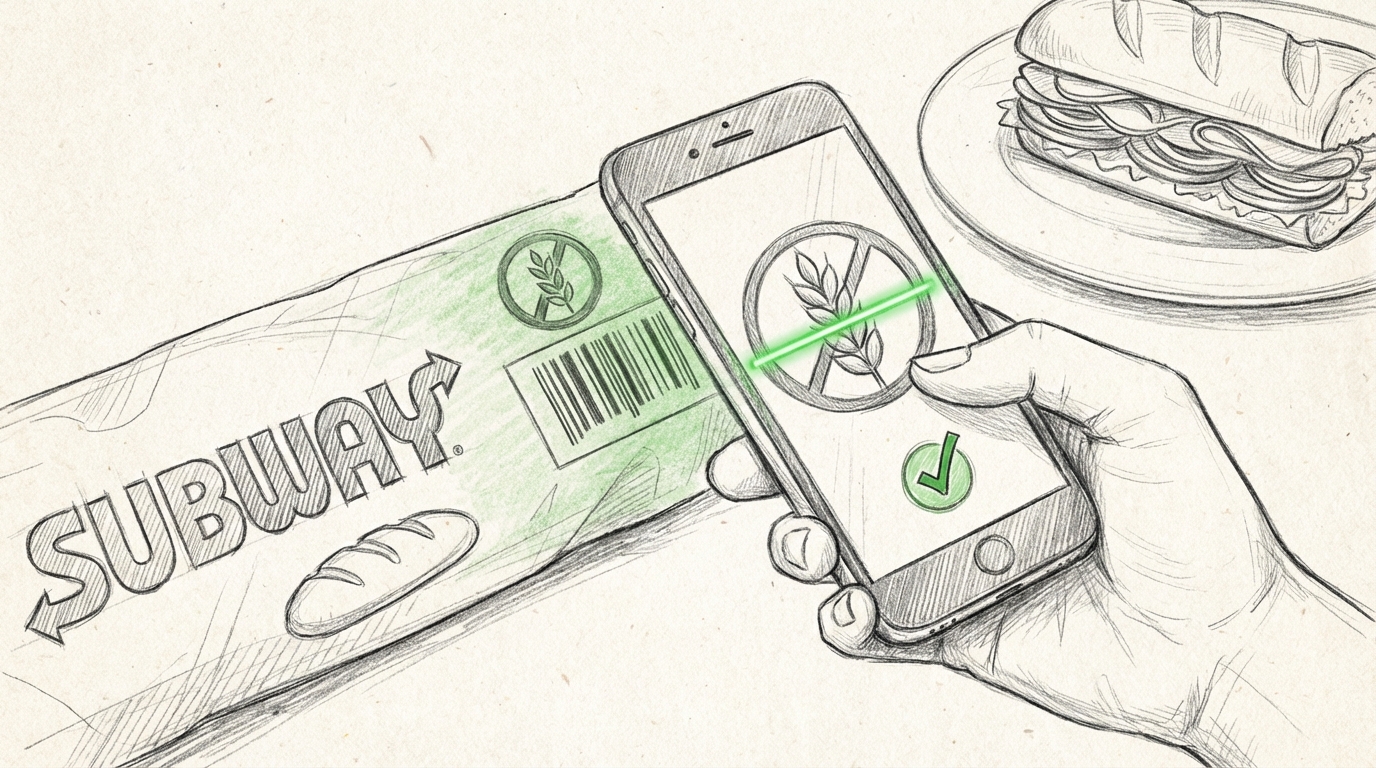
TL;DR: Yes, Subway offers gluten-free bread in many locations, though availability varies by region and restaurant. The gluten-free bread comes pre-packaged and is prepared separately to minimize cross-contamination. However, Subway cannot guarantee a completely gluten-free meal due to shared preparation surfaces and equipment. Always verify availability and allergen information with your local Subway restaurant before ordering.
Frequently Asked Questions

Does Subway have gluten free bread?
Yes, Subway offers gluten-free bread at participating locations in the United States and select international markets. The gluten-free bread is individually wrapped and prepared separately to minimize cross-contamination. However, Subway cannot guarantee a completely gluten-free environment since other menu items contain gluten. Always inform staff about your dietary restrictions and verify availability at your local Subway restaurant.
Is Subway's gluten free bread safe for people with celiac disease?
Subway's gluten-free bread is manufactured in a gluten-free facility, but Subway restaurants are not gluten-free environments. Cross-contamination can occur during preparation, toasting, and handling. While Subway takes precautions like using separate gloves and wrapping, they do not recommend their gluten-free bread for customers with celiac disease due to the high risk of cross-contact with gluten-containing ingredients.
What allergens should I check for when ordering at Subway?
When ordering at Subway, check for common allergens including wheat, soy, milk, eggs, and sesame. Many breads contain gluten, while meats and cheeses may contain milk and soy. Cross-contamination is possible with nuts, shellfish, and other allergens. Use an allergy checker app to scan product barcodes and identify specific allergens, traces, additives, and preservatives in Subway menu items before ordering.
How can I use an allergy checker app at restaurants like Subway?
An allergy checker app allows you to scan product barcodes to detect up to 13 different allergens, traces, additives, and preservatives. Before ordering at restaurants, use the app to check packaged ingredients or pre-made items. The app identifies potential allergens instantly, helping you make safer food choices. Most apps are available on both iOS and Android devices for convenient access.
What ingredients are in Subway's gluten free bread?
Subway's gluten-free bread typically contains ingredients like rice flour, tapioca starch, water, egg whites, and various additives. Some formulations may include hydroxy stearic acid or similar emulsifiers to improve texture and shelf life. The exact ingredients can vary by region. Always check the ingredient label or ask for nutritional information at your local Subway to verify specific ingredients and potential allergens.
Are there other gluten free options besides bread at Subway?
Yes, Subway offers several gluten-free options beyond bread. You can order salads with any protein and vegetables, which are naturally gluten-free. However, be cautious of cross-contamination from utensils and preparation surfaces. Some dressings and sauces may contain gluten or additives, so verify ingredients before ordering. Using an allergen scanning app can help identify safe options for your dietary needs.
What is the difference between gluten free and wheat free products?
Gluten-free products contain less than 20 parts per million of gluten and avoid wheat, barley, and rye. Wheat-free products simply exclude wheat but may contain gluten from other sources like barley or rye. For celiac disease or gluten sensitivity, choose certified gluten-free products. Some items like gluten-free wheat-free beer use alternative grains like sorghum or rice to avoid both wheat and gluten.
How do I check if Subway bread contains harmful additives?
To check for additives in Subway bread, request nutritional information at the restaurant or visit Subway's website for ingredient lists. Look for additives like preservatives, poly carboxylic acid, or methane sulfonic acid. An allergy checker app can help identify these substances by scanning barcodes on packaged items. These apps detect not only allergens but also additives and preservatives that may cause sensitivities.
Understanding Subway's Gluten Free Bread Options

If you're wondering "does Subway have gluten free bread," the answer is yes—but with important caveats. Subway introduced gluten free bread at many locations to accommodate customers with celiac disease and gluten sensitivities, but availability varies significantly by location and region.
The gluten free bread option at Subway is individually wrapped and prepared separately to minimize cross-contamination risks. However, Subway explicitly states that their restaurants are not gluten-free environments, which means cross-contact with gluten-containing ingredients remains a possibility.
This comprehensive guide explores everything you need to know about Subway's gluten free offerings, including nutritional information, safety considerations, and alternative options for those managing dietary restrictions.
What Makes Subway's Gluten Free Bread Different

Subway's gluten free bread is manufactured by Udi's, a well-known brand specializing in gluten-free products. The bread comes pre-packaged and sealed to reduce the risk of gluten contamination during storage and preparation.
Key Characteristics of Subway's Gluten Free Bread
- Individually wrapped in sealed packaging
- Smaller size compared to regular Subway bread (approximately 6 inches)
- Different texture and taste profile than traditional wheat bread
- Contains no wheat, barley, or rye ingredients
- Prepared on separate surfaces with clean gloves upon request
The bread contains ingredients like tapioca starch, rice flour, and potato starch as gluten-free alternatives to wheat flour. While these ingredients create a bread-like texture, many customers report that it differs noticeably from Subway's traditional bread options.
Nutritional Profile Comparison
| Nutrient | Gluten Free Bread | Italian Bread |
|---|---|---|
| Calories | 340 | 200 |
| Total Fat | 6g | 2g |
| Carbohydrates | 66g | 38g |
| Protein | 2g | 8g |
| Fiber | 4g | 2g |
| Sodium | 510mg | 310mg |
Interestingly, the gluten free option contains significantly more calories and carbohydrates than traditional wheat bread. This is common with gluten free products, which often rely on starches and additional fats to achieve desirable texture and taste.
Cross-Contamination Risks at Subway Locations
The most critical concern for people with celiac disease or severe gluten sensitivities is cross-contamination. Subway's preparation environment poses several contamination risks that you should understand before ordering.
Where Cross-Contact Can Occur
- Cutting surfaces used for regular bread
- Knives and utensils shared between gluten-containing and gluten-free orders
- Employee gloves that may have touched wheat bread or flour
- Toasting ovens shared with regular bread
- Airborne flour particles in the preparation area
- Shared vegetable bins and topping containers
Subway officially states that they cannot guarantee their gluten free bread will be completely free from gluten exposure. This disclaimer is crucial for individuals with celiac disease, who must avoid even trace amounts of gluten.
Minimizing Cross-Contamination Risk
If you choose to order gluten free bread at Subway, take these precautions to reduce cross-contact:
- Request that employees change their gloves before handling your sandwich
- Ask them to use clean utensils and cutting boards
- Avoid toasting your sandwich in shared ovens
- Choose toppings from fresh containers rather than bins
- Consider ordering during less busy hours when staff can take more care
- Communicate clearly about your dietary needs and severity of your sensitivity
For those managing food allergies beyond gluten, using an allergy checker app can help identify other potential allergens in Subway's ingredients and toppings.
Availability and Regional Differences
Not all Subway locations carry gluten free bread, and availability varies significantly by region and country. Understanding these differences helps set appropriate expectations when visiting different locations.
United States Availability
In the United States, gluten free bread availability is inconsistent. Some franchises choose to stock it while others do not, based on local demand and storage capacity. Urban areas and regions with higher health-consciousness tend to have better availability.
Before visiting a Subway location, call ahead to confirm they have gluten free bread in stock. Many locations run out during peak hours or may discontinue carrying it due to low demand.
International Availability
| Region | Availability Status | Notes |
|---|---|---|
| United States | Varies by location | Not guaranteed at all franchises |
| Canada | Limited availability | More common in major cities |
| United Kingdom | Widely available | Most locations stock gluten free options |
| Australia | Generally available | Strong gluten-free market presence |
| Europe | Varies by country | Better availability in Western Europe |
Comparing Subway to Other Fast Food Gluten Free Options
When evaluating whether Subway's gluten free bread meets your needs, it's helpful to compare it with other fast-food chains offering gluten-free alternatives. Many restaurants now provide options for customers with dietary restrictions.
Fast Food Chains with Gluten Free Options
- Chipotle: Naturally gluten-free options including rice bowls and salads (avoid flour tortillas). Use a food allergy app to check specific ingredients when ordering.
- Five Guys: Offers lettuce wraps and bunless burgers with dedicated allergen information
- Chick-fil-A: Provides gluten-free buns at most locations with separate preparation protocols
- In-N-Out: Protein-style burgers wrapped in lettuce instead of buns
- Jersey Mike's: Offers gluten-free bread with more extensive preparation protocols than Subway
While Chipotle doesn't offer gluten free bread specifically, their chipotle nutrition calculator and chipotle nutrition info resources help customers make informed choices about ingredients and allergen content.
Comparison of Gluten Free Bread Quality
| Restaurant | Bread Type | Cross-Contamination Protocol | Taste Rating |
|---|---|---|---|
| Subway | Udi's 6-inch roll | Minimal - shared environment | 3/5 |
| Jersey Mike's | Udi's roll | Moderate - separate prep area | 3.5/5 |
| Chick-fil-A | Branded GF bun | Good - dedicated protocols | 4/5 |
| Red Robin | Branded GF bun | Excellent - dedicated procedures | 4.5/5 |
Additional Allergen Considerations at Subway
Beyond gluten, Subway's menu contains numerous other allergens that customers need to be aware of. Understanding the full allergen profile helps those with multiple food sensitivities make safe choices.
Common Allergens in Subway Products
Subway's ingredients contain various allergens including dairy, eggs, soy, tree nuts, and sesame. Their meats may contain additives and preservatives that some individuals need to avoid.
- Dairy: Present in most cheeses, some sauces, and certain bread varieties
- Eggs: Found in mayonnaise-based sauces and some bread formulations
- Soy: Common in processed meats and some sauces
- Sesame: Present in certain bread types and dressings
- Tree Nuts: May be present in cookies and some specialty items
For those seeking gluten free dairy free snacks or complete allergen-free options, Subway's salad offerings without cheese or dairy-based dressings may be more suitable than sandwiches.
Chemical Additives and Preservatives
Some health-conscious consumers avoid specific chemical additives found in processed foods. Subway's ingredients may contain substances like hydroxy stearic acid, methane sulfonic acid, and poly carboxylic acid, which are used as emulsifiers, stabilizers, or preservatives in various food products.
While these additives are generally recognized as safe by food regulatory agencies, some individuals prefer to avoid them. Reading ingredient labels carefully or using technology like Nutrict's food allergy scanner app can help identify these compounds quickly.
Better Alternatives for Strict Gluten-Free Diets
For individuals with celiac disease or severe gluten sensitivities, Subway may not be the safest option due to cross-contamination risks. Consider these alternatives that offer better gluten-free protocols.
Dedicated Gluten-Free Restaurants
- 100% Gluten-Free Bakeries: Completely safe environments with no risk of cross-contact
- Celiac-Friendly Restaurants: Establishments with separate preparation areas and trained staff
- Natural Food Stores: Many have deli sections with strict allergen protocols
Packaged Gluten-Free Alternatives
When eating on the go, pre-packaged options provide more control over ingredients and contamination risks. Look for certified gluten-free products that meet strict testing standards.
Products like gluten free cheese-its offer convenient snacking options, while gluten free wheat free beer provides beverage choices for social occasions. These items undergo rigorous testing to ensure they contain less than 20 parts per million of gluten.
Home-Prepared Options
Preparing sandwiches at home using certified gluten-free bread remains the safest option for those with severe sensitivities. This approach allows complete control over ingredients and eliminates cross-contamination concerns.
| Brand | Texture | Certification | Best Use |
|---|---|---|---|
| Canyon Bakehouse | Soft, similar to wheat | Certified GF | Sandwiches, toast |
| Udi's | Firm, holds well | Certified GF | Sandwiches |
| Schar | European-style | Certified GF | All purposes |
| Little Northern Bakehouse | Soft, fluffy | Certified GF | Toast, sandwiches |
How to Order Safely at Subway
If you decide to order gluten free bread at Subway despite the cross-contamination risks, following specific protocols can help minimize exposure to gluten and other allergens.
Step-by-Step Ordering Process
- Call ahead: Confirm the location has gluten free bread in stock
- Visit during off-peak hours: Staff can take more time with your order
- Communicate clearly: Explain you have celiac disease or severe gluten sensitivity
- Request fresh gloves: Ask the employee to change gloves before handling your food
- Request clean utensils: Ensure knives and serving tools are clean
- Skip the toaster: Avoid shared toasting ovens
- Choose simple toppings: Opt for fresh vegetables rather than processed items
- Verify ingredients: Ask about sauces and dressings that may contain gluten
Questions to Ask Subway Employees
- "Can you change your gloves before preparing my sandwich?"
- "Is there a clean cutting board available?"
- "Which sauces and dressings are gluten-free?"
- "Have you prepared gluten-free orders before?"
- "Can you use fresh vegetables from new containers?"
Being polite but firm about your needs helps ensure staff takes your dietary requirements seriously. Most Subway employees are willing to accommodate special requests when customers communicate clearly.
Understanding Gluten-Free Certification Standards
Not all gluten-free products meet the same standards. Understanding certification levels helps you make informed decisions about which products are safe for your specific needs.
FDA Gluten-Free Standards
In the United States, the FDA requires products labeled "gluten-free" to contain less than 20 parts per million (ppm) of gluten. This threshold is considered safe for most people with celiac disease, though some extremely sensitive individuals may react to even these trace amounts.
Third-Party Certifications
| Certification | Standard | Recognition |
|---|---|---|
| GFCO (Gluten-Free Certification Organization) | Less than 10 ppm | Most stringent in North America |
| NSF Gluten-Free | Less than 20 ppm | Widely recognized |
| CSA Gluten-Free | Less than 20 ppm | Canadian standard |
| Coeliac UK | Less than 20 ppm | UK and European standard |
Subway's gluten free bread meets FDA standards but does not carry third-party certification from organizations like GFCO. This distinction matters for individuals who require the highest level of assurance.
Nutritional Considerations Beyond Gluten
While focusing on gluten content is essential for those with celiac disease, overall nutritional value matters for everyone. Subway's gluten free bread has distinct nutritional characteristics worth considering.
Macronutrient Analysis
As shown in earlier comparisons, Subway's gluten free bread contains significantly more calories and carbohydrates than traditional wheat bread. This is partly due to the starches used to replace wheat flour and create acceptable texture.
The higher fat content comes from added oils that improve moisture and mouthfeel. While these additions make the bread more palatable, they also increase caloric density.
Micronutrient Content
- Lower protein: Gluten-free bread typically contains less protein than wheat bread
- Reduced B vitamins: Unless fortified, may lack B vitamins naturally present in wheat
- Higher fiber: Some gluten-free formulations add fiber to improve texture
- Added iron: Often fortified to compensate for nutritional differences
For comparison, consider nutritional information from other food items. Just as understanding English muffin nutrition or corn on the cob calories helps with meal planning, knowing the complete nutritional profile of gluten-free bread supports informed dietary choices.
Real Customer Experiences with Subway's Gluten Free Bread
Understanding real-world experiences from customers with celiac disease and gluten sensitivities provides valuable context beyond official statements and nutritional data.
Common Positive Feedback
- Convenient option when traveling or in areas with limited gluten-free choices
- Individually wrapped packaging reduces contamination concerns
- Staff generally willing to accommodate special preparation requests
- Reasonable taste for a gluten-free alternative
Common Complaints and Concerns
- Inconsistent availability across locations
- Higher price point compared to regular bread options
- Smaller size leaves some customers feeling unsatisfied
- Reports of glutening from cross-contamination
- Texture significantly different from wheat bread
- Some locations poorly trained in handling dietary restrictions
Who Should Avoid Subway's Gluten Free Option
Based on customer experiences and medical recommendations, the following individuals should exercise extreme caution or avoid Subway entirely:
- People with diagnosed celiac disease who are highly sensitive to trace gluten
- Individuals who have experienced reactions at Subway previously
- Those with multiple severe food allergies requiring strict protocols
- Anyone who cannot tolerate any risk of cross-contamination
For these individuals, restaurants with dedicated gluten-free facilities or home-prepared meals provide safer alternatives.
The Future of Gluten-Free Fast Food
The fast-food industry continues evolving to meet growing demand for allergen-friendly options. Understanding these trends helps set expectations for future improvements.
Industry Trends
More restaurants are implementing dedicated preparation areas and improved training protocols. Some chains now offer certified gluten-free kitchens or separate preparation zones to minimize cross-contact.
Technology also plays an increasing role. Apps like Nutrict allow customers to scan product barcodes and instantly identify allergens, traces, additives, and preservatives across 13 different allergen categories.
What Consumers Can Expect
- Improved gluten-free bread formulations with better taste and texture
- More comprehensive allergen training for restaurant staff
- Enhanced digital tools for allergen identification and menu navigation
- Greater transparency about cross-contamination risks
- Expansion of certified gluten-free fast-food options
Making Informed Decisions About Subway's Gluten Free Bread
Deciding whether Subway's gluten free bread is right for you depends on multiple factors including the severity of your gluten sensitivity, your risk tolerance, and available alternatives.
Decision-Making Framework
| Your Situation | Recommendation | Reasoning |
|---|---|---|
| Diagnosed celiac disease | Avoid or extreme caution | High cross-contamination risk |
| Mild gluten sensitivity | May be acceptable | Lower risk tolerance acceptable |
| Gluten-free by choice | Generally fine | Trace amounts less concerning |
| Multiple food allergies | Avoid | Too many contamination risks |
| Traveling with limited options | Consider as backup | Better than no option |
Questions to Ask Yourself
- How severe are my reactions to gluten exposure?
- Am I in a situation where I have better alternatives?
- Can I clearly communicate my needs to restaurant staff?
- Am I willing to accept some level of cross-contamination risk?
- Do I have access to emergency medication if needed?
Just as consumers research whether products like Ezekiel bread is gluten free or if Yoplait yogurt is healthy, investigating Subway's gluten-free options thoroughly helps you make choices aligned with your health needs.
Conclusion: Weighing Your Options
So, does Subway have gluten free bread? Yes, but with significant limitations. While Subway offers gluten free bread at many locations, the high risk of cross-contamination makes it unsuitable for many people with celiac disease or severe gluten sensitivities.
The individually wrapped Udi's bread provides some protection, but Subway's shared preparation environment means trace gluten exposure remains a real possibility. For those with mild sensitivities or following a gluten-free diet by choice rather than medical necessity, Subway's option may work adequately with proper precautions.
However, individuals with diagnosed celiac disease should carefully weigh the risks against benefits. Alternative restaurants with better protocols, home-prepared meals, or dedicated gluten-free establishments offer safer choices for strict dietary management.
Take Control of Your Food Safety
Managing food allergies and dietary restrictions doesn't have to be overwhelming. Modern technology makes it easier than ever to identify allergens and make informed choices about what you eat.
Whether you're navigating gluten sensitivities, managing multiple food allergies, or simply want to avoid specific additives and preservatives, having reliable information at your fingertips is essential. Visit Nutrict to discover how our food allergy scanner app helps you quickly identify 13 different allergens, traces, additives, and preservatives by simply scanning product barcodes. Available on both iOS and Android, Nutrict puts food safety information in your pocket, helping you make confident decisions wherever you shop or dine.
Don't leave your health to chance. Take control of your food choices today and eat with confidence knowing exactly what's in your food.
Article created using IntentRank