Chicken Salad Nutrition Info: Calories & Health Facts
TL;DR: Chicken salad nutrition info typically shows 200-400 calories per cup, with 15-25g protein, 10-20g fat, and 5-15g carbohydrates, depending on ingredients like mayonnaise, nuts, or grapes. Sodium ranges from 300-800mg per serving. Exact values vary by recipe and preparation method, so checking labels or scanning barcodes helps identify specific nutritional content and allergens.
Frequently Asked Questions

What is the nutritional information for chicken salad?
Chicken salad typically contains 200-400 calories per cup, depending on ingredients. A standard serving provides 15-25g of protein, 10-25g of fat, and 5-15g of carbohydrates. The nutrition varies based on mayonnaise content, chicken preparation method, and added ingredients like grapes, nuts, or celery. Store-bought versions often have higher sodium levels (400-800mg) compared to homemade alternatives.
How can I check for allergens in chicken salad products?
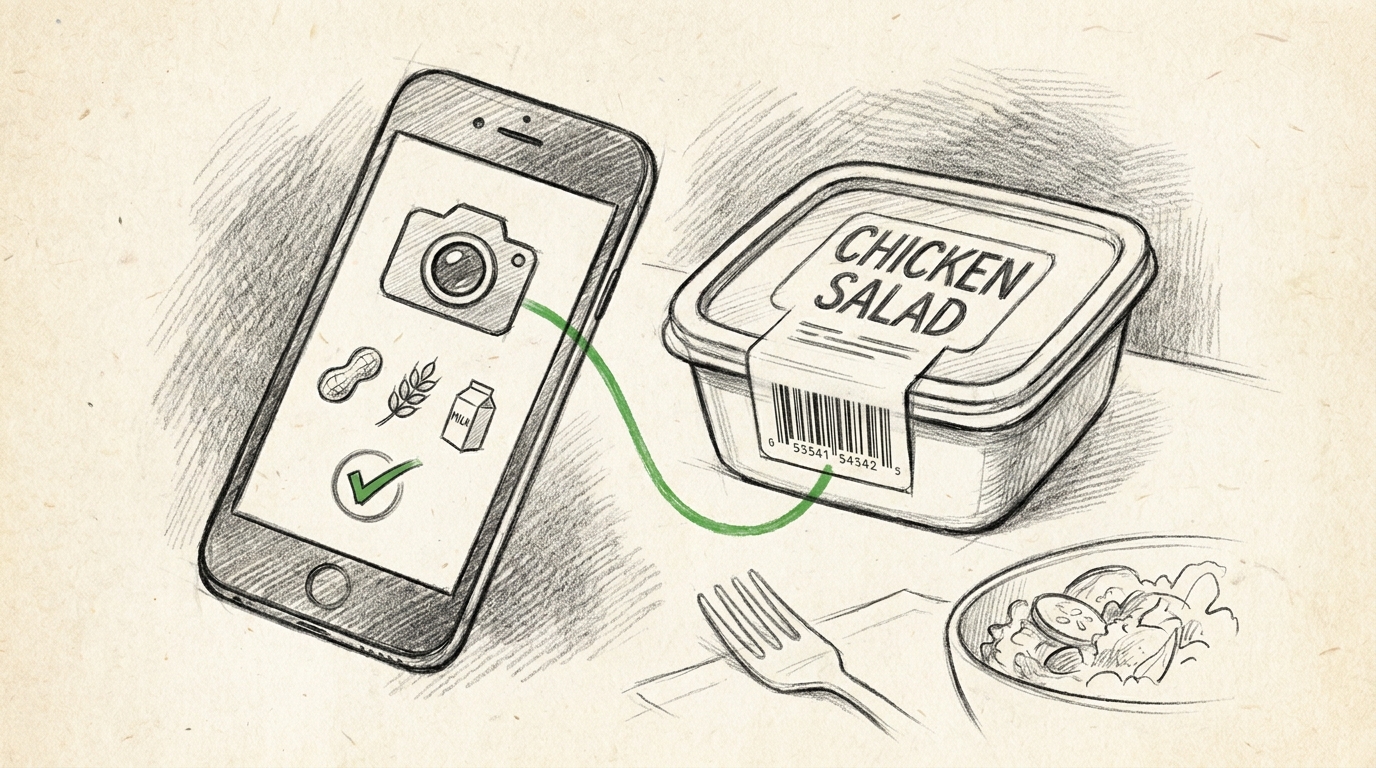
Use an allergen checker app to scan product barcodes and identify potential allergens in chicken salad. These apps detect common allergens like eggs (in mayonnaise), tree nuts, soy, and gluten. The best apps identify 13 different allergens, traces, additives, and preservatives, available on iOS and Android. This is especially helpful for people with food sensitivities or following specific dietary restrictions.
Is chicken salad gluten-free?
Most basic chicken salad recipes are naturally gluten-free, containing chicken, mayonnaise, and vegetables. However, some store-bought versions may contain gluten through additives, thickeners, or cross-contamination. Always check labels for hidden gluten sources or use an allergen scanning app. If dining out, verify preparation methods and ask about gluten-free ingredients to ensure safety for celiac disease or gluten sensitivity.
How does Chipotle nutrition calculator help with chicken salad choices?
Chipotle's nutrition calculator allows you to customize and track nutritional information for salad bowls, including chicken options. You can calculate calories, protein, carbs, fats, and sodium by selecting specific ingredients. This tool helps manage dietary goals and identify allergens in your meal. The calculator provides transparency for health-conscious consumers and those with dietary restrictions or allergies.
What allergens are commonly found in chicken salad?
Common allergens in chicken salad include eggs (from mayonnaise), tree nuts (walnuts, pecans, almonds), soy (in dressings), and sometimes gluten (from additives or croutons). Celery, a frequent ingredient, can also trigger allergic reactions in sensitive individuals. Some recipes contain dairy, mustard, or sesame. Using an allergen detection app can help identify these ingredients and traces before consumption.
How many calories are in restaurant chicken salad?
Restaurant chicken salad typically ranges from 300-700 calories per serving, significantly higher than homemade versions due to extra mayonnaise and added ingredients. Fast-casual chains like Chipotle offer nutrition calculators to check exact calorie counts. The calorie content varies based on portion size, dressing amount, and additions like bacon, cheese, or fried toppings. Always check nutrition info before ordering.
Can I find gluten-free options when eating chicken salad?
Yes, many chicken salad options are naturally gluten-free or can be modified. Choose versions without croutons, bread, or gluten-containing additives. Look for certified gluten-free products or use an allergen checker app to scan ingredients. When dining out, request gluten-free preparation and verify cross-contamination protocols. Pair with gluten-free crackers or enjoy on lettuce wraps for a safe, satisfying meal.
What additives and preservatives are in store-bought chicken salad?
Store-bought chicken salad often contains preservatives like sodium benzoate, potassium sorbate, and calcium propionate to extend shelf life. Common additives include modified food starch, xanthan gum for texture, and artificial flavors. Some products contain poly carboxylic acid derivatives as stabilizers. Scanning products with an allergen detection app helps identify these additives, preservatives, and potential allergen traces for informed purchasing decisions.
Understanding Chicken Salad Nutrition Info: A Complete Guide

When it comes to understanding chicken salad nutrition info, the details matter—especially if you're managing food allergies, dietary restrictions, or simply trying to make healthier choices. Chicken salad is a popular lunch option that can vary dramatically in nutritional content depending on ingredients, preparation methods, and portion sizes. Whether you're grabbing it from a deli counter or making it at home, knowing what's inside your chicken salad is essential for maintaining your health goals.
This comprehensive guide breaks down everything you need to know about chicken salad nutrition, from calorie counts and macronutrient profiles to hidden allergens and healthier preparation alternatives. We'll also explore how modern tools like an allergy checker app can help you navigate food choices more safely and confidently.
Basic Chicken Salad Nutrition Info Breakdown

Traditional chicken salad typically combines cooked chicken breast with mayonnaise, celery, and seasonings. The nutritional profile can vary significantly based on the ratio of these ingredients and any additional add-ins like grapes, nuts, or dried cranberries.
Standard Chicken Salad Nutritional Values
A typical one-cup serving of classic chicken salad contains approximately:
| Nutrient | Amount per 1 Cup (220g) | % Daily Value |
|---|---|---|
| Calories | 350-450 | 18-23% |
| Total Fat | 25-35g | 32-45% |
| Saturated Fat | 4-6g | 20-30% |
| Cholesterol | 75-95mg | 25-32% |
| Sodium | 500-800mg | 22-35% |
| Carbohydrates | 8-15g | 3-5% |
| Protein | 25-30g | 50-60% |
These values can fluctuate dramatically based on preparation methods. Store-bought versions often contain higher sodium levels and additional preservatives, while homemade versions allow for better control over ingredients.
Macronutrient Distribution
The macronutrient breakdown of chicken salad typically skews toward high protein and high fat, with relatively low carbohydrates. This makes it a popular choice for those following low-carb or ketogenic diets, though the high fat content primarily comes from mayonnaise.
- Protein: 30-40% of total calories, providing essential amino acids for muscle maintenance and repair
- Fat: 50-60% of total calories, predominantly from mayonnaise and any added nuts or oils
- Carbohydrates: 10-15% of total calories, mainly from vegetables and any sweet additions like grapes or cranberries
Hidden Allergens and Additives in Chicken Salad
For individuals with food allergies or sensitivities, chicken salad presents multiple potential concerns. Understanding these hidden allergens is crucial for safe consumption, and using a food allergy app can help you quickly identify problematic ingredients.
Common Allergens Found in Chicken Salad
Chicken salad often contains several of the major food allergens without obvious labeling:
| Allergen | Common Sources in Chicken Salad | Risk Level |
|---|---|---|
| Eggs | Mayonnaise, dressings | High |
| Soy | Mayonnaise, seasonings, vegetable oil | Medium-High |
| Tree Nuts | Walnuts, pecans, almonds as add-ins | Medium |
| Celery | Fresh celery pieces | Medium |
| Mustard | Seasonings, dressings | Low-Medium |
| Sulfites | Dried fruits, preservatives | Low-Medium |
The presence of these allergens isn't always obvious from menu descriptions or product labels. An allergy scanner app can help you detect these hidden ingredients by scanning product barcodes to identify 13 different allergens, traces, additives, and preservatives.
Chemical Additives and Preservatives
Commercial chicken salad preparations often contain various chemical additives to extend shelf life and enhance flavor. Understanding these compounds is particularly important for those with sensitivities or preferences for clean eating.
- Hydroxy stearic acid: Sometimes used as an emulsifier in commercial mayonnaise and dressings to maintain texture stability
- Methane sulfonic acid: Occasionally used in food processing as a pH adjuster, though less common in direct food applications
- Poly carboxylic acid: Can appear in certain preservative systems and food-grade polymers used in packaging materials
- Sodium benzoate: A common preservative in commercial chicken salad products
- Calcium propionate: Used to prevent mold growth in packaged products
While these additives are generally recognized as safe by regulatory authorities, some individuals prefer to avoid them due to sensitivities or personal dietary philosophies.
Comparing Restaurant and Chain Chicken Salad Nutrition
Restaurant and chain versions of chicken salad can vary significantly in nutritional content. Understanding these differences helps you make informed choices when eating out.
Popular Chain Restaurant Nutrition Comparison
While specific chains may not always offer traditional chicken salad, understanding how to navigate restaurant nutrition calculators is valuable. For instance, if you're looking at other menu items at popular chains, tools like a chipotle nutrition calculator can help you understand the nutritional breakdown of customizable meals. Similarly, accessing chipotle nutrition info allows you to make informed decisions about portion sizes and ingredient combinations.
| Restaurant Type | Typical Calories | Protein (g) | Fat (g) | Sodium (mg) |
|---|---|---|---|---|
| Fast Casual Deli | 400-550 | 25-32 | 28-40 | 800-1200 |
| Upscale Restaurant | 350-450 | 28-35 | 22-32 | 500-700 |
| Grocery Store Deli | 380-480 | 22-28 | 30-38 | 700-1000 |
| Homemade (Standard) | 300-400 | 28-32 | 20-28 | 300-500 |
Portion Size Considerations
Restaurant portions often exceed standard serving sizes, sometimes providing 1.5 to 2 times the amount you would serve at home. This can double the caloric and sodium intake without you realizing it.
When dining out, consider these strategies:
- Ask for dressing or mayonnaise on the side to control the amount used
- Request half portions or plan to save half for another meal
- Choose versions with visible vegetables and less creamy dressing
- Inquire about ingredient sourcing and preparation methods
Healthier Chicken Salad Alternatives and Modifications
Creating a healthier version of chicken salad doesn't mean sacrificing flavor. Simple ingredient swaps can dramatically improve the nutritional profile while maintaining satisfaction.
Ingredient Substitution Guide
These modifications can reduce calories, fat, and sodium while increasing nutritional value:
| Traditional Ingredient | Healthier Alternative | Nutritional Benefit |
|---|---|---|
| Full-fat mayonnaise | Greek yogurt or avocado | Reduces fat by 50-70%, adds probiotics |
| White meat chicken | Grilled or poached chicken breast | Lowers fat, increases protein quality |
| Dried cranberries | Fresh grapes or apple chunks | Reduces added sugar, increases fiber |
| Heavy cream-based dressing | Lemon juice and olive oil | Adds healthy fats, reduces calories |
| White bread | Lettuce wraps or whole grain options | Increases fiber, reduces refined carbs |
Gluten-Free and Dairy-Free Options
For those with celiac disease or gluten sensitivities, chicken salad can be naturally gluten-free when prepared carefully. However, cross-contamination and hidden gluten sources require vigilance.
If you're looking for accompaniments, consider gluten free wheat free beer as a beverage pairing for outdoor meals, or explore gluten free dairy free snacks to complement your chicken salad. For those seeking crunchy additions, unfortunately traditional Cheez-Its contain gluten, but there are gluten free cheese-its alternatives available from specialty brands that can add texture to your meal.
- Verify all seasonings and spice blends are gluten-free certified
- Use gluten-free mayonnaise brands that explicitly state their status
- Avoid croutons or breadcrumb additions unless certified gluten-free
- Choose dairy-free mayo alternatives made from avocado or soy
- Be cautious of cross-contamination in deli settings
Maximizing Nutritional Value in Homemade Chicken Salad
Creating chicken salad at home gives you complete control over ingredients, allowing you to maximize nutritional benefits while minimizing unwanted additives.
Nutrient-Dense Add-Ins
Enhance your chicken salad's nutritional profile with these powerhouse ingredients:
- Leafy greens: Add spinach or arugula for vitamins A, C, and K
- Colorful vegetables: Include bell peppers, carrots, and tomatoes for antioxidants
- Seeds: Sunflower or pumpkin seeds provide healthy fats and minerals
- Herbs: Fresh dill, parsley, or cilantro add flavor without calories
- Legumes: Chickpeas or white beans increase fiber and plant-based protein
Optimal Preparation Methods
How you prepare your chicken significantly impacts the final nutritional content:
- Poaching: Keeps chicken moist without adding fat (approximately 165 calories per 4 oz)
- Grilling: Adds flavor while allowing fat to drip away (approximately 170 calories per 4 oz)
- Baking: Consistent results with minimal added fat (approximately 175 calories per 4 oz)
- Avoid frying: Can add 50-100 additional calories per serving from oil absorption
Similar to how understanding English muffin nutrition helps you make informed breakfast choices, knowing the caloric impact of cooking methods empowers better meal preparation decisions.
Tracking and Managing Chicken Salad Nutrition
Effectively managing your nutritional intake requires accurate tracking and awareness of what you're consuming.
Using Technology for Nutrition Tracking
Modern apps and tools make nutritional tracking more accessible than ever. While general nutrition calculators help with basic meal planning, specialized tools offer enhanced functionality for specific dietary needs.
The best food allergy apps allow you to scan product barcodes and immediately identify allergens, traces, and additives. This technology is particularly valuable when purchasing pre-made chicken salad or checking ingredient labels for mayonnaise and seasonings.
Reading Labels Effectively
Understanding nutrition labels is essential for making informed choices:
| Label Component | What to Look For | Red Flags |
|---|---|---|
| Serving Size | Realistic portions (1/2 to 1 cup) | Unrealistically small servings |
| Sodium Content | Less than 400mg per serving | Over 800mg per serving |
| Added Sugars | Less than 3g per serving | Over 8g per serving |
| Ingredient List | Recognizable whole foods first | Long lists with chemical names |
| Allergen Statement | Clear "Contains" declarations | Vague "may contain" warnings |
Portion Control Strategies
Controlling portions is one of the most effective ways to manage caloric intake from chicken salad:
- Use measuring cups initially to understand proper serving sizes
- Fill half your plate with non-starchy vegetables alongside chicken salad
- Choose smaller bread portions or lettuce wraps instead of large rolls
- Pre-portion homemade chicken salad into individual containers
- Practice mindful eating by sitting down and eating slowly
Special Dietary Considerations and Modifications
Different dietary needs require specific modifications to traditional chicken salad recipes.
Low-Sodium Versions
Reducing sodium in chicken salad is crucial for those managing blood pressure or heart health:
- Use unsalted or low-sodium mayonnaise alternatives
- Season with herbs, lemon juice, and garlic instead of salt
- Choose fresh vegetables over canned or pickled options
- Avoid pre-seasoned chicken products
- Read labels carefully, as "reduced sodium" can still contain significant amounts
High-Protein Modifications
For athletes or those focused on muscle building, increasing protein content is straightforward:
- Increase the chicken-to-dressing ratio (aim for 70% chicken, 30% other ingredients)
- Add Greek yogurt for additional protein and creaminess
- Include hard-boiled eggs (if no egg allergy) for extra protein
- Mix in cottage cheese for texture and protein boost
- Top with hemp seeds or nutritional yeast for plant-based protein
Keto and Low-Carb Adaptations
Chicken salad naturally fits well into ketogenic and low-carb eating patterns with minor adjustments:
| Standard Ingredient | Keto-Friendly Swap | Carb Savings |
|---|---|---|
| Grapes or dried fruit | Chopped celery or cucumber | 15-20g carbs |
| Bread or wraps | Lettuce cups or cheese wraps | 25-35g carbs |
| Sweet pickle relish | Dill pickle or capers | 5-8g carbs |
| Low-fat mayo | Full-fat mayo or avocado | Maintains fat macros |
Just as understanding whether Ezekiel bread is gluten free matters for those with celiac disease, knowing carb counts in chicken salad components is essential for maintaining ketosis.
Meal Planning and Storage Guidelines
Proper storage and meal planning ensure your chicken salad remains safe, fresh, and nutritionally optimal throughout the week.
Food Safety and Storage
Chicken salad requires careful handling due to its perishable ingredients:
- Refrigeration: Store at 40°F (4°C) or below immediately after preparation
- Shelf life: Consume within 3-4 days of preparation for optimal safety
- Container choice: Use airtight glass or BPA-free plastic containers
- Separation strategy: Store dressing separately if preparing in advance
- Temperature monitoring: Never leave chicken salad at room temperature for more than 2 hours
Weekly Meal Prep Strategies
Efficient meal preparation saves time while ensuring consistent nutrition:
- Cook chicken in bulk at the beginning of the week (4-5 pounds yields multiple meals)
- Prepare vegetables in advance but store separately to maintain crispness
- Mix individual portions just before consumption to prevent sogginess
- Create variety by preparing different flavor profiles (curry, Mediterranean, classic)
- Pair with pre-portioned sides like vegetables or whole grains
Pairing Suggestions for Balanced Meals
Create complete, balanced meals by pairing chicken salad with complementary foods:
- Fresh vegetables: Carrot sticks, cucumber slices, cherry tomatoes
- Whole grains: Quinoa, brown rice, or whole wheat crackers
- Fruits: Apple slices, berries, or melon chunks
- Healthy fats: Avocado slices or a small handful of nuts
- Fermented foods: Pickles or sauerkraut for gut health
Similar to choosing safe snack options when managing allergies, selecting appropriate pairings enhances both nutrition and satisfaction.
Common Mistakes and How to Avoid Them
Understanding common pitfalls helps you create healthier, more satisfying chicken salad consistently.
Nutritional Mistakes
These errors can transform a healthy meal into a caloric bomb:
| Mistake | Impact | Solution |
|---|---|---|
| Excessive mayonnaise | Adds 200+ calories per serving | Use 2-3 tablespoons max, supplement with Greek yogurt |
| Using dark meat exclusively | Increases fat by 40-50% | Choose white meat or mix 75% white, 25% dark |
| Adding too many dried fruits | Spikes sugar content dramatically | Limit to 1-2 tablespoons, use fresh fruit instead |
| Neglecting vegetables | Reduces fiber and micronutrients | Include at least 1 cup of vegetables per batch |
| Oversized portions | Doubles intended caloric intake | Measure portions, aim for 1/2 to 3/4 cup servings |
Preparation Errors
Avoid these common preparation mistakes:
- Over-mixing: Breaks down chicken texture, making it mushy
- Under-seasoning: Leads to bland taste, tempting over-eating to find satisfaction
- Ignoring temperature: Mixing warm chicken with cold mayo can cause separation
- Skipping resting time: Flavors need 30-60 minutes to meld properly
- Using pre-cooked rotisserie chicken skin: Adds unnecessary fat and sodium
Restaurant and Takeout Ordering Tips
When ordering chicken salad from restaurants or delis, strategic choices can significantly impact nutritional quality.
Smart Ordering Strategies
Navigate restaurant menus more effectively with these tactics:
- Ask questions: Inquire about preparation methods, ingredients, and portion sizes
- Request modifications: Ask for dressing on the side or extra vegetables
- Check nutrition information: Many chains provide detailed nutritional data online
- Consider timing: Order during less busy times for better customization accommodation
- Be specific about allergies: Clearly communicate dietary restrictions and severity
Red Flags to Watch For
Certain menu descriptions or restaurant practices should raise concerns:
- Descriptions like "creamy," "rich," or "loaded" typically indicate excess calories
- Lack of visible vegetables suggests heavy reliance on mayonnaise-based dressing
- Vague ingredient lists or unwillingness to disclose components
- Cross-contamination risks in shared preparation areas
- Absence of allergen information or training among staff
Just as you might check whether Yoplait yogurt is healthy before purchasing, evaluating restaurant chicken salad requires similar scrutiny.
Building a Sustainable Healthy Eating Pattern
Incorporating chicken salad into a balanced diet requires understanding its role within your overall eating pattern.
Frequency and Variety
While chicken salad can be nutritious, dietary variety remains important:
- Rotate protein sources throughout the week (fish, legumes, tofu, eggs)
- Vary preparation methods and flavor profiles to prevent monotony
- Balance higher-fat meals like chicken salad with lighter options
- Consider chicken salad as one component of a larger meal, not the entire plate
- Alternate between animal and plant-based proteins for nutritional diversity
Integrating with Other Dietary Goals
Align chicken salad consumption with broader health objectives:
| Health Goal | Chicken Salad Strategy | Additional Considerations |
|---|---|---|
| Weight loss | Control portions, reduce mayo | Pair with high-volume, low-calorie sides |
| Muscle building | Increase protein ratio | Time consumption around workouts |
| Heart health | Reduce sodium, use healthy fats | Increase omega-3 rich additions |
| Blood sugar management | Limit sweet additions | Pair with fiber-rich vegetables |
| Digestive health | Add probiotic-rich ingredients | Include plenty of fiber from vegetables |
Long-Term Habit Formation
Create sustainable eating habits around chicken salad:
- Develop a rotation of 3-4 favorite recipes to prevent decision fatigue
- Establish a consistent meal prep routine (same day each week)
- Keep essential ingredients stocked for spontaneous preparation
- Track how different versions make you feel to identify optimal recipes
- Share recipes and meal prep with family or friends for accountability
Leveraging Technology for Better Food Choices
Modern technology offers unprecedented support for managing dietary needs and making informed food choices.
Barcode Scanning for Allergen Detection
For individuals with food allergies or sensitivities, technology has become an essential safety tool. Scanning product barcodes instantly reveals hidden allergens, traces, and additives that might otherwise go unnoticed.
When shopping for chicken salad ingredients or purchasing pre-made versions, an allergen scanning app provides immediate peace of mind. This technology is particularly valuable for identifying:
- Hidden egg proteins in mayonnaise alternatives
- Soy-based ingredients in seasonings and dressings
- Cross-contamination warnings from manufacturing processes
- Preservatives and additives that may trigger sensitivities
- Trace allergens that don't require explicit labeling
Comprehensive Allergen Management
Managing multiple food allergies requires systematic tracking and verification. Modern apps can detect up to 13 different allergens simultaneously, covering major concerns like eggs, soy, tree nuts, celery, mustard, and sulfites—all potentially present in chicken salad.
This technology proves especially valuable when:
- Shopping for unfamiliar brands or products
- Traveling and encountering regional ingredient variations
- Managing children's allergies in school or social settings
- Navigating international ingredient names and labeling standards
- Verifying "free-from" claims on specialty products
Digital Nutrition Resources
Beyond allergen detection, digital tools support comprehensive nutritional awareness:
- Recipe databases with detailed nutritional breakdowns
- Meal planning apps that calculate daily nutritional totals
- Restaurant nutrition calculators for making informed choices while dining out
- Community forums for sharing allergen-free recipes and tips
- Educational resources about food additives and preservatives
Understanding nutritional content across different foods, from chicken salad to corn on the cob calories, empowers better overall dietary decisions.
Conclusion: Making Informed Chicken Salad Choices
Understanding chicken salad nutrition info empowers you to make choices that align with your health goals, dietary restrictions, and personal preferences. Whether you're managing food allergies, counting calories, or simply seeking nutritious meal options, knowledge is your most valuable tool.
The key takeaways for optimizing your chicken salad consumption include:
- Control ingredients and portions for better nutritional outcomes
- Be vigilant about hidden allergens and additives in commercial preparations
- Use technology to verify ingredient safety and nutritional content
- Implement smart substitutions to reduce calories, fat, and sodium
- Practice proper food safety and storage techniques
- Integrate chicken salad thoughtfully within a varied, balanced diet
For those managing food allergies or seeking to avoid specific additives and preservatives, technology offers unprecedented support. Download the Nutrict app to easily scan product barcodes and instantly identify 13 different allergens, traces, additives, and preservatives. Available on both iOS and Android, this powerful tool helps you navigate food choices with confidence, whether you're shopping for chicken salad ingredients or exploring new products. Take control of your food safety and nutritional awareness today—your health deserves it.
Article created using IntentRank