Basmati Rice Nutrition Facts: Complete Health Guide 2024
TL;DR: Basmati rice nutrition includes approximately 200 calories per cooked cup, with 45g carbohydrates, 4g protein, and minimal fat. It provides essential B vitamins, iron, and magnesium while maintaining a lower glycemic index than regular white rice. Basmati is naturally gluten-free and contains no common allergens, making it suitable for most dietary restrictions.
Frequently Asked Questions

What are the key nutritional benefits of basmati rice?
Basmati rice is a good source of complex carbohydrates, providing sustained energy. It contains essential nutrients including B vitamins (thiamine, niacin), iron, and magnesium. Basmati has a lower glycemic index compared to regular white rice, making it a better choice for blood sugar management. One cup of cooked basmati rice contains approximately 210 calories, 45g carbohydrates, and 4g protein with minimal fat.
Is basmati rice gluten-free and safe for people with celiac disease?
Yes, basmati rice is naturally gluten-free and safe for people with celiac disease and gluten sensitivities. Unlike wheat, barley, and rye, rice contains no gluten proteins. However, cross-contamination can occur during processing or packaging. Using an allergy checker app to scan product barcodes helps verify that basmati rice products are certified gluten-free and free from traces of allergens.
How does basmati rice nutrition compare to other rice varieties?
Basmati rice has a lower glycemic index (50-58) compared to jasmine rice (68-80) and short-grain white rice (72-89). It contains slightly more fiber and protein than standard white rice. Brown basmati offers higher nutritional value with more fiber, vitamins, and minerals than white basmati. Basmati's unique aromatic compounds and elongated grain structure also contribute to better satiety and portion control.
Can basmati rice fit into a weight management or low-calorie diet?
Basmati rice can support weight management when consumed in appropriate portions. Its lower glycemic index helps regulate blood sugar and reduce cravings. A half-cup serving of cooked basmati contains approximately 105 calories, making it a reasonable choice for calorie-conscious diets. Pairing basmati with vegetables, lean proteins, and healthy fats creates balanced meals that promote satiety while managing calorie intake effectively.
Does basmati rice contain any common allergens or additives?
Plain basmati rice is naturally free from the 13 major allergens including gluten, dairy, nuts, and soy. However, packaged or flavored basmati products may contain additives, preservatives, or allergen traces from processing facilities. Using an allergy checker app to scan barcodes helps identify any hidden allergens, additives like preservatives, or cross-contamination warnings before purchasing basmati rice products.
What is the glycemic index of basmati rice and why does it matter?
Basmati rice has a glycemic index of 50-58, categorizing it as a low to medium GI food. This matters because lower GI foods cause slower, more gradual increases in blood sugar levels compared to high GI foods. The unique amylose content in basmati rice contributes to this lower GI, making it a better choice for diabetics, pre-diabetics, and anyone managing blood sugar levels.
How can I track basmati rice nutrition when eating at restaurants like Chipotle?
Many restaurants including Chipotle provide nutrition calculators on their websites and apps, allowing you to check basmati rice nutrition info and customize your meal. A typical serving of cilantro-lime rice at Chipotle contains around 210 calories. For packaged products at grocery stores, allergen checker apps let you scan barcodes to view complete nutritional information, allergen warnings, and ingredient lists instantly.
Is brown basmati rice more nutritious than white basmati rice?
Brown basmati rice is significantly more nutritious than white basmati. It retains the bran and germ layers, providing three times more fiber, more B vitamins, magnesium, phosphorus, and antioxidants. Brown basmati has a lower glycemic index and supports better digestive health. While white basmati is enriched with some nutrients after processing, brown basmati offers superior overall nutritional value for health-conscious consumers.
Understanding Basmati Rice Nutrition: A Complete Guide

When it comes to selecting nutritious grains for your diet, understanding basmati rice nutrition is essential for making informed food choices. This aromatic long-grain rice has been a staple in South Asian and Middle Eastern cuisines for centuries, offering a unique combination of flavor, texture, and nutritional benefits that set it apart from other rice varieties.
Basmati rice provides a lower glycemic index compared to regular white rice, making it a preferred choice for individuals managing blood sugar levels. Whether you're tracking calories, managing food allergies, or simply seeking healthier grain options, knowing the complete nutritional profile of basmati rice empowers better dietary decisions.
For those managing dietary restrictions or allergies, tools like an allergy checker app can help verify that packaged rice products don't contain hidden allergens or additives that might affect your health.
Basmati Rice Nutrition Facts and Caloric Content

A standard serving of cooked white basmati rice (1 cup or approximately 158 grams) contains specific nutritional values that are important for meal planning and dietary tracking.
Macronutrient Breakdown
| Nutrient | Amount | % Daily Value |
|---|---|---|
| Calories | 191 kcal | 10% |
| Carbohydrates | 43g | 14% |
| Protein | 4g | 8% |
| Fat | 0.4g | 1% |
| Fiber | 0.6g | 2% |
| Sugar | 0g | 0% |
Brown basmati rice offers enhanced nutritional benefits with approximately 216 calories per cooked cup, along with 3.5 grams of fiber and higher mineral content. The bran layer retained in brown varieties provides additional nutrients that are removed during the milling process for white rice.
Micronutrient Profile
Basmati rice contains essential vitamins and minerals that contribute to overall health:
- Iron: Approximately 1.2mg per cup, supporting oxygen transport in blood
- Magnesium: 19mg per cup, important for muscle and nerve function
- Phosphorus: 68mg per cup, essential for bone health
- Thiamin (Vitamin B1): 0.2mg per cup, crucial for energy metabolism
- Niacin (Vitamin B3): 2.3mg per cup, supporting cellular function
- Folate: 58mcg per cup, particularly important during pregnancy
Similar to how understanding English muffin nutrition helps with breakfast planning, knowing basmati rice nutrition enables better dinner and side dish choices.
Glycemic Index and Blood Sugar Management
One of the most significant advantages of basmati rice is its lower glycemic index (GI) compared to other rice varieties. White basmati rice typically has a GI of 50-58, while brown basmati ranges from 45-50, both classified as low to medium GI foods.
Why Glycemic Index Matters
The glycemic index measures how quickly carbohydrate-containing foods raise blood glucose levels. Lower GI foods provide several health benefits:
- Slower, more sustained energy release throughout the day
- Better appetite control and reduced hunger between meals
- Improved blood sugar management for individuals with diabetes
- Reduced risk of developing type 2 diabetes with regular consumption
- Better weight management through improved satiety
For comparison, regular white rice often has a GI of 70 or higher, causing more rapid blood sugar spikes. This makes basmati rice a superior choice for metabolic health.
Factors Affecting Glycemic Response
Several factors influence how basmati rice affects your blood sugar:
- Cooking method: Al dente rice has a lower GI than overcooked, mushy rice
- Cooling after cooking: Refrigerated rice forms resistant starch, further lowering GI
- Food combinations: Pairing rice with protein, healthy fats, and fiber reduces overall glycemic impact
- Portion size: Smaller servings naturally result in lower blood sugar responses
Allergen Information and Dietary Considerations
Understanding allergen content is crucial for safe food consumption, especially for individuals with sensitivities or restrictions. Basmati rice itself is naturally free from common allergens, making it an excellent choice for various dietary needs.
Common Allergen Status
| Allergen | Present in Pure Basmati Rice |
|---|---|
| Gluten | No |
| Dairy | No |
| Eggs | No |
| Tree Nuts | No |
| Peanuts | No |
| Soy | No |
| Fish | No |
| Shellfish | No |
Pure basmati rice is naturally gluten-free, making it suitable for individuals with celiac disease or gluten sensitivities. Unlike products where you might wonder is Ezekiel bread gluten free, basmati rice presents no gluten concerns in its natural state.
Cross-Contamination Considerations
While basmati rice itself is allergen-free, contamination can occur during processing or packaging. Those with severe allergies should consider:
- Checking for "may contain" warnings on packaging
- Purchasing certified gluten-free varieties if extremely sensitive
- Using an allergy checker app to scan packaged rice products for hidden additives
- Avoiding flavored rice mixes that may contain allergens or preservatives
Just as consumers seek gluten free dairy free snacks, basmati rice serves as a safe base ingredient for allergen-conscious meal preparation.
Additives and Preservatives in Packaged Rice
Some packaged basmati rice products may contain additives that affect nutritional quality or allergen status. Common additions to watch for include:
- Hydroxy stearic acid: A fatty acid derivative sometimes used in food processing
- Poly carboxylic acid: May be used in certain rice coating processes
- Methane sulfonic acid: Occasionally present in industrial food processing
- Artificial flavoring agents in seasoned varieties
- Preservatives in pre-cooked or instant rice products
Reading ingredient labels carefully helps identify these additives. An allergy checker app can quickly scan barcodes to detect these substances and alert you to potential concerns.
Health Benefits of Basmati Rice
Beyond basic nutrition, basmati rice offers several health advantages that make it a valuable addition to balanced diets.
Digestive Health Support
Basmati rice is easily digestible and gentle on the stomach, making it suitable for:
- Individuals recovering from digestive upset or illness
- Those with sensitive digestive systems
- People following bland or BRAT-style diets
- Children and elderly individuals with delicate digestion
Brown basmati rice provides additional fiber that supports regular bowel movements and feeds beneficial gut bacteria.
Heart Health Considerations
The nutritional profile of basmati rice supports cardiovascular wellness through:
- Low fat content: Less than 1 gram per serving reduces saturated fat intake
- No cholesterol: Plant-based foods don't contain dietary cholesterol
- Magnesium content: Supports healthy blood pressure regulation
- Potassium presence: Helps balance sodium and maintain healthy blood pressure
Weight Management Applications
When consumed in appropriate portions, basmati rice can support weight management goals:
- Lower calorie density compared to many processed grains
- Satisfying texture that promotes feelings of fullness
- Versatile base for nutrient-dense vegetable and protein dishes
- Lower glycemic response helps control appetite and cravings
Similar to tracking corn on the cob calories, monitoring basmati rice portions helps maintain caloric balance for weight goals.
Comparing White vs. Brown Basmati Rice
Choosing between white and brown basmati rice involves understanding their nutritional differences and how each fits into your dietary needs.
| Nutrient | White Basmati | Brown Basmati |
|---|---|---|
| Calories | 191 | 216 |
| Fiber (g) | 0.6 | 3.5 |
| Protein (g) | 4 | 5 |
| Magnesium (mg) | 19 | 84 |
| Phosphorus (mg) | 68 | 150 |
| Cooking Time | 15-20 min | 40-50 min |
When to Choose White Basmati
White basmati rice works best for:
- Quick weeknight meals requiring shorter cooking times
- Individuals with sensitive digestion who need easily digestible foods
- Dishes where fluffy, separated grains are desired
- Those transitioning from refined to whole grains gradually
When to Choose Brown Basmati
Brown basmati rice is ideal for:
- Maximizing fiber intake for digestive health
- Increasing mineral and vitamin consumption
- Achieving the lowest possible glycemic response
- Meal prep where cooking time is less critical
Cooking Methods and Nutritional Impact
How you prepare basmati rice significantly affects its nutritional value and how your body processes it.
Optimal Cooking Techniques
The absorption method preserves the most nutrients:
- Rinse rice 2-3 times to remove excess starch
- Use a 1:1.5 ratio of rice to water for white basmati
- Use a 1:2 ratio for brown basmati rice
- Bring to a boil, then reduce to low simmer
- Cover and cook until water is absorbed
- Let stand covered for 5 minutes before fluffing
Resistant Starch Formation
Cooling cooked rice creates resistant starch, a type of fiber that:
- Resists digestion in the small intestine
- Feeds beneficial gut bacteria in the colon
- Lowers the glycemic response when reheated
- Reduces the caloric availability by 10-15%
This makes leftover basmati rice potentially healthier than freshly cooked rice for blood sugar management.
Pairing for Balanced Nutrition
Combining basmati rice with complementary foods creates complete, balanced meals:
- Proteins: Chicken, fish, tofu, or legumes provide essential amino acids
- Vegetables: Add fiber, vitamins, and minerals while reducing caloric density
- Healthy fats: Olive oil, avocado, or nuts slow digestion and improve satiety
- Herbs and spices: Enhance flavor without adding calories or sodium
Basmati Rice in Special Diets
Basmati rice adapts well to various dietary patterns and nutritional approaches.
Diabetic-Friendly Meal Planning
For individuals managing diabetes, basmati rice offers advantages over higher-GI grains:
- Portion control: Limit servings to 1/3 to 1/2 cup cooked rice
- Always pair with protein and non-starchy vegetables
- Choose brown basmati for additional fiber benefits
- Monitor blood glucose response to determine personal tolerance
Gluten-Free Living
Basmati rice serves as an excellent gluten-free grain alternative, similar to how consumers search for gluten free cheese-its or gluten free wheat free beer options. It provides:
- Safe carbohydrate source for celiac disease management
- Versatile base for gluten-free baking when ground into flour
- Familiar texture and taste for those transitioning to gluten-free diets
- Energy source without gluten-related inflammation concerns
Athletic Performance and Recovery
Athletes benefit from basmati rice's carbohydrate content for:
- Glycogen replenishment after intense training sessions
- Sustained energy during endurance activities
- Easy digestion before competitions
- Quick preparation for busy training schedules
Making Informed Choices with Nutrition Tools
Modern technology makes tracking basmati rice nutrition and overall dietary intake easier than ever before.
Using Nutrition Calculators
When dining out or customizing meals, nutrition calculators help estimate intake. For example, a chipotle nutrition calculator allows you to see how basmati rice fits into your burrito bowl's overall nutritional profile. These tools provide:
- Real-time calorie and macronutrient calculations
- Portion size adjustments for accurate tracking
- Comparison features for different grain options
- Integration with fitness and health apps
Accessing chipotle nutrition info or similar restaurant data helps make informed choices when eating away from home.
Allergen Detection Technology
For those managing food allergies or sensitivities, scanning technology provides peace of mind. An allergy checker app can:
- Scan barcodes on packaged basmati rice products
- Identify hidden allergens in flavored or seasoned varieties
- Detect additives like hydroxy stearic acid or preservatives
- Alert users to cross-contamination warnings
- Track safe foods for easy shopping reference
Similar to how consumers check if Yoplait yogurt is healthy, scanning rice products ensures they meet your dietary requirements.
Storage and Shelf Life Considerations
Proper storage maintains basmati rice's nutritional quality and prevents spoilage.
Uncooked Rice Storage
Store dry basmati rice in optimal conditions:
- White basmati: Lasts 4-5 years in airtight containers at room temperature
- Brown basmati: Best used within 6 months due to natural oils in bran layer
- Keep in cool, dry location away from direct sunlight
- Use airtight containers to prevent moisture and pest entry
- Consider refrigeration for brown rice to extend freshness
Cooked Rice Storage
Cooked basmati rice requires careful handling to prevent bacterial growth:
- Cool rice quickly after cooking (within 1 hour)
- Store in shallow, airtight containers in refrigerator
- Use within 3-4 days for best quality and safety
- Freeze for up to 6 months in freezer-safe containers
- Reheat thoroughly to 165°F (74°C) before consuming
Environmental and Sustainability Aspects
Understanding the environmental impact of basmati rice production helps make sustainable food choices.
Water Usage and Growing Conditions
Basmati rice cultivation requires specific conditions:
- Grown primarily in India and Pakistan's Himalayan foothills
- Requires less water than many other rice varieties
- Traditional cultivation methods often use fewer pesticides
- Specific soil and climate conditions create unique aroma and texture
Choosing Sustainable Options
Look for certifications and practices that support sustainability:
- Organic certifications indicating pesticide-free cultivation
- Fair trade labels ensuring ethical farmer compensation
- Authentic geographical indications protecting traditional growing regions
- Brands committed to water conservation and sustainable farming
Take Control of Your Nutrition Journey
Understanding basmati rice nutrition empowers you to make informed dietary choices that support your health goals. Whether you're managing blood sugar, avoiding allergens, or simply seeking nutritious whole grains, basmati rice offers versatility and nutritional benefits for diverse dietary needs.
For those managing food allergies or dietary restrictions, having reliable tools makes grocery shopping and meal planning significantly easier. The Nutrict food allergy scanner app helps you quickly identify allergens, additives, and preservatives in packaged foods by simply scanning barcodes.
With Nutrict, you can detect 13 different allergens, check for traces, and identify potentially problematic additives—all in seconds. Whether you're shopping for basmati rice products, checking for hidden gluten, or verifying that foods are free from specific allergens, Nutrict provides the information you need to eat safely and confidently.
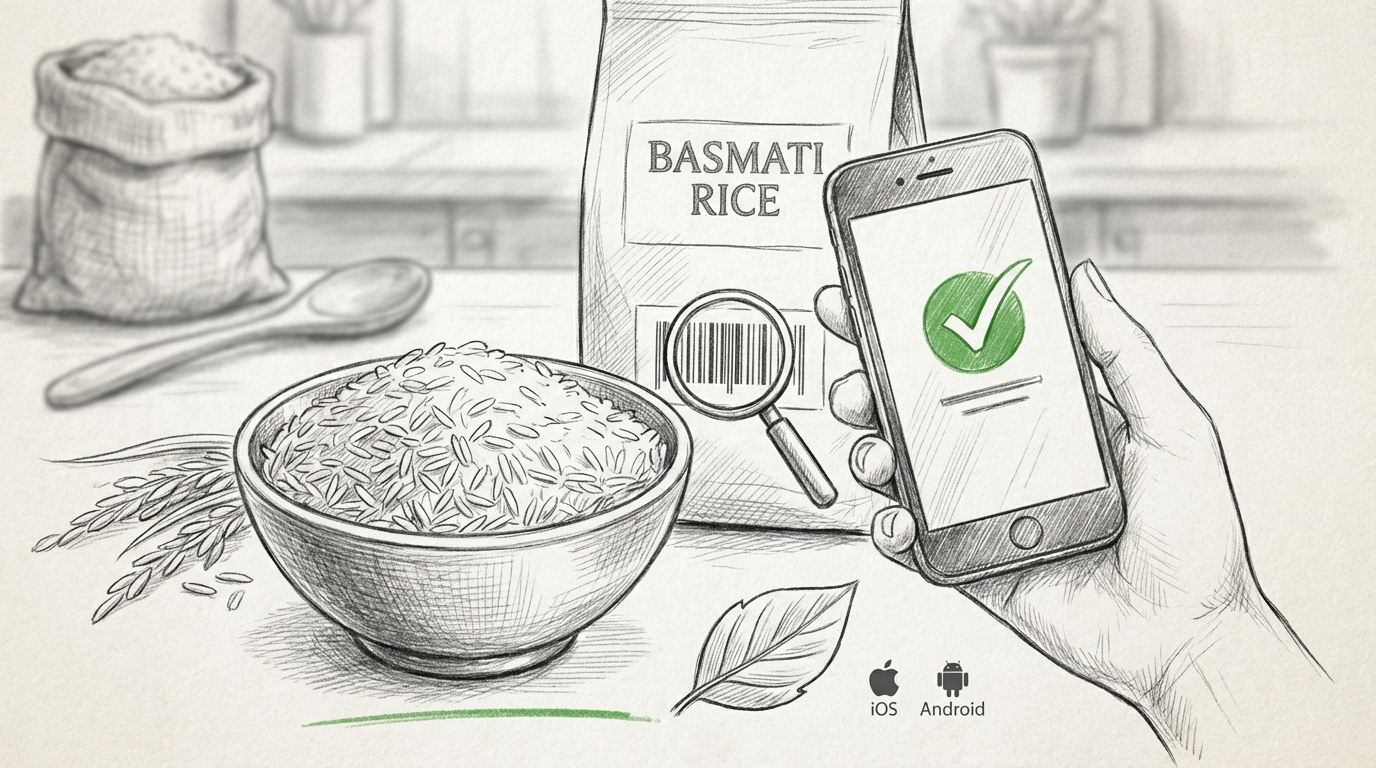
Download Nutrict today and take the guesswork out of allergen detection. Available on both iOS and Android, it's your personal nutrition assistant for safer, more informed food choices.
Article created using IntentRank