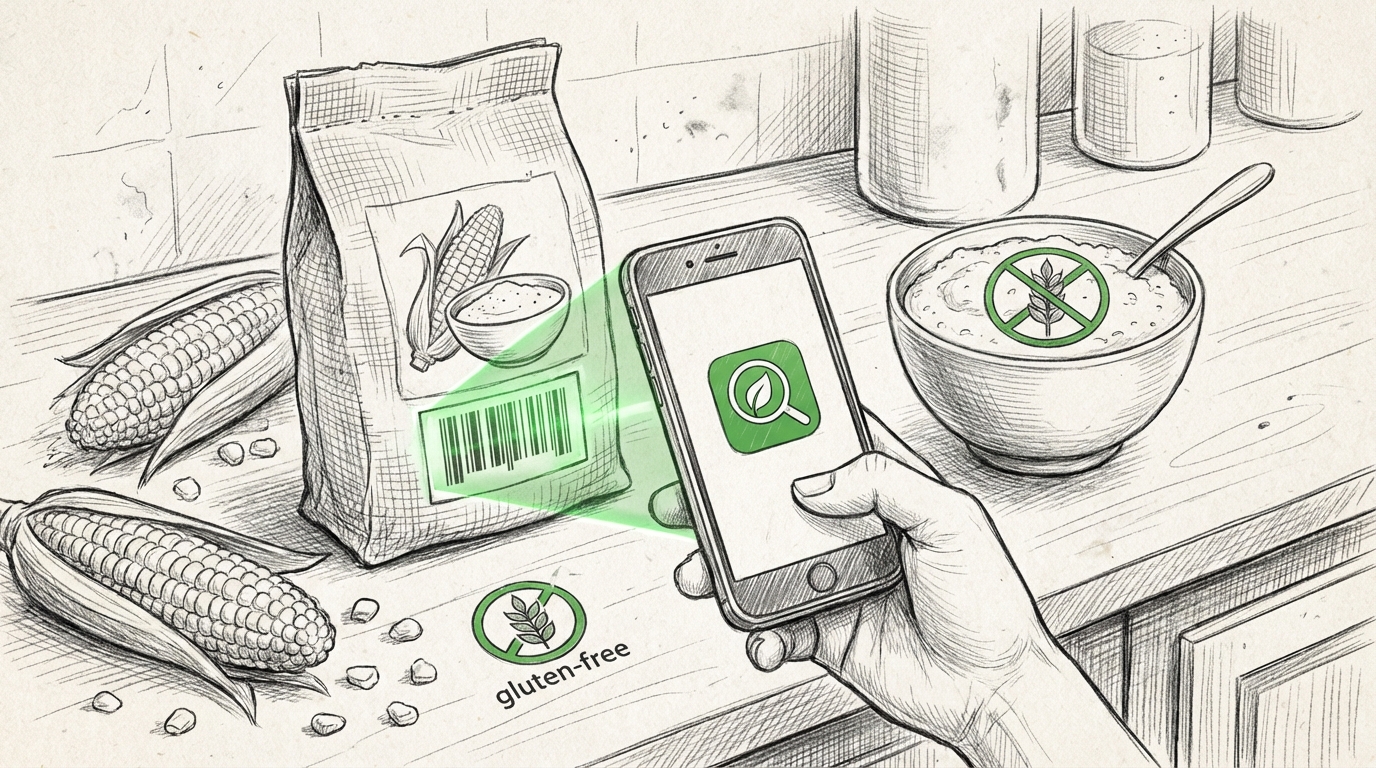
Are Tortilla Chips Gluten Free? Your Complete Guide
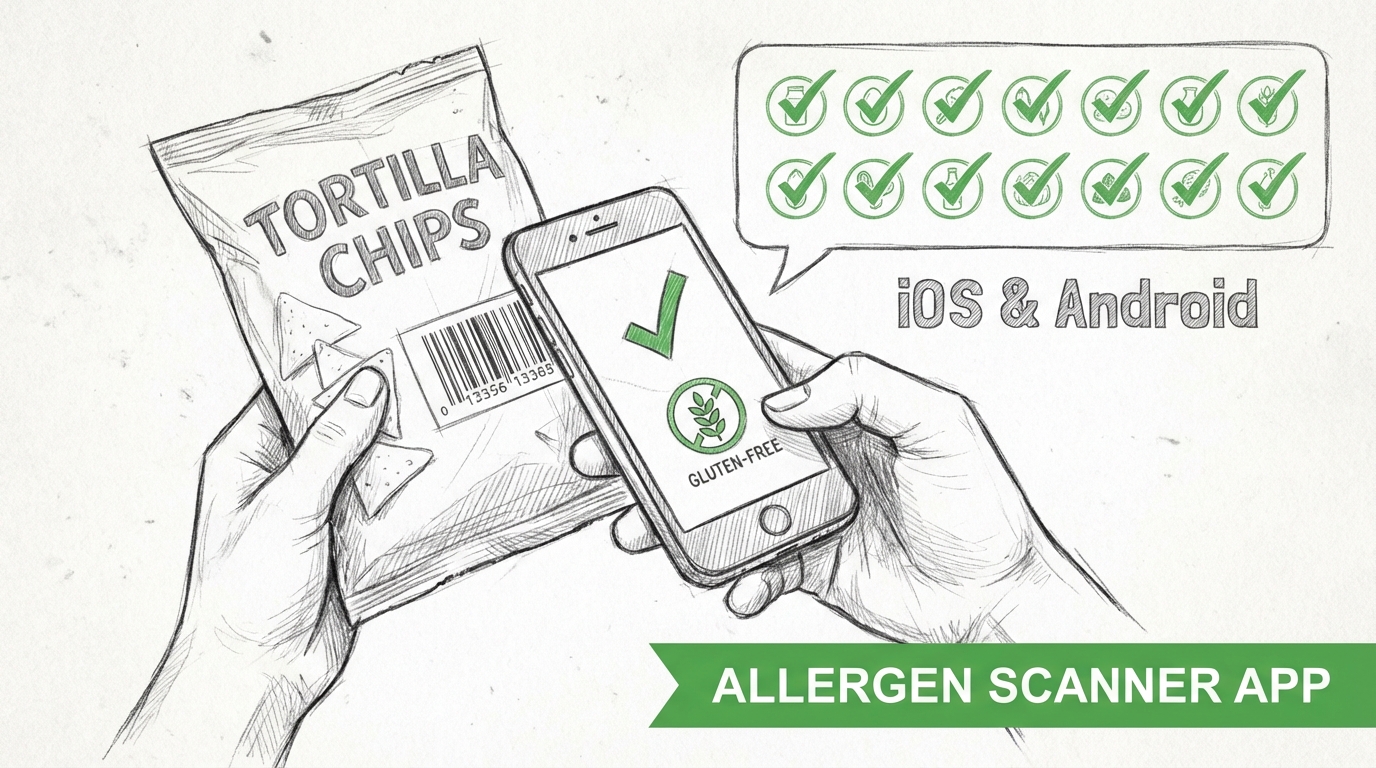
TL;DR: Most tortilla chips are gluten free when made from 100% corn, but not all brands are safe. Some contain wheat flour or face cross-contamination during manufacturing. To determine if tortilla chips are gluten free, always check ingredient labels and look for certified gluten-free symbols, or use allergen scanning apps to verify product safety before purchasing.
Frequently Asked Questions

Are tortilla chips gluten free?
Most traditional corn tortilla chips are naturally gluten free since they're made from corn, oil, and salt. However, some brands add wheat-based seasonings or process chips in facilities that handle gluten. Always check labels for cross-contamination warnings and verify ingredients. Using an allergen checker app can help you quickly scan barcodes to confirm if specific tortilla chip brands are safe for gluten-free diets.
How can I tell if tortilla chips contain gluten?
Check the ingredient list for wheat, barley, rye, or malt derivatives. Look for "gluten-free" certification on packaging. Review allergen statements for cross-contamination warnings like "processed in a facility that handles wheat." The easiest method is using an allergen checker app that scans product barcodes and identifies gluten and 12 other allergens, traces, additives, and preservatives instantly.
What ingredients in tortilla chips might contain gluten?
Gluten can hide in flavored tortilla chips through seasonings, maltodextrin from wheat, modified food starch, or natural flavors derived from gluten sources. Some brands use wheat flour as a binder or add barley malt for flavor. Plain corn tortilla chips typically avoid these issues, but flavored varieties like ranch, barbecue, or cheese-flavored chips require careful ingredient scrutiny.
Are flavored tortilla chips gluten free?
Flavored tortilla chips often contain gluten in their seasonings, even when the base chips are corn-based. Ingredients like maltodextrin, modified food starch, or flavor enhancers may derive from wheat. Cheese-flavored varieties sometimes include wheat-based additives. Always verify each product individually, as formulations vary by brand. An allergen scanning app can quickly identify gluten-containing ingredients in flavored chip varieties.
Which tortilla chip brands are certified gluten free?
Several brands offer certified gluten-free tortilla chips, including Frito-Lay's Simply line, Late July Organic, Siete Foods, and Garden of Eatin'. These products display gluten-free certification from organizations like GFCO. However, availability and formulations change, so scanning barcodes with an allergen checker app ensures you have current, accurate information about gluten content and potential cross-contamination for any brand.
Can I eat tortilla chips at Chipotle if I'm gluten free?
Chipotle's tortilla chips are made from corn and are listed as gluten-free on their nutrition info. However, cross-contamination can occur during preparation in restaurant kitchens. Use Chipotle's nutrition calculator to review ingredients and allergen information. For maximum safety, ask staff about preparation practices and consider using an allergen checker app to verify packaged chip products before purchasing them elsewhere.
What should I look for when buying gluten free tortilla chips?
Look for "certified gluten-free" labels, which guarantee products contain less than 20 ppm of gluten. Check ingredient lists for corn as the primary ingredient without wheat derivatives. Review allergen statements for cross-contamination warnings. Consider downloading an allergen checker app for iOS or Android that scans barcodes to detect gluten and 12 other allergens, traces, additives, and preservatives instantly.
Are corn tortilla chips always gluten free?
While corn is naturally gluten-free, corn tortilla chips aren't always safe for celiac disease or gluten sensitivity. Cross-contamination can occur during manufacturing in facilities that process wheat products. Some brands add gluten-containing seasonings or use shared equipment. Even 100% corn chips may have trace gluten exposure. Always verify with packaging labels or use an allergen detection app to confirm safety.
Understanding Gluten in Tortilla Chips: A Comprehensive Guide

If you're wondering are tortilla chips gluten free, you're not alone. This question concerns millions of people managing celiac disease, gluten sensitivities, or simply choosing to avoid gluten for health reasons. The answer isn't always straightforward, as it depends on the ingredients, manufacturing processes, and brand-specific formulations.
Tortilla chips have become a staple snack in households worldwide, but their gluten-free status varies significantly. While traditional corn tortilla chips should theoretically be gluten-free, cross-contamination and added ingredients can complicate matters for those with strict dietary requirements.
This comprehensive guide will help you navigate the world of tortilla chips, identify safe options, and understand what to look for when shopping. We'll also explore how tools like an allergy checker app can simplify your grocery shopping experience.
Are Tortilla Chips Naturally Gluten Free?

Traditional tortilla chips are made from corn, which is naturally gluten-free. The basic ingredients typically include corn masa (corn flour), oil, salt, and water. Since corn contains no gluten proteins, authentic corn tortilla chips should be safe for those avoiding gluten.
However, the reality is more nuanced than this simple answer suggests. Several factors can introduce gluten into tortilla chips:
- Cross-contamination during manufacturing: Facilities that process wheat-based products alongside corn chips
- Added ingredients: Seasonings, flavorings, and additives that may contain gluten
- Wheat flour additions: Some brands add wheat flour to improve texture or binding
- Modified food starch: Can be derived from wheat unless specifically labeled
The Role of Corn in Gluten-Free Diets
Corn is one of the safest grains for people with celiac disease or gluten sensitivities. Unlike wheat, barley, and rye, corn doesn't contain the problematic gluten proteins gliadin and glutenin. This makes corn-based products like tortilla chips an excellent alternative to wheat-based crackers and snacks.
The corn used in tortilla chips undergoes a traditional process called nixtamalization, where corn kernels are soaked in an alkaline solution. This process enhances nutritional value and creates the distinctive flavor of masa, the foundation of authentic tortilla chips.
Hidden Sources of Gluten in Tortilla Chips
Even when the primary ingredient is corn, several hidden sources can introduce gluten into tortilla chips. Understanding these potential contaminants is crucial for making safe choices.
| Ingredient/Factor | Gluten Risk | What to Look For |
|---|---|---|
| Seasonings & Flavorings | High | Check for wheat derivatives, malt flavoring, soy sauce |
| Modified Food Starch | Medium | Must specify "corn" or "potato" starch |
| Natural Flavors | Low-Medium | Contact manufacturer for clarification |
| Maltodextrin | Low | Usually corn-based in US, but verify |
| Shared Equipment | Medium-High | Look for "dedicated facility" labels |
Additives and Preservatives to Watch
Some additives commonly used in tortilla chips may contain gluten or be processed with gluten-containing ingredients. While substances like hydroxy stearic acid, methane sulfonic acid, and poly carboxylic acid are typically used in industrial applications rather than food production, understanding food additives remains important for those with severe allergies.
Common food additives in tortilla chips that warrant attention include:
- Malt vinegar or malt flavoring (contains barley)
- Hydrolyzed wheat protein
- Wheat-based dextrin
- Certain artificial colors processed with wheat-based carriers
Popular Tortilla Chip Brands: Gluten-Free Status
Not all tortilla chip brands are created equal when it comes to gluten-free safety. Here's a breakdown of popular brands and their gluten-free status:
Certified Gluten-Free Brands
Several major brands offer certified gluten-free tortilla chips, providing the highest level of assurance for consumers with celiac disease:
- Frito-Lay Products: Many varieties including original Tostitos and plain Doritos are labeled gluten-free
- Mission Foods: Offers certified gluten-free corn tortilla chips
- Late July Organic: All products are certified gluten-free and non-GMO
- Siete Family Foods: Grain-free options made from cassava or chickpeas
Brands Requiring Careful Verification
Some popular brands have gluten-free options, but not all their products qualify. Always check individual product labels:
- Flavored varieties may contain gluten in seasonings
- Limited edition or seasonal flavors may have different formulations
- Restaurant-style chips may differ from regular varieties
Using a food allergy app can help you quickly verify the gluten-free status of any tortilla chip brand by scanning the product barcode.
Reading Labels: What to Look For
Becoming proficient at reading food labels is essential for anyone avoiding gluten. The FDA requires clear labeling of wheat and wheat-derived ingredients, but gluten from barley and rye may be less obvious.
Key Label Indicators
| Label Statement | Meaning | Safety Level |
|---|---|---|
| "Certified Gluten-Free" | Contains less than 10 ppm gluten, third-party verified | Highest |
| "Gluten-Free" | Contains less than 20 ppm gluten per FDA standards | High |
| "Made in a dedicated facility" | No shared equipment with gluten products | High |
| "May contain wheat" | Cross-contamination possible | Low |
| "Processed in a facility that also processes wheat" | Shared facility, contamination risk | Medium |
Ingredient Red Flags
Watch for these ingredients that indicate gluten presence:
- Wheat flour - Obviously contains gluten
- Barley malt - Common in seasonings and flavorings
- Rye - Less common but possible in specialty flavors
- Brewer's yeast - Typically derived from beer production
- Hydrolyzed vegetable protein - May be wheat-based unless specified
Cross-Contamination Risks
Even when tortilla chips contain no gluten ingredients, cross-contamination during manufacturing can pose risks for those with celiac disease. Understanding these risks helps you make informed decisions about which products to purchase.
Manufacturing Facility Concerns
Many snack food manufacturers produce multiple products in the same facility. Airborne flour particles, shared conveyor belts, and inadequate cleaning between production runs can introduce gluten into otherwise gluten-free products.
For individuals with severe celiac disease, products made in dedicated gluten-free facilities offer the safest option. These facilities maintain strict protocols to prevent any gluten exposure.
Restaurant and Food Service Settings
When dining out, tortilla chips served at restaurants present additional challenges:
- Shared fryers with breaded items introduce gluten contamination
- Cross-contact with flour tortillas during preparation
- Seasoning mixes that may contain gluten
- Serving utensils used for multiple products
Always ask restaurant staff about preparation methods and dedicated equipment. For quick nutritional verification at popular chains, tools like a chipotle nutrition calculator or chipotle nutrition info resource can help you make informed choices.
Gluten-Free Alternatives to Traditional Tortilla Chips
The growing demand for gluten-free products has sparked innovation in the snack industry. Beyond traditional corn chips, numerous alternatives cater to various dietary needs.
Grain-Free Options
For those avoiding all grains or seeking additional variety, grain-free tortilla chips offer exciting alternatives:
- Cassava chips: Made from yuca root, offering a mild flavor and satisfying crunch
- Chickpea chips: Higher in protein and fiber than corn chips
- Almond flour chips: Nutrient-dense and keto-friendly
- Plantain chips: Naturally sweet with a unique texture
Pairing with Gluten-Free Options
Tortilla chips pair perfectly with other gluten-free snacks and accompaniments. Consider exploring gluten free dairy free snacks for additional safe options that complement your chip selection.
Just as consumers seek gluten free cheese-its or gluten free wheat free beer alternatives, the market continues expanding to meet diverse dietary needs.
Nutritional Considerations Beyond Gluten
While determining whether tortilla chips are gluten-free is important, understanding their overall nutritional profile helps you make balanced dietary choices.
| Nutrient | Amount | % Daily Value |
|---|---|---|
| Calories | 140-150 | 7% |
| Total Fat | 7-8g | 9-10% |
| Sodium | 115-150mg | 5-7% |
| Total Carbohydrates | 18-19g | 6-7% |
| Protein | 2g | 4% |
Healthier Preparation Methods
The oil used for frying significantly impacts the nutritional quality of tortilla chips. Baked varieties typically contain less fat and fewer calories than traditional fried chips, making them a lighter option for health-conscious consumers.
When comparing nutritional information across different snacks, resources like English muffin nutrition or corn on the cob calories guides can provide helpful context for making balanced food choices.
Making Gluten-Free Tortilla Chips at Home
Creating homemade tortilla chips gives you complete control over ingredients and eliminates cross-contamination concerns. The process is surprisingly simple and requires minimal equipment.
Basic Recipe
- Start with certified gluten-free corn tortillas
- Cut tortillas into triangular wedges using a sharp knife or pizza cutter
- Brush lightly with oil or spray with cooking spray
- Arrange in a single layer on baking sheets
- Sprinkle with salt or desired seasonings
- Bake at 350°F (175°C) for 10-15 minutes until crispy and golden
Seasoning Ideas
Customize your homemade chips with these gluten-free seasoning combinations:
- Lime juice and chili powder for a tangy kick
- Garlic powder and nutritional yeast for a savory flavor
- Cinnamon and sugar for a sweet treat
- Cumin and smoked paprika for southwestern flair
Technology Solutions for Gluten Detection
Modern technology has revolutionized how people with food allergies and sensitivities navigate grocery shopping. Mobile applications now provide instant access to allergen information, making it easier than ever to identify safe products.
Benefits of Allergy Scanning Apps
An allergy checker app offers several advantages for managing gluten-free diets:
- Instant barcode scanning: Quickly verify gluten-free status while shopping
- Comprehensive allergen databases: Access information on 13+ common allergens
- Trace ingredient detection: Identify hidden gluten sources in additives
- Cross-contamination warnings: Learn about shared facility risks
These tools prove especially valuable when evaluating unfamiliar brands or trying new products. Rather than spending time researching each ingredient, you can scan and receive immediate feedback about a product's safety.
Common Questions About Gluten in Tortilla Chips
Are All Corn Chips Gluten-Free?
Not automatically. While corn itself is gluten-free, many corn chips contain added ingredients or are processed in facilities that handle wheat products. Always verify the label or use scanning technology to confirm gluten-free status.
Can People with Celiac Disease Eat Tortilla Chips?
Yes, but only those specifically labeled gluten-free or certified gluten-free. Even trace amounts of gluten can trigger reactions in people with celiac disease, so choosing products from dedicated facilities offers the safest option.
Do Flavored Tortilla Chips Contain Gluten?
Flavored varieties have a higher risk of containing gluten due to seasonings and flavor additives. Malt flavoring, wheat-based thickeners, and certain spice blends may introduce gluten. Always check the ingredient list carefully.
Are Restaurant Tortilla Chips Safe?
Restaurant chips require extra caution. Ask about shared fryers, preparation surfaces, and ingredient sources. Many restaurants now offer dedicated gluten-free menus with detailed allergen information, similar to how a chipotle nutrition calculator provides transparency about ingredients.
The Future of Gluten-Free Snacking
The gluten-free market continues expanding rapidly, driven by increased celiac disease awareness and consumer demand for diverse dietary options. Manufacturers are investing in dedicated production facilities and innovative ingredients to meet this growing need.
Industry Trends
Several trends are shaping the future of gluten-free tortilla chips:
- Enhanced transparency through blockchain technology for ingredient tracking
- Increased use of ancient grains and alternative flours
- Improved certification standards and third-party testing
- Expansion of grain-free and allergen-friendly options
Just as consumers now find gluten free wheat free beer and other specialized products readily available, gluten-free tortilla chips will continue becoming more accessible and varied.
Conclusion: Making Informed Choices
So, are tortilla chips gluten free? The answer is: many are, but not all. Traditional corn tortilla chips made with simple ingredients and processed in dedicated facilities offer safe options for those avoiding gluten. However, flavored varieties, cross-contamination risks, and hidden ingredients require vigilance.
Key takeaways for safely enjoying tortilla chips on a gluten-free diet:
- Always read ingredient labels carefully, even for familiar brands
- Look for "certified gluten-free" labels for the highest safety assurance
- Be cautious with flavored varieties and restaurant chips
- Consider making homemade chips for complete control
- Use technology tools to simplify allergen verification
Managing food allergies and dietary restrictions doesn't have to be overwhelming. With the right tools and knowledge, you can confidently navigate grocery stores and enjoy your favorite snacks safely.
Take control of your gluten-free journey today. Download the Nutrict app to scan products instantly, detect allergens in seconds, and shop with confidence. Our comprehensive database covers thousands of products, helping you identify safe options quickly and easily. Whether you're managing celiac disease, gluten sensitivity, or multiple food allergies, Nutrict provides the information you need at your fingertips. Start scanning smarter today!
Article created using IntentRank