Are Tortilla Chips Gluten Free? Your Complete Guide
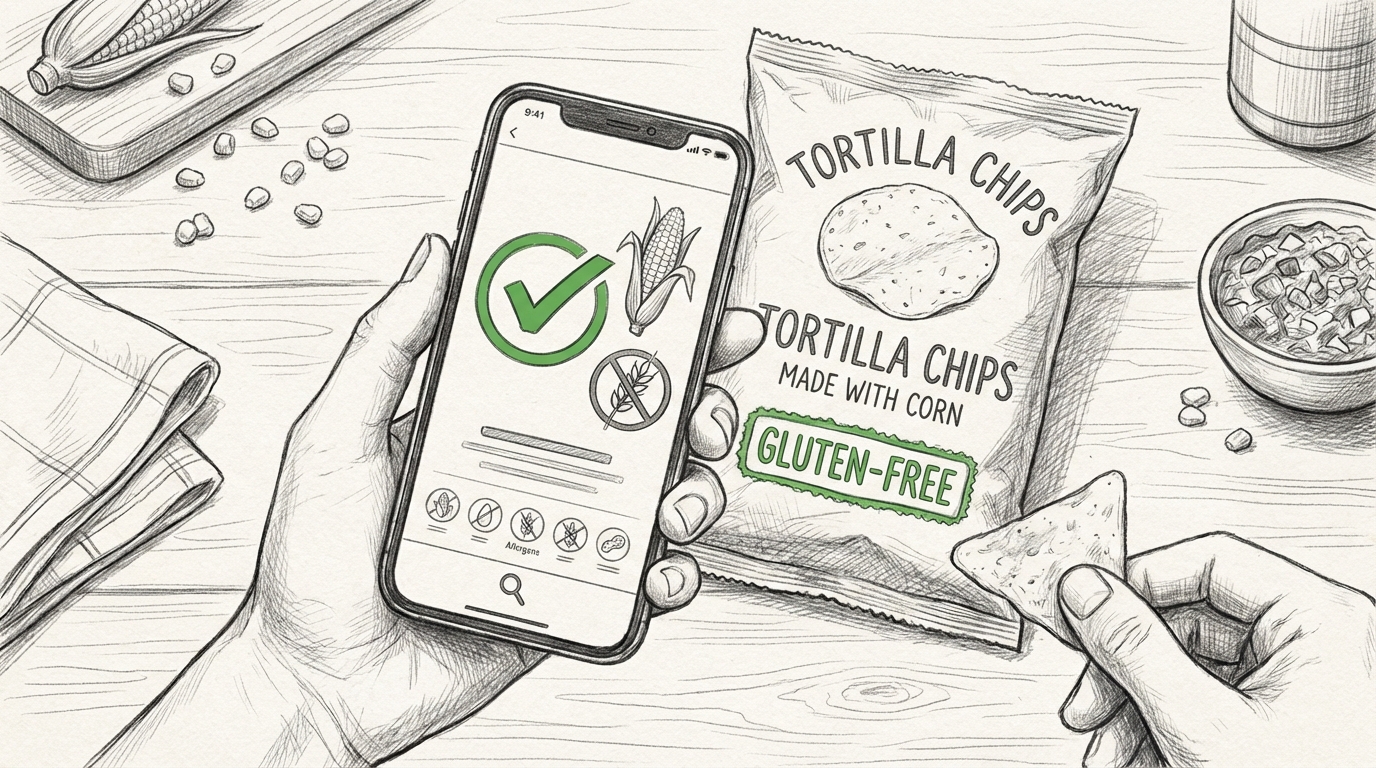
TL;DR: Most traditional tortilla chips made from 100% corn are naturally gluten free, but some brands may contain wheat or be cross-contaminated during manufacturing. Always check product labels and ingredient lists carefully. Using allergen-scanning apps can help you quickly identify gluten-free tortilla chips by detecting gluten and other allergens through barcode scanning.
Frequently Asked Questions

Are tortilla chips gluten free?
Most traditional tortilla chips made from 100% corn are naturally gluten free. However, some brands may contain wheat flour, gluten-containing seasonings, or be processed in facilities that handle gluten. Always check the ingredient label and look for certified gluten-free labels. Using an allergy checker app can help you quickly scan barcodes to identify gluten and other allergens in tortilla chip products.
How can I check if tortilla chips contain gluten using my phone?
An allergy checker app allows you to scan product barcodes and instantly detect gluten and 12 other allergens. Simply open the app, scan the barcode on your tortilla chip package, and it will show whether the product contains gluten, traces, additives, or preservatives. These apps are available on both iOS and Android devices for convenient shopping.
What ingredients in tortilla chips contain gluten?
Gluten in tortilla chips typically comes from wheat flour, barley malt, wheat starch, or gluten-containing seasonings. Some flavored varieties may include additives like modified food starch or maltodextrin derived from wheat. Cross-contamination during manufacturing is another concern. Reading labels carefully or using a barcode scanning app helps identify these hidden gluten sources before purchasing.
Are flavored tortilla chips gluten free?
Flavored tortilla chips are not always gluten free, even if the base chips are made from corn. Seasonings may contain wheat-based ingredients, maltodextrin from wheat, or modified food starch. Popular flavors like nacho cheese or ranch often include additives that may contain gluten. Always verify ingredients on the label or use an allergen detection app to ensure safety.
Can I trust restaurant tortilla chips to be gluten free?
Restaurant tortilla chips vary by establishment. While many restaurants serve corn-based chips, cross-contamination from shared fryers or gluten-containing seasonings is common. At chains like Chipotle, you can use their nutrition calculator or nutrition info to check ingredients. For dining out safely, always ask staff about ingredients and preparation methods, or use an allergy checker app beforehand.
What are the best gluten free alternatives to regular snacks?
Besides corn-based tortilla chips, excellent gluten free alternatives include rice crackers, vegetable chips, popcorn, and certified gluten free pretzels. For cheese cracker lovers, gluten free Cheese-Its are now available. When seeking gluten free beverages, look for gluten free wheat free beer options. Always scan product barcodes with an allergen app to verify they're safe for your dietary needs.
Do tortilla chips have cross-contamination risks for gluten?
Yes, cross-contamination is a significant risk with tortilla chips. Manufacturing facilities often process multiple grain products on shared equipment. Even 100% corn chips may contain gluten traces if produced alongside wheat products. Look for products with certified gluten-free labels and use an allergy checker app to scan barcodes and detect traces, additives, and preservatives that may pose contamination risks.
How do I read labels to identify gluten in tortilla chips?
Check the ingredient list for wheat, barley, rye, malt, or modified food starch. Look for allergen statements like "contains wheat" or "processed in a facility with wheat." Certified gluten-free labels guarantee less than 20ppm gluten. For faster verification, use an allergy checker app to scan barcodes, which automatically detects gluten and 12 other allergens in seconds.
Understanding Gluten in Tortilla Chips: What You Need to Know

If you're navigating a gluten-free lifestyle, you've likely wondered: are tortilla chips gluten free? The answer isn't always straightforward. While traditional corn tortilla chips are naturally gluten-free, many commercial varieties contain hidden gluten sources or face cross-contamination risks during manufacturing. Understanding which brands are safe and how to identify potential allergens can make shopping significantly easier for those with celiac disease or gluten sensitivities.
Tortilla chips are a beloved snack enjoyed at parties, restaurants, and movie nights. For the estimated 1% of the population with celiac disease and the additional 6% with non-celiac gluten sensitivity, knowing whether these crispy snacks are safe to consume is essential for maintaining health and avoiding uncomfortable reactions.
This comprehensive guide will help you identify truly gluten-free tortilla chips, understand labeling requirements, navigate restaurant options, and discover safe brands you can trust. We'll also explore how modern technology like an allergy checker app can simplify the process of verifying product safety.
What Makes Traditional Tortilla Chips Naturally Gluten-Free

Traditional tortilla chips are made from three simple ingredients: corn, oil, and salt. Since corn is naturally gluten-free, authentic corn tortilla chips should theoretically be safe for those avoiding gluten. The corn used is typically ground into masa (corn dough), formed into tortillas, cut into triangles, and fried or baked until crispy.
The Basic Ingredient Profile
Pure corn tortilla chips contain:
- Corn (maize) - The primary ingredient, naturally free from gluten proteins
- Vegetable oil - Used for frying or baking, typically corn, sunflower, or canola oil
- Salt - For seasoning and flavor enhancement
- Lime - Sometimes used in the nixtamalization process to treat corn
However, the reality is more complex than this simple ingredient list suggests. Modern manufacturing processes and flavoring additions can introduce gluten where you least expect it.
When Gluten Sneaks Into Tortilla Chips
Several factors can compromise the gluten-free status of tortilla chips:
- Flavoring additives - Many seasoned varieties contain wheat-based ingredients or malt flavoring
- Cross-contamination - Manufacturing facilities that process wheat products may contaminate corn chips
- Modified food starch - When derived from wheat, this common additive contains gluten
- Maltodextrin - While usually corn-based in the US, it can occasionally be wheat-derived
- Natural flavors - This vague term can hide gluten-containing ingredients
Reading Labels: Identifying Safe Gluten-Free Tortilla Chips
Learning to read food labels effectively is crucial for anyone managing gluten sensitivities. The FDA requires clear allergen labeling, but understanding the nuances can help you make safer choices.
Look for Certified Gluten-Free Labels
The most reliable indicator is third-party certification. Look for these trusted symbols:
| Certification | Standard | Reliability |
|---|---|---|
| GFCO (Gluten-Free Certification Organization) | Less than 10 ppm gluten | Highest standard |
| NSF Gluten-Free | Less than 20 ppm gluten | Very reliable |
| FDA Gluten-Free Label | Less than 20 ppm gluten | Reliable |
| Certified Gluten-Free (CSA) | Less than 5 ppm gluten | Highest standard |
Red Flag Ingredients to Avoid
When scanning ingredient lists, watch for these gluten-containing additives:
- Wheat flour or wheat starch
- Barley malt or malt flavoring
- Rye-based ingredients
- Hydrolyzed wheat protein
- Modified food starch (unless specified as corn-based)
- Brewer's yeast
Using a food allergy app can streamline this process significantly. Rather than manually checking every ingredient, you can simply scan the barcode and instantly identify potential allergens, including gluten sources.
Understanding "May Contain" Warnings
Products labeled "may contain wheat" or "processed in a facility that also processes wheat" indicate potential cross-contamination. For individuals with celiac disease, even trace amounts of gluten can trigger reactions, making these warnings important to heed.
Popular Tortilla Chip Brands: Which Are Gluten-Free?
Not all tortilla chip brands are created equal when it comes to gluten content. Here's a breakdown of popular options:
Certified Gluten-Free Brands
These brands offer certified gluten-free tortilla chips:
- Frito-Lay Tostitos - Most plain varieties are gluten-free, including Original, Hint of Lime, and Cantina Traditional
- Late July Organic - All varieties are certified gluten-free
- Siete Foods - Grain-free options made from cassava and coconut flour
- Food Should Taste Good - Multiple certified gluten-free flavors
- Garden of Eatin' - Most varieties are gluten-free certified
- Que Pasa - Organic, certified gluten-free options
Brands Requiring Caution
Some brands have both safe and unsafe varieties:
- Doritos - Most flavors contain wheat or are processed with gluten-containing products
- Santitas - White and yellow corn chips are gluten-free, but always verify the label
- Mission - Some varieties are gluten-free while others contain wheat
Restaurant-Style Chips
When dining out, restaurant tortilla chips present unique challenges. Even if made from pure corn, they may be fried in oil shared with gluten-containing foods. Always ask about preparation methods and dedicated fryers.
If you're curious about nutrition information at popular chains, a chipotle nutrition calculator can help you make informed decisions about portion sizes and overall dietary choices, though it's important to verify gluten-free status separately.
Hidden Gluten Sources in Flavored Tortilla Chips
Plain salted tortilla chips are usually safe, but flavored varieties often contain unexpected gluten sources. The seasoning blends used to create popular flavors frequently include wheat-based ingredients.
Common Problematic Flavors
These flavors typically contain gluten:
- Ranch - Often contains wheat-based maltodextrin or modified food starch
- Cool Ranch - May include wheat flour in seasoning
- Nacho Cheese - Frequently contains wheat derivatives
- BBQ flavors - Often use malt vinegar or wheat-based seasonings
- Sour Cream & Onion - Commonly includes wheat starch
Safer Flavor Options
These flavors are more likely to be gluten-free:
- Sea salt
- Lime
- Jalapeño
- Simply seasoned varieties
- Organic herb blends (verify ingredients)
Similar to how consumers seek gluten free dairy free snacks, those with multiple dietary restrictions need to be especially vigilant about checking both primary ingredients and seasoning components.
Understanding Food Additives and Preservatives
Beyond obvious gluten sources, certain additives require scrutiny:
- Hydroxy stearic acid - A stabilizer that's typically gluten-free but may be processed in facilities with wheat
- Methane sulfonic acid - Used in food processing, generally gluten-free
- Poly carboxylic acid - A preservative that doesn't typically contain gluten but warrants label verification
Modern allergy checker apps can identify these complex additives instantly, providing peace of mind without requiring a chemistry degree.
Cross-Contamination Risks and Manufacturing Practices
Even when ingredients are gluten-free, manufacturing processes can introduce contamination. Understanding these risks helps you make safer choices.
Shared Facility Concerns
Many snack manufacturers produce both corn and wheat-based products in the same facilities. Cross-contamination can occur through:
- Shared production lines
- Airborne flour particles
- Inadequately cleaned equipment
- Shared storage areas
- Common ingredient handling areas
Dedicated Gluten-Free Facilities
For maximum safety, choose brands that manufacture in dedicated gluten-free facilities. These companies implement strict protocols to prevent any gluten exposure. Brands like Siete Foods and Late July often use dedicated facilities, making them safer choices for those with severe sensitivities.
Testing and Verification
Reputable gluten-free brands regularly test their products to ensure gluten levels remain below 20 ppm (parts per million), the FDA threshold for gluten-free labeling. Some brands test to even stricter standards of 10 ppm or 5 ppm.
Alternatives to Traditional Tortilla Chips
If you're concerned about cross-contamination or want to explore other options, several alternatives exist:
Grain-Free Chip Options
- Cassava chips - Made from yuca root, naturally grain-free
- Plantain chips - Sweet and savory varieties available
- Vegetable chips - Made from beets, sweet potatoes, or mixed vegetables
- Chickpea chips - High in protein and fiber
- Almond flour chips - Keto-friendly and grain-free
Homemade Tortilla Chips
Making your own tortilla chips gives you complete control over ingredients:
- Purchase certified gluten-free corn tortillas
- Cut into triangles using a pizza cutter
- Brush lightly with oil
- Season with salt and desired spices
- Bake at 350°F for 10-15 minutes until crispy
This method ensures no cross-contamination and allows you to customize flavors to your preferences.
Other Gluten-Free Snack Alternatives
Just as consumers search for alternatives like gluten-free bread options or gluten free wheat free beer, the snack market has expanded to include numerous safe options for various dietary needs.
Navigating Restaurants and Dining Out
Eating tortilla chips at restaurants requires extra caution, even if the chips themselves are corn-based.
Questions to Ask Restaurant Staff
When dining out, inquire about:
- Are the chips made from 100% corn?
- Are they fried in a dedicated fryer?
- Do you use the same oil for breaded items?
- Are the chips made in-house or purchased pre-made?
- Can you verify the ingredient list?
Chain Restaurant Considerations
Many chain restaurants now provide detailed allergen information online. For example, when checking chipotle nutrition info, you can verify that their tortilla chips are made from corn, salt, and sunflower oil, with no gluten-containing ingredients. However, always confirm preparation methods to avoid cross-contamination.
A chipotle nutrition calculator can help you track overall nutritional intake, but remember that gluten-free status and nutritional value are separate considerations.
Mexican Restaurants
Authentic Mexican restaurants typically serve corn-based chips, but flour tortilla chips are becoming more common. Always verify which type is being served, and ask about shared fryers or preparation surfaces.
Technology Solutions for Managing Gluten-Free Diets
Modern technology has made managing dietary restrictions significantly easier. Rather than memorizing ingredient lists or carrying printed guides, smartphone apps provide instant verification.
Benefits of Using Allergy Scanning Apps
A comprehensive food allergy scanner app offers multiple advantages:
- Instant barcode scanning - Identify allergens in seconds
- Comprehensive allergen database - Detect 13 different allergens including gluten
- Additive identification - Flag preservatives and additives
- Personalized profiles - Set your specific dietary restrictions
- Product alternatives - Discover safe substitutes
- Shopping convenience - Make informed decisions in-store
How Scanning Apps Work
These apps maintain extensive databases of product ingredients, updated regularly to reflect formulation changes. When you scan a barcode, the app cross-references the product against your allergen profile and instantly alerts you to any concerns.
This technology is particularly valuable for identifying complex additives that might contain hidden gluten, such as modified starches or ambiguous "natural flavors."
Beyond Gluten Detection
For individuals managing multiple dietary restrictions, these apps can simultaneously check for other concerns. Just as someone might need gluten free cheese-its alternatives, others may need to avoid dairy, nuts, soy, or other allergens. Comprehensive scanning apps address all these needs in one convenient tool.
Comparing Gluten-Free Snack Options
Understanding how tortilla chips compare to other gluten-free snacks helps you make balanced dietary choices:
| Snack Type | Calories | Protein | Fiber | Sodium |
|---|---|---|---|---|
| Corn Tortilla Chips | 140-150 | 2g | 1-2g | 120-180mg |
| Plantain Chips | 150 | 1g | 2g | 5-10mg |
| Chickpea Chips | 130 | 4g | 3g | 200mg |
| Vegetable Chips | 140 | 1g | 2g | 150mg |
| Cassava Chips | 130 | 0g | 1g | 100mg |
Similar to how consumers evaluate english muffin nutrition or corn on the cob calories, understanding tortilla chip nutrition helps you make informed snacking decisions.
Common Misconceptions About Gluten-Free Tortilla Chips
Several myths persist about gluten-free tortilla chips that deserve clarification:
Myth 1: All Corn Products Are Automatically Safe
While corn itself is gluten-free, corn products can be contaminated during processing or contain gluten-containing additives. Always verify labels and certifications.
Myth 2: Gluten-Free Means Healthier
Gluten-free doesn't automatically equal nutritious. Many gluten-free chips are still high in sodium, calories, and unhealthy fats. Just as evaluating yogurt health benefits requires looking beyond marketing claims, assessing chip nutrition requires examining the complete nutritional profile.
Myth 3: Restaurant Chips Are Always Corn-Based
Some restaurants serve flour tortilla chips or mix corn and wheat varieties. Never assume—always ask.
Myth 4: "Natural" Flavors Are Safe
"Natural flavors" can contain gluten-derived ingredients. This vague term requires additional verification through manufacturer contact or app scanning.
Myth 5: Small Amounts of Gluten Won't Hurt
For individuals with celiac disease, even trace amounts of gluten (as little as 20 ppm) can cause intestinal damage and symptoms. Cross-contamination is a serious concern, not an overreaction.
Building a Gluten-Free Lifestyle Beyond Tortilla Chips
Successfully managing a gluten-free diet extends beyond individual products. Creating a comprehensive strategy ensures safety and satisfaction.
Stocking Your Gluten-Free Pantry
Essential gluten-free staples include:
- Certified gluten-free grains (rice, quinoa, certified oats)
- Alternative flours (almond, coconut, cassava)
- Verified gluten-free snacks and chips
- Gluten-free condiments and sauces
- Safe seasonings and spice blends
Meal Planning Strategies
Successful gluten-free living requires planning:
- Research restaurants before dining out
- Pack safe snacks when traveling
- Read labels consistently, even on familiar products
- Communicate clearly with hosts when attending events
- Keep emergency safe snacks available
Staying Informed About Product Changes
Manufacturers occasionally reformulate products, potentially introducing gluten where it previously didn't exist. Regular verification through apps or manufacturer websites helps you stay current on product safety.
The Future of Gluten-Free Snacking
The gluten-free market continues expanding, driven by increased awareness of celiac disease and gluten sensitivities. Innovation in this space promises more options and better labeling.
Emerging Trends
Current developments include:
- More brands pursuing gluten-free certification
- Increased transparency in ingredient sourcing
- Expansion of grain-free alternatives
- Better cross-contamination prevention in manufacturing
- Enhanced allergen labeling requirements
Technology Integration
Digital tools continue improving, making gluten-free shopping easier. From barcode scanning to AI-powered ingredient analysis, technology empowers consumers to make safer choices quickly and confidently.
Just as digital marketing strategies like social media marketing for restaurants have transformed how businesses reach customers, technology is revolutionizing how consumers manage dietary restrictions.
Conclusion: Making Informed Choices About Tortilla Chips
So, are tortilla chips gluten free? The answer is: it depends. Traditional corn tortilla chips are naturally gluten-free, but manufacturing processes, flavor additives, and cross-contamination can introduce gluten. The key to safe snacking lies in vigilant label reading, choosing certified gluten-free brands, and asking questions when dining out.
By understanding ingredient lists, recognizing hidden gluten sources, and utilizing modern technology, you can confidently enjoy tortilla chips without compromising your health. Whether you're managing celiac disease, gluten sensitivity, or simply choosing to avoid gluten, the tools and knowledge exist to make informed decisions.
Remember that managing dietary restrictions doesn't mean sacrificing enjoyment. With the right information and resources, you can navigate the snack aisle confidently and find delicious options that meet your needs.
Take control of your gluten-free journey today. Download the Nutrict app to instantly scan products for gluten and 13 other allergens, making grocery shopping faster, safer, and stress-free. Available on both iOS and Android, Nutrict puts comprehensive allergen information at your fingertips, helping you make confident food choices every single day. Start scanning and discover the freedom of worry-free shopping.
Article created using IntentRank