Sweet Potato Fries: Complete Nutrition & Allergen Guide
TL;DR: Sweet potato fries nutrition info shows a 3-ounce serving contains approximately 140 calories, 5 grams of fat, 23 grams of carbohydrates, and 3 grams of fiber. They provide vitamin A, potassium, and antioxidants. Baked versions have fewer calories than deep-fried, making them a nutritious alternative to regular fries when prepared healthily.
Frequently Asked Questions

What is the complete nutrition info for sweet potato fries?
A typical 3-ounce (85g) serving of baked sweet potato fries contains approximately 120 calories, 4g fat, 20g carbohydrates, 3g fiber, and 2g protein. They provide 150% of daily vitamin A needs and are rich in vitamin C, potassium, and manganese. Deep-fried versions contain significantly more calories (around 180-200) and fat (8-10g) per serving.
Are sweet potato fries healthier than regular potato fries?
Sweet potato fries offer more vitamin A, beta-carotene, and fiber than regular fries, making them nutritionally superior. However, when deep-fried, both have similar calorie and fat content. Baked sweet potato fries are the healthiest option, providing more antioxidants and a lower glycemic index compared to regular fries while maintaining similar protein and carbohydrate levels.
How many calories are in restaurant sweet potato fries?
Restaurant sweet potato fries typically contain 300-500 calories per serving, depending on portion size and preparation method. Fast-casual chains like Chipotle don't offer sweet potato fries, but similar establishments serve portions ranging from 4-6 ounces. Using a nutrition calculator for specific restaurants helps track exact calorie counts, as oil type and cooking methods significantly impact nutritional values.
Do sweet potato fries contain common allergens?
Sweet potatoes themselves are naturally allergen-free and gluten-free. However, restaurant sweet potato fries may contain allergens from cross-contamination or added ingredients. Common concerns include gluten from shared fryers, milk proteins in seasonings, and soy in cooking oils. Using an allergen checker app by scanning menu items helps identify potential allergens, traces, and additives before ordering.
Are sweet potato fries gluten-free?
Sweet potato fries are naturally gluten-free since sweet potatoes contain no wheat, barley, or rye. However, restaurant versions may not be safe for celiac disease due to cross-contamination in shared fryers or breading containing gluten. Always verify with restaurants about their preparation methods and use allergen detection tools to confirm gluten-free status before consuming.
What vitamins and minerals are in sweet potato fries?
Sweet potato fries are exceptionally rich in vitamin A (beta-carotene), providing 150-200% of daily needs per serving. They also contain significant amounts of vitamin C (20% DV), potassium (10% DV), manganese, vitamin B6, and fiber. The orange flesh indicates high antioxidant content, including anthocyanins and phenolic compounds that support immune function and reduce inflammation.
How can I check nutrition info for sweet potato fries at Chipotle?
Chipotle doesn't currently offer sweet potato fries on their menu. To check nutrition info for available Chipotle items, use their official nutrition calculator on their website or mobile app. For allergen information across multiple restaurants, allergen checker apps allow you to scan barcodes and menu items to detect 13 different allergens, traces, additives, and preservatives instantly.
What is the carb content in sweet potato fries?
Sweet potato fries contain approximately 20-25g of carbohydrates per 3-ounce serving, with 3-4g coming from dietary fiber. The net carb count is around 17-21g. They have a moderate glycemic index (63-70) compared to regular fries. The carbohydrate content increases with larger portions, and added sugars in some restaurant seasonings can raise total carbs to 30-35g per serving.
Understanding Sweet Potato Fries Nutrition Info: A Complete Guide

Sweet potato fries have become a popular alternative to regular french fries, but understanding their complete sweet potato fries nutrition info is essential for anyone managing dietary restrictions or making health-conscious choices. Whether you're dining out or preparing them at home, knowing what's in your food matters—especially if you're dealing with food allergies or sensitivities.
This comprehensive guide breaks down everything you need to know about sweet potato fries, from their nutritional content to potential allergens and additives. We'll also explore how modern tools like an allergy checker app can help you make informed decisions about your food choices.
Sweet Potato Fries Nutrition Info: The Basic Breakdown

The nutritional profile of sweet potato fries varies significantly based on preparation method, serving size, and added ingredients. Understanding these variations helps you make better dietary choices whether you're eating at home or dining out.
Homemade vs. Restaurant Sweet Potato Fries
The preparation method dramatically affects the nutritional content of sweet potato fries. Homemade versions typically contain fewer calories and less fat compared to restaurant preparations.
| Nutrient | Homemade (Baked) | Restaurant (Deep-Fried) |
|---|---|---|
| Calories | 120-140 | 280-380 |
| Total Fat | 3-5g | 15-20g |
| Carbohydrates | 23-26g | 35-45g |
| Protein | 2-3g | 3-4g |
| Fiber | 3-4g | 4-5g |
| Sodium | 100-200mg | 400-800mg |
Key Vitamins and Minerals
Sweet potatoes are nutritionally dense, providing significant amounts of essential vitamins and minerals. A typical serving of sweet potato fries offers:
- Vitamin A: 200-400% of daily value (from beta-carotene)
- Vitamin C: 15-25% of daily value
- Potassium: 10-15% of daily value
- Manganese: 20-30% of daily value
- Vitamin B6: 10-15% of daily value
Chipotle Nutrition Calculator and Restaurant Sweet Potato Fries
When dining at popular restaurant chains, accessing accurate nutritional information becomes crucial. Many establishments now offer digital tools to help customers track their intake, though sweet potato fries aren't always available at every chain.
Using a Chipotle Nutrition Calculator
While Chipotle doesn't currently offer sweet potato fries on their menu, understanding how to use a chipotle nutrition calculator can help you navigate other menu options. These calculators allow you to customize your meal and see real-time nutritional updates as you add or remove ingredients.
For accurate chipotle nutrition info, always check the official website or app. This ensures you're getting verified data about calories, allergens, and additives in your meal.
Popular Chain Restaurants Offering Sweet Potato Fries
Several restaurant chains feature sweet potato fries on their menus. Here's what you need to know about their nutritional profiles:
- Red Robin: Sweet potato fries contain approximately 390 calories per serving with 18g of fat
- TGI Fridays: Seasoned sweet potato fries have about 320 calories and 14g of fat
- Five Guys: Large order contains roughly 550 calories and 23g of fat
- Shake Shack: Sweet potato fries average 340 calories per serving
Allergens and Additives in Sweet Potato Fries
Understanding potential allergens and additives in sweet potato fries is critical for anyone with food sensitivities. Restaurant and packaged versions often contain unexpected ingredients that can trigger allergic reactions.
Common Allergens Found in Sweet Potato Fries
While sweet potatoes themselves are naturally allergen-free, commercial preparations frequently introduce common allergens. Using an allergy checker app like Nutrict's food allergy scanner can help identify these hidden ingredients before consumption.
| Allergen | Common Source | Risk Level |
|---|---|---|
| Gluten | Coating, seasoning, cross-contamination | High |
| Dairy | Butter, cheese seasoning, dipping sauces | Medium |
| Eggs | Batter, coating | Medium |
| Soy | Cooking oil, seasoning | High |
| Sulfites | Preservation, processing | Medium |
Additives and Preservatives to Watch For
Commercial sweet potato fries often contain various additives and preservatives that extend shelf life or enhance flavor. Being aware of these substances helps you make informed choices:
- Poly carboxylic acid: Sometimes used as a stabilizer in frozen products
- Methane sulfonic acid: Occasionally found in processing agents for frozen vegetables
- Sodium acid pyrophosphate: Prevents discoloration in frozen fries
- Modified food starch: Improves texture and crispiness
- Natural and artificial flavors: May contain hidden allergens
For those managing multiple food sensitivities, downloading a comprehensive food allergy scanner app provides instant access to ingredient information and potential allergen warnings.
Gluten-Free Options and Cross-Contamination Concerns
Many people assume sweet potato fries are automatically gluten-free, but this isn't always the case. Cross-contamination and added ingredients can introduce gluten into otherwise safe foods.
Are Sweet Potato Fries Gluten-Free?
Plain sweet potatoes are naturally gluten-free, but restaurant preparations often aren't. Here's what to watch for:
- Breaded or battered coatings containing wheat flour
- Seasoning blends with gluten-containing ingredients
- Shared fryers used for both regular and sweet potato fries
- Cross-contamination during preparation
If you're looking for truly safe options, consider exploring gluten free dairy free snacks that are specifically manufactured to avoid cross-contamination.
Gluten-Free Alternatives to Consider
When dining out or shopping for packaged foods, several brands offer certified gluten-free sweet potato products. Just as there are gluten free cheese-its alternatives for snack lovers, there are also dedicated gluten-free sweet potato fry options:
- Alexia Sweet Potato Fries (certified gluten-free varieties)
- Cascadian Farm Organic Sweet Potato Fries
- 365 by Whole Foods Market Sweet Potato Fries
- Trader Joe's Sweet Potato Fries (check labels for specific varieties)
Similar to how consumers seek gluten free wheat free beer options, those avoiding gluten must carefully read labels and verify manufacturing processes for sweet potato products.
Comparing Sweet Potato Fries to Other Popular Foods
Understanding how sweet potato fries stack up against other common foods helps put their nutritional value in perspective. This comparison can guide your dietary decisions based on your health goals.
Sweet Potato Fries vs. Regular French Fries
The debate between sweet potato and regular fries extends beyond taste preferences. Here's a nutritional comparison:
| Nutrient | Sweet Potato Fries | Regular Fries |
|---|---|---|
| Calories | 140-180 | 312-365 |
| Vitamin A | 384% DV | 0% DV |
| Fiber | 3-4g | 2-3g |
| Glycemic Index | 63-70 | 75-85 |
| Sugar | 5-7g | 0-1g |
Nutritional Comparisons with Other Vegetables
Sweet potato fries offer unique nutritional benefits compared to other vegetable-based sides. For context, corn on the cob contains approximately 90 calories per ear, making it a lower-calorie alternative.
Health Benefits and Considerations
Sweet potato fries offer several health advantages when prepared properly, but they also come with considerations that health-conscious consumers should understand.
Positive Health Aspects
Sweet potatoes provide numerous nutritional benefits that make them a valuable addition to a balanced diet:
- High in antioxidants: Beta-carotene and anthocyanins fight oxidative stress
- Blood sugar regulation: Lower glycemic index compared to regular potatoes
- Digestive health: High fiber content supports gut health
- Anti-inflammatory properties: Contains compounds that reduce inflammation
- Eye health: Exceptional vitamin A content supports vision
Potential Drawbacks
Despite their benefits, sweet potato fries have some considerations:
- High calorie density when deep-fried
- Elevated sodium content in restaurant preparations
- Potential for acrylamide formation at high cooking temperatures
- Higher sugar content than regular potatoes
- Risk of hidden allergens and additives in commercial products
Making Healthier Sweet Potato Fries at Home
Preparing sweet potato fries at home gives you complete control over ingredients, cooking methods, and nutritional content. This approach is ideal for those managing food allergies or dietary restrictions.
Step-by-Step Preparation Guide
Creating nutritious sweet potato fries at home is straightforward with the right technique:
- Select quality sweet potatoes: Choose firm, unblemished potatoes with vibrant color
- Cut uniformly: Slice into even strips (about 1/4 inch thick) for consistent cooking
- Soak in cold water: 30 minutes helps remove excess starch and improves crispiness
- Pat completely dry: Moisture prevents crisping and promotes steaming instead
- Use minimal oil: 1-2 tablespoons of heart-healthy oil per pound of potatoes
- Season strategically: Add salt and spices after cooking to control sodium
- Bake at high heat: 425°F for 25-30 minutes, flipping halfway through
Healthier Cooking Methods
Different cooking techniques significantly impact the final nutritional profile:
| Method | Calories (per serving) | Fat Content | Cooking Time |
|---|---|---|---|
| Air Fryer | 120-140 | 3-5g | 15-20 minutes |
| Oven Baked | 130-150 | 4-6g | 25-30 minutes |
| Deep Fried | 280-350 | 15-20g | 8-12 minutes |
| Pan Fried | 200-250 | 10-14g | 12-15 minutes |
Using Technology to Track Sweet Potato Fries Nutrition
Modern technology makes it easier than ever to understand exactly what you're eating. Digital tools can help you make informed decisions about sweet potato fries and other foods.
Benefits of Food Scanning Apps
An allergy checker app provides instant access to comprehensive nutritional and allergen information. These tools are particularly valuable for:
- Scanning packaged sweet potato fry products for hidden allergens
- Identifying additives like hydroxy stearic acid or preservatives
- Tracking calories and macronutrients across meals
- Comparing different brands and products quickly
- Managing multiple food sensitivities simultaneously
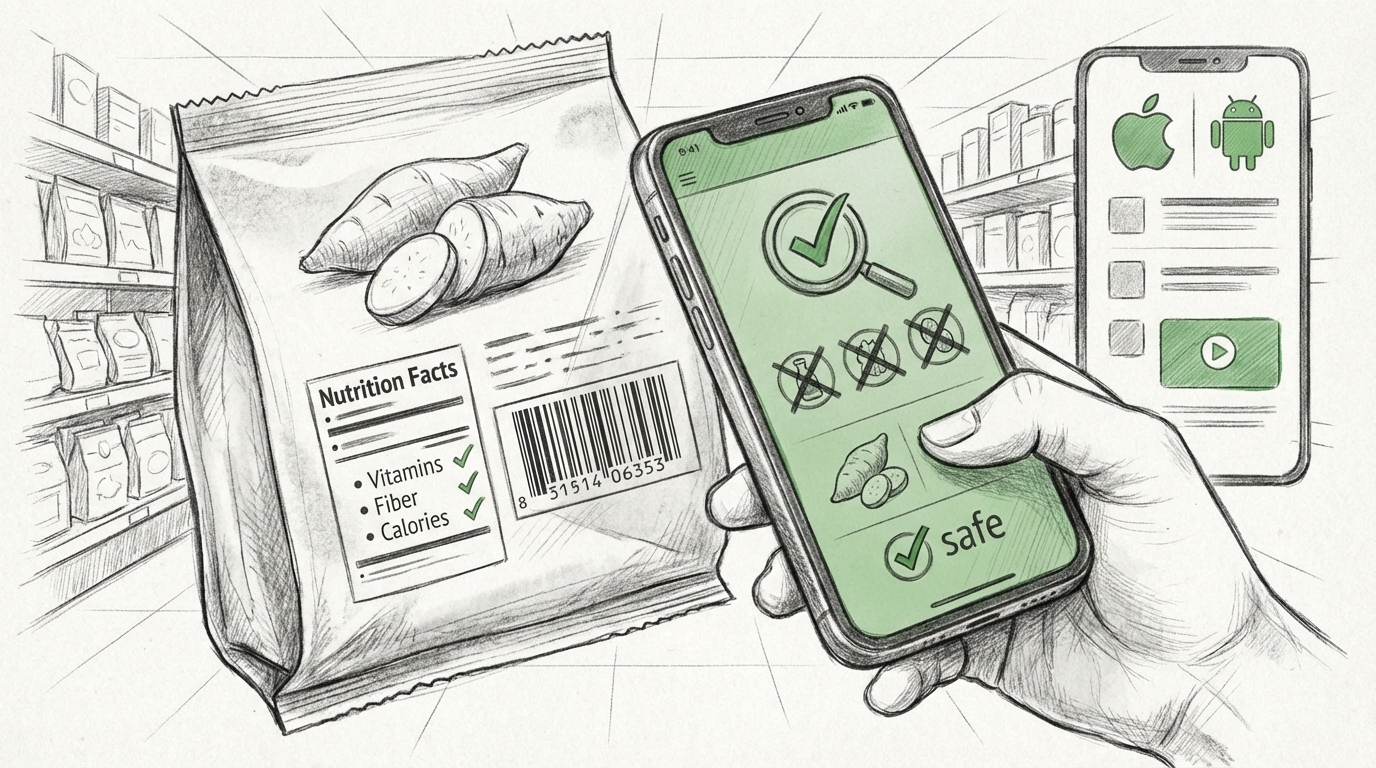
The Nutrict food allergy app can scan barcodes to detect 13 different allergens, traces, additives, and preservatives, making grocery shopping safer and more efficient.
Integration with Restaurant Nutrition Calculators
Combining food scanning apps with restaurant tools creates a comprehensive approach to dietary management. While a chipotle nutrition calculator helps you customize restaurant orders, scanning apps verify packaged products at home.
Special Dietary Considerations
Sweet potato fries can fit into various dietary patterns, but understanding how they align with specific eating plans helps optimize their nutritional benefits.
Sweet Potato Fries for Different Diets
Different dietary approaches have unique considerations for sweet potato fries:
- Keto/Low-Carb: Limited portions due to 23-26g carbs per serving
- Paleo: Compliant when prepared with approved oils and seasonings
- Vegan: Naturally plant-based, but check for hidden dairy in seasonings
- Whole30: Allowed in moderation without added sugars or non-compliant oils
- Diabetic-Friendly: Better than regular fries but still requires portion control
Managing Celiac Disease and Gluten Sensitivity
For those with celiac disease or gluten sensitivity, vigilance is essential. Similar to checking if Ezekiel bread is gluten free, you must verify that sweet potato fries haven't been cross-contaminated or prepared with gluten-containing ingredients.
Just as consumers seek gluten free wheat free beer alternatives, finding truly safe sweet potato fry options requires careful label reading and restaurant questioning.
Frequently Overlooked Nutritional Factors
Beyond basic macronutrients, several lesser-known nutritional aspects of sweet potato fries deserve attention.
Chemical Compounds and Processing Agents
Commercial sweet potato products may contain various processing agents:
- Hydroxy stearic acid: Sometimes used in food-grade coatings
- Methane sulfonic acid: Occasionally present in processing solutions
- Poly carboxylic acid: May appear in stabilizer systems
- Dextrose and other sugars for browning
- Anticaking agents in seasoning blends
Sodium Content Variations
Sodium levels vary dramatically between homemade and commercial preparations. Restaurant sweet potato fries can contain 400-800mg of sodium per serving—up to 35% of the daily recommended limit.
Smart Shopping for Sweet Potato Fries
Making informed purchasing decisions ensures you get the healthiest sweet potato fry options available. Here's what to look for when shopping.
Reading Nutrition Labels Effectively
When evaluating packaged sweet potato fries, examine these key areas:
- Ingredient list length: Shorter lists typically indicate fewer additives
- Oil type: Look for heart-healthy oils like avocado or olive oil
- Sodium per serving: Aim for less than 200mg per serving
- Added sugars: Should be minimal or absent
- Allergen warnings: Check for cross-contamination risks
Brand Recommendations
Several brands offer higher-quality sweet potato fry options with cleaner ingredient lists:
- Alexia Organic Sweet Potato Fries with Sea Salt
- Simple Truth Organic Sweet Potato Fries
- Cascadian Farm Organic Crinkle Cut Sweet Potato Fries
- 365 Everyday Value Organic Sweet Potato Fries
Using an allergy checker app while shopping helps verify that products meet your dietary requirements before purchase.
Pairing Sweet Potato Fries with Balanced Meals
Sweet potato fries work best as part of a nutritionally balanced meal rather than as a standalone dish. Strategic pairing enhances their nutritional value.
Complementary Protein Sources
Pairing sweet potato fries with quality protein creates a more satisfying and balanced meal:
- Grilled chicken breast (lean protein, low fat)
- Wild-caught salmon (omega-3 fatty acids)
- Black bean burger (plant-based protein and fiber)
- Turkey burger (lean alternative to beef)
- Baked tofu (vegan protein option)
Healthier Dipping Sauce Options
Traditional dipping sauces add significant calories and sodium. Consider these healthier alternatives:
- Greek yogurt-based aioli (protein-rich)
- Homemade guacamole (healthy fats)
- Hummus varieties (fiber and protein)
- Salsa (low-calorie, nutrient-dense)
- Tahini sauce (calcium and healthy fats)
Understanding Restaurant Preparation Methods
Restaurant sweet potato fries often contain significantly more calories and additives than you might expect. Knowing what questions to ask helps you make better choices.
Questions to Ask at Restaurants
When ordering sweet potato fries at restaurants, ask these important questions:
- Are the fries coated or breaded?
- What type of oil is used for frying?
- Are they fried in shared equipment with gluten-containing foods?
- What seasonings are added?
- Can they be prepared without added salt?
- Are they fresh-cut or frozen?
Fast-Casual Chain Comparisons
While a chipotle nutrition calculator helps navigate Mexican-inspired menus, other chains offer sweet potato options with varying nutritional profiles. Always check current chipotle nutrition info and similar resources for the most accurate data.
The Role of Portion Control
Even nutritious foods can contribute to excess calorie intake when portions aren't controlled. Understanding appropriate serving sizes is crucial.
Standard Serving Size Guidelines
A proper serving of sweet potato fries typically consists of:
- 3 ounces (85 grams) for a side dish
- Approximately 10-15 medium fries
- About 1 cup of fries
- 120-180 calories when baked
Restaurant vs. Home Portions
Restaurant servings often exceed recommended portions by 2-3 times. A typical restaurant order contains 6-9 ounces, delivering 280-380 calories before considering dipping sauces.
| Portion Size | Calories | Carbohydrates | Fat |
|---|---|---|---|
| Small (3 oz) | 140-180 | 23-26g | 4-7g |
| Medium (5 oz) | 230-300 | 38-43g | 7-12g |
| Large (8 oz) | 370-480 | 61-69g | 11-19g |
Seasonal and Organic Considerations
The quality and nutritional content of sweet potatoes can vary based on growing conditions and farming practices.
Benefits of Organic Sweet Potatoes
Choosing organic sweet potatoes offers several advantages:
- Reduced pesticide exposure
- Often higher antioxidant content
- Better soil health during cultivation
- No synthetic fertilizers or GMOs
Seasonal Availability and Freshness
Sweet potatoes are typically harvested in fall and winter, though they're available year-round. Fresh, seasonal sweet potatoes often have:
- Better flavor and texture
- Higher nutrient density
- Lower cost at peak season
- Reduced environmental impact from transportation
Managing Food Allergies with Sweet Potato Fries
For individuals with food allergies, sweet potato fries present both opportunities and challenges. While the base ingredient is naturally allergen-free, preparation and processing can introduce risks.
Common Cross-Contamination Scenarios
Cross-contamination can occur at multiple points:
- Shared cutting boards and knives in restaurants
- Fryers used for multiple products
- Manufacturing facilities processing multiple allergens
- Seasoning blends containing hidden allergens
- Coating ingredients with gluten or dairy
Using Technology for Allergen Detection
Modern apps make allergen management significantly easier. An allergy checker app allows you to quickly scan products and identify potential risks before consumption.
The Nutrict app specializes in detecting 13 different allergens, traces, additives, and preservatives, providing peace of mind for those with multiple sensitivities. This technology is particularly valuable when evaluating packaged sweet potato fry products that may contain unexpected ingredients.
Sweet Potato Fries in Meal Planning
Incorporating sweet potato fries into a balanced meal plan requires strategic thinking about frequency, portions, and complementary foods.
Weekly Consumption Guidelines
Nutritionists generally recommend:
- 1-2 servings per week for most adults
- Smaller portions for children (2-3 oz)
- Reduced frequency for low-carb diets
- Increased portions for highly active individuals
Meal Prep Strategies
Preparing sweet potato fries in advance saves time and ensures healthier options are available:
- Cut and store raw fries in water (up to 24 hours)
- Partially bake and freeze for quick finishing
- Pre-season and store in airtight containers
- Batch cook on weekends for weekday convenience
Just as planning ahead helps with other dietary needs—like having gluten-free dairy-free snacks readily available—preparing sweet potato fries in advance supports healthier eating habits.
Comparing Sweet Potato Fries to Other Snack Options
Understanding how sweet potato fries compare to other popular snacks helps contextualize their place in a healthy diet.
Nutritional Comparison with Popular Snacks
Sweet potato fries offer distinct advantages over many conventional snack foods:
| Snack | Calories | Fiber (g) | Vitamin A (% DV) |
|---|---|---|---|
| Sweet Potato Fries (baked) | 140-180 | 3-4 | 384% |
| Potato Chips | 536 | 4 | 0% |
| Regular Cheese-Its | 503 | 2 | 4% |
| Pretzels | 380 | 3 | 0% |
| Popcorn (air-popped) | 387 | 15 | 1% |
For those seeking allergen-free alternatives, gluten free cheese-its and similar products offer options, though sweet potato fries generally provide superior nutritional value when prepared healthily.
Future Trends in Sweet Potato Fry Products
The food industry continues innovating with sweet potato products, introducing new options that cater to health-conscious consumers and those with dietary restrictions.
Emerging Product Innovations
Recent developments in sweet potato fry products include:
- Air-fried frozen varieties requiring no additional oil
- Spiralized sweet potato "fries" for lower carb content
- Protein-enhanced versions with added plant-based protein
- Probiotic-coated options supporting gut health
- Purple sweet potato varieties with higher antioxidants
Clean Label Movement Impact
Consumer demand for transparency has pushed manufacturers toward cleaner ingredient lists, reducing additives like poly carboxylic acid, methane sulfonic acid, and hydroxy stearic acid in favor of simpler, more recognizable ingredients.
Conclusion: Making Informed Choices About Sweet Potato Fries
Understanding complete sweet potato fries nutrition info empowers you to make decisions aligned with your health goals and dietary needs. While sweet potato fries offer significant nutritional benefits—particularly their exceptional vitamin A content and fiber—preparation methods and added ingredients dramatically impact their overall healthfulness.
Whether you're using a chipotle nutrition calculator to navigate restaurant menus or preparing fries at home, knowledge is your most powerful tool. Pay attention to cooking methods, portion sizes, and potential allergens to maximize the benefits while minimizing risks.
For those managing food allergies or sensitivities, modern technology makes safe eating easier than ever. An allergy checker app provides instant access to comprehensive ingredient information, helping you avoid hidden allergens in packaged products and restaurant preparations.
Sweet potato fries can absolutely be part of a healthy, balanced diet when consumed mindfully. Opt for baked or air-fried preparations, control portions, and pair them with lean proteins and vegetables for nutritionally complete meals. Stay informed about ingredients, especially if you're avoiding additives like poly carboxylic acid or methane sulfonic acid, or seeking alternatives like gluten free wheat free beer and gluten free cheese-its.
Ready to take control of your food choices and easily identify allergens in everything you eat? Download the Nutrict app today and start scanning products to detect 13 different allergens, traces, additives, and preservatives. Make informed decisions about your food with confidence—your health deserves nothing less.
Article created using IntentRank