Ritz Crackers Nutrition Facts & Hidden Allergen Guide
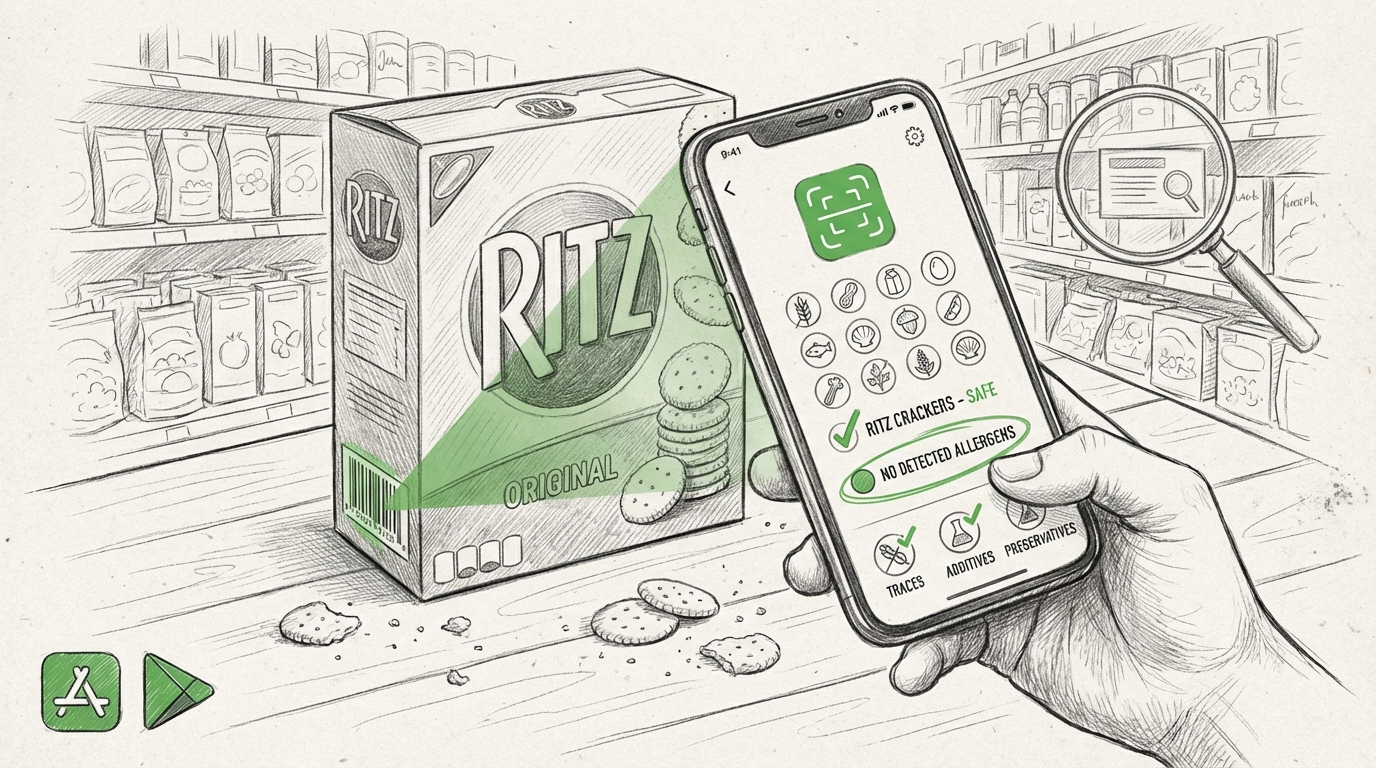
TL;DR: Ritz crackers nutrition includes approximately 80 calories per 5 crackers, with 4g fat, 10g carbohydrates, and 1g protein. They contain wheat, soy, and may have traces of other allergens. For precise allergen information and detailed nutritional content, scanning product barcodes with allergen detection apps helps identify all ingredients, additives, and potential traces safely.
Frequently Asked Questions
What are the nutritional facts for Ritz crackers?
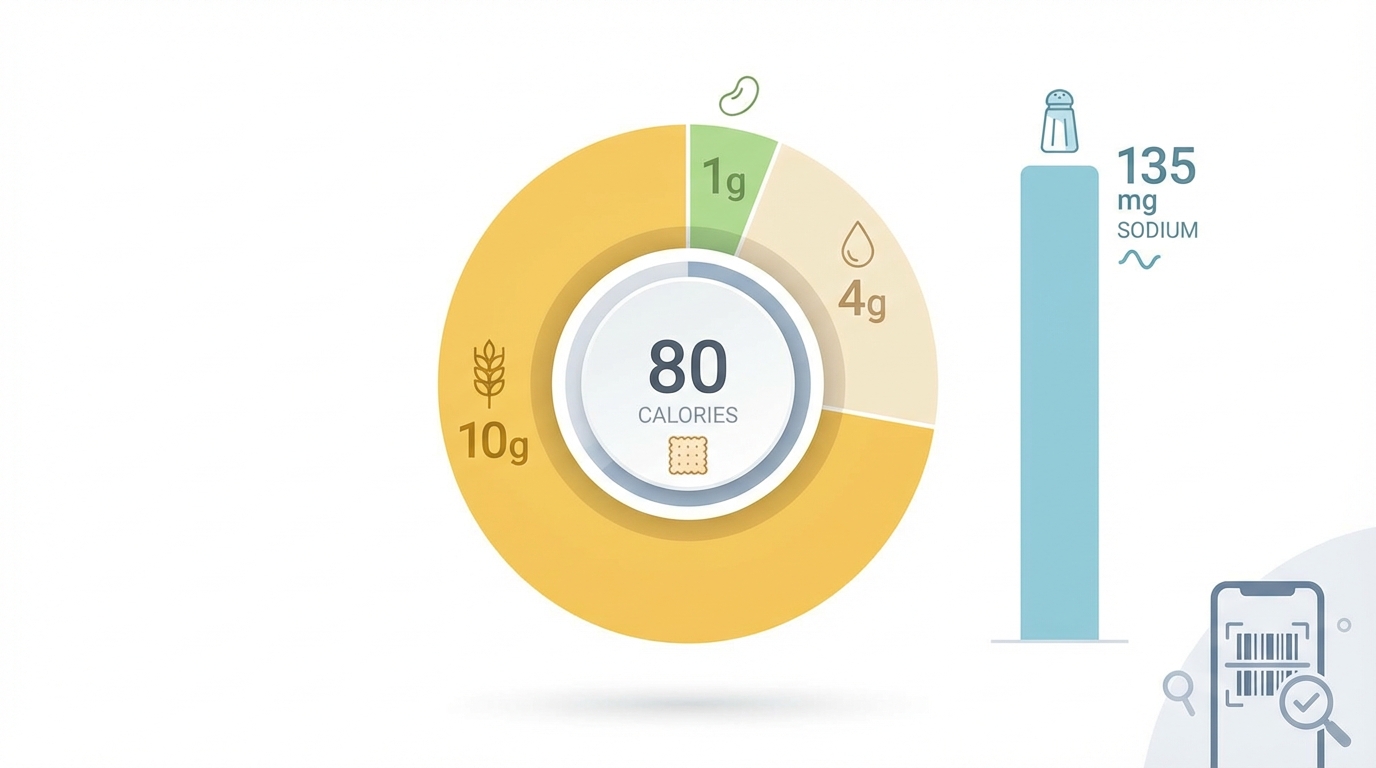
Ritz crackers contain approximately 80 calories per 5-cracker serving (16g). Each serving provides 4g of fat, 10g of carbohydrates, and 1g of protein. They contain 135mg of sodium and less than 1g of fiber. Ritz crackers are made with enriched flour, vegetable oils, sugar, and salt. They contain no cholesterol but do include small amounts of iron and B vitamins from flour enrichment.
Are Ritz crackers gluten-free like gluten-free Cheez-Its?
No, traditional Ritz crackers are not gluten-free as they contain wheat flour. However, Nabisco does manufacture gluten-free Ritz-style crackers made with rice flour and potato starch. If you need gluten-free options similar to gluten-free Cheez-Its, check product labels carefully or use an allergen checker app to scan barcodes and verify ingredients before purchasing.
How can I check allergens in Ritz crackers using an app?
Allergen checker apps allow you to scan Ritz cracker barcodes to instantly detect 13 different allergens, traces, additives, and preservatives. Simply download an allergen detection app on iOS or Android, scan the product barcode, and receive detailed information about wheat, dairy, soy, and other potential allergens. This is especially helpful for managing food allergies and dietary restrictions.
Do Ritz crackers contain common allergens?
Yes, Ritz crackers contain several common allergens. They include wheat (gluten) and soy ingredients. Some varieties may also contain dairy products. Ritz crackers are typically made in facilities that process other allergens like milk, eggs, and tree nuts. Always check the ingredient label and allergen warnings, or use an allergen checker app to scan the barcode for comprehensive allergen information.
What additives and preservatives are in Ritz crackers nutrition?
Ritz crackers contain several additives including high fructose corn syrup, leavening agents (baking soda, calcium phosphate), soy lecithin as an emulsifier, and natural flavors. They may contain partially hydrogenated oils or palm oil depending on the variety. To get detailed information about specific additives and preservatives in any Ritz product, scan the barcode with an allergen checker app.
How do Ritz crackers compare nutritionally to other snack crackers?
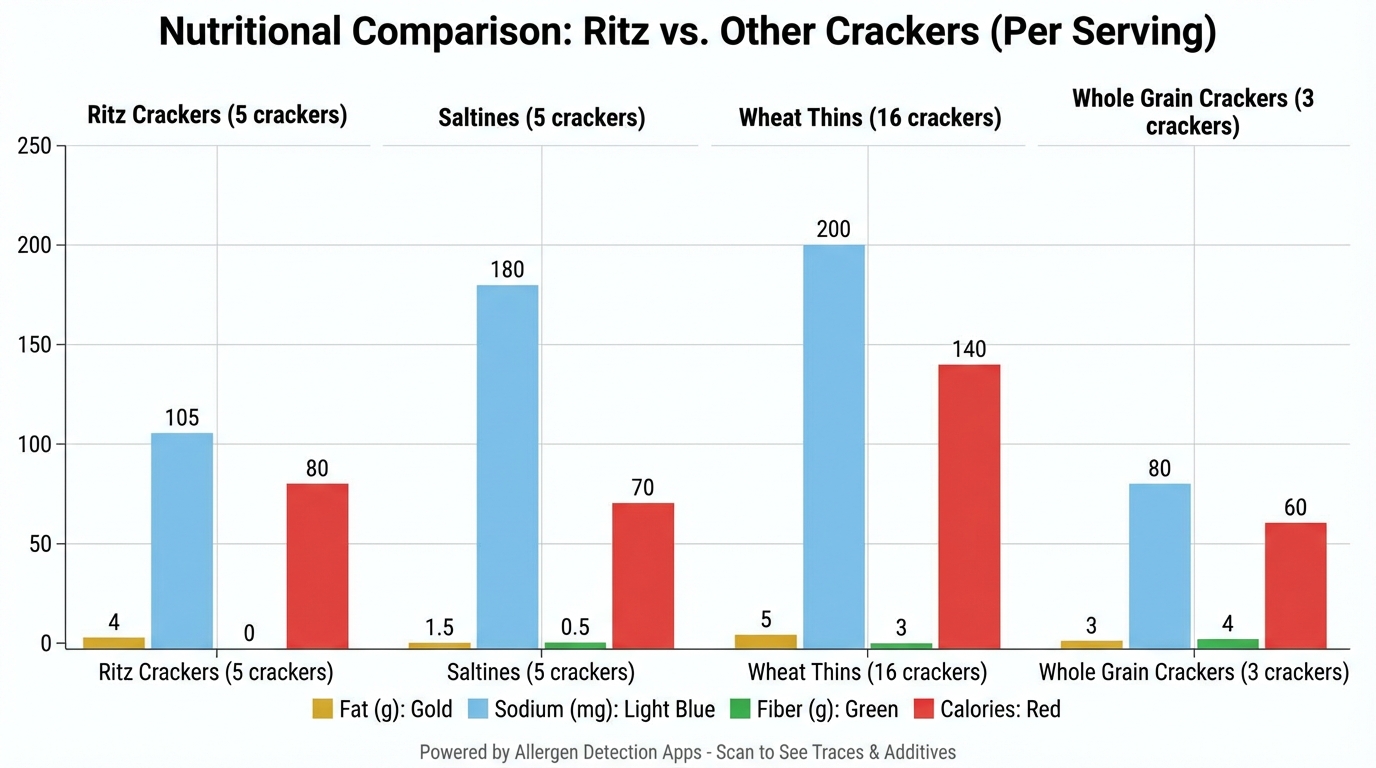
Ritz crackers are relatively high in fat and sodium compared to some alternatives. With 4g of fat per serving, they contain more fat than saltines but similar amounts to Wheat Thins. Their sodium content (135mg per serving) is moderate. They're lower in fiber than whole grain crackers but provide quick energy from simple carbohydrates. For healthier options, consider whole grain varieties.
Can I find Ritz crackers nutrition information using Chipotle nutrition calculator?
No, Chipotle nutrition calculator is specifically designed for Chipotle restaurant menu items and cannot provide information about packaged products like Ritz crackers. For Ritz crackers nutrition info, check the product packaging, manufacturer's website, or use a dedicated allergen checker app that scans barcodes to access comprehensive nutritional data, allergen information, and ingredient lists for grocery products.
Are there healthier alternatives to regular Ritz crackers?
Yes, healthier alternatives include Ritz Whole Wheat crackers, which offer more fiber, or gluten-free varieties for those with wheat sensitivities. You can also choose crackers made with whole grains, seeds, and minimal additives. Use an allergen checker app to compare nutritional values and identify products that meet your dietary needs while avoiding unwanted additives, preservatives, and allergens.
Understanding Ritz Crackers Nutrition: A Complete Breakdown
When reaching for a box of Ritz crackers at the grocery store, understanding the ritz crackers nutrition profile is essential for making informed dietary choices. These buttery, flaky crackers have been a pantry staple for decades, but their nutritional content and potential allergens deserve careful consideration, especially for individuals managing food sensitivities or following specific dietary plans.
Ritz crackers contain a combination of refined flour, oils, and various additives that contribute to their distinctive taste and texture. For those with food allergies or dietary restrictions, knowing exactly what's inside each serving can make the difference between a safe snack and a potential health concern.
This comprehensive guide examines the nutritional facts, allergen information, ingredient analysis, and healthier alternatives to help you make educated decisions about including Ritz crackers in your diet.
Ritz Crackers Nutrition Facts Per Serving

A standard serving of Ritz Original crackers consists of 5 crackers (approximately 16 grams). Understanding the nutritional breakdown helps consumers track their daily intake of calories, fats, and other essential nutrients.
| Nutrient | Amount Per Serving | % Daily Value |
|---|---|---|
| Calories | 80 | - |
| Total Fat | 4g | 5% |
| Saturated Fat | 1g | 5% |
| Trans Fat | 0g | - |
| Cholesterol | 0mg | 0% |
| Sodium | 135mg | 6% |
| Total Carbohydrates | 10g | 4% |
| Dietary Fiber | 0g | 0% |
| Total Sugars | 1g | - |
| Protein | 1g | 2% |
Calorie Density and Portion Control
At 80 calories per 5-cracker serving, Ritz crackers are relatively calorie-dense for their size. Many people consume multiple servings in one sitting, which can quickly add up. A full sleeve of Ritz crackers contains approximately 32 crackers, totaling over 500 calories.
The lack of dietary fiber (0g per serving) means these crackers provide minimal satiety. Unlike whole grain alternatives that keep you fuller longer, refined flour crackers digest quickly, potentially leading to increased hunger shortly after consumption.
Ingredient Analysis: What's Really in Ritz Crackers?
The ingredient list reveals the composition behind the familiar buttery flavor and crispy texture. Understanding these components is crucial for anyone managing food allergies or seeking to avoid certain additives.
Primary Ingredients
- Unbleached Enriched Flour: The main ingredient, providing the cracker base but lacking nutritional fiber
- Canola Oil and Palm Oil: Contribute to the fat content and buttery texture
- Sugar: Adds subtle sweetness to balance the savory flavor
- Salt: Enhances flavor and acts as a preservative
- Leavening Agents: Including baking soda and calcium phosphate for texture
- Soy Lecithin: An emulsifier that helps bind ingredients together
- Natural Flavor: Proprietary blend contributing to the signature taste
Additives and Preservatives
While Ritz crackers don't contain some of the more controversial additives found in other processed foods, they do include certain compounds worth noting. Understanding chemical additives like hydroxy stearic acid (found in some processed foods) and poly carboxylic acid (used in various food applications) helps consumers make informed choices, though these specific compounds aren't listed in Ritz crackers.
The presence of methane sulfonic acid derivatives in food processing is a concern for some health-conscious consumers, though standard Ritz crackers don't typically contain this compound. However, using an allergy checker app can help identify all additives and preservatives in any packaged food product.
Allergen Information: Critical Safety Details
For individuals with food allergies, understanding the allergen profile of Ritz crackers is non-negotiable. These crackers contain several common allergens that can trigger serious reactions in sensitive individuals.
Confirmed Allergens in Ritz Crackers
| Allergen | Present | Risk Level |
|---|---|---|
| Wheat/Gluten | Yes | High |
| Soy | Yes | High |
| Dairy | Possible traces | Medium |
| Tree Nuts | Cross-contamination risk | Low-Medium |
| Peanuts | Cross-contamination risk | Low-Medium |
Gluten Content and Celiac Concerns
Ritz crackers are definitively not gluten-free. The primary ingredient is wheat flour, making them completely unsuitable for individuals with celiac disease or gluten sensitivity. Those seeking gluten free wheat free beer alternatives or other gluten-free options should avoid standard Ritz crackers entirely.
For individuals looking for gluten-free alternatives to traditional crackers, options like gluten free cheese-its or certified gluten-free crackers provide safer choices. Similar to understanding whether Ezekiel bread is gluten free, it's essential to verify all product labels carefully.
Using Technology to Identify Allergens
Modern technology has made allergen identification significantly easier. An allergy checker app like Nutrict's food allergy scanner allows users to scan product barcodes and instantly identify all 13 major allergens, traces, additives, and preservatives.
This technology is particularly valuable when shopping for packaged foods, as it eliminates the need to manually read and interpret complex ingredient lists. Parents managing children's dietary restrictions can quickly verify product safety before purchase.
Comparing Ritz Crackers to Healthier Alternatives
While Ritz crackers serve as a convenient snack, numerous alternatives offer superior nutritional profiles. Understanding these options helps consumers make better choices aligned with their health goals.
| Product | Calories | Fiber (g) | Protein (g) | Sodium (mg) |
|---|---|---|---|---|
| Ritz Original | 80 | 0 | 1 | 135 |
| Whole Grain Crackers | 70 | 3 | 2 | 110 |
| Seed Crackers | 90 | 4 | 4 | 95 |
| Rice Crackers | 60 | 1 | 1 | 80 |
| Almond Flour Crackers | 85 | 2 | 3 | 100 |
Whole Grain Options
Whole grain crackers provide significantly more dietary fiber, which aids digestion and promotes feelings of fullness. They also contain more vitamins and minerals that are stripped away during the refinement process used for Ritz crackers.
Look for crackers listing whole wheat, whole grain oats, or quinoa as the first ingredient. These options typically contain 2-4 grams of fiber per serving compared to Ritz's zero grams.
Allergen-Friendly Alternatives
For those managing multiple food allergies, finding safe snack options requires careful research. Fortunately, the market now offers numerous gluten-free and dairy-free snacks that accommodate various dietary restrictions.
Seed-based crackers made from flax, chia, or pumpkin seeds provide allergen-friendly options with superior nutritional profiles. These alternatives typically offer higher protein and fiber content while avoiding common allergens like wheat and dairy.
Ritz Crackers in Special Diets
Understanding how Ritz crackers fit into various dietary approaches helps consumers make informed decisions about their snack choices.
Low-Carb and Keto Diets
With 10 grams of carbohydrates per serving and zero fiber, Ritz crackers provide 10 grams of net carbs. This makes them unsuitable for strict ketogenic diets, which typically limit daily carb intake to 20-50 grams.
The refined flour base causes rapid blood sugar spikes, making these crackers problematic for individuals managing diabetes or following low-glycemic eating patterns.
Heart-Healthy Considerations
While Ritz crackers contain no trans fats (a positive change from earlier formulations), they do contain palm oil, which is high in saturated fat. The American Heart Association recommends limiting saturated fat intake to reduce cardiovascular disease risk.
The sodium content (135mg per serving) can also add up quickly, especially when consuming multiple servings. High sodium intake is linked to increased blood pressure and cardiovascular complications.
Weight Management
The combination of high calorie density, low fiber, and minimal protein makes Ritz crackers a poor choice for weight management. The lack of satiety-promoting nutrients often leads to overconsumption and increased overall calorie intake.
Similar to understanding corn on the cob calories or other whole foods, focusing on nutrient-dense options provides better support for weight management goals.
Making Informed Restaurant Choices
While this article focuses on packaged Ritz crackers, understanding nutrition extends to restaurant dining as well. Tools like a chipotle nutrition calculator help consumers track their intake when eating out, providing transparency about calories, macronutrients, and sodium content.
Access to chipotle nutrition info and similar restaurant nutritional data empowers individuals to make choices aligned with their dietary goals. Whether managing allergies, tracking calories, or following specific eating patterns, having this information readily available supports better decision-making.
Many restaurants now provide detailed allergen information, but using a comprehensive allergy checker app adds an extra layer of safety by cross-referencing ingredients and identifying potential risks.
Reading Labels and Identifying Hidden Ingredients
Understanding food labels requires more than just glancing at the nutrition facts panel. Many ingredients hide under unfamiliar chemical names or umbrella terms like "natural flavors."
Common Label Red Flags
- Enriched flour: Indicates refined grains with synthetic vitamins added back
- Natural flavor: Can contain dozens of undisclosed compounds
- May contain: Warnings about cross-contamination with allergens
- Processed in a facility: Indicates shared equipment with allergen-containing products
For individuals with severe allergies, even trace amounts can trigger reactions. This is why using technology like Nutrict's allergen scanner provides crucial protection by identifying all potential allergens, including traces and cross-contamination risks.
Understanding Serving Sizes
Manufacturers often set serving sizes strategically to make nutritional values appear more favorable. Five Ritz crackers seems like a modest serving, but most people consume significantly more in one sitting.
Paying attention to actual consumption versus listed serving sizes helps maintain accurate tracking of calories, sodium, and other nutrients throughout the day.
Healthier Ways to Enjoy Crackers
If you choose to include Ritz crackers in your diet, certain strategies can minimize their nutritional drawbacks while maximizing satisfaction.
Pairing Strategies
- Add protein: Top with natural nut butter, hummus, or cheese to increase satiety
- Include vegetables: Pair with cucumber slices, bell pepper strips, or cherry tomatoes
- Control portions: Pre-portion servings into small containers to avoid mindless eating
- Balance your plate: Use crackers as a small component of a larger, nutrient-dense meal
Homemade Alternatives
Making crackers at home allows complete control over ingredients, eliminating additives and customizing for dietary needs. Simple recipes using whole grain flours, seeds, and herbs create nutritious alternatives without the processing concerns of commercial products.
Homemade crackers can be tailored to accommodate allergies, reduce sodium, increase fiber, and eliminate preservatives—all while providing the satisfying crunch people enjoy.
The Role of Technology in Managing Dietary Restrictions
Modern apps have revolutionized how individuals with food allergies and dietary restrictions navigate grocery shopping and meal planning. Rather than manually scrutinizing every ingredient list, technology provides instant, comprehensive information.
An allergy checker app scans product barcodes and immediately flags potential concerns, including:
- All 13 major allergens (milk, eggs, fish, shellfish, tree nuts, peanuts, wheat, soybeans, sesame, and more)
- Trace amounts and cross-contamination warnings
- Additives and preservatives that may cause sensitivities
- Alternative product suggestions that meet dietary requirements
This technology is particularly valuable for parents managing children's allergies, as it eliminates guesswork and provides peace of mind when selecting packaged foods. Similar to checking whether Yoplait yogurt is healthy, having instant access to comprehensive nutritional and allergen information supports better dietary choices.
Conclusion: Making Informed Snack Choices
Understanding ritz crackers nutrition empowers consumers to make informed decisions about including these popular snacks in their diets. While Ritz crackers offer convenience and familiar taste, their nutritional profile—characterized by refined flour, minimal fiber, and moderate sodium—positions them as an occasional treat rather than a nutritious staple.
For individuals managing food allergies, the presence of wheat and soy makes Ritz crackers unsuitable, necessitating careful label reading and consideration of allergen-friendly alternatives. The lack of fiber and protein means these crackers provide limited nutritional value beyond calories and carbohydrates.
Whether you're tracking calories using a chipotle nutrition calculator for restaurant meals or seeking gluten free wheat free beer alternatives for dietary restrictions, the principle remains the same: knowledge is power. Understanding exactly what you're consuming allows for better alignment between food choices and health goals.
Take control of your dietary choices today by using technology designed to protect your health. Visit Nutrict to download the food allergy scanner app and instantly identify allergens, additives, and preservatives in thousands of products. With the ability to scan barcodes and detect 13 different allergens plus traces, you'll have the confidence to shop safely and make informed decisions for yourself and your family. Start scanning smarter today with Nutrict—your personal allergen detective available on both iOS and Android.
Article created using IntentRank