Miso Soup Nutrition Facts: Calories, Protein & Health Benefi

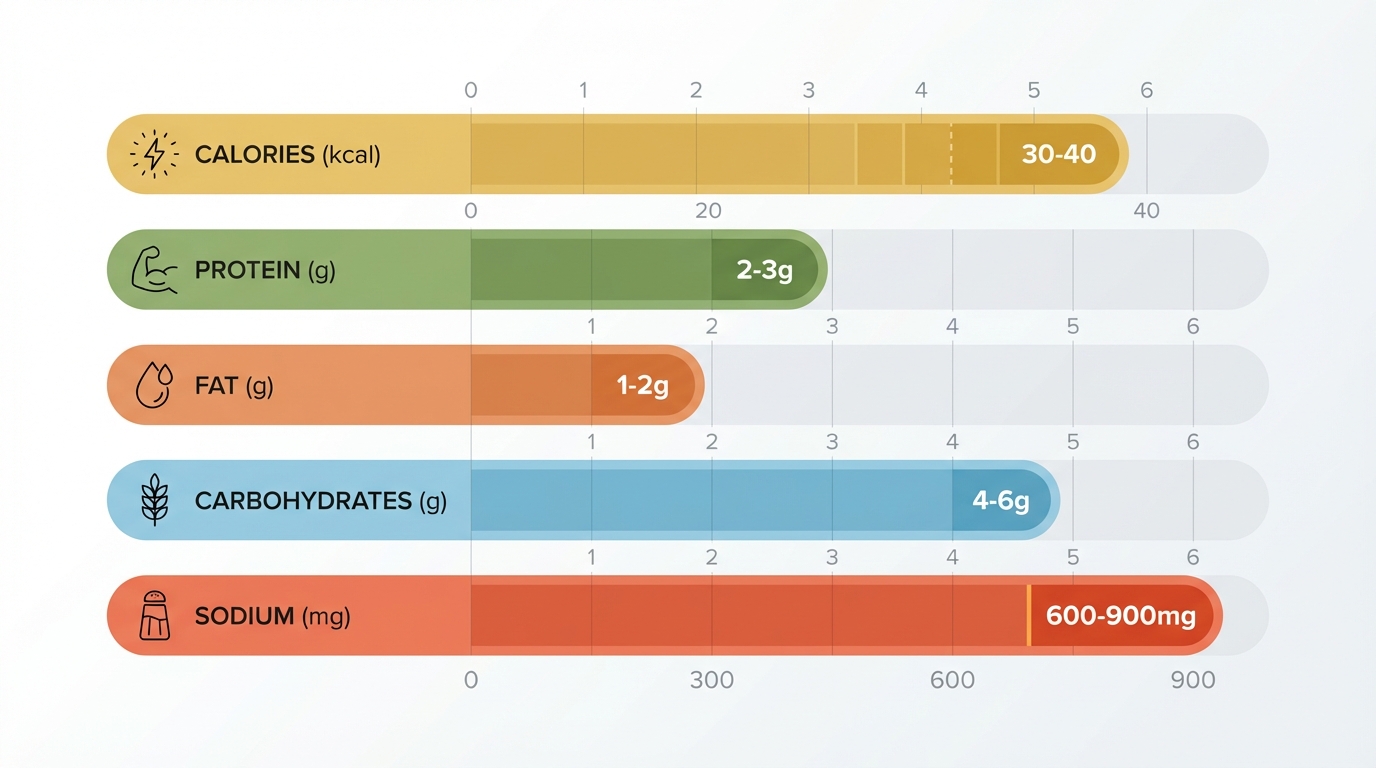
TL;DR: Nutrition info miso soup typically includes 30-40 calories per cup, 2-3g protein, 1-2g fat, and 4-7g carbohydrates. It's rich in probiotics, vitamins B and K, and minerals like manganese and zinc. However, miso soup contains high sodium levels (600-1000mg per serving) and may include allergens like soy, fish, and wheat depending on ingredients used.
Frequently Asked Questions
What is the nutrition info for miso soup?
A typical bowl of miso soup (240ml) contains approximately 30-40 calories, 2-3g of protein, 1-2g of fat, and 4-6g of carbohydrates. It's also rich in sodium (600-900mg per serving) and provides beneficial probiotics. Miso soup is low in calories and contains essential minerals like manganese, zinc, and copper, making it a nutritious starter or side dish.
How can I check allergens in miso soup using an app?
An allergen checker app allows you to scan product barcodes to instantly identify potential allergens in miso soup ingredients. These apps detect common allergens like soy, fish, and gluten, plus traces, additives, and preservatives. Simply scan the barcode on packaged miso paste or instant miso soup to view detailed allergen information and make informed dietary choices.
Does miso soup contain gluten?
Traditional miso soup may contain gluten depending on the type of miso paste used. Some miso varieties are made with barley or wheat, which contain gluten. However, gluten-free options made exclusively from soybeans and rice are available. Always check labels or use an allergy checker app to verify if specific miso products are gluten-free before consumption.
How do I use Chipotle nutrition calculator for allergen information?
The Chipotle nutrition calculator allows you to customize menu items and view detailed nutrition info including calories, macronutrients, and allergen warnings. Select your desired ingredients to see real-time nutritional breakdowns. While Chipotle doesn't serve miso soup, the calculator demonstrates how digital tools help consumers make informed choices about allergens and nutrition content in restaurant foods.
What allergens are commonly found in miso soup?
Miso soup typically contains soy, which is a major allergen, as miso paste is made from fermented soybeans. It may also contain fish allergens from dashi stock made with bonito flakes, and potential gluten from certain miso varieties. Additional allergens might include seaweed derivatives and mushrooms. Using an allergen scanner app helps identify all 13 major allergens present.
Is miso soup suitable for a gluten-free diet?
Miso soup can be gluten-free if made with rice-based or pure soybean miso paste. However, many commercial miso products contain barley or wheat, making them unsuitable for gluten-free diets. Check product labels carefully or scan barcodes with an allergy checker app to confirm gluten-free status. Homemade miso soup using certified gluten-free ingredients ensures safe consumption.
How many calories are in restaurant miso soup?
Restaurant miso soup typically contains 25-50 calories per cup, though this varies by preparation method and ingredients. Japanese restaurants often serve a standard 6-8 oz portion with 30-40 calories. Additions like tofu, seaweed, or green onions minimally impact calorie content. For precise nutrition info, check restaurant websites or use nutrition calculator tools to track your dietary intake accurately.
Can allergen checker apps scan miso soup ingredients?
Yes, allergen checker apps can scan barcodes on packaged miso paste, instant miso soup, and related ingredients to detect 13 different allergens including soy, gluten, and fish. These apps identify traces, additives, and preservatives in products. Available on iOS and Android, they provide instant allergen information, helping people with food sensitivities make safe choices when shopping or preparing miso soup.
Understanding Miso Soup: A Comprehensive Guide to Nutrition Info Miso Soup
Miso soup is a traditional Japanese staple that has gained worldwide popularity for its savory umami flavor and impressive nutritional profile. Whether you're managing food allergies, tracking your macros with a chipotle nutrition calculator, or simply seeking healthier meal options, understanding the nutrition info miso soup provides is essential for making informed dietary choices.
This beloved soup, made from fermented soybean paste, offers a unique combination of probiotics, essential minerals, and plant-based protein. For individuals with dietary restrictions or those using an allergy checker app, knowing exactly what's in your miso soup can help you navigate potential allergens while enjoying this nutritious dish.
In this comprehensive guide, we'll explore everything you need to know about miso soup nutrition, from calorie counts to micronutrient content, allergen considerations, and how it compares to other popular soup options.
Complete Nutrition Info Miso Soup Breakdown

Understanding the complete nutritional profile of miso soup helps you make informed decisions about incorporating it into your diet. The nutritional content can vary based on preparation methods and additional ingredients, but here's what you can typically expect from a standard serving.
Basic Nutritional Profile Per Serving
A typical one-cup (240ml) serving of traditional miso soup contains relatively few calories while delivering substantial nutritional benefits. The base recipe using miso paste, dashi stock, tofu, and seaweed provides a well-rounded nutritional profile.
| Nutrient | Amount | % Daily Value |
|---|---|---|
| Calories | 40-84 kcal | 2-4% |
| Protein | 3-6g | 6-12% |
| Carbohydrates | 5-8g | 2-3% |
| Fat | 2-3g | 3-4% |
| Fiber | 1-2g | 4-8% |
| Sodium | 600-1,000mg | 25-43% |
Micronutrient Content and Health Benefits
Beyond basic macronutrients, miso soup delivers impressive amounts of essential vitamins and minerals. The fermented miso paste contributes probiotics that support digestive health, while the seaweed adds iodine and other trace minerals.
- Vitamin K: Essential for blood clotting and bone health, primarily from seaweed content
- Manganese: Supports metabolism and antioxidant function
- Copper: Important for iron absorption and immune function
- Zinc: Crucial for immune system support and wound healing
- B Vitamins: Including B12, B2, and folate from fermented soybeans
- Probiotics: Beneficial bacteria that support gut health and digestion
Calorie Variations by Preparation Method
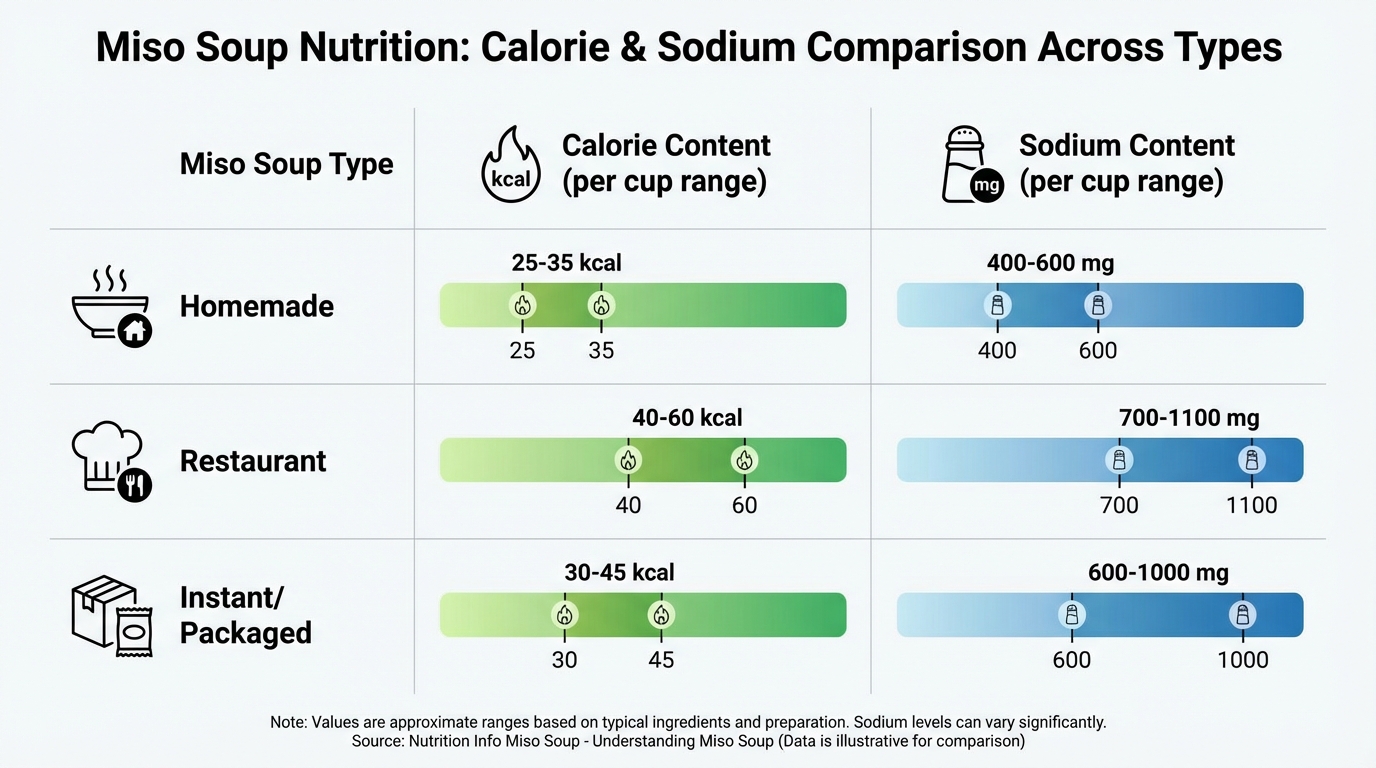
The calorie content in miso soup can vary significantly depending on ingredients and preparation style. Restaurant versions often contain more calories than homemade varieties due to additional oils, proteins, and vegetables.
| Preparation Style | Calories per Cup | Key Additions |
|---|---|---|
| Basic Traditional | 40-50 | Miso paste, dashi, seaweed |
| With Tofu | 65-75 | Silken tofu cubes added |
| Restaurant Style | 80-120 | Additional vegetables, proteins, oil |
| With Noodles | 150-200 | Udon or ramen noodles |
| Loaded Vegetable | 90-110 | Mushrooms, greens, carrots |
Allergen Information and Dietary Considerations
For individuals managing food allergies or dietary restrictions, understanding the potential allergens in miso soup is crucial. Using an allergy checker app can help you scan packaged miso products before consumption.
Common Allergens Found in Miso Soup
Miso soup contains several ingredients that may trigger allergic reactions in sensitive individuals. Being aware of these allergens helps you make safe choices or find appropriate substitutions.
- Soy: The primary ingredient in miso paste is fermented soybeans, making it unsuitable for those with soy allergies
- Fish: Traditional dashi stock contains bonito flakes (dried fish), which poses risks for fish allergies
- Shellfish: Some dashi variations use shellfish-based ingredients
- Gluten: Many miso varieties contain barley or wheat, making them problematic for celiac disease
- Sesame: Occasionally added as a flavoring or garnish in restaurant preparations
Gluten-Free and Alternative Options
For those seeking gluten-free options similar to finding gluten free dairy free snacks or gluten free wheat free beer, there are suitable miso soup alternatives available.
Pure soybean miso (made without barley or wheat) provides a gluten-free option. Additionally, chickpea-based miso offers an alternative for those avoiding both gluten and soy. Always verify labels or use a reliable scanning tool to confirm ingredient safety.
| Miso Type | Contains Gluten | Contains Soy | Suitable For |
|---|---|---|---|
| White Miso (Shiro) | Usually Yes | Yes | General use |
| Red Miso (Aka) | Usually Yes | Yes | General use |
| Soybean-Only Miso | No | Yes | Gluten-free diets |
| Chickpea Miso | No | No | Soy and gluten-free diets |
Sodium Content Considerations
One significant nutritional consideration for miso soup is its high sodium content. A single serving can contain 25-43% of your daily recommended sodium intake, which is particularly important for individuals monitoring blood pressure or heart health.
To reduce sodium intake while still enjoying miso soup, consider these strategies:
- Use low-sodium miso paste varieties when available
- Dilute the soup with more water or vegetable stock
- Reduce the amount of miso paste used per serving
- Balance your daily sodium intake by choosing lower-sodium foods at other meals
- Add more vegetables to increase volume without increasing sodium proportionally
Comparing Miso Soup to Other Popular Soups
When evaluating nutrition info miso soup provides compared to other soup options, miso stands out for its unique probiotic content and relatively low calorie count. Understanding these differences helps you make informed choices based on your nutritional goals.
Nutritional Comparison Chart
| Soup Type | Calories | Protein (g) | Sodium (mg) | Special Benefits |
|---|---|---|---|---|
| Miso Soup | 40-84 | 3-6 | 600-1,000 | Probiotics, low calorie |
| Chicken Noodle | 75-150 | 8-12 | 800-1,200 | Higher protein |
| Tomato Soup | 90-160 | 2-4 | 700-1,100 | Vitamin C, lycopene |
| Vegetable Soup | 50-100 | 2-5 | 600-900 | High fiber, vitamins |
| Cream of Mushroom | 120-200 | 3-6 | 800-1,300 | Higher fat content |
Protein Content Analysis
While miso soup provides moderate protein content primarily from tofu and miso paste, it typically contains less protein than meat-based soups. However, it offers complete plant-based protein with all essential amino acids, making it valuable for vegetarian and vegan diets.
The protein quality in miso soup is enhanced by the fermentation process, which breaks down proteins into more easily digestible amino acids. This makes the nutrients more bioavailable compared to non-fermented soy products.
Health Benefits Beyond Basic Nutrition
The nutrition info miso soup provides extends beyond standard macronutrients and minerals. The unique fermentation process and traditional ingredients offer several evidence-based health benefits.
Probiotic and Digestive Health Benefits
Miso paste contains beneficial bacteria strains including Lactobacillus and Bifidobacterium species. These probiotics support gut health by promoting healthy intestinal flora, improving digestion, and potentially enhancing immune function.
- Supports healthy gut microbiome diversity
- May improve digestive comfort and regularity
- Enhances nutrient absorption from other foods
- Potentially reduces inflammation in the digestive tract
- Supports immune system function through gut-immune axis
Antioxidant Properties
The fermentation process creates unique antioxidant compounds not found in unfermented soybeans. These include melanoidins and other bioactive compounds that help protect cells from oxidative stress.
Regular consumption of fermented foods like miso may contribute to reduced oxidative damage and support overall cellular health. The antioxidants work synergistically with vitamins and minerals present in the soup.
Bone Health Support
Miso soup provides several nutrients important for bone health, including vitamin K2, calcium, and isoflavones. The vitamin K2 content, particularly in fermented soy products, plays a crucial role in calcium metabolism and bone mineralization.
Understanding Additives and Preservatives in Commercial Miso Products
When purchasing pre-made miso soup or miso paste, understanding the additives and preservatives used is important for those avoiding certain compounds. Similar to concerns about hydroxy stearic acid, methane sulfonic acid, or poly carboxylic acid in other food products, miso products may contain various additives.
Common Additives in Commercial Miso
Commercial miso products often contain additives to extend shelf life, enhance flavor, or improve texture. Being aware of these ingredients helps you make informed purchasing decisions.
- Alcohol: Used as a natural preservative in some miso pastes
- MSG (Monosodium Glutamate): Added to enhance umami flavor in instant varieties
- Caramel Color: Used to standardize color appearance
- Sorbic Acid: A preservative to prevent mold growth
- Sodium Benzoate: Another common preservative in packaged products
For individuals sensitive to additives, choosing organic, traditionally-made miso paste without added preservatives is recommended. An allergy checker app can help scan product labels to identify unwanted additives quickly.
Reading Labels Effectively
When shopping for miso products, look for shorter ingredient lists that contain primarily fermented soybeans, salt, and koji (the fermentation starter). Avoid products with extensive lists of chemical additives or artificial flavorings.
Traditional miso should naturally contain only soybeans, rice or barley (depending on type), salt, and koji culture. Any additional ingredients warrant closer inspection to ensure they align with your dietary preferences.
Making Miso Soup at Home: Nutritional Optimization
Preparing miso soup at home gives you complete control over the nutrition info miso soup delivers. You can adjust ingredients to meet specific dietary needs while maximizing nutritional benefits.
Essential Ingredients and Their Nutritional Contributions
| Ingredient | Nutritional Contribution | Quantity per Serving |
|---|---|---|
| Miso Paste | Probiotics, protein, B vitamins | 1-2 tablespoons |
| Dashi Stock | Umami flavor, minerals | 1 cup |
| Tofu | Protein, calcium, iron | 2-3 ounces |
| Wakame Seaweed | Iodine, calcium, iron, fiber | 1-2 tablespoons dried |
| Green Onions | Vitamin K, vitamin C, antioxidants | 1-2 stalks |
Nutritional Enhancement Tips
Boost the nutritional value of your homemade miso soup with these evidence-based additions and preparation methods:
- Add extra vegetables: Include mushrooms, spinach, bok choy, or carrots for additional vitamins and fiber
- Use vegetable-based dashi: Replace fish-based dashi with kombu and shiitake mushrooms for a vegan, allergen-friendly option
- Include additional protein: Add edamame, tempeh, or extra tofu to increase protein content
- Don't boil the miso: Add miso paste after removing from heat to preserve beneficial probiotics
- Choose organic ingredients: Minimize exposure to pesticides and GMOs when possible
Portion Control and Serving Suggestions
While miso soup is relatively low in calories, portion awareness remains important, especially considering sodium content. A standard serving of one cup provides adequate nutrition without excessive sodium intake.
Consider serving miso soup as an appetizer or side dish rather than a main meal. Pair it with other nutritious foods to create a balanced meal that includes adequate protein, complex carbohydrates, and healthy fats.
Tracking Miso Soup Nutrition in Your Diet
For individuals carefully monitoring their nutritional intake, tracking miso soup consumption alongside other meals is important. Just as you might use a chipotle nutrition calculator to track your Mexican food intake, understanding how miso soup fits into your daily nutrition is valuable.
Integration with Nutrition Tracking Apps
Most nutrition tracking applications include miso soup in their databases, though nutritional values may vary. When logging your intake, consider these factors:
- Specify whether you're consuming homemade or restaurant-prepared miso soup
- Account for additional ingredients like extra tofu, vegetables, or noodles
- Be mindful of sodium tracking, as miso soup contributes significantly to daily limits
- Consider the timing of consumption, as the probiotic benefits may be optimal when consumed with meals
Balancing Miso Soup in a Complete Diet
Miso soup works best as part of a varied, balanced diet rather than as a sole source of nutrition. Its low calorie content makes it an excellent addition to weight management plans, while its probiotic benefits complement a gut-healthy eating pattern.
For those managing multiple dietary concerns, combining miso soup awareness with tools like an allergy checker app ensures comprehensive dietary management. This approach helps you enjoy diverse foods while maintaining safety and nutritional goals.
Special Considerations for Different Dietary Needs
Understanding how the nutrition info miso soup provides aligns with various dietary approaches helps you determine if it's appropriate for your specific needs.
Miso Soup for Weight Management
With its low calorie density and high satiety factor, miso soup can be an excellent addition to weight loss or maintenance plans. The combination of protein, fiber, and warm liquid helps promote fullness with minimal caloric impact.
Starting meals with a cup of miso soup may help reduce overall calorie intake by promoting satiety before the main course. The protein content, though moderate, contributes to feelings of fullness and helps preserve muscle mass during weight loss.
Considerations for Pregnancy and Nursing
Pregnant and nursing women should be mindful of several factors when consuming miso soup:
- Sodium content: Monitor total daily sodium intake to avoid excessive levels
- Iodine from seaweed: While beneficial, excessive iodine can affect thyroid function
- Probiotic benefits: May support maternal and infant gut health
- Soy isoflavones: Generally safe in moderate amounts from whole food sources
Miso Soup for Athletes and Active Individuals
Athletes may benefit from miso soup's electrolyte content, particularly sodium, which supports hydration and muscle function. The easily digestible protein and carbohydrates provide quick nutrition without digestive discomfort.
Post-workout consumption of miso soup can help replenish sodium lost through sweat while providing amino acids for muscle recovery. However, athletes with higher protein needs should pair miso soup with additional protein sources.
Storage, Shelf Life, and Nutritional Preservation
Proper storage of miso paste and prepared miso soup affects both safety and nutritional quality. Understanding these factors helps you maximize the nutritional benefits while minimizing waste.
Miso Paste Storage Guidelines
Unopened miso paste can be stored at room temperature in a cool, dark place. Once opened, refrigeration is recommended to preserve probiotic cultures and prevent spoilage. Properly stored, miso paste can maintain quality for 12-18 months after opening.
The living cultures in miso paste are sensitive to temperature extremes. Refrigeration slows fermentation while maintaining probiotic viability. Freezing is possible but may affect texture and slightly reduce probiotic activity.
Prepared Soup Storage and Reheating
Prepared miso soup is best consumed immediately to maximize probiotic benefits. However, if storage is necessary, refrigerate promptly and consume within 2-3 days.
When reheating miso soup, avoid boiling to preserve beneficial bacteria. Gentle warming to serving temperature maintains both flavor and probiotic content. For best results, add fresh miso paste to reheated stock rather than reheating previously prepared soup.
Common Misconceptions About Miso Soup Nutrition
Several misconceptions about miso soup nutrition persist in popular culture. Clarifying these helps you make evidence-based dietary decisions.
Myth vs. Reality
| Myth | Reality |
|---|---|
| Miso soup is extremely high in calories | Basic miso soup contains only 40-84 calories per cup |
| All miso contains gluten | Pure soybean miso and chickpea miso are gluten-free options |
| Heating destroys all nutritional value | Minerals and most vitamins remain intact; only excessive boiling affects probiotics |
| Miso soup provides complete nutrition | While nutritious, it should be part of a varied diet, not a sole food source |
| All miso soup is the same nutritionally | Nutrition varies significantly based on ingredients and preparation methods |
Understanding Soy Concerns
Some individuals worry about soy consumption due to concerns about hormones and health effects. Research indicates that fermented soy products like miso are generally safe for most people and may offer health benefits.
The fermentation process reduces anti-nutrients present in raw soybeans while enhancing bioavailability of beneficial compounds. Moderate consumption of fermented soy as part of a varied diet is considered safe by most nutrition experts.
Restaurant vs. Homemade: Nutritional Differences
The nutrition info miso soup provides can vary dramatically between restaurant and homemade preparations. Understanding these differences helps you make informed choices when dining out.
Restaurant Miso Soup Considerations
Restaurant miso soup often contains higher sodium levels, additional oils, and more ingredients than traditional homemade versions. While this may enhance flavor, it also increases calorie and sodium content.
- Restaurants may use instant miso soup bases containing MSG and preservatives
- Additional oils or butter may be added for richness
- Portion sizes vary widely between establishments
- Some restaurants add cream or other dairy products
- Vegetable and protein additions vary significantly
When dining at restaurants, don't hesitate to ask about ingredients, especially if you're managing allergies or dietary restrictions. Many establishments are willing to accommodate requests for modifications.
Cost-Effectiveness and Nutritional Value
Homemade miso soup offers superior cost-effectiveness while allowing complete control over nutritional content. A single container of miso paste can produce dozens of servings, making it highly economical.
The ability to control sodium levels, choose organic ingredients, and avoid unwanted additives makes homemade preparation ideal for health-conscious individuals. Additionally, you can customize the recipe to meet specific dietary needs or preferences.
Conclusion: Making Miso Soup Work for Your Nutritional Needs
Understanding the comprehensive nutrition info miso soup provides empowers you to incorporate this traditional Japanese dish into a healthy, balanced diet. With its low calorie content, impressive probiotic profile, and rich mineral content, miso soup offers unique nutritional benefits that complement various dietary approaches.
Whether you're managing food allergies, tracking macronutrients, or simply seeking nutritious meal options, miso soup can be adapted to meet your specific needs. The key is understanding ingredient variations, being mindful of sodium content, and choosing preparation methods that preserve beneficial nutrients.
For individuals with food allergies or sensitivities, careful attention to ingredients is essential. Reading labels thoroughly and verifying allergen information helps ensure safe consumption. Consider using technology to simplify this process and make informed food choices with confidence.
Ready to take control of your food choices and easily identify allergens in everything you eat? Visit Nutrict to download our food allergy scanner app and instantly detect 13 different allergens, traces, additives, and preservatives by simply scanning product barcodes. Available on both iOS and Android, Nutrict makes managing dietary restrictions effortless, whether you're shopping for miso ingredients or any other food products. Start making safer, more informed food choices today!
Article created using IntentRank