Lactose and Gluten Free Meals: Quick Scanner Guide
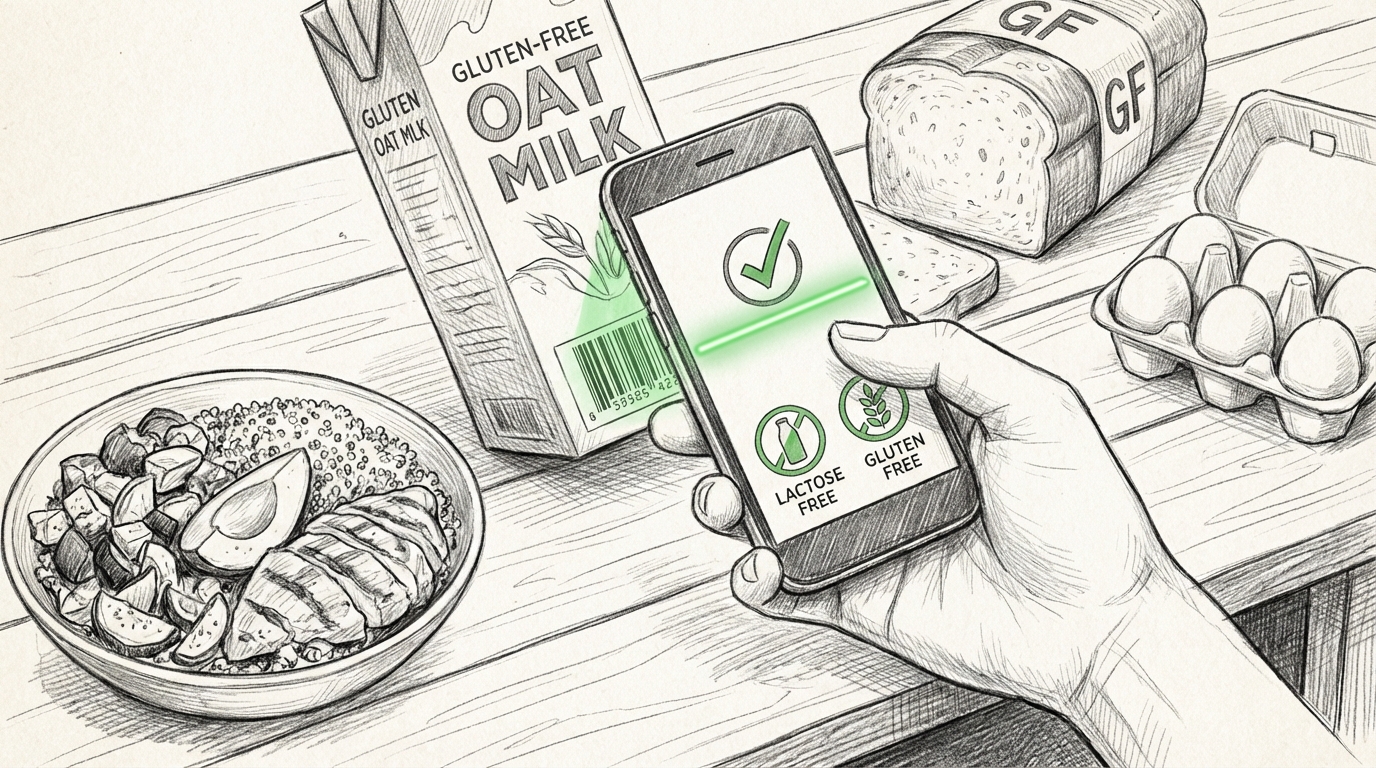
TL;DR: Lactose and gluten free meals are specially prepared dishes that exclude dairy products and gluten-containing grains, making them safe for people with celiac disease or lactose intolerance. To easily identify suitable products, use allergen scanning apps that detect gluten, lactose, and other allergens by scanning barcodes, helping you make informed dietary choices quickly and confidently.
Frequently Asked Questions

What are the best lactose and gluten free meals for beginners?
The best lactose and gluten free meals for beginners include grilled chicken with quinoa and vegetables, rice bowls with beans and avocado, and naturally gluten-free proteins like fish or eggs with roasted potatoes. Use an allergy checker app to scan packaged ingredients and ensure products are free from hidden gluten, lactose, and additives like E202 potassium sorbate before cooking.
How can I find restaurants that are gluten free and lactose free?
To find restaurants that are gluten free and lactose free, use dedicated allergy checker apps that scan menus and ingredients, check restaurant websites for allergen information, or use tools like the Chipotle nutrition calculator for customizable options. Many chains now offer gluten free wheat free beer and dairy-free alternatives. Always inform staff about your dietary restrictions before ordering.
Is quinoa gluten free and suitable for lactose intolerant diets?
Yes, quinoa is naturally gluten free and completely suitable for lactose intolerant diets as it contains no dairy. Quinoa is a protein-rich pseudo-grain that serves as an excellent base for lactose and gluten free meals. It's safe for people with celiac disease and lactose intolerance, making it a versatile ingredient for allergen-friendly cooking.
What allergens should I check for in lactose and gluten free meals?
When checking lactose and gluten free meals, scan for wheat, barley, rye, milk, whey, casein, and cross-contamination warnings. Use an allergy checker app to identify hidden ingredients like hydroxy stearic acid, methane sulfonic acid, poly carboxylic acid, and preservatives like E202 potassium sorbate. These additives may appear in processed foods and should be verified for allergen safety.
Can I use an allergy checker app to scan lactose and gluten free products?
Yes, allergy checker apps allow you to scan barcodes on products to instantly detect gluten, lactose, and up to 13 different allergens, plus traces, additives, and preservatives. These apps are available on iOS and Android, making grocery shopping easier by identifying hidden ingredients and ensuring your lactose and gluten free meals are truly safe for consumption.
What are healthy snack ideas for weight loss that are lactose and gluten free?
Healthy snack ideas for weight loss that are lactose and gluten free include rice cakes with almond butter, fresh fruit with nuts, vegetable sticks with hummus, quinoa crackers, coconut yogurt with berries, and roasted chickpeas. Use an allergy checker app to verify packaged snacks are free from gluten, lactose, and unwanted additives before purchasing.
How do I identify hidden gluten and lactose in restaurant meals?
To identify hidden gluten and lactose in restaurant meals, ask servers about ingredients, request allergen menus, and use nutrition calculators like Chipotle's nutrition calculator for transparency. Be cautious of sauces, dressings, and marinades that may contain gluten or dairy derivatives. An allergy checker app can help you research ingredients and additives commonly used in restaurant cooking.
What additives should I avoid in lactose and gluten free packaged foods?
In lactose and gluten free packaged foods, watch for additives like hydroxy stearic acid, methane sulfonic acid, poly carboxylic acid, and E202 potassium sorbate, which may cause sensitivities. While these preservatives don't contain gluten or lactose, they can trigger reactions in sensitive individuals. An allergy checker app helps identify these additives by scanning product barcodes instantly.
Understanding Lactose and Gluten Free Meals: Your Complete Guide

Living with food sensitivities has become increasingly common, with millions of people worldwide seeking lactose and gluten free meals to support their health and wellbeing. Whether you're managing celiac disease, lactose intolerance, or simply choosing to eliminate these ingredients from your diet, finding safe and delicious meal options can feel overwhelming at first.
The good news is that the food industry has evolved dramatically, offering more options than ever before. From dedicated gluten-free restaurants to innovative dairy alternatives, navigating a restricted diet has become significantly easier with the right knowledge and tools.
This comprehensive guide will walk you through everything you need to know about creating and finding lactose and gluten free meals, including practical tips, ingredient insights, and resources to simplify your journey.
What Are Lactose and Gluten, and Why Avoid Them?

Understanding Lactose Intolerance
Lactose is a natural sugar found in milk and dairy products. People with lactose intolerance lack sufficient lactase enzyme to properly digest this sugar, leading to uncomfortable digestive symptoms including bloating, gas, and stomach cramps.
Approximately 65% of the global population has some degree of lactose malabsorption after infancy. This makes lactose-free eating not just a preference, but a medical necessity for many individuals.
The Gluten Connection
Gluten is a protein found in wheat, barley, and rye that gives bread its chewy texture. For people with celiac disease, consuming gluten triggers an autoimmune response that damages the small intestine. Others may have non-celiac gluten sensitivity, experiencing similar symptoms without the autoimmune component.
When both lactose and gluten need to be avoided simultaneously, meal planning requires extra attention to ingredient labels and food preparation methods.
Essential Ingredients for Lactose and Gluten Free Cooking
Safe Grains and Starches
One of the most common questions is: is quinoa gluten free? The answer is yes! Quinoa is a naturally gluten-free pseudocereal that provides complete protein and works beautifully in both savory and sweet dishes.
- Quinoa - high in protein and naturally gluten-free
- Rice (white, brown, wild, and black varieties)
- Corn and cornmeal
- Buckwheat (despite the name, it's gluten-free)
- Millet, amaranth, and teff
- Certified gluten-free oats
Dairy Alternatives
Modern dairy-free options have come a long way in taste and texture. When shopping for lactose-free alternatives, always check labels for hidden gluten sources:
- Almond, coconut, and oat milk (ensure oats are certified gluten-free)
- Cashew-based cheese and cream alternatives
- Coconut yogurt and cream
- Nutritional yeast for cheesy flavor without dairy
Understanding Food Additives
When reading ingredient labels, you'll encounter various additives and preservatives. Understanding these helps ensure your meals remain truly free from both lactose and gluten:
| Additive | Purpose | Safety for Restricted Diets |
|---|---|---|
| E202 (Potassium Sorbate) | Preservative | Generally safe, lactose and gluten-free |
| Hydroxy Stearic Acid | Emulsifier/stabilizer | Typically safe, but verify source |
| Poly Carboxylic Acid | pH regulator | Usually safe for both restrictions |
| Methane Sulfonic Acid | Processing agent | Rarely found in food products |
The preservative e202 potassium sorbate is commonly used in packaged foods and is generally considered safe for those avoiding lactose and gluten. However, always verify the complete ingredient list, as products may contain other problematic ingredients.
Finding Restaurants That Are Gluten Free and Lactose Free
Chain Restaurants with Strong Options
Many popular chain restaurants that are gluten free friendly also offer excellent lactose-free options. The key is knowing what to order and which questions to ask:
Chipotle stands out as a particularly accommodating option. Most of their menu items are naturally gluten-free, and they offer dairy-free choices. Using a chipotle nutrition calculator available on their website helps you plan meals that meet both dietary restrictions while tracking nutritional content.
Questions to Ask at Restaurants
When dining out, communication is essential for safety:
- Ask about cross-contamination protocols in the kitchen
- Inquire whether separate preparation areas exist for allergen-free meals
- Request ingredient lists for sauces, dressings, and marinades
- Confirm that fryers aren't shared with breaded items
- Verify that butter or cream isn't added to "plain" dishes
Using Technology to Find Safe Options
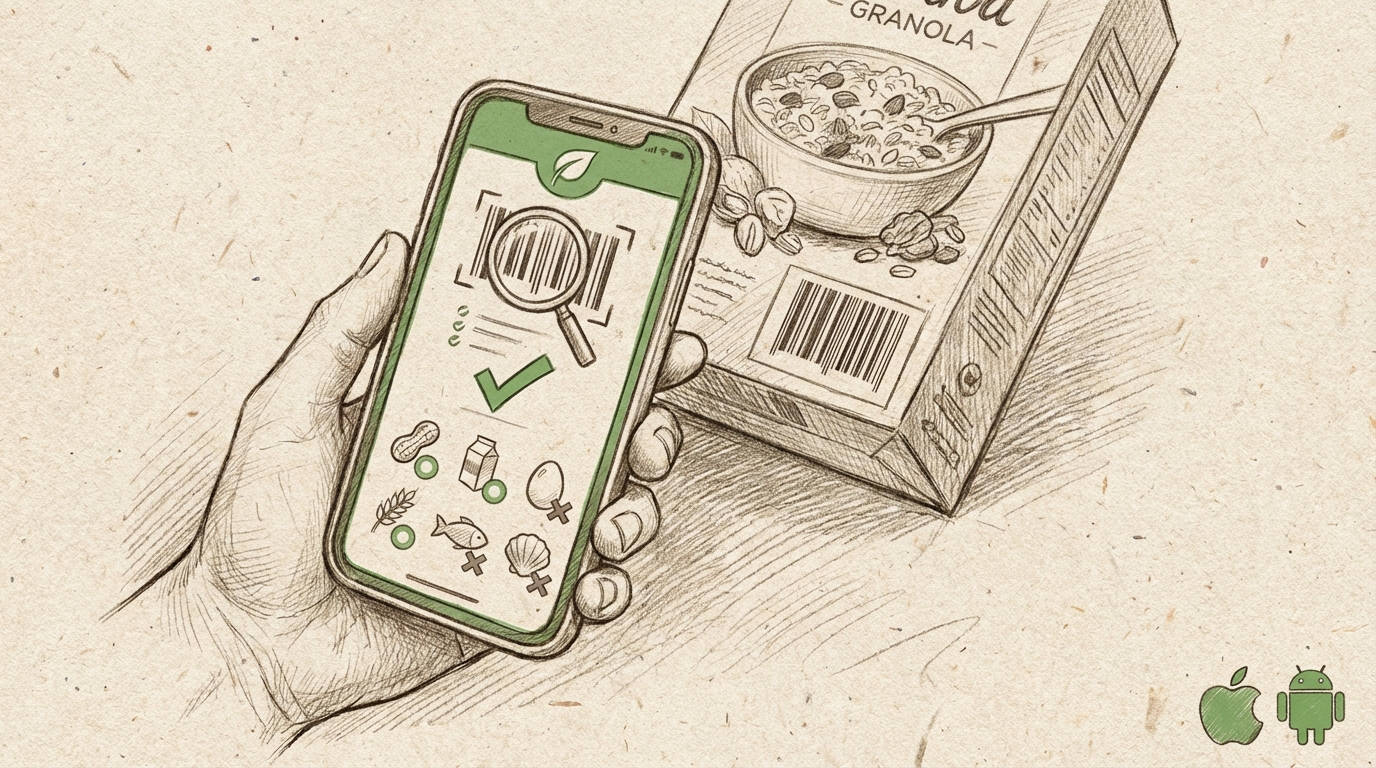
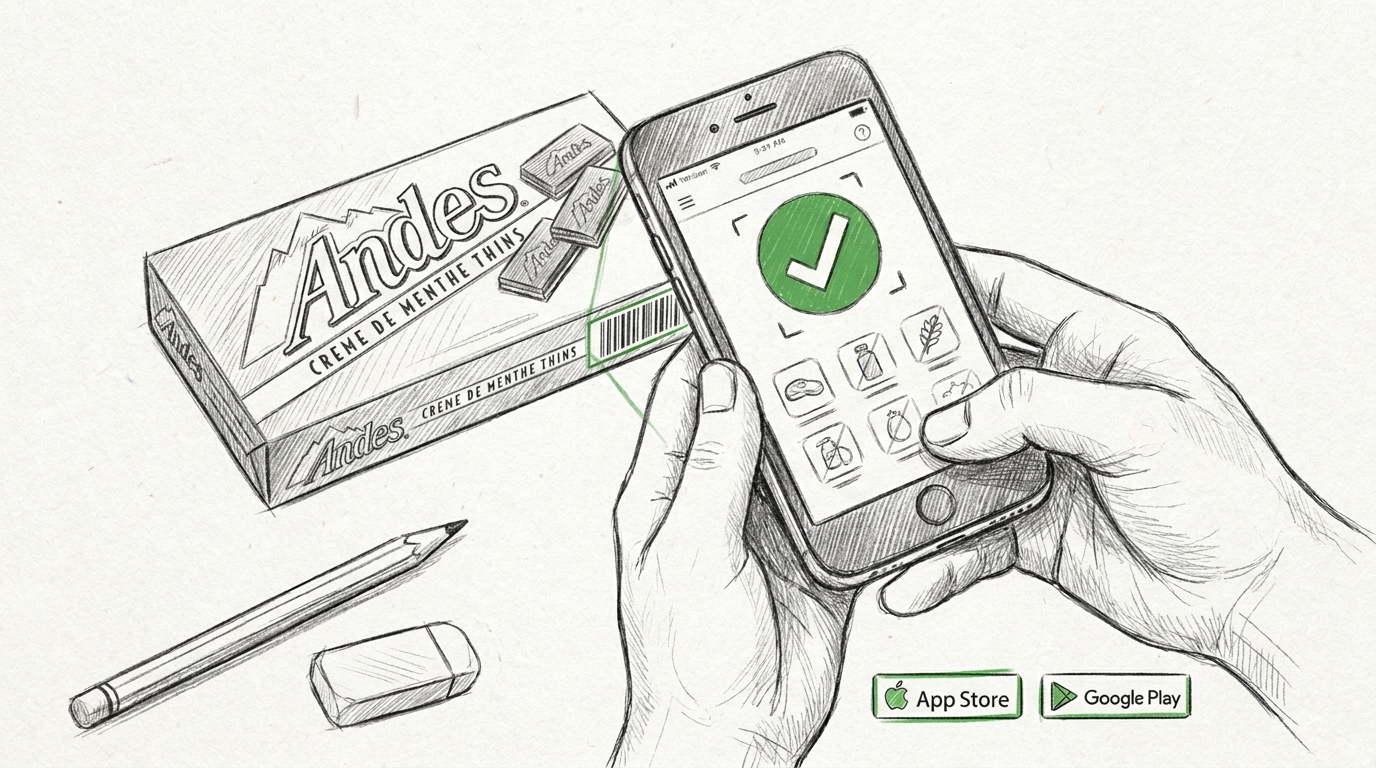
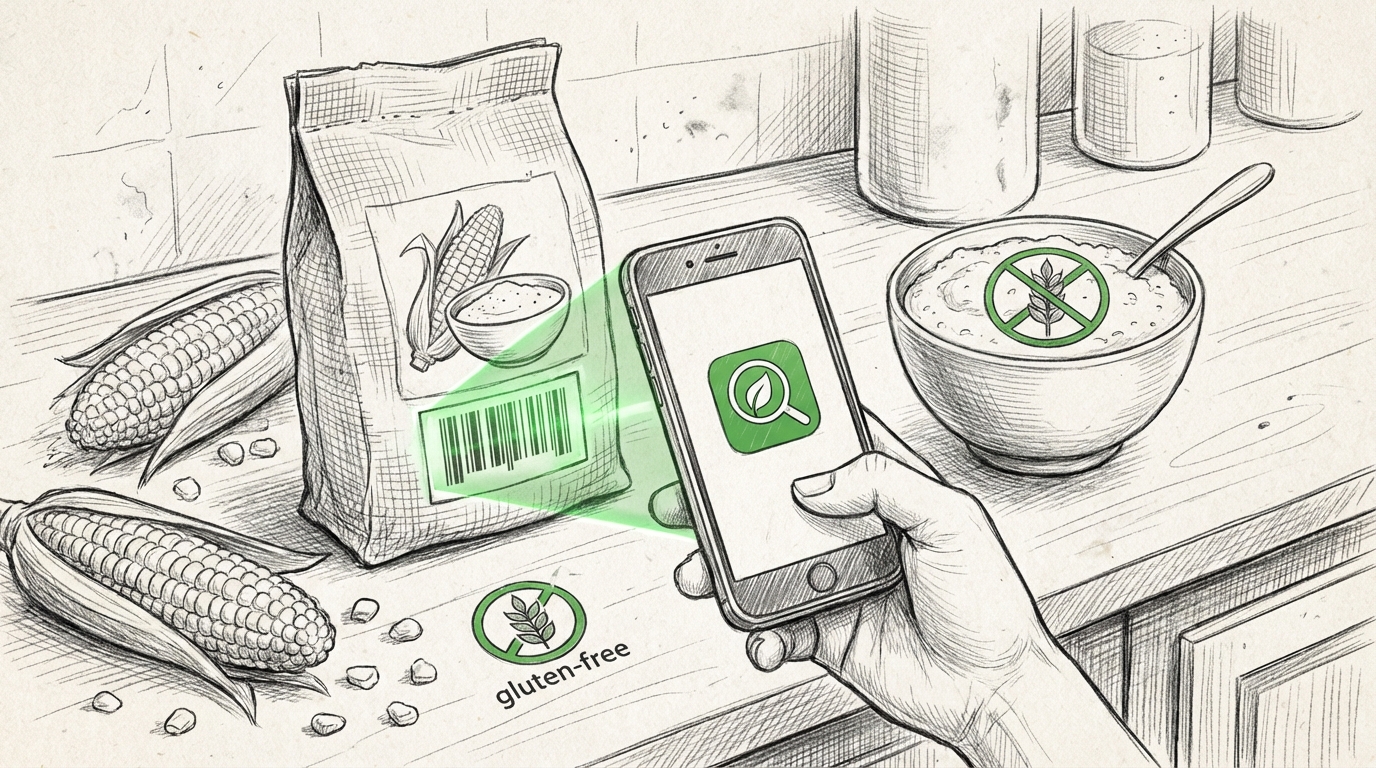
Modern technology makes finding safe dining options easier than ever. An allergy checker app like Nutrict's allergy scanner allows you to scan product barcodes and identify potential allergens before purchasing or consuming items.
These apps can detect 13 different allergens, including gluten-containing grains and dairy products, making grocery shopping and meal planning significantly more manageable for people with multiple dietary restrictions.
Delicious Lactose and Gluten Free Meal Ideas
Breakfast Options
Starting your day with safe, satisfying meals sets the tone for success:
- Quinoa breakfast bowls with fresh fruit and coconut yogurt
- Smoothie bowls made with dairy-free milk and gluten-free granola
- Sweet potato hash with eggs and avocado
- Chia seed pudding prepared with almond milk
- Rice cakes topped with nut butter and banana
Lunch and Dinner Solutions
Main meals offer endless possibilities when you focus on naturally safe ingredients:
| Protein Base | Grain/Starch | Vegetables | Flavor Profile |
|---|---|---|---|
| Grilled chicken | Quinoa | Roasted vegetables | Mediterranean herbs |
| Salmon | Sweet potato | Steamed broccoli | Lemon and dill |
| Beef stir-fry | Rice noodles | Mixed peppers | Gluten-free tamari |
| Lentil curry | Brown rice | Spinach and tomatoes | Indian spices |
Healthy Snack Ideas for Weight Loss
Finding healthy snack ideas for weight loss that are also lactose and gluten free requires some creativity, but many options exist:
- Fresh vegetables with hummus or guacamole
- Apple slices with almond butter
- Roasted chickpeas seasoned with spices
- Trail mix made with nuts, seeds, and dried fruit
- Rice crackers with dairy-free cheese alternatives
- Coconut yogurt with berries
For more extensive options, check out this comprehensive guide on gluten free dairy free snacks that provides over 50 safe choices.
Shopping for Gluten Free Wheat Free Beer and Beverages
Alcoholic Beverage Options
Social occasions often involve beverages, and finding safe options matters. Traditional beer contains both gluten (from barley or wheat) and sometimes lactose (in milk stouts or cream ales).
Gluten free wheat free beer options have expanded significantly in recent years. These beers are typically made from:
- Sorghum
- Rice
- Corn
- Millet
- Buckwheat
Popular brands include Omission, Glutenberg, and Ground Breaker. Always verify that the beer is certified gluten-free rather than just "gluten-reduced," as the latter may still contain problematic levels for those with celiac disease.
Non-Alcoholic Beverage Considerations
Many beverages are naturally lactose and gluten free, but some require careful attention:
- Coffee and tea (plain, without added flavorings)
- Fresh fruit juices
- Coconut water
- Sparkling water with natural flavors
Avoid flavored coffees, malted drinks, and some smoothies that may contain hidden dairy or gluten-containing additives.
Using Food Allergy Apps for Safe Shopping
The Benefits of Digital Allergy Checkers
A dedicated food allergy app transforms the shopping experience for people managing multiple dietary restrictions. These tools offer several advantages:
- Instant barcode scanning for quick allergen identification
- Comprehensive databases covering thousands of products
- Detection of hidden allergens in complex ingredient lists
- Identification of additives and preservatives
- Personalized allergen profiles for family members
The Nutrict food allergy scanner specifically helps identify 13 different allergens, including gluten and dairy, making it an invaluable tool for anyone preparing lactose and gluten free meals.
Understanding Ingredient Labels
Even with technology, understanding how to read labels remains crucial. Gluten can hide under names like:
- Modified food starch (unless specified as corn)
- Malt flavoring or malt extract
- Hydrolyzed vegetable protein
- Soy sauce (unless labeled gluten-free)
Lactose may appear as:
- Whey or whey protein
- Casein or caseinate
- Milk solids or milk powder
- Butter, cream, or ghee
Meal Planning Strategies for Success
Weekly Planning Tips
Successful management of lactose and gluten free eating requires planning ahead. These strategies help streamline the process:
- Dedicate one day per week to meal planning and grocery shopping
- Batch cook grains like quinoa and rice for multiple meals
- Prep vegetables in advance for quick assembly
- Keep a well-stocked pantry with safe staples
- Create a rotation of favorite recipes to prevent decision fatigue
Building a Safe Pantry
Having the right ingredients on hand makes meal preparation effortless:
| Category | Essential Items | Storage Tips |
|---|---|---|
| Grains | Quinoa, rice, gluten-free pasta | Airtight containers, cool dry place |
| Proteins | Canned beans, lentils, nuts | Check expiration dates regularly |
| Condiments | Gluten-free tamari, coconut aminos | Refrigerate after opening |
| Baking | Almond flour, coconut flour | Refrigerate to maintain freshness |
Cross-Contamination Prevention
For those with celiac disease or severe lactose intolerance, preventing cross-contamination is critical:
- Designate separate cutting boards and utensils for gluten-free preparation
- Use separate toasters or toaster bags for gluten-free bread
- Clean surfaces thoroughly before preparing restricted meals
- Store gluten-free and dairy-free items separately from regular products
- Label containers clearly to prevent confusion
Nutritional Considerations and Balance
Ensuring Adequate Nutrition
Eliminating both lactose and gluten requires attention to potential nutritional gaps. Focus on these key nutrients:
- Calcium: Found in fortified non-dairy milk, leafy greens, and almonds
- Vitamin D: Available through sunlight exposure, fortified foods, and supplements
- B Vitamins: Present in quinoa, legumes, and nutritional yeast
- Fiber: Abundant in fruits, vegetables, and gluten-free whole grains
- Iron: Available in red meat, beans, and fortified gluten-free cereals
Tracking Your Nutrition
Understanding the nutritional content of your meals helps ensure balanced eating. For example, knowing corn on the cob calories and other staple foods helps with meal planning and weight management goals.
Many naturally gluten and lactose-free foods offer excellent nutritional profiles without requiring special products or expensive alternatives.
Common Mistakes to Avoid
Assuming "Free-From" Means Healthy
Just because a product is labeled gluten-free and dairy-free doesn't automatically make it nutritious. Many processed alternatives contain:
- High amounts of added sugars
- Excessive sodium
- Unhealthy fats and oils
- Multiple artificial additives
Focus on whole, minimally processed foods whenever possible rather than relying heavily on packaged alternatives.
Not Reading Labels Carefully
Ingredients change, and manufacturers reformulate products regularly. Never assume a previously safe product remains so without checking the current label.
Using an allergy checker app each time you shop helps catch these changes before they cause problems.
Limiting Variety Too Much
Some people fall into a rut, eating the same few "safe" meals repeatedly. This approach can lead to:
- Nutritional deficiencies
- Meal fatigue and boredom
- Social isolation around food
- Unnecessary dietary restrictions beyond what's medically required
Challenge yourself to try new ingredients and recipes regularly to maintain both nutritional balance and enjoyment of food.
Take Control of Your Dietary Needs Today
Managing lactose and gluten free meals doesn't have to be overwhelming. With the right knowledge, tools, and resources, you can enjoy delicious, satisfying food while protecting your health.
The key is staying informed, planning ahead, and using available technology to simplify the process. Whether you're cooking at home or dining out, understanding ingredients and asking the right questions ensures safe, enjoyable eating experiences.
Ready to simplify your allergen management? Visit Nutrict to download the app that helps you easily identify allergens in products by scanning barcodes. With detection for 13 different allergens, traces, additives, and preservatives, you'll have confidence in every food choice you make. Available now on both iOS and Android, Nutrict puts allergen information at your fingertips, making lactose and gluten free living easier than ever.
Article created using IntentRank