Jif Peanut Butter Nutrition & Allergen Info Guide
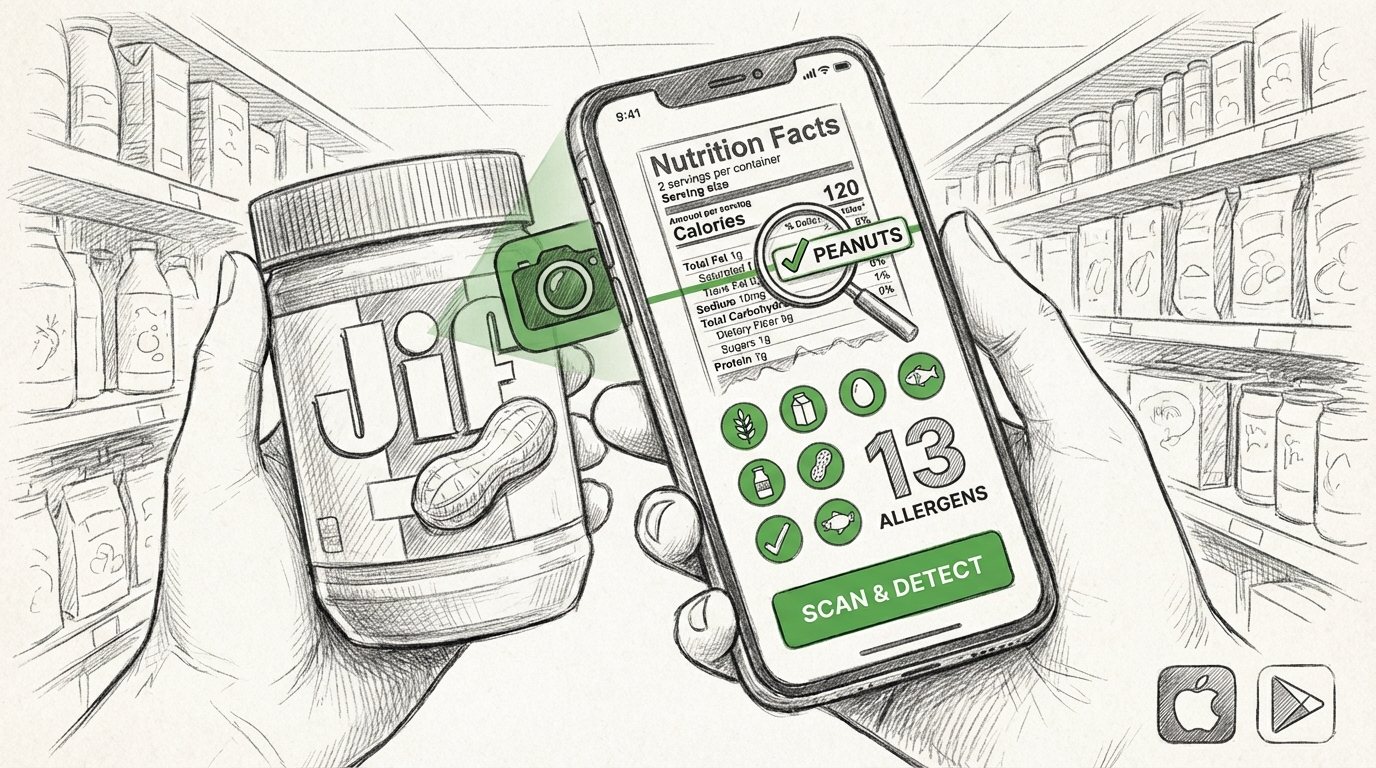
TL;DR: Jif peanut butter nutrition info shows approximately 190 calories, 16g fat, 8g carbohydrates, and 7g protein per 2-tablespoon serving. It contains peanuts as the primary allergen, plus added sugar and oils. Use allergen scanning apps on iOS and Android to quickly identify all allergens, traces, additives, and preservatives in Jif products.
Frequently Asked Questions

What is the nutritional information for Jif peanut butter?
Jif peanut butter typically contains 190 calories per 2-tablespoon serving, with 16g of fat, 8g of carbohydrates, and 7g of protein. It provides 3g of fiber and contains approximately 140-150mg of sodium. Different Jif varieties (creamy, crunchy, natural) have slightly varying nutritional profiles. Always check the label for specific product information and allergen warnings.
Does Jif peanut butter contain common allergens?
Yes, Jif peanut butter contains peanuts, which are one of the top 8 major food allergens. It may also contain traces of tree nuts due to manufacturing processes. Some varieties contain added ingredients like molasses, vegetable oils, and sugar. Using an allergen checker app can help you quickly scan Jif products to identify all potential allergens and traces.
How can I check if Jif peanut butter is safe for my allergies?
The most efficient way is to use an allergen checker app that scans product barcodes to detect allergens, traces, additives, and preservatives. These apps can identify 13 different allergens in Jif peanut butter products, including peanuts, tree nuts, and other potential cross-contaminants. This is faster and more reliable than manually reading ingredient labels.
Is Jif peanut butter gluten-free?
Most Jif peanut butter varieties are naturally gluten-free, as peanuts and standard ingredients don't contain wheat, barley, or rye. However, cross-contamination during manufacturing is possible. Check individual product labels or use an allergen checker app to verify gluten-free status for specific Jif products, especially if you have celiac disease or severe gluten sensitivity.
What additives and preservatives are in Jif peanut butter?
Regular Jif peanut butter contains added ingredients like fully hydrogenated vegetable oils, mono and diglycerides, molasses, and salt to prevent oil separation and enhance flavor. Natural Jif varieties contain fewer additives. An allergen checker app can scan Jif products to provide detailed information about all additives, preservatives, and potentially concerning ingredients.
How does Jif peanut butter nutrition compare to natural peanut butter?
Regular Jif contains added sugars, oils, and stabilizers, resulting in about 3g of sugar per serving. Natural peanut butter typically has no added sugar and fewer ingredients. Jif Natural contains 2g of sugar and uses palm oil instead of hydrogenated oils. Both provide similar protein (7-8g) and healthy fats, but natural varieties have simpler ingredient lists.
Can I track Jif peanut butter nutrition with food calculator apps?
Yes, most nutrition calculator apps and food tracking platforms include Jif peanut butter in their databases. You can also use allergen checker apps that scan barcodes to instantly access complete nutritional information, allergen warnings, and ingredient lists. This makes it easy to track calories, macros, and identify potential allergens when meal planning or managing dietary restrictions.
What is the serving size for Jif peanut butter nutritional information?
The standard serving size for Jif peanut butter is 2 tablespoons (32g or approximately 33g depending on variety). This serving provides the nutritional values listed on the label. Many people consume more than one serving, so it's important to adjust calculations accordingly or use a nutrition tracking app to accurately monitor your intake.
Understanding Jif Peanut Butter Nutrition Info: A Complete Guide

When it comes to popular peanut butter brands in America, Jif stands as a household name that has been spreading joy on sandwiches and snacks for generations. Understanding Jif peanut butter nutrition info is essential for anyone managing food allergies, tracking macronutrients, or making informed dietary choices. This comprehensive guide breaks down everything you need to know about Jif's nutritional profile, ingredients, and potential allergen concerns.
Whether you're a parent managing your child's dietary restrictions or someone with specific health goals, knowing what's in your peanut butter matters. Let's dive deep into the nutritional details that make Jif both a beloved staple and a product that requires careful consideration for certain consumers.
Jif Peanut Butter Nutrition Facts Breakdown

The nutritional content of Jif peanut butter varies slightly across different varieties, but the classic Creamy Jif serves as the standard reference. Understanding these numbers helps you make informed decisions about portion sizes and daily intake.
Standard Serving Size Nutrition
A standard two-tablespoon (32g) serving of Jif Creamy Peanut Butter contains the following nutritional values:
| Nutrient | Amount per Serving | % Daily Value |
|---|---|---|
| Calories | 190 | - |
| Total Fat | 16g | 21% |
| Saturated Fat | 3g | 15% |
| Trans Fat | 0g | - |
| Polyunsaturated Fat | 5g | - |
| Monounsaturated Fat | 8g | - |
| Cholesterol | 0mg | 0% |
| Sodium | 140mg | 6% |
| Total Carbohydrate | 8g | 3% |
| Dietary Fiber | 2g | 7% |
| Total Sugars | 3g | - |
| Protein | 7g | 14% |
Macronutrient Profile Analysis
Jif peanut butter is predominantly a fat-based food, with approximately 76% of its calories coming from fats. This makes it an energy-dense food that provides sustained energy throughout the day.
- Protein Content: At 7 grams per serving, Jif provides a moderate amount of plant-based protein, making it a popular choice for vegetarians and those looking to increase protein intake
- Healthy Fats: The majority of fats are heart-healthy monounsaturated and polyunsaturated fats, which support cardiovascular health
- Carbohydrates: With only 8 grams of carbs per serving, Jif fits into low-carb dietary patterns when consumed in moderation
- Fiber: The 2 grams of dietary fiber contributes to digestive health and helps maintain stable blood sugar levels
Ingredient List and Additive Analysis
Understanding what goes into Jif peanut butter extends beyond basic nutrition facts. The ingredient list reveals important information about additives, preservatives, and potential allergen concerns that matter to health-conscious consumers.
Primary Ingredients in Jif Creamy Peanut Butter
The standard Jif Creamy formula contains the following ingredients listed in order of predominance:
- Roasted Peanuts
- Sugar
- Contains 2% or Less of: Molasses, Fully Hydrogenated Vegetable Oils (Rapeseed and Soybean), Mono and Diglycerides, Salt
Understanding Hydrogenated Oils and Stabilizers
One ingredient that raises questions among health-conscious consumers is the presence of fully hydrogenated vegetable oils. Unlike partially hydrogenated oils that contain trans fats, fully hydrogenated oils are trans fat-free but serve as stabilizers to prevent oil separation.
Some Jif varieties may contain hydroxy stearic acid, a derivative used as an emulsifier and stabilizer in food products. This compound helps maintain the smooth, creamy texture that Jif is known for without requiring stirring.
The use of mono and diglycerides—emulsifiers that help blend oil and water-based ingredients—is common in commercial peanut butter production. These additives are generally recognized as safe by food safety authorities but are worth noting for those seeking minimal processing.
Allergen Information and Safety Concerns
For individuals with food allergies or sensitivities, understanding the allergen profile of Jif peanut butter is critically important. Peanut allergies are among the most common and potentially severe food allergies, affecting millions of people worldwide.
Primary Allergen: Peanuts
Jif peanut butter's main ingredient is roasted peanuts, making it unsuitable for anyone with peanut allergies. Peanut allergies can cause severe reactions ranging from hives and digestive issues to life-threatening anaphylaxis.
Using an allergy checker app can help you quickly scan products and identify potential allergens before purchasing. These tools are particularly valuable when shopping for packaged foods with complex ingredient lists.
Cross-Contamination Risks
Jif products are manufactured in facilities that may also process tree nuts, which poses a cross-contamination risk for individuals with multiple nut allergies. Always check the label for specific allergen warnings and manufacturing statements.
| Allergen | Present in Standard Jif | Risk Level |
|---|---|---|
| Peanuts | Yes (Primary Ingredient) | High |
| Tree Nuts | Possible Cross-Contact | Medium |
| Soy | Yes (Soybean Oil) | Low to Medium |
| Gluten | No (Naturally Gluten-Free) | Low |
| Dairy | No | Low |
Using Technology to Manage Food Allergies
Modern food allergy apps make it easier than ever to identify allergens in packaged products. By scanning barcodes, you can instantly access detailed allergen information, trace warnings, and even information about additives and preservatives that might trigger sensitivities.
These digital tools are especially helpful when comparing products or shopping in unfamiliar stores where you might not have time to read every label carefully.
Comparing Jif Varieties and Alternatives
Jif offers several product variations to meet different dietary preferences and nutritional goals. Understanding the differences helps you choose the option that best aligns with your health objectives.
Popular Jif Product Varieties
- Jif Creamy: The classic smooth texture with traditional ingredients
- Jif Crunchy: Contains peanut pieces for added texture and slightly more fiber
- Jif Natural: Made with fewer ingredients, no added sugar, and uses palm oil instead of hydrogenated oils
- Jif Reduced Fat: Contains 25% less fat but often higher sugar content to maintain taste
- Jif Simply: Contains only five ingredients: peanuts, sugar, palm oil, salt, and molasses
Nutritional Comparison Across Varieties
| Product | Calories | Total Fat | Protein | Sugar |
|---|---|---|---|---|
| Jif Creamy | 190 | 16g | 7g | 3g |
| Jif Natural | 190 | 16g | 8g | 2g |
| Jif Reduced Fat | 190 | 12g | 7g | 4g |
| Jif Simply | 190 | 16g | 7g | 2g |
Health Benefits and Considerations
While Jif peanut butter offers several nutritional benefits, it's important to consider both the advantages and potential drawbacks when incorporating it into your diet.
Nutritional Benefits
Peanut butter, including Jif, provides several health-promoting nutrients that support overall wellness:
- Heart-Healthy Fats: The predominance of monounsaturated and polyunsaturated fats supports cardiovascular health and helps reduce bad cholesterol levels
- Protein Source: Plant-based protein helps with muscle maintenance, satiety, and blood sugar regulation
- Vitamin E: A powerful antioxidant that protects cells from oxidative damage
- Magnesium: Supports bone health, muscle function, and energy production
- Niacin (Vitamin B3): Essential for metabolism and nervous system function
- Phosphorus: Important for bone health and cellular energy production
Potential Health Concerns
Despite its benefits, there are some considerations to keep in mind when consuming Jif peanut butter regularly:
- Added Sugars: With 3 grams of sugar per serving, Jif contains more added sweeteners than natural peanut butter alternatives
- Sodium Content: At 140mg per serving, those monitoring sodium intake should be mindful of portion sizes
- Calorie Density: At 190 calories per two tablespoons, it's easy to overconsume if not measuring portions carefully
- Processed Additives: The inclusion of stabilizers and emulsifiers makes it more processed than natural alternatives
Dietary Compatibility and Restrictions
Understanding how Jif peanut butter fits into various dietary patterns helps you determine if it aligns with your nutritional approach.
Gluten-Free Status
Jif peanut butter is naturally gluten-free, as peanuts do not contain gluten proteins. This makes it a safe option for individuals with celiac disease or gluten sensitivities. However, always verify the label for any cross-contamination warnings if you have severe gluten sensitivity.
For those seeking other gluten-free options, you might be interested in exploring gluten free dairy free snacks that pair well with peanut butter or checking whether products like gluten free cheese-its might complement your dietary needs.
Vegan and Vegetarian Compatibility
Standard Jif peanut butter varieties are vegan-friendly, containing no animal-derived ingredients. This makes it an excellent protein source for plant-based diets.
Keto and Low-Carb Diets
With 8 grams of carbohydrates per serving (6 grams net carbs after subtracting fiber), Jif can fit into ketogenic and low-carb eating patterns when consumed in moderation. However, natural peanut butter with no added sugar provides fewer carbs for strict keto adherents.
Paleo Diet Considerations
While peanuts themselves are legumes (not technically nuts) and therefore excluded from strict paleo diets, many flexible paleo followers include peanut butter. The added sugars and oils in Jif make it less compatible with paleo principles compared to natural alternatives.
Reading Labels and Making Informed Choices
Becoming proficient at reading nutrition labels empowers you to make better food choices, especially when managing allergies or specific dietary requirements.
Key Label Components to Review
When evaluating Jif peanut butter or any packaged food product, focus on these critical label sections:
- Ingredient List: Ingredients are listed by weight, so the first few items make up the bulk of the product
- Allergen Statement: Located below ingredients, this section highlights major allergens and cross-contamination risks
- Nutrition Facts Panel: Provides detailed information about calories, macronutrients, and micronutrients per serving
- Serving Size: Critical for accurate nutritional assessment—many people consume more than the listed serving
- Percent Daily Values: Helps contextualize nutrient amounts based on a 2,000-calorie diet
Understanding Food Additives
Commercial peanut butter may contain various food additives that serve specific functions. While substances like methane sulfonic acid and poly carboxylic acid are more commonly found in industrial applications, understanding food-grade additives helps you make informed choices.
Emulsifiers, stabilizers, and preservatives in Jif help maintain texture, prevent spoilage, and extend shelf life. While generally recognized as safe, some consumers prefer minimally processed alternatives.
Smart Portion Control and Usage Tips
Managing portion sizes is essential when incorporating calorie-dense foods like peanut butter into your diet. These practical strategies help you enjoy Jif while maintaining nutritional balance.
Measuring Techniques
- Use measuring spoons rather than eyeballing portions—two level tablespoons is the standard serving
- Consider using a food scale for precise measurements, especially when tracking macros
- Pre-portion peanut butter into small containers for grab-and-go convenience
- Be mindful that "heaping" tablespoons can contain 50% more than measured servings
Healthy Pairing Suggestions
Maximize the nutritional value of Jif peanut butter by pairing it with nutrient-dense foods:
- Spread on whole grain toast or English muffins for a balanced breakfast
- Use as a dip for apple slices, celery sticks, or banana rounds
- Blend into smoothies for added protein and healthy fats
- Mix into oatmeal or yogurt for enhanced satiety
- Create energy balls combining peanut butter with oats and dried fruit
Comparing Jif to Other Popular Brands
Understanding how Jif stacks up against competitors helps you make informed purchasing decisions based on your priorities—whether that's taste, nutrition, price, or ingredient quality.
Brand Comparison Overview
| Brand | Calories (2 tbsp) | Ingredients | Price Point | Key Differentiator |
|---|---|---|---|---|
| Jif | 190 | Peanuts, sugar, oils, salt | Mid-range | Smooth texture, no stirring required |
| Skippy | 190 | Similar to Jif | Mid-range | Slightly sweeter taste profile |
| Natural/Organic Brands | 190-200 | Peanuts, salt only | Higher | Minimal processing, no additives |
| Store Brands | 190 | Similar to Jif | Lower | Budget-friendly option |
When to Choose Jif
Jif peanut butter makes sense for consumers who prioritize:
- Consistent texture without oil separation
- Familiar taste that appeals to children and adults
- Convenience of no-stir formula
- Moderate pricing compared to premium natural brands
- Wide availability in most grocery stores
Managing Food Allergies and Dietary Tracking
For individuals navigating food allergies or tracking nutritional intake, technology provides powerful tools to simplify daily management and ensure safety.
Digital Solutions for Allergen Management
Modern smartphone applications have revolutionized how people with food allergies shop for groceries and prepare meals. An allergy checker app allows you to scan product barcodes and instantly identify potential allergens, traces, additives, and preservatives.
These tools are particularly valuable when:
- Shopping in unfamiliar stores or while traveling
- Evaluating new products or brand variations
- Managing multiple family members with different allergies
- Teaching children to identify safe foods independently
- Quickly comparing similar products for allergen content
Nutrition Tracking for Health Goals
Whether you're monitoring caloric intake, tracking macronutrients, or managing specific health conditions, understanding the nutritional content of every food matters. Tools like a chipotle nutrition calculator help you track meals when dining out, while apps designed for home cooking assist with recipe analysis.
Consistent tracking provides insights into eating patterns and helps identify areas for improvement. For foods like peanut butter that are easy to overconsume, accurate tracking prevents unintentional calorie surplus.
Special Considerations for Different Life Stages
Nutritional needs and allergen considerations vary across different life stages, requiring tailored approaches to incorporating foods like Jif peanut butter.
Children and Peanut Introduction
Current pediatric guidelines recommend introducing peanut-containing foods to infants around 4-6 months of age (after other solid foods) to potentially reduce peanut allergy risk. However, whole peanuts and chunky peanut butter pose choking hazards for children under four years old.
When introducing peanut butter to young children:
- Use smooth varieties only
- Thin with breast milk, formula, or water to reduce choking risk
- Mix into purees or spread thinly on age-appropriate foods
- Consult with a pediatrician before introduction if family history includes peanut allergies
- Monitor carefully for any signs of allergic reaction
Pregnancy and Breastfeeding
Peanut butter provides valuable nutrients during pregnancy and breastfeeding, including protein, healthy fats, folate, and vitamin E. Unless you have a personal peanut allergy, there's no need to avoid peanut products during these periods.
Older Adults
For seniors, peanut butter offers an affordable, shelf-stable protein source that doesn't require refrigeration or cooking. The healthy fats support brain health, while the protein helps maintain muscle mass. However, those with swallowing difficulties should exercise caution with sticky textures.
Storage Tips and Food Safety
Proper storage of Jif peanut butter maintains quality, prevents spoilage, and ensures food safety for your family.
Optimal Storage Conditions
- Unopened Jars: Store in a cool, dry pantry away from direct sunlight; shelf life typically extends 12-18 months past production date
- Opened Jars: Keep tightly sealed at room temperature for up to 3 months; refrigeration extends freshness but makes spreading more difficult
- Natural Varieties: Require refrigeration after opening due to lack of stabilizers; oil separation is normal
- Cross-Contamination Prevention: Always use clean utensils to prevent introducing bacteria or allergens from other foods
Signs of Spoilage
Discard Jif peanut butter if you notice:
- Rancid or off odors
- Visible mold growth
- Significant color changes
- Unusual taste or texture
Environmental and Ethical Considerations
Modern consumers increasingly consider the environmental and social impact of their food choices, including factors beyond basic nutrition.
Sustainability Factors
Peanut cultivation generally requires less water than tree nut production, making it a relatively sustainable protein source. However, commercial peanut butter production involves considerations like:
- Agricultural practices and pesticide use
- Processing energy requirements
- Packaging materials and recyclability
- Transportation carbon footprint
Jif's Corporate Practices
As a brand owned by The J.M. Smucker Company, Jif participates in various corporate responsibility initiatives. Consumers interested in ethical sourcing may want to research the company's current sustainability commitments and supply chain practices.
Making Informed Choices for Your Health Journey
Understanding Jif peanut butter nutrition info empowers you to make choices aligned with your health goals, dietary restrictions, and personal preferences. While Jif offers convenience and familiar taste, evaluating its nutritional profile against your specific needs ensures it fits appropriately into your eating pattern.
Whether you're managing food allergies, tracking macronutrients, feeding a family, or simply trying to make healthier choices, having accurate nutritional information at your fingertips makes all the difference. The combination of reading labels carefully, measuring portions accurately, and using technology to track your intake creates a comprehensive approach to nutritional wellness.
For those navigating the complex world of food allergies and dietary restrictions, remember that you don't have to manage it alone. Modern technology offers powerful solutions to simplify daily food decisions and keep you safe from potential allergens.
Take control of your food choices today with Nutrict's food allergy scanner app. Easily identify allergens in products by scanning barcodes to detect 13 different allergens, traces, additives, and preservatives. Whether you're shopping for yourself or managing your family's dietary needs, Nutrict provides instant, reliable information to help you make safe, informed decisions. Download Nutrict now and experience the confidence that comes with knowing exactly what's in your food—available on both iOS and Android.
Article created using IntentRank