Gluten Free Saltines: Best Brands & Allergen-Safe Options
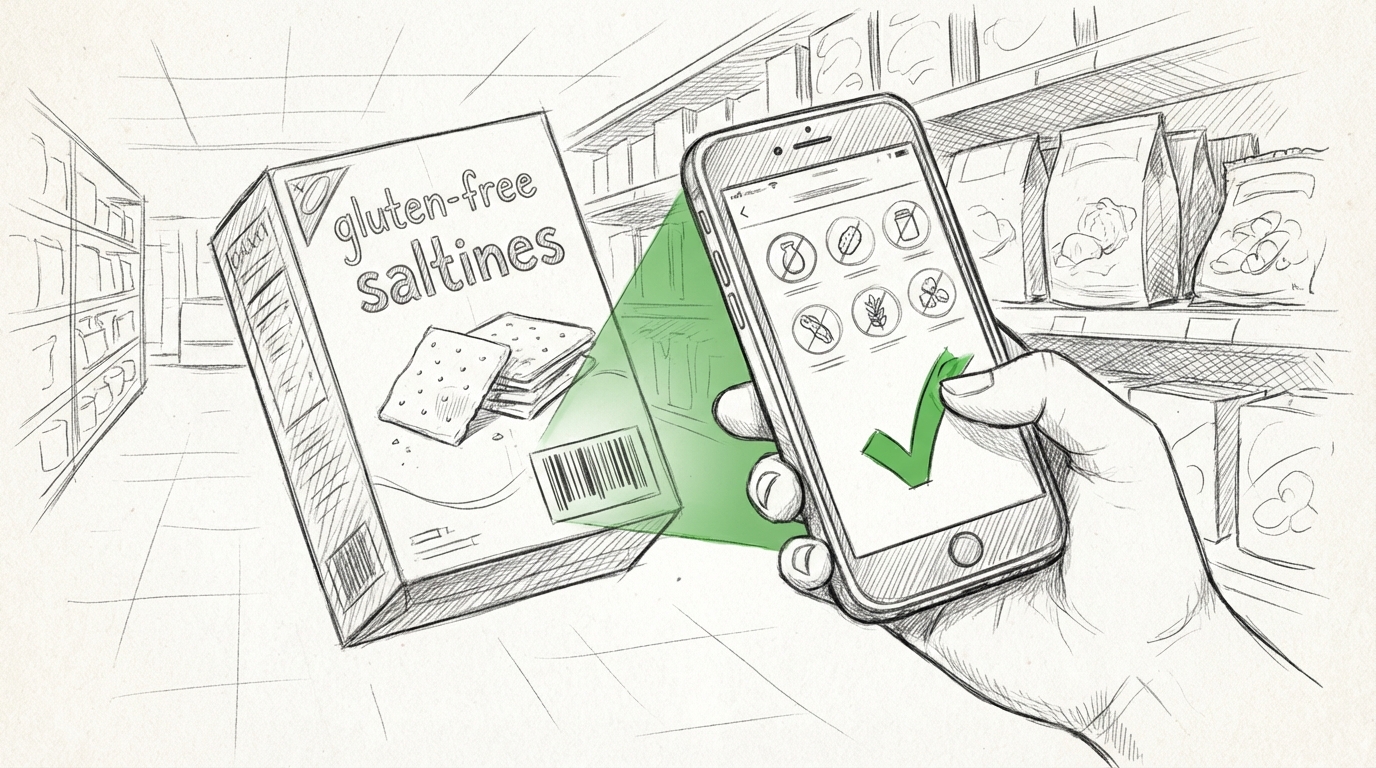
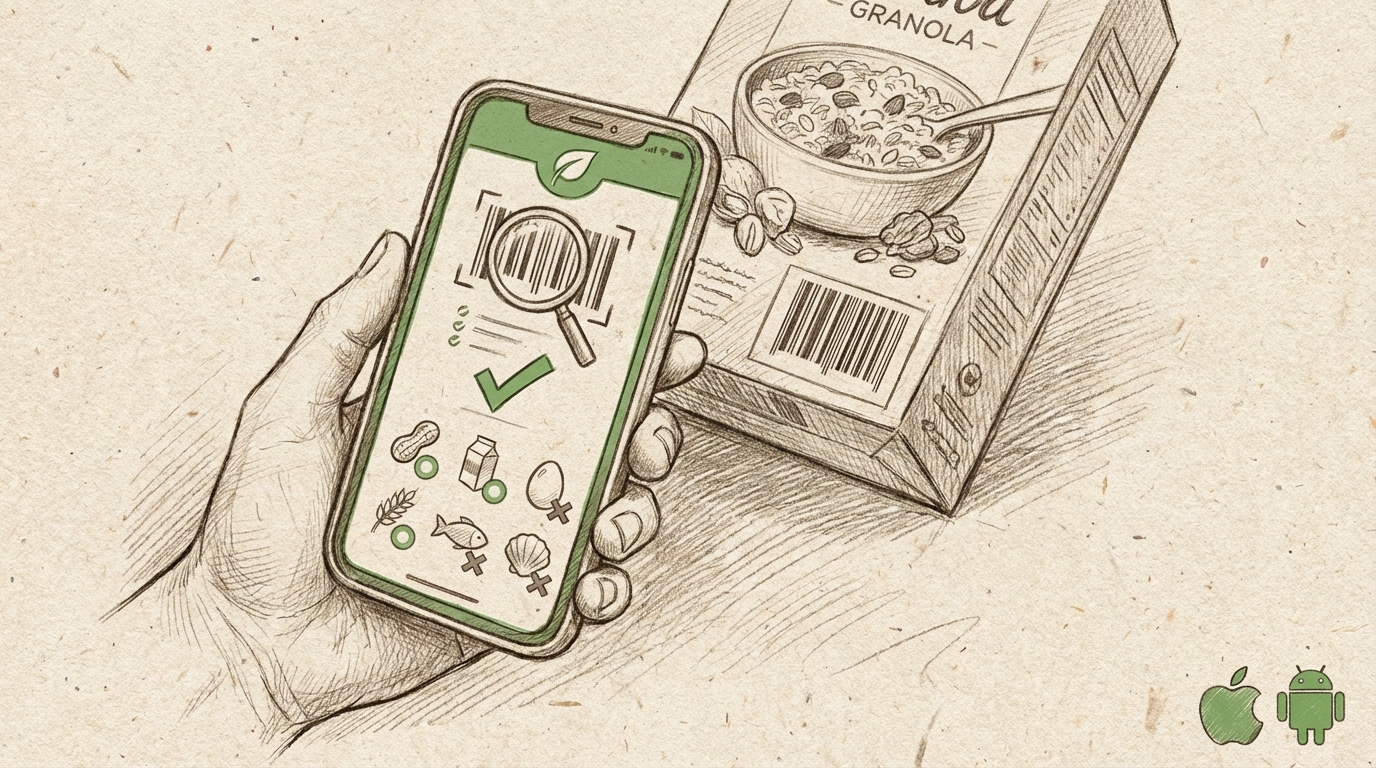
TL;DR: Gluten free saltines are crispy crackers made without wheat, barley, or rye, perfect for people with celiac disease or gluten sensitivity. Popular brands include Glutino, Simple Mills, and Schär. To ensure safety, scan product barcodes with allergen detection apps that identify gluten and other allergens, traces, and additives in real-time.
Frequently Asked Questions

What are the best gluten free saltines available in stores?
Popular gluten free saltines include Schar Table Crackers, Glutino Original Crackers, and Mary's Gone Crackers. These brands are certified gluten-free and widely available at major retailers like Whole Foods, Target, and Walmart. Always check labels for allergen information, as some may contain traces of other allergens. Using an allergen checker app can help you quickly scan barcodes to verify safety before purchasing.
How can I check if gluten free saltines contain other allergens?
The easiest method is using an allergy checker app that scans product barcodes to detect up to 13 different allergens, traces, additives, and preservatives. These apps instantly display allergen information, including dairy, soy, eggs, and nuts. Alternatively, carefully read ingredient labels and look for allergen statements typically found below the ingredient list on packaging.
Are gluten free saltines healthier than regular saltines?
Gluten free saltines aren't necessarily healthier—they're simply safe for people with celiac disease or gluten sensitivity. They often contain similar calories and sodium levels as regular saltines. Some use alternative flours like rice, corn, or potato starch. Check nutrition labels for sodium content, added sugars, and additives like hydroxy stearic acid or preservatives when comparing brands.
What ingredients should I avoid in gluten free saltines?
Avoid products containing wheat, barley, rye, or malt derivatives. Watch for cross-contamination warnings like 'may contain traces of gluten.' Also check for allergens you're sensitive to, including dairy, soy, or eggs. Some brands use additives like poly carboxylic acid or preservatives. An allergen checker app can quickly identify problematic ingredients by scanning the product barcode.
Can I find gluten free alternatives to other crackers like cheese-its?
Yes, several brands offer gluten free cheese-its alternatives, including Lance Gluten Free Cheddar Cheese Crackers and Simple Mills Farmhouse Cheddar Crackers. These products replicate the cheesy, crunchy taste without gluten-containing ingredients. Use an allergy checker app to scan barcodes and verify they're safe for your specific dietary restrictions before purchasing.
Do gluten free saltines taste different from regular saltines?
Gluten free saltines have a slightly different texture and taste due to alternative flours used in place of wheat. They may be slightly denser or more brittle. However, quality brands closely mimic the crispy, salty flavor of traditional saltines. Taste varies by brand, so trying multiple options helps you find your preferred choice.
Where can I buy gluten free saltines online and in stores?
Gluten free saltines are available at major retailers including Walmart, Target, Whole Foods, Kroger, and Safeway. Online options include Amazon, Thrive Market, and Vitacost. Many brands also sell directly through their websites. Using an allergen checker app while shopping helps you quickly verify products meet your dietary needs by scanning barcodes on your smartphone.
How do I store gluten free saltines to keep them fresh?
Store gluten free saltines in an airtight container in a cool, dry place to maintain crispness. Once opened, transfer them to a resealable bag or container with minimal air exposure. They typically stay fresh for 2-3 weeks after opening. Gluten free products may become stale faster than regular crackers due to different flour compositions and fewer preservatives.
Understanding Gluten Free Saltines: Your Complete Guide

For individuals with celiac disease, gluten sensitivities, or those following a gluten-free lifestyle, finding safe alternatives to everyday snacks can be challenging. Gluten free saltines have become increasingly popular as a crunchy, versatile cracker option that doesn't compromise on taste or texture. These crackers offer the same satisfying snap and mild flavor as traditional saltines, but without the wheat-based ingredients that can trigger adverse reactions.
The market for gluten-free products has expanded dramatically in recent years, with manufacturers developing innovative formulations using alternative flours and ingredients. Whether you're packing a lunch, preparing a cheese board, or simply looking for a safe snack option, understanding what makes a saltine truly gluten-free is essential for managing your dietary needs effectively.
This comprehensive guide explores everything you need to know about gluten free saltines, from identifying safe brands to understanding ingredient labels and finding the perfect options for your specific dietary requirements.
What Makes Saltines Gluten Free?

Traditional saltine crackers are made with wheat flour, making them unsuitable for anyone avoiding gluten. Gluten free saltines replace wheat flour with alternative grain flours and starches that provide similar texture and structure without the problematic proteins found in wheat, barley, and rye.
Common Gluten-Free Flour Alternatives
Manufacturers use various flour combinations to create gluten free saltines that closely mimic the original:
- Rice flour: Provides a neutral flavor and light, crispy texture
- Tapioca starch: Adds chewiness and helps bind ingredients together
- Potato starch: Creates a delicate crumb structure
- Corn flour: Contributes to crispness and golden color
- Almond flour: Adds nutritional value and subtle nutty flavor
- Chickpea flour: Increases protein content and provides structure
These alternative flours often work synergistically to replicate the texture and taste of traditional wheat-based saltines. Many manufacturers also incorporate xanthan gum or guar gum to improve binding and prevent crumbling.
Understanding Cross-Contamination Risks
Even when a product uses gluten-free ingredients, cross-contamination during manufacturing can introduce trace amounts of gluten. Look for certifications from organizations like the Gluten-Free Certification Organization (GFCO), which requires products to contain less than 10 parts per million (ppm) of gluten.
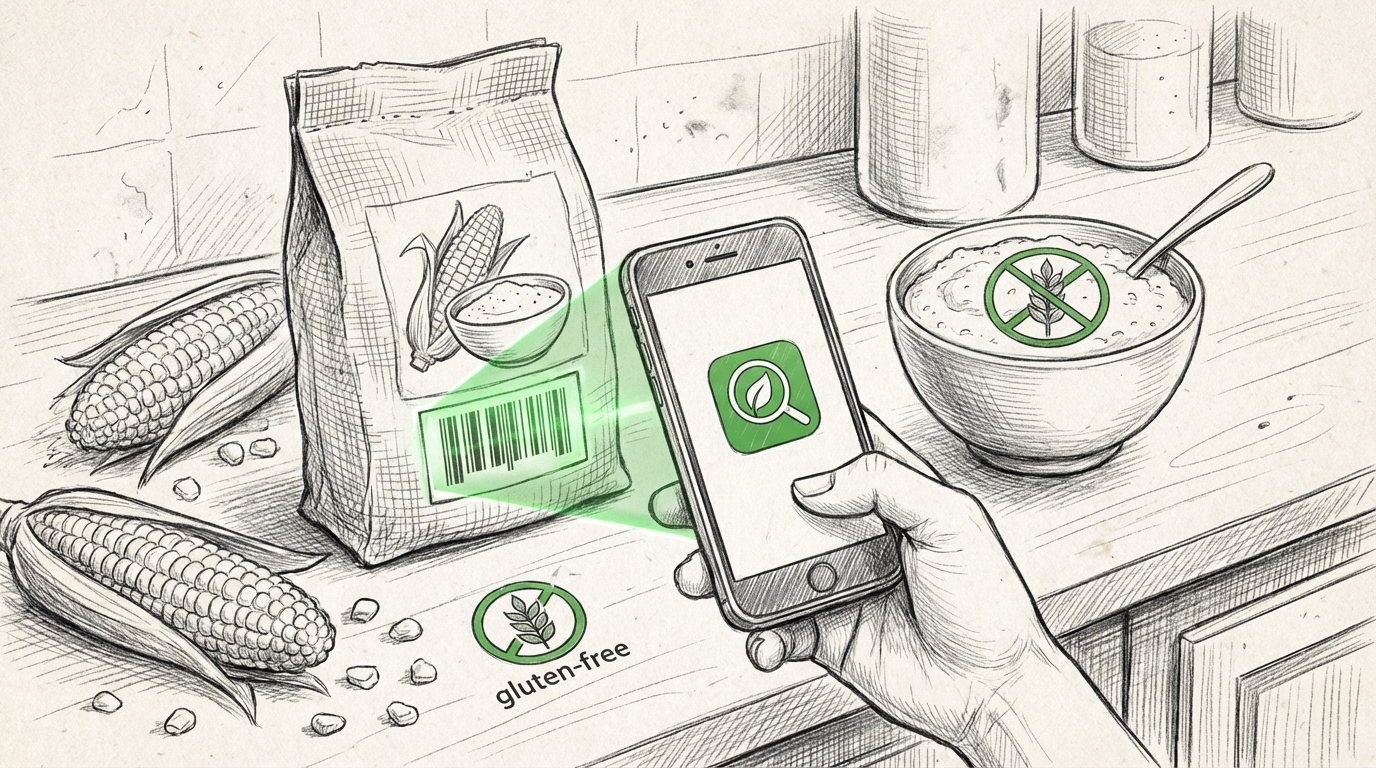
For individuals with severe celiac disease or high sensitivity, using an allergy checker app can help verify product safety by scanning barcodes and instantly identifying potential allergens and cross-contamination risks.
Top Gluten Free Saltine Brands

Several brands have successfully created gluten free saltines that satisfy both dietary requirements and taste preferences. Here's a comprehensive comparison of the leading options available in the market today.
| Brand | Primary Ingredients | Certification | Special Features |
|---|---|---|---|
| OLW Gluten Free | Rice flour, potato starch | GFCO Certified | Dedicated gluten-free facility |
| Glutino Table Crackers | Rice flour, corn starch | Certified GF | Widely available, affordable |
| Blue Diamond Nut-Thins | Almond flour, rice flour | Gluten-Free | High protein, nut-based |
| Schar Table Crackers | Corn starch, rice flour | GFCO Certified | European brand, authentic taste |
| Simple Mills | Almond flour, cassava flour | Gluten-Free | Paleo-friendly, clean ingredients |
Premium vs. Budget Options
Gluten free saltines typically cost more than conventional crackers due to specialized ingredients and manufacturing processes. Budget-friendly options like Glutino provide solid quality at reasonable prices, while premium brands like Simple Mills offer organic, non-GMO ingredients with additional nutritional benefits.
When comparing products, consider factors beyond price, including taste, texture, ingredient quality, and the level of certification. For those managing multiple food allergies, some brands also offer options free from dairy, eggs, and other common allergens.
Reading Labels: Hidden Gluten Sources
Successfully navigating a gluten-free diet requires vigilance when reading product labels. Even products marketed as gluten-free may contain ingredients that require careful scrutiny.
Ingredients That May Contain Gluten
Several ingredients commonly found in crackers can be derived from gluten-containing sources:
- Modified food starch: Unless specified as corn or potato starch, this may contain wheat
- Natural flavors: Can sometimes be processed with gluten-containing substances
- Malt flavoring or malt extract: Typically derived from barley
- Hydrolyzed vegetable protein: May contain wheat proteins
- Soy sauce or teriyaki: Often contains wheat as a primary ingredient
Some additives and processing aids also warrant attention. For instance, hydroxy stearic acid is sometimes used as an emulsifier in food products, and while it's typically gluten-free, verifying the source with the manufacturer can provide additional peace of mind for highly sensitive individuals.
Understanding Gluten-Free Certifications
Different certification programs have varying standards for what constitutes "gluten-free." The FDA requires products labeled gluten-free to contain less than 20 ppm of gluten, while stricter certifications like GFCO require less than 10 ppm.
Using a food allergy app can simplify the label-reading process by instantly scanning barcodes and identifying potential allergens, including gluten and cross-contamination risks from manufacturing facilities.
Nutritional Comparison: Gluten Free vs. Traditional Saltines
The nutritional profile of gluten free saltines can differ significantly from traditional wheat-based versions. Understanding these differences helps you make informed choices that align with your health goals.
| Nutrient | Traditional Saltines | Gluten Free Saltines (Average) |
|---|---|---|
| Calories | 60-70 | 70-90 |
| Total Fat | 1-2g | 2-4g |
| Carbohydrates | 11-13g | 12-15g |
| Protein | 1-2g | 1-3g |
| Fiber | 0-1g | 0-2g |
| Sodium | 115-150mg | 120-180mg |
Key Nutritional Considerations
Gluten free saltines often contain slightly more calories and fat than traditional versions due to the use of nut flours and additional binding agents. However, some varieties made with almond or chickpea flour offer higher protein content, making them more nutritionally dense.
Many gluten-free crackers also have a higher glycemic index than their wheat-based counterparts, particularly those made primarily with white rice flour. Individuals managing blood sugar should look for options incorporating whole grain alternatives or higher fiber ingredients.
Similar to how you might check English muffin nutrition information, reviewing the complete nutritional panel of gluten free saltines helps you understand how they fit into your daily dietary needs.
Alternative Gluten-Free Cracker Options
While gluten free saltines are popular, exploring other gluten-free cracker varieties can add diversity to your diet and provide different nutritional benefits.
Cheese Crackers and Savory Options
For those who enjoy flavored crackers, several brands now offer gluten free cheese-its style options. These cheddar-flavored crackers use rice flour or almond flour bases combined with real cheese to create a satisfying snack that's both gluten-free and delicious.
Other savory alternatives include:
- Seed crackers made with sunflower, pumpkin, and sesame seeds
- Vegetable-based crackers incorporating kale, beetroot, or sweet potato
- Chickpea crackers offering higher protein content
- Rice crackers with various seasonings and flavors
Many of these options align with other dietary preferences as well, making them suitable for those seeking gluten free dairy free snacks that accommodate multiple food sensitivities.
Pairing Gluten-Free Crackers with Other Foods
Gluten free saltines work wonderfully in traditional applications like soup accompaniments, cheese platters, and as bases for appetizers. They can also be crushed and used as breadcrumb substitutes in recipes requiring a gluten-free coating.
When building a balanced snack, pair gluten free saltines with protein sources like hummus, nut butters, or cheese to create more sustained energy and better blood sugar stability.
Manufacturing and Quality Control
The production of gluten free saltines requires specialized facilities and rigorous quality control measures to prevent cross-contamination and ensure product safety.
Dedicated Gluten-Free Facilities
The safest gluten free saltines come from dedicated gluten-free facilities where no wheat, barley, or rye products are ever processed. This eliminates the risk of airborne gluten particles or shared equipment contamination.
Some manufacturers use shared facilities but implement strict cleaning protocols between production runs. While these products may be safe for many people, those with severe celiac disease should prioritize products from dedicated facilities.
Testing and Verification
Reputable manufacturers conduct regular testing using methods like ELISA (enzyme-linked immunosorbent assay) to verify gluten levels remain below certification thresholds. These tests can detect gluten at very low concentrations, typically down to 5-10 ppm.
Some companies also test incoming ingredients and finished products at multiple stages of production. This multi-point testing approach provides additional assurance of product safety and consistency.
Chemical additives used in food processing, such as poly carboxylic acid or methane sulfonic acid, are typically used in such small quantities that they don't pose gluten-related concerns, though individuals with multiple chemical sensitivities may want to choose brands with minimal additives.
Cost Considerations and Where to Buy
Gluten free saltines typically cost 2-4 times more than conventional crackers, reflecting the higher cost of alternative flours and specialized manufacturing requirements.
Finding the Best Prices
Several strategies can help you save money on gluten free saltines:
- Buy in bulk: Online retailers like Amazon, Thrive Market, and Vitacost often offer multi-pack discounts
- Compare store brands: Many grocery chains now offer private-label gluten-free options at lower prices
- Watch for sales: Stock up when your favorite brands go on sale, as unopened crackers typically have long shelf lives
- Join loyalty programs: Natural food stores often provide member discounts on specialty items
- Consider subscription services: Some online retailers offer additional savings for recurring deliveries
Where to Purchase Gluten Free Saltines
Gluten free saltines are now widely available at various retail locations:
- Major grocery chains (Whole Foods, Kroger, Safeway, Target)
- Natural food stores (Sprouts, Natural Grocers)
- Online retailers (Amazon, Thrive Market, iHerb)
- Warehouse clubs (Costco, Sam's Club) for bulk purchases
- Specialty gluten-free stores and websites
Availability varies by region, so exploring multiple shopping options can help you find the best selection and prices in your area.
Making Your Own Gluten Free Saltines
For those who enjoy baking or want complete control over ingredients, homemade gluten free saltines are surprisingly achievable with the right recipe and techniques.
Basic Homemade Recipe Components
A simple gluten free saltine recipe typically includes:
- 2 cups gluten-free flour blend (rice flour, tapioca starch, potato starch)
- 1 teaspoon xanthan gum (if not included in flour blend)
- 1 teaspoon salt, plus coarse salt for topping
- 2 tablespoons butter or oil
- ½ to ¾ cup cold water
- ½ teaspoon baking powder
The dough should be rolled very thin—about 1/16 inch—to achieve the characteristic crispy texture. Using a docker (or fork) to create small holes prevents excessive puffing during baking.
Tips for Success
Creating perfect homemade gluten free saltines requires attention to several key factors:
- Roll the dough between parchment paper for easier handling
- Keep the dough cold to prevent sticking and maintain structure
- Bake at a moderate temperature (350-375°F) until edges just begin to brown
- Allow crackers to cool completely on the baking sheet for maximum crispness
- Store in an airtight container with a silica gel packet to maintain crunchiness
Homemade versions allow you to control sodium levels, experiment with different flour combinations, and add custom seasonings to suit your taste preferences.
Managing Multiple Food Allergies
Many individuals avoiding gluten also need to eliminate other allergens from their diet. Finding crackers that accommodate multiple restrictions requires careful product selection.
Common Co-Occurring Allergies
People with celiac disease or gluten sensitivity often have additional food sensitivities or allergies, including:
- Dairy products (lactose intolerance or casein allergy)
- Eggs (common in baked goods as binding agents)
- Soy (frequently used in gluten-free products)
- Tree nuts (used in many premium gluten-free crackers)
- Corn (a primary ingredient in some gluten-free formulations)
Reading labels becomes even more critical when managing multiple allergies. An allergy checker app can scan product barcodes and instantly identify all 13 major allergens, traces, additives, and preservatives, making grocery shopping significantly easier and safer.
Top Allergen-Free Brands
Several brands specialize in products free from multiple allergens:
- Enjoy Life: Free from 14 common allergens including gluten, dairy, soy, and nuts
- Mary's Gone Crackers: Organic, gluten-free, vegan options made with seeds and whole grains
- Simple Mills: Free from gluten, dairy, and soy with minimal, recognizable ingredients
- Absolutely Gluten Free: Dedicated allergen-free facility producing multiple cracker varieties
These brands prioritize transparency and often provide detailed allergen statements beyond what's legally required, giving consumers additional confidence in product safety.
Gluten-Free Diet Beyond Crackers
While finding safe gluten free saltines is important, maintaining a comprehensive gluten-free lifestyle involves understanding which foods and beverages are safe across all categories.
Beverages and Gluten
Many people don't realize that beverages can contain gluten. Beer, for example, is traditionally made from barley and contains significant gluten. Fortunately, the market now offers excellent gluten free wheat free beer options made from sorghum, rice, millet, or buckwheat that provide similar taste profiles without the gluten.
Other beverages requiring caution include:
- Malt beverages and malted milk drinks
- Some flavored coffees and teas with additives
- Certain protein shakes and meal replacement drinks
- Some distilled spirits (though most are considered safe)
Restaurant Dining Considerations
When dining out, understanding menu options becomes crucial. Many restaurants now provide detailed nutrition information. For example, if you're visiting popular chains, using a chipotle nutrition calculator can help you identify safe, gluten-free menu combinations while also tracking calories and other nutritional information.
Always communicate clearly with restaurant staff about your gluten-free requirements and ask about cross-contamination prevention measures in the kitchen. Many establishments now have dedicated gluten-free preparation areas and separate cooking equipment.
Access to comprehensive chipotle nutrition info and similar resources from other restaurants empowers you to make informed decisions about meals outside your home.
Health Benefits of Going Gluten-Free
For individuals with celiac disease or non-celiac gluten sensitivity, eliminating gluten is medically necessary and can dramatically improve quality of life.
Benefits for Celiac Disease
People with celiac disease experience significant health improvements on a strict gluten-free diet:
- Healing of intestinal damage and improved nutrient absorption
- Resolution of digestive symptoms like bloating, diarrhea, and abdominal pain
- Increased energy levels and reduced fatigue
- Improved bone density over time
- Reduced risk of long-term complications including certain cancers
- Better mental clarity and reduced brain fog
For these individuals, finding safe products like certified gluten free saltines isn't just about preference—it's about protecting their health and preventing serious complications.
Considerations for Those Without Celiac Disease
Some people without celiac disease report feeling better on a gluten-free diet, though scientific evidence for benefits in this population is mixed. If you're considering going gluten-free without a medical diagnosis, consult with a healthcare provider first to rule out celiac disease (testing requires gluten consumption) and ensure you're meeting all nutritional needs.
Gluten-free diets can be lower in certain nutrients like fiber, B vitamins, and iron if not properly planned, so working with a registered dietitian can help optimize your nutrition while avoiding gluten.
The Future of Gluten-Free Products
The gluten-free market continues to evolve with innovations in ingredients, manufacturing processes, and product formulations that increasingly rival conventional options in taste and texture.
Emerging Ingredients and Technologies
Food scientists are developing new approaches to improve gluten-free products:
- Ancient grains like teff, amaranth, and quinoa providing enhanced nutrition
- Enzyme technologies that improve texture and shelf life
- Sourdough fermentation techniques adapted for gluten-free flours
- Novel binding agents that better replicate gluten's functional properties
- Protein fortification using plant-based sources
These innovations promise gluten free saltines and other products that not only match but potentially exceed the nutritional value of traditional wheat-based versions.
Increased Accessibility and Affordability
As the gluten-free market matures, competition is driving down prices and increasing availability. More mainstream manufacturers are entering the space, and economies of scale are making gluten-free products more affordable for average consumers.
Technology is also playing a role in accessibility. Mobile applications that scan barcodes and identify allergens are becoming increasingly sophisticated, helping consumers quickly verify product safety while shopping.
Conclusion: Making Informed Choices About Gluten Free Saltines
Navigating the world of gluten free saltines doesn't have to be overwhelming. With increased product availability, improved formulations, and better labeling practices, finding safe, delicious crackers that meet your dietary needs is easier than ever.
Remember these key points when selecting gluten free saltines:
- Look for certified gluten-free products from reputable manufacturers
- Read ingredient labels carefully to identify potential hidden gluten sources
- Consider nutritional differences between brands and choose options that align with your health goals
- Use technology tools to simplify allergen identification and product verification
- Don't hesitate to try multiple brands to find your preferred taste and texture
- Store crackers properly to maintain freshness and crispness
Whether you're managing celiac disease, gluten sensitivity, or simply prefer to avoid gluten, the right products and resources can make your dietary journey much smoother. Taking time to research options, read labels thoroughly, and leverage available technology ensures you can enjoy safe, satisfying snacks without compromising your health.
Ready to simplify your gluten-free shopping experience? Download Nutrict today to instantly scan products and identify allergens, traces, additives, and preservatives in seconds. With support for 13 different allergens and a comprehensive database of products, Nutrict makes managing food allergies and dietary restrictions easier than ever. Take control of your food safety and start scanning with Nutrict now.
Article created using IntentRank