Best Gluten Free Food Brands: Scan & Shop With Confidence
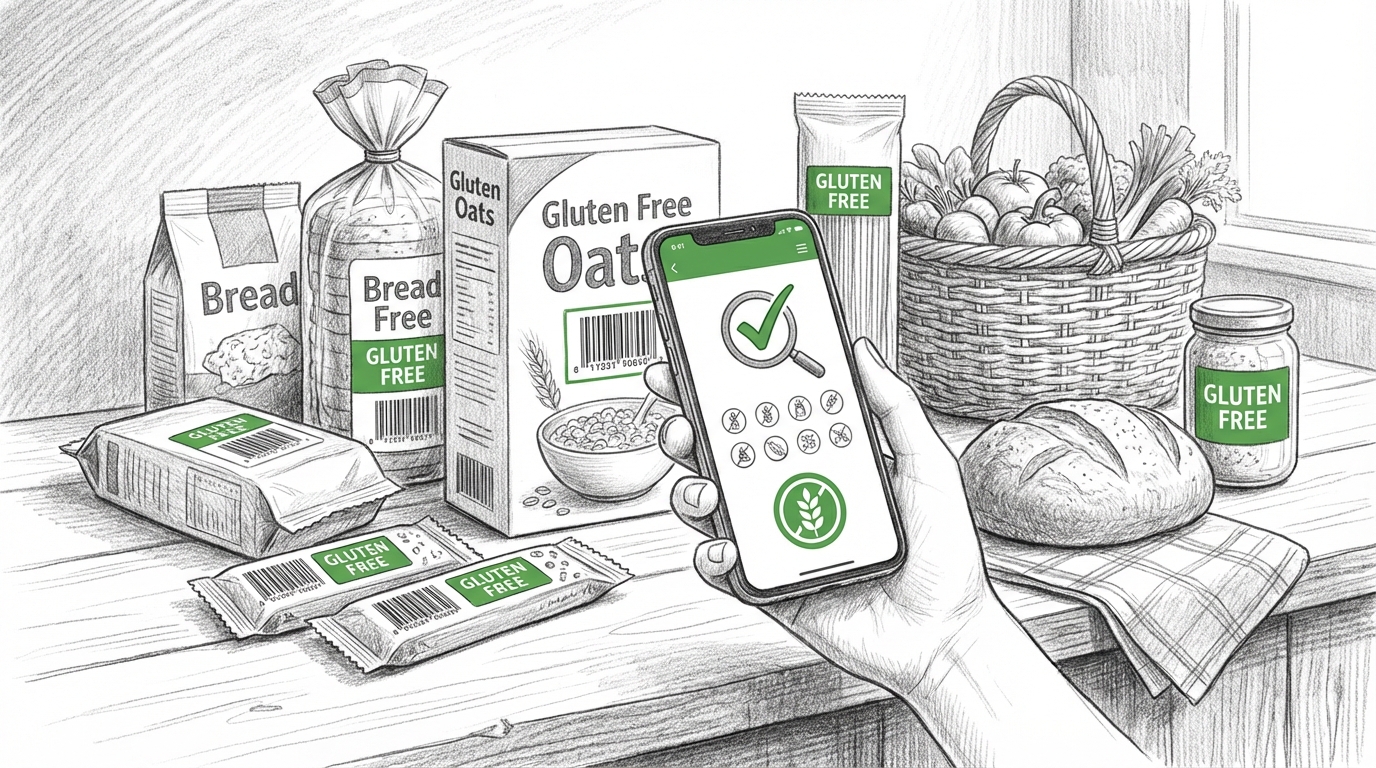
TL;DR: Top gluten free food brands include Schär, Udi's, Canyon Bakehouse, Enjoy Life Foods, and Bob's Red Mill. These brands offer certified gluten-free products ranging from bread and pasta to snacks and baking mixes. Use allergen scanning apps to quickly verify products are safe by checking labels for gluten and cross-contamination warnings.
Frequently Asked Questions

What are the best gluten free food brands available in 2024?
Top gluten free food brands include Schär, Enjoy Life Foods, Canyon Bakehouse, Udi's, and King Arthur Baking Company. These brands offer certified gluten-free products ranging from bread and pasta to snacks and baking mixes. Many brands now use allergen checker apps to help consumers verify ingredients. Look for products with clear gluten-free certification labels and scan barcodes to identify potential cross-contamination risks.
How can I use an allergy checker app to find gluten free food brands?
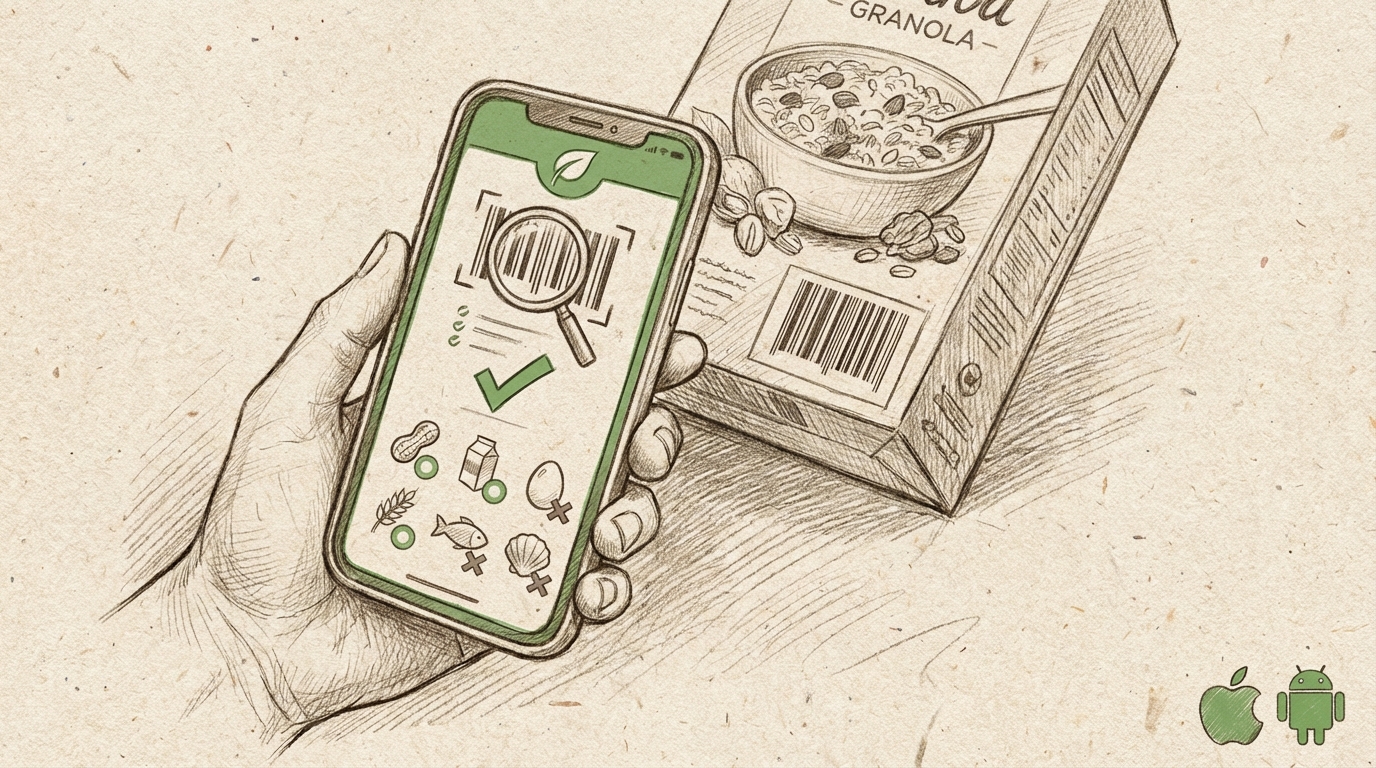
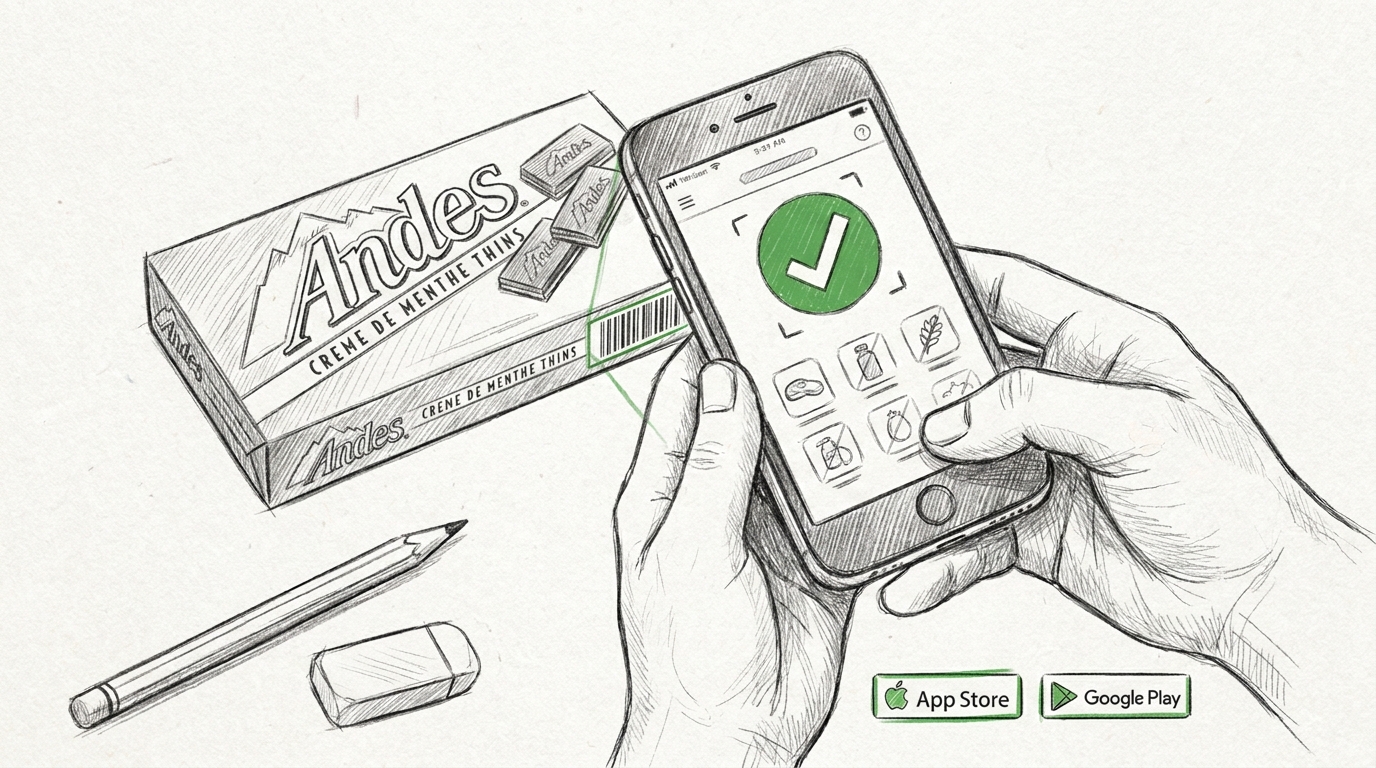
Allergy checker apps allow you to scan product barcodes to instantly detect gluten and 13 other common allergens. Simply download the app on iOS or Android, scan any product's barcode, and receive detailed information about allergens, traces, additives like E202 potassium sorbate, and preservatives. These apps help you quickly identify safe gluten free food brands while shopping, making grocery trips faster and more confident.
Which restaurants that are gluten free offer the safest dining options?
Restaurants with dedicated gluten-free menus include P.F. Chang's, Outback Steakhouse, Maggiano's, and Red Robin. Chipotle offers a nutrition calculator and clearly labels gluten-free options. Fast-casual chains like Blaze Pizza and MOD Pizza provide gluten-free crusts prepared separately. Always inform staff about celiac disease or gluten sensitivity, ask about cross-contamination protocols, and use allergen checker apps to verify ingredients in complex dishes.
Is quinoa gluten free and safe for celiac disease?
Yes, quinoa is naturally gluten free and safe for people with celiac disease. This protein-rich pseudograin contains no wheat, barley, or rye. However, cross-contamination can occur during processing or packaging. Always choose certified gluten-free quinoa brands and scan barcodes with an allergy checker app to verify no gluten traces. Quinoa serves as an excellent alternative to wheat-based grains in various recipes.
What are the best gluten free wheat free beer brands?
Popular gluten free wheat free beer brands include Omission (crafted to remove gluten), Glutenberg, Ground Breaker, New Planet, and Holidaily Brewing Company. These beers use alternative grains like sorghum, millet, rice, and buckwheat instead of barley or wheat. For strict celiac safety, choose beers made entirely from gluten-free ingredients rather than gluten-removed varieties. Check labels and use barcode scanning apps to verify ingredients.
How do I find healthy snack ideas for weight loss that are gluten free?
Healthy gluten-free snacks for weight loss include fresh fruits, vegetables with hummus, rice cakes with almond butter, Greek yogurt, nuts, seeds, and hard-boiled eggs. Gluten free food brands like Simple Mills, Mary's Gone Crackers, and Hippeas offer nutritious packaged options. Use an allergy checker app to scan snacks for hidden gluten, additives, and preservatives. Focus on whole foods with high protein and fiber to maintain satiety.
What additives should I avoid when choosing gluten free food brands?
When selecting gluten free food brands, watch for additives like modified food starch, malt flavoring, and hydrolyzed vegetable protein, which may contain gluten. Common preservatives like E202 potassium sorbate are gluten-free but may cause sensitivities. Scan product barcodes with an allergy checker app to identify additives, preservatives, and potential allergen traces. Look for brands with clean labels and minimal processing for healthiest options.
Can I trust gluten free labels on food products without verification?
While FDA-regulated gluten-free labels indicate products contain less than 20ppm gluten, using an allergy checker app provides additional verification. Scan barcodes to detect traces, cross-contamination warnings, and hidden gluten sources in additives. Some ingredients like hydroxy stearic acid or methane sulfonic acid may be processing agents. Apps help identify all 13 major allergens, preservatives, and additives, giving you comprehensive product information beyond basic labels.
Understanding Gluten Free Food Brands: Your Complete Guide

Navigating the world of gluten free food brands can feel overwhelming, especially when you're managing celiac disease or gluten sensitivities. With more people than ever seeking gluten-free options, the market has exploded with choices, making it essential to understand which brands you can trust and what products truly meet your dietary needs.
The gluten-free food industry has transformed dramatically over the past decade. What was once a niche market with limited, often unappetizing options has evolved into a thriving sector offering everything from bread and pasta to snacks and beverages.
Whether you're newly diagnosed with celiac disease, exploring gluten sensitivity, or simply choosing a gluten-free lifestyle, understanding which brands prioritize safety and quality makes all the difference in your daily food choices.
Top Trusted Gluten Free Food Brands

Several brands have established themselves as leaders in the gluten-free market, consistently delivering safe, high-quality products. These companies understand the serious health implications for those with celiac disease and take extensive measures to prevent cross-contamination.
Certified Gluten-Free Brand Leaders
The most reliable gluten free food brands carry third-party certifications, typically requiring products to contain less than 10 parts per million (ppm) of gluten. This standard exceeds the FDA requirement of 20 ppm, providing an extra layer of safety.
- Schär - A European brand offering extensive bread, pasta, and baked goods options with dedicated gluten-free facilities
- Udi's Gluten Free - Known for soft breads, bagels, and frozen meals that closely mimic traditional textures
- Canyon Bakehouse - Specializes in fresh-tasting breads and English muffins with clean ingredient lists
- Glutino - Provides crackers, pretzels, and cookies with widespread availability in major retailers
- Bob's Red Mill - Offers certified gluten-free flours, oats, and baking mixes in dedicated facilities
Specialty Gluten-Free Brands
Beyond mainstream options, several specialty brands cater to specific needs within the gluten-free community. These companies often focus on particular product categories or combine multiple dietary requirements.
For those seeking gluten free wheat free beer, brands like Omission, New Planet, and Ghostfish Brewing have revolutionized the market. These breweries use alternative grains like sorghum, millet, and rice to create flavorful beers that rival traditional options.
| Brand | Base Ingredients | Certification Level | Flavor Profile |
|---|---|---|---|
| Ghostfish Brewing | Millet, buckwheat, rice | Certified GF (<10 ppm) | Traditional craft beer taste |
| Omission | Barley (gluten removed) | Below 20 ppm | Close to regular beer |
| New Planet | Sorghum, corn, rice | Certified GF (<10 ppm) | Light and refreshing |
| Glutenberg | Millet, corn, quinoa | Certified GF (<10 ppm) | Complex, full-bodied |
Essential Ingredients to Check in Gluten Free Products
Understanding ingredient labels is crucial when selecting gluten free food brands. While many additives and preservatives are safe, knowing what to look for helps you make informed decisions.
Common Safe Additives in Gluten-Free Foods
E202 potassium sorbate is a widely used preservative in gluten-free products that prevents mold and yeast growth. This compound is completely gluten-free and safe for those with celiac disease, commonly appearing in baked goods, beverages, and packaged snacks.
Other safe additives frequently found in gluten-free products include:
- Hydroxy stearic acid - A food-grade emulsifier derived from vegetable sources, used to improve texture in gluten-free baked goods
- Poly carboxylic acid - Used as a stabilizer and thickening agent in various gluten-free processed foods
- Methane sulfonic acid - Occasionally used in food processing as a pH regulator, though less common in consumer products
- Xanthan gum - Provides structure and elasticity that gluten normally offers
- Guar gum - Another binding agent that helps hold gluten-free products together
Naturally Gluten-Free Grains and Ingredients
Many people wonder is quinoa gluten free, and the answer is definitively yes. Quinoa is a naturally gluten-free pseudocereal that's become a staple in gluten-free cooking, offering complete protein and essential nutrients.
Other naturally gluten-free ingredients to look for in quality brands include:
- Rice (all varieties: white, brown, wild, black)
- Corn and cornmeal
- Buckwheat (despite its name, contains no wheat)
- Amaranth and teff
- Certified gluten-free oats
- Sorghum and millet
- Almond flour and coconut flour
Gluten-Free Snacking: Brands and Options
Finding safe, delicious snacks is often one of the biggest challenges for those following a gluten-free diet. Fortunately, numerous brands now specialize in creating healthy snack ideas for weight loss that are also gluten-free.
Packaged Gluten-Free Snack Brands
The snack aisle has become increasingly friendly to gluten-free consumers. Several brands have built their entire identity around safe, allergen-conscious products.
| Brand | Specialty | Key Products | Additional Allergen Info |
|---|---|---|---|
| Simple Mills | Clean ingredients | Crackers, cookies, baking mixes | Dairy-free options available |
| Siete Foods | Grain-free options | Tortilla chips, tortillas, sauces | Paleo-friendly |
| Mary's Gone Crackers | Organic whole grains | Crackers, cookies, pretzels | Vegan, non-GMO |
| Enjoy Life | Top 14 allergen-free | Cookies, chocolate, snack bars | Free from all major allergens |
| Kind Bars | Nut-based bars | Snack bars, granola | Many gluten-free varieties |
For those seeking comprehensive options, you can explore more gluten free dairy free snacks that meet multiple dietary requirements simultaneously.
Fresh and Whole Food Snack Options
The healthiest gluten-free snacks often come from whole, unprocessed foods. These naturally gluten-free options provide nutrients without additives or preservatives:
- Fresh fruits and vegetables with hummus or guacamole
- Nuts and seeds (almonds, cashews, pumpkin seeds)
- Rice cakes with nut butter
- Greek yogurt with fresh berries
- Hard-boiled eggs
- Cheese sticks (for those who tolerate dairy)
- Popcorn (air-popped or minimally processed)
Restaurants That Are Gluten Free: Dining Out Safely
Knowing which restaurants that are gluten free or offer extensive gluten-free menus makes dining out significantly easier. Many major chains have responded to demand by creating dedicated gluten-free protocols.
Chain Restaurants with Strong Gluten-Free Programs
Several national chains have invested in training staff and creating separate preparation areas to minimize cross-contamination risks:
- Chipotle - Offers naturally gluten-free options with clear protocols; use their chipotle nutrition calculator to plan meals and verify allergen information
- P.F. Chang's - Maintains a separate gluten-free menu with dedicated cooking areas
- Outback Steakhouse - Provides extensive gluten-free menu with training for cross-contamination prevention
- Red Robin - Offers gluten-free buns and dedicated fryers for French fries
- BJ's Restaurant - Features a comprehensive gluten-free menu including pizza and desserts
Fast-Casual Options for Quick Gluten-Free Meals
Fast-casual restaurants have become increasingly accommodating to gluten-free diners. These establishments typically allow customization and transparency about ingredients:
- Blaze Pizza - Offers gluten-free crusts prepared with separate tools
- Chipotle - Most menu items are naturally gluten-free except flour tortillas
- Sweetgreen - Salad-focused menu with all gluten-free ingredients clearly marked
- Dig Inn - Seasonal vegetable bowls with gluten-free grain options
- True Food Kitchen - Health-focused menu with extensive gluten-free selections
Using Technology to Identify Safe Gluten Free Food Brands
Modern technology has revolutionized how people with dietary restrictions identify safe products. Mobile apps now provide instant access to ingredient information and allergen warnings.
Allergy Checker Apps for Gluten-Free Living
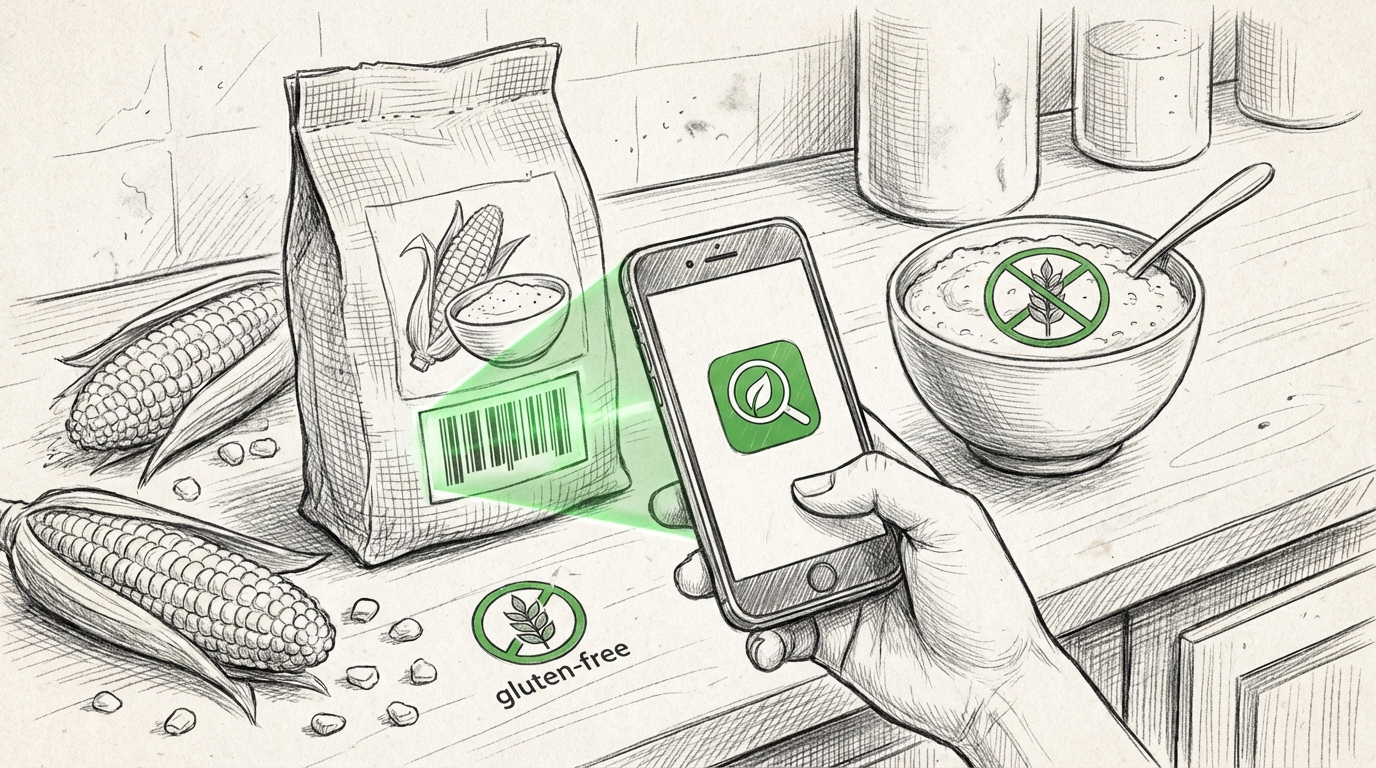
An allergy checker app can be invaluable when shopping for gluten-free products. These applications allow you to scan barcodes and instantly receive information about gluten content and other allergens.
The best allergy checker apps provide comprehensive databases covering thousands of products, helping you make informed decisions quickly while shopping.
Key features to look for in a quality food allergy app include:
- Barcode scanning for instant product information
- Detection of multiple allergens beyond just gluten
- Information about traces and cross-contamination risks
- Additive and preservative identification
- Regular database updates with new products
- Offline functionality for use in areas with poor connectivity
These tools empower consumers to verify product safety independently, reducing reliance on potentially misleading marketing claims or unclear labels.
Reading Labels: What Gluten-Free Certification Means
Understanding certification standards helps you evaluate gluten free food brands more effectively. Not all "gluten-free" labels offer the same level of protection.
Certification Standards and What They Guarantee
Several organizations provide gluten-free certification, each with slightly different standards:
| Certification Body | Gluten Threshold | Testing Requirements | Facility Requirements |
|---|---|---|---|
| GFCO (Gluten-Free Certification Organization) | Less than 10 ppm | Annual testing and inspections | Dedicated or thoroughly cleaned equipment |
| NSF Gluten-Free Certification | Less than 20 ppm | Regular testing and audits | Documented cleaning procedures |
| FDA Gluten-Free Label | Less than 20 ppm | Manufacturer responsibility | No specific requirements |
| Certified Gluten-Free (CSA) | Less than 5 ppm | Rigorous testing protocols | Strict facility controls |
Hidden Sources of Gluten in Packaged Foods
Even when shopping from trusted gluten free food brands, vigilance about hidden gluten sources remains important:
- Modified food starch (unless specified as corn or potato)
- Malt flavoring or malt vinegar
- Hydrolyzed vegetable protein (unless source is specified)
- Soy sauce (traditional versions contain wheat)
- Natural flavors (occasionally derived from gluten sources)
- Caramel color (usually safe but occasionally made from barley)
Building a Complete Gluten-Free Pantry
Stocking your kitchen with reliable gluten free food brands ensures you always have safe options available. A well-organized gluten-free pantry makes meal planning and cooking significantly easier.
Essential Gluten-Free Pantry Staples by Category
Baking and Cooking Essentials:
- Bob's Red Mill 1-to-1 Gluten-Free Flour Blend
- King Arthur Measure for Measure Flour
- Certified gluten-free oats
- Xanthan gum and guar gum
- Almond flour and coconut flour
Grains and Pasta:
- Barilla Gluten-Free Pasta
- Tinkyada Brown Rice Pasta
- Ancient Harvest Quinoa Pasta
- Lundberg Rice varieties
- Bob's Red Mill certified gluten-free oats
Bread and Baked Goods:
- Canyon Bakehouse breads and bagels
- Schär artisan bread varieties
- Udi's frozen bread products
- Glutino crackers and pretzels
Fresh and Frozen Gluten-Free Options
Don't overlook the fresh and frozen sections when building your gluten-free food collection. Many brands offer convenient prepared options:
- Amy's Kitchen frozen meals (many gluten-free varieties)
- Applegate gluten-free deli meats
- Udi's frozen pizzas and entrees
- Caulipower pizza crusts and products
- Feel Good Foods gluten-free frozen appetizers
Nutritional Considerations When Choosing Gluten Free Food Brands
While focusing on gluten elimination, it's important to maintain balanced nutrition. Some gluten-free products can be highly processed or nutritionally inferior to their gluten-containing counterparts.
Ensuring Adequate Nutrition on a Gluten-Free Diet
Many gluten-free products lack the fortification found in wheat-based foods. Pay attention to these nutrients that may require supplementation or careful food selection:
- B Vitamins - Especially folate, thiamin, and niacin typically added to wheat flour
- Iron - Often fortified in wheat products but absent in many gluten-free alternatives
- Fiber - Gluten-free products frequently contain less fiber than whole wheat options
- Protein - Some gluten-free grains provide less protein than wheat
- Calcium - Important if avoiding dairy alongside gluten
Choose gluten free food brands that prioritize whole grains and nutrient density. Look for products made with quinoa, amaranth, teff, and brown rice rather than refined white rice flour alone.
Comparing Nutritional Profiles
When evaluating products, compare nutritional information across brands. Some gluten-free items contain significantly more sugar, fat, or calories than traditional versions to compensate for texture and taste.
For detailed nutritional information on specific foods, resources like the English Muffin nutrition guide can help you understand what to expect from different product categories.
Cost-Effective Shopping for Gluten Free Food Brands
Gluten-free products often carry premium prices, but strategic shopping can help manage costs without compromising safety or quality.
Money-Saving Strategies for Gluten-Free Shopping
- Focus on naturally gluten-free whole foods - Rice, quinoa, potatoes, and fresh produce are often cheaper than specialty products
- Buy in bulk - Stores like Costco and Sam's Club increasingly stock gluten-free staples at lower per-unit costs
- Compare store brands - Many retailers now offer their own gluten-free lines at competitive prices
- Use manufacturer coupons - Visit brand websites and sign up for newsletters to receive discounts
- Shop sales and stock up - Non-perishable gluten-free items keep well; buy when prices drop
- Make your own - Baking bread and snacks at home costs significantly less than buying prepared products
Best Retailers for Gluten-Free Shopping
Different stores excel at different aspects of gluten-free shopping:
| Retailer | Selection | Price Range | Best For |
|---|---|---|---|
| Whole Foods | Extensive | Premium | Specialty brands, fresh options |
| Trader Joe's | Good | Moderate | Affordable private label products |
| Costco | Growing | Budget-friendly | Bulk purchases of staples |
| Target | Good | Moderate | Good Gather gluten-free line |
| Walmart | Moderate | Budget-friendly | Basic gluten-free essentials |
The Future of Gluten Free Food Brands
The gluten-free market continues evolving rapidly, with innovations improving taste, texture, and nutritional value while maintaining safety standards.
Emerging Trends in Gluten-Free Products
Several exciting developments are shaping the future of gluten free food brands:
- Ancient grain integration - More products featuring teff, amaranth, and sorghum for enhanced nutrition
- Fermentation technology - Sourdough processes improving digestibility and flavor in gluten-free breads
- Protein fortification - Adding legume flours and protein isolates to boost nutritional profiles
- Clean label movement - Reducing additives and using recognizable ingredients
- Sustainable sourcing - Emphasis on organic, regeneratively grown gluten-free grains
Technology and Gluten-Free Innovation
Technology continues transforming how consumers interact with gluten free food brands. Mobile applications, blockchain verification, and advanced testing methods are making the gluten-free diet safer and more convenient than ever.
Apps that scan products for allergens have become essential tools, providing instant verification that products meet your dietary requirements. These technological solutions bridge the gap between consumer needs and manufacturer transparency.
Take Control of Your Gluten-Free Journey Today
Navigating the world of gluten free food brands becomes significantly easier with the right knowledge and tools. Understanding certifications, reading labels carefully, and knowing which brands prioritize safety empowers you to make confident food choices.
Remember that managing a gluten-free diet successfully involves more than just avoiding gluten—it requires maintaining balanced nutrition, finding reliable brands you trust, and staying informed about new products and safety standards.
Whether you're shopping for pantry staples, planning restaurant meals, or looking for convenient snacks, the expanding selection of quality gluten-free options means you never have to compromise on taste or safety.
Ready to simplify your gluten-free shopping experience? Visit Nutrict to discover how our allergen scanning app helps you instantly identify gluten and 12 other allergens in thousands of products. Simply scan a barcode to get comprehensive information about ingredients, traces, additives, and preservatives—making every shopping trip faster, safer, and stress-free. Download the app today and take the guesswork out of gluten-free living.
Article created using IntentRank