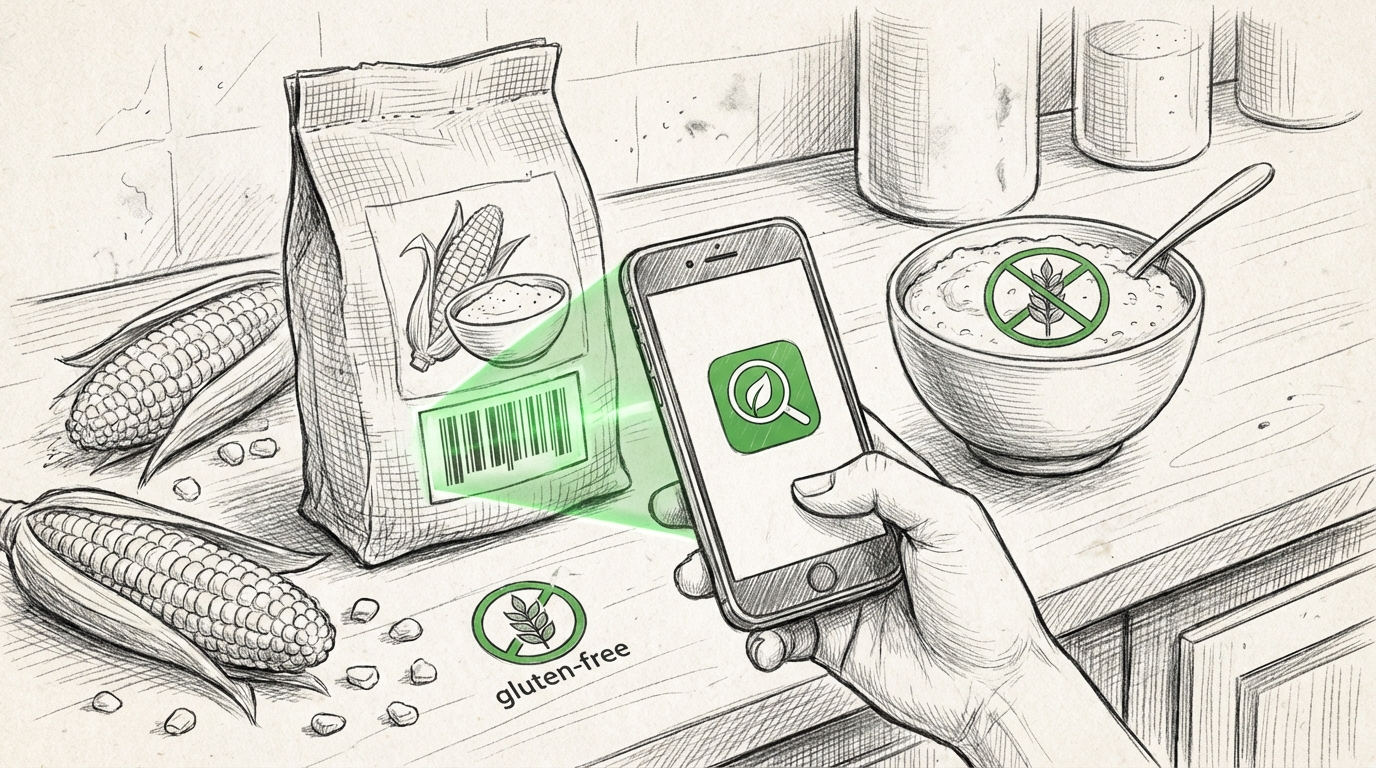
Gluten & Vegan Free Scanner: Detect Allergens Instantly
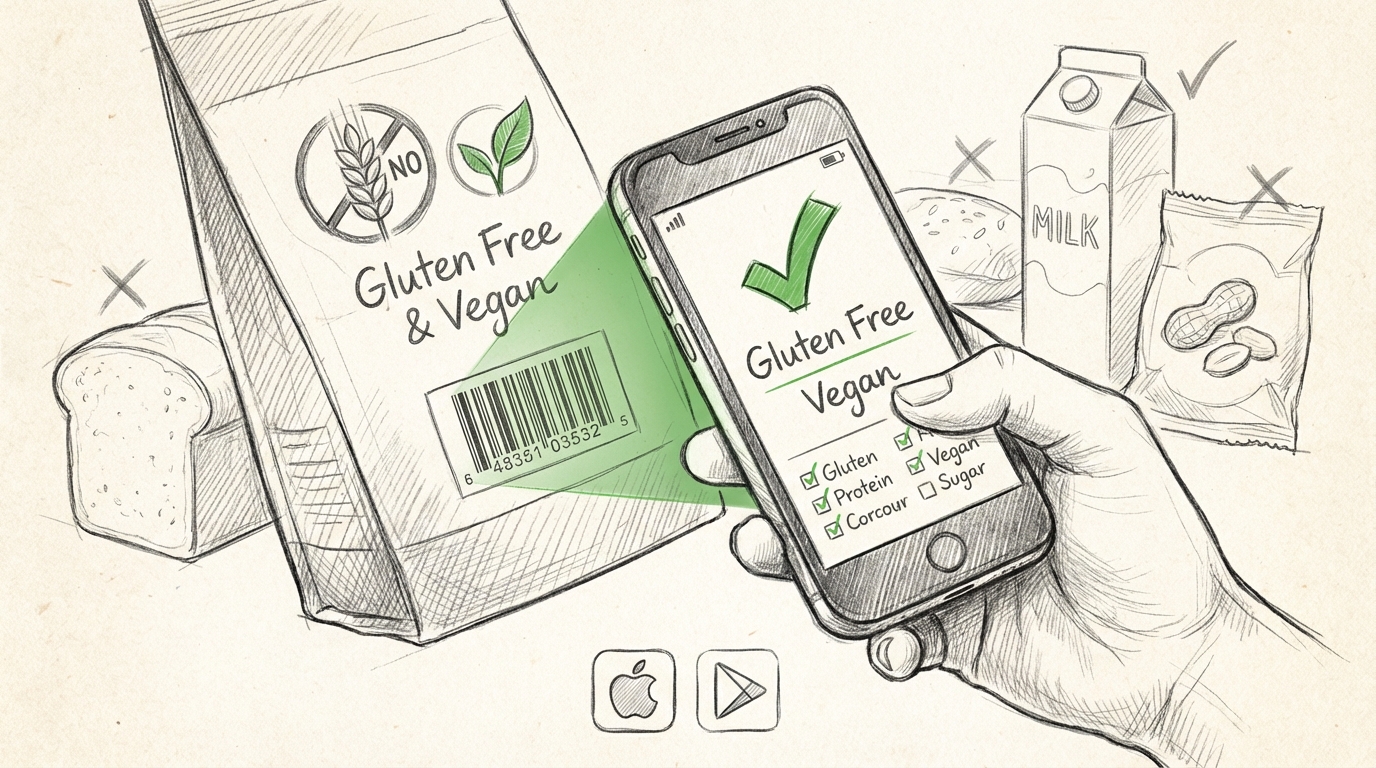
TL;DR: Gluten and vegan free products can be easily identified using allergen detection apps that scan barcodes to reveal ingredients, allergens, and additives. These mobile applications help consumers quickly verify if foods meet their dietary restrictions by detecting gluten, animal-derived ingredients, and other common allergens in seconds, available on both iOS and Android platforms.
Frequently Asked Questions

What is the best app to check if products are gluten and vegan free?
Allergen checker apps that scan barcodes are the most effective tools for identifying gluten and vegan-free products. These apps detect 13 different allergens, traces, additives, and preservatives instantly. Available on both iOS and Android, they provide real-time ingredient analysis, helping you make informed purchasing decisions while shopping. This eliminates the need to manually read complex ingredient labels.
How does an allergy checker app identify gluten and vegan ingredients?
Allergy checker apps work by scanning product barcodes and cross-referencing them with comprehensive databases containing ingredient information. The app identifies gluten-containing grains, animal-derived ingredients, and additives like e202 potassium sorbate. It flags problematic ingredients, traces, preservatives, and chemicals such as hydroxy stearic acid or methane sulfonic acid, providing instant allergen alerts for dietary restrictions.
Which restaurants are gluten and vegan free friendly?
Many chain restaurants now offer gluten and vegan-free options, including Chipotle, which provides a nutrition calculator to customize meals. To verify safety, use allergen checker apps before dining out. These apps help identify safe menu items and cross-contamination risks. Popular gluten-free chains include dedicated gluten-free pizzerias, vegan cafes, and restaurants with certified allergen-free preparation areas.
Is quinoa gluten free and suitable for vegan diets?
Yes, quinoa is naturally gluten-free and 100% vegan, making it an excellent choice for both dietary restrictions. This protein-rich seed contains all nine essential amino acids and provides fiber, iron, and magnesium. However, always check packaging with an allergen checker app to ensure no cross-contamination occurred during processing or packaging with gluten-containing grains.
What are healthy snack ideas for weight loss that are gluten and vegan free?
Healthy gluten and vegan-free snacks include fresh fruits, vegetables with hummus, rice cakes with almond butter, roasted chickpeas, and quinoa bowls. Raw nuts, seeds, and gluten-free crackers with guacamole are excellent options. Use an allergen checker app to verify packaged snacks don't contain hidden gluten, animal derivatives, or additives like poly carboxylic acid or preservatives.
Are there gluten free wheat free beers that are also vegan?
Yes, several gluten-free wheat-free beers are vegan-friendly, made from sorghum, rice, millet, or buckwheat instead of barley or wheat. Popular brands include Omission, Glutenberg, and Ground Breaker. However, some beers use isinglass (fish bladder) for filtering. Always verify with an allergen checker app to ensure the beer is both gluten-free and contains no animal-derived ingredients or processing aids.
What additives should I avoid when looking for gluten and vegan free products?
When seeking gluten and vegan-free products, avoid additives like hydroxy stearic acid (may be animal-derived), certain forms of poly carboxylic acid, and methane sulfonic acid used in processing. Watch for e202 potassium sorbate, which is typically vegan but may have processing concerns. An allergen checker app quickly identifies these additives by scanning barcodes, ensuring products meet your dietary requirements.
How can I use a Chipotle nutrition calculator for gluten and vegan free meals?
Chipotle's nutrition calculator allows you to customize bowls, burritos, and salads while filtering for gluten and vegan-free ingredients. Select the allergen filter to exclude gluten-containing items like flour tortillas and wheat-based ingredients. Choose from rice, beans, vegetables, guacamole, and salsas. For additional verification, use an allergen checker app to confirm ingredients meet your specific dietary needs and check for cross-contamination risks.
Understanding Gluten and Vegan Free Diets: A Comprehensive Guide

The intersection of gluten and vegan free eating has become increasingly relevant as more people adopt specialized diets for health, ethical, or medical reasons. According to research from the National Center for Biotechnology Information, between 2004 and 2011, the gluten-free product market grew at an annual rate of 28%, with sales reaching $2.6 billion in 2012 and projected to reach $6.6 billion by 2017. This remarkable growth reflects a broader trend toward dietary consciousness and the need for safe, allergen-free food options.
For individuals managing multiple dietary restrictions—whether due to celiac disease, food allergies, or lifestyle choices—navigating both gluten-free and vegan requirements simultaneously presents unique challenges and opportunities. This comprehensive guide explores the science, benefits, and practical considerations of combining these two dietary approaches.
Modern consumers increasingly rely on technology to manage their dietary needs. Tools like an allergy checker app have become essential for quickly identifying potential allergens in packaged foods, making it easier to maintain strict dietary protocols.
The Science Behind Gluten-Free Vegan Diets

Medical Necessity vs. Lifestyle Choice
Celiac disease affects approximately 1% of the population, but for every diagnosed case, an estimated 5-10 cases remain undiagnosed. The gluten-free diet is an absolute necessity only for people with celiac disease or nonceliac gluten sensitivity (NCGS), not for the general population.
However, research published in Arthritis Research & Therapy demonstrates that combining gluten-free and vegan approaches can offer significant health benefits even beyond celiac management. A randomized study conducted at Karolinska Institutet involved 66 patients with active rheumatoid arthritis who were assigned to either a gluten-free vegan diet (38 patients) or a well-balanced non-vegan diet (28 patients) for one year.
| Health Marker | Effect Observed | Clinical Significance |
|---|---|---|
| LDL Cholesterol | Decreased levels | Reduced cardiovascular risk |
| Oxidized LDL | Decreased levels | Lower inflammation markers |
| Body Mass Index | Reduced BMI | Improved metabolic health |
| Anti-PC IgM Antibodies | Increased levels | Enhanced atheroprotective effects |
The Prevalence of Gluten Sensitivity
A 2013 survey revealed that 30% of Americans showed interest in avoiding gluten, with 65% believing gluten-free foods are healthier and 27% choosing them for weight loss. This widespread adoption has prompted regulatory action—the U.S. FDA issued final rules on gluten-free food labeling in 2013, effective August 2014.
Interestingly, research indicates that for every adverse reaction to wheat presenting with gastrointestinal symptoms, there are 8 presenting without GI symptoms. This 8:1 ratio of extra-intestinal versus intestinal symptoms means many people may benefit from gluten elimination without experiencing traditional digestive complaints.
Health Benefits of Combined Gluten and Vegan Free Eating
Cardiovascular Health Improvements
The study from Karolinska University Hospital Huddinge demonstrated that a gluten-free vegan diet resulted in decreased LDL (low-density lipoprotein) and oxidized LDL levels in rheumatoid arthritis patients. The mean age was 50.0 years for the vegan group and 50.8 years for controls, with 30 patients in the vegan group completing more than 3 months on the diet regimen.
The diet also induced lower body mass index (BMI) and raised atheroprotective natural antibodies against phosphorylcholine (anti-PC IgM), suggesting multiple mechanisms through which this dietary approach supports heart health.
Anti-Inflammatory Effects
The reduction in oxidized LDL levels observed in the research indicates significant anti-inflammatory benefits. Oxidized LDL is a key contributor to atherosclerosis and chronic inflammation, conditions that affect millions worldwide.
For individuals seeking gluten free dairy free snacks that support these health goals, plant-based options naturally align with both dietary requirements while providing anti-inflammatory nutrients.
Metabolic Health and Weight Management
The study participants following the gluten-free vegan diet experienced lower BMI compared to controls. This finding supports the use of plant-based, gluten-free eating patterns as part of healthy snack ideas for weight loss strategies, particularly when combined with whole food choices.
- Increased fiber intake from gluten-free whole grains like quinoa
- Lower caloric density from plant-based foods
- Improved insulin sensitivity
- Enhanced satiety from high-fiber foods
The Dark Side: Challenges and Considerations
Nutritional Deficiencies and Health Risks
According to research published in Frontiers in Pediatrics, gluten restriction has a "dark side" including nutritional deficiencies, toxicity, morbidity, mortality, and mental health problems. The gluten-free diet requires strict and lifelong elimination of wheat, barley, rye, and wheat-contaminated oats, as well as numerous non-nutritional products containing wheat components.
In a prospective 1-year study from 38 Italian centers, 53% of patients with suspected non-celiac gluten sensitivity (NCGS) presented with non-abdominal complaints. Among enrolled subjects, fatigue was reported by 64% and lack of well-being by 68% as the most frequent extraintestinal manifestations.
Long-Term Adherence Challenges
Long-term adherence to gluten-free diet decreases with time due to multiple challenges in following the restrictive diet. When combining both gluten-free and vegan requirements, these challenges multiply:
| Challenge Category | Specific Issues | Solutions |
|---|---|---|
| Social Situations | Limited options at restaurants | Research restaurants that are gluten free with vegan options |
| Nutritional Balance | Risk of deficiencies in B12, iron, calcium | Supplementation and fortified foods |
| Food Preparation | Time-intensive meal planning | Batch cooking and meal prep strategies |
| Cost | Higher prices for specialty products | Focus on whole foods and bulk purchases |
Understanding Food Additives and Preservatives
When following a strict gluten-free vegan diet, understanding food additives becomes crucial. Common preservatives like e202 potassium sorbate are generally vegan and gluten-free, but reading labels carefully remains essential.
Other additives to be aware of include:
- Hydroxy stearic acid - typically derived from vegetable sources but verify manufacturing processes
- Methane sulfonic acid - used in food processing, generally synthetic and vegan
- Poly carboxylic acid - used as a stabilizer, usually plant-derived
Using a food allergy app can help quickly identify these additives and determine their suitability for your dietary needs.
Practical Implementation: Making It Work
Safe Grain Alternatives
One common question is "is quinoa gluten free?" The answer is yes—quinoa is naturally gluten-free and provides complete protein, making it an excellent staple for gluten-free vegan diets. Other safe grain alternatives include:
- Rice (brown, white, wild varieties)
- Certified gluten-free oats
- Buckwheat (despite the name, contains no wheat)
- Amaranth
- Millet
- Teff
Navigating Beverages
For those who enjoy beer, finding gluten free wheat free beer options has become easier as the market expands. Many breweries now produce beers made from sorghum, rice, or other gluten-free grains that are also vegan-friendly.
Dining Out Successfully
Finding restaurants that are gluten free and offer vegan options requires research and communication. Many establishments now accommodate multiple dietary restrictions, but cross-contamination remains a concern for those with celiac disease.
Tips for successful dining out:
- Call ahead to discuss your dietary needs
- Ask about dedicated preparation areas
- Request ingredient lists for sauces and dressings
- Use a chipotle nutrition calculator or similar tools to plan meals at chain restaurants
- Build relationships with accommodating local restaurants
Meal Planning and Nutrition Tracking
Successful adherence to a gluten-free vegan diet requires careful planning. Consider these strategies:
- Track micronutrient intake to prevent deficiencies
- Plan meals weekly to ensure variety
- Prep ingredients in advance
- Keep emergency snacks available
- Use nutrition tracking apps to monitor key nutrients
For specific product information, resources like is ezekiel bread gluten free guides can help determine which branded foods fit your dietary requirements.
Special Considerations for Different Populations
Type 1 Diabetes and Celiac Disease
There is a well-established relationship between type 1 diabetes and celiac disease. For individuals managing both conditions while following a vegan lifestyle, carbohydrate counting and blood sugar management become even more complex.
Key considerations include:
- Monitoring how gluten-free grains affect blood sugar
- Ensuring adequate protein intake from plant sources
- Balancing fiber intake with insulin dosing
- Regular nutritional assessments with healthcare providers
Children and Adolescents
Implementing a gluten-free vegan diet for children requires extra attention to growth and development needs. Essential nutrients that require monitoring include:
| Nutrient | Importance | Plant-Based Sources |
|---|---|---|
| Vitamin B12 | Nervous system development | Fortified foods, supplements |
| Iron | Cognitive function, energy | Legumes, fortified cereals, dark leafy greens |
| Calcium | Bone development | Fortified plant milks, tofu, leafy greens |
| Vitamin D | Bone health, immunity | Fortified foods, sunlight, supplements |
| Omega-3 fatty acids | Brain development | Flaxseeds, chia seeds, walnuts, algae supplements |
Athletes and Active Individuals
Athletes following gluten-free vegan diets can perform optimally with proper planning. Focus areas include:
- Adequate caloric intake to support training
- Strategic protein timing around workouts
- Carbohydrate periodization using gluten-free sources
- Attention to iron and B12 status
Building a Sustainable Gluten-Free Vegan Lifestyle
Creating a Well-Stocked Pantry
Success with a gluten-free vegan diet starts with having the right ingredients readily available. Essential pantry staples include:
- Gluten-free grains: quinoa, rice, certified GF oats
- Legumes: lentils, chickpeas, black beans
- Nuts and seeds: almonds, cashews, chia, flax
- Gluten-free flours: almond, coconut, rice, chickpea
- Plant-based proteins: tofu, tempeh, seitan alternatives
- Nutritional yeast (fortified with B12)
Recipe Modification Strategies
Adapting traditional recipes to be both gluten-free and vegan requires understanding ingredient functions:
- Replace wheat flour with gluten-free blends (add xanthan gum for structure)
- Substitute eggs with flax eggs, chia eggs, or commercial egg replacers
- Use plant-based milks fortified with calcium and vitamin D
- Replace butter with coconut oil or vegan butter alternatives
- Enhance flavor with nutritional yeast, miso, and umami-rich ingredients
Monitoring Health Markers
Regular health monitoring ensures the diet meets nutritional needs. Recommended assessments include:
- Annual blood work checking B12, iron, vitamin D levels
- Bone density scans if at risk for osteoporosis
- Thyroid function tests (gluten-free diets can affect thyroid medication absorption)
- Lipid panels to monitor cardiovascular health
For individuals with specific concerns about product ingredients, checking nutritional information like english muffin nutrition info can help make informed choices about packaged foods.
The Future of Gluten-Free Vegan Eating
Market Trends and Innovation
The continued growth of both gluten-free and vegan markets suggests increasing availability of products meeting both requirements. Food manufacturers are responding to consumer demand with:
- Improved texture and taste in gluten-free vegan products
- Greater transparency in ingredient sourcing
- Enhanced nutritional profiles through fortification
- More affordable pricing as production scales
Research Directions
Ongoing research continues to explore the health impacts of gluten-free vegan diets. Areas of investigation include:
- Long-term cardiovascular outcomes
- Effects on autoimmune disease progression
- Gut microbiome changes
- Optimization of nutrient bioavailability
- Mental health and cognitive function impacts
Technology and Diet Management
Digital tools increasingly support dietary management. Modern apps can:
- Scan barcodes to identify allergens and ingredients
- Track nutritional intake across multiple restrictions
- Provide restaurant recommendations based on dietary needs
- Connect users with supportive communities
- Offer personalized meal planning
Learning how many calories are in corn on the cob and other whole foods helps build nutritional awareness for better dietary choices.
Making Informed Decisions About Your Diet
When to Consider Professional Guidance
Consulting healthcare professionals becomes essential when:
- Diagnosed with celiac disease or NCGS
- Managing multiple health conditions
- Planning pregnancy or breastfeeding
- Supporting children's growth and development
- Experiencing persistent symptoms despite dietary changes
- Considering supplements or major dietary shifts
Evaluating Your Individual Needs
Not everyone requires both gluten-free and vegan restrictions. Consider:
- Medical necessity versus personal preference
- Quality of life and social impacts
- Nutritional adequacy and supplementation needs
- Financial considerations
- Long-term sustainability
For those evaluating dairy products, resources like is yoplait yogurt healthy can inform decisions about including or excluding specific food categories.
Building a Support System
Successfully maintaining a gluten-free vegan diet often requires community support:
- Connect with others following similar dietary patterns
- Join online communities and local support groups
- Work with registered dietitians specializing in plant-based nutrition
- Educate family and friends about your dietary needs
- Share recipes and resources with others
Conclusion: Empowering Your Dietary Journey
Combining gluten and vegan free eating can offer significant health benefits, particularly for those with celiac disease, gluten sensitivity, or autoimmune conditions. Research demonstrates improvements in cardiovascular markers, inflammation levels, and body composition when following this dietary approach.
However, success requires careful planning, nutritional awareness, and often professional guidance to avoid deficiencies and ensure long-term sustainability. The challenges are real—from social situations to nutritional adequacy—but with proper education and support, these obstacles can be overcome.
Whether you're following this diet for medical necessity or personal choice, the key is making informed decisions based on credible research and individualized assessment. The growing availability of gluten-free vegan products, increased restaurant options, and technological tools all contribute to making this lifestyle more accessible than ever before.
Managing multiple dietary restrictions doesn't have to be overwhelming. With Nutrict's allergen scanning app, you can quickly identify whether packaged foods meet your gluten-free and vegan requirements by simply scanning barcodes. The app detects 13 different allergens, traces, additives, and preservatives, making grocery shopping faster and safer. Download Nutrict today on iOS or Android to take the guesswork out of your dietary management and confidently navigate your gluten-free vegan journey. Visit our website to learn more about how we can support your health goals.
Article created using IntentRank