Cottage Cheese Nutrition: Complete Guide & Allergen Facts
TL;DR: Cottage cheese nutrition offers high-quality protein (11-14g per half cup), low calories (80-120), and essential nutrients including calcium, phosphorus, and B vitamins. It's naturally low in carbohydrates, contains probiotics for gut health, and provides varying fat content depending on the type chosen, from fat-free to full-fat options.
Frequently Asked Questions

What are the main nutritional benefits of cottage cheese?
Cottage cheese is a nutrient-dense food high in protein, typically containing 12-14 grams per half-cup serving. It's rich in calcium, phosphorus, and B vitamins while being relatively low in calories. The protein content supports muscle growth and satiety, making it popular for weight management and fitness goals. It also provides selenium and contains beneficial probiotics in some varieties.
How many calories are in a serving of cottage cheese?
A standard half-cup (113g) serving of low-fat cottage cheese contains approximately 80-90 calories, while full-fat versions have about 110-120 calories. Fat-free cottage cheese has the lowest calorie count at around 70-80 calories per serving. The calorie content varies by brand and fat percentage, so checking nutrition labels or using an allergen checker app helps track exact values.
Is cottage cheese nutrition suitable for people with lactose intolerance?
Cottage cheese contains less lactose than most dairy products due to the fermentation process, typically 2-3 grams per serving. However, it's not lactose-free and may still cause symptoms in sensitive individuals. People with lactose intolerance should start with small portions or choose lactose-free cottage cheese varieties. Using an allergy checker app can help identify suitable products.
Does cottage cheese contain gluten or common allergens?
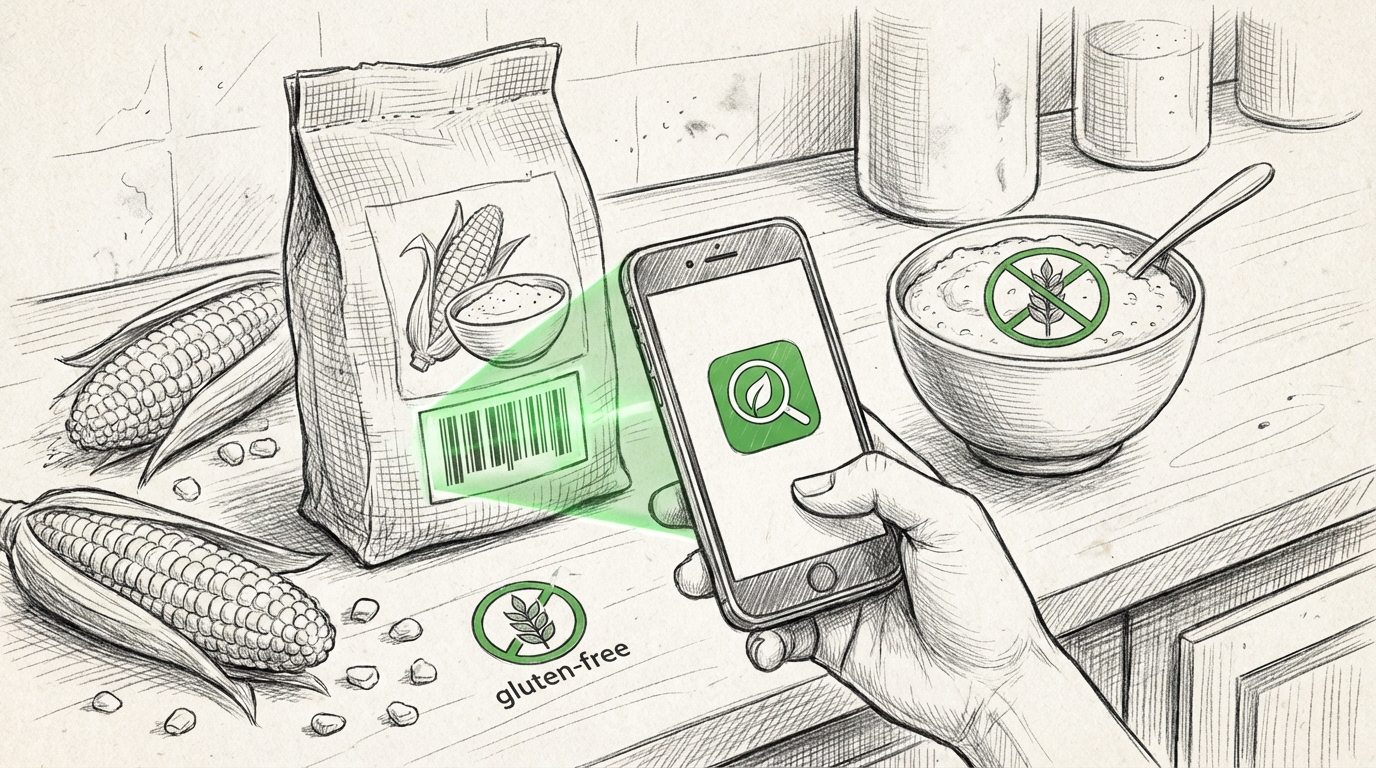
Pure cottage cheese is naturally gluten-free, containing only milk, cream, salt, and cultures. However, some brands add stabilizers or flavorings that may contain allergens. Cottage cheese contains milk protein, making it unsuitable for dairy allergies. Cross-contamination is possible in facilities processing multiple products. Scanning barcodes with an allergen detection app helps identify specific allergens and additives.
What is the protein content in cottage cheese compared to other foods?
Cottage cheese delivers 12-14 grams of protein per half-cup serving, making it comparable to Greek yogurt and superior to regular yogurt. It contains casein protein, which digests slowly and promotes sustained muscle recovery. This protein density rivals many meats while providing fewer calories, making cottage cheese an efficient protein source for vegetarians and fitness enthusiasts.
How does cottage cheese nutrition support weight loss goals?
Cottage cheese supports weight loss through high protein content that increases satiety and reduces hunger. The low-calorie, high-protein ratio helps preserve muscle mass during calorie restriction. It has a low glycemic index, preventing blood sugar spikes. The calcium content may also support fat metabolism. Choose low-fat or fat-free versions to maximize weight loss benefits.
Can I use an app to check cottage cheese nutrition and allergens?
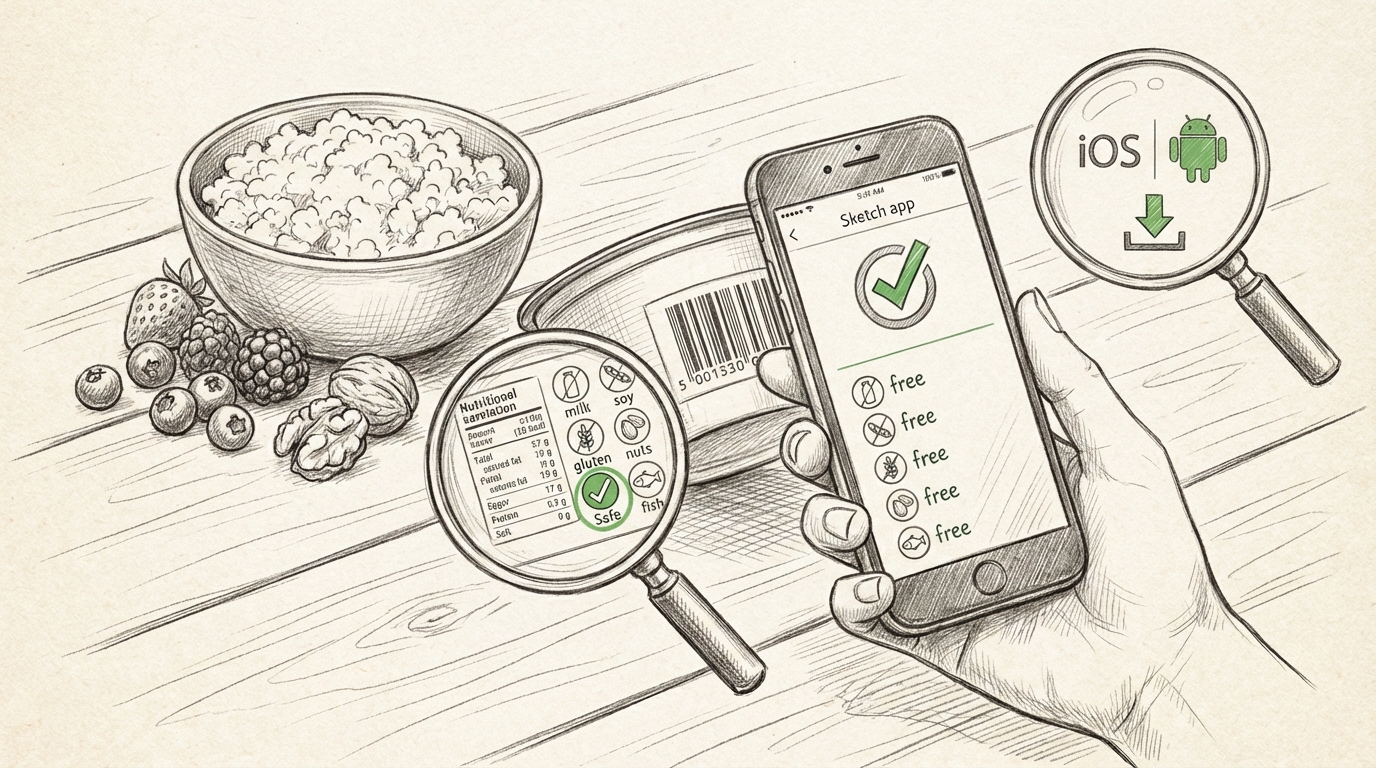
Yes, allergen checker apps allow you to scan cottage cheese barcodes to instantly view complete nutrition information, detect 13 different allergens, traces, additives, and preservatives. These apps are available on iOS and Android, providing detailed ingredient analysis beyond standard nutrition labels. They help people with dietary restrictions, allergies, or specific nutrition goals make informed purchasing decisions quickly.
What additives or preservatives are commonly found in cottage cheese?
Common cottage cheese additives include guar gum, xanthan gum, and carrageenan as stabilizers. Some brands use modified food starch, locust bean gum, or polysorbate 80. Preservatives like potassium sorbate or natamycin may be added to extend shelf life. Checking labels or using a barcode scanning app helps identify specific additives and preservatives in different brands.
Understanding Cottage Cheese Nutrition: A Complete Guide

When it comes to nutrient-dense foods that fit seamlessly into various dietary plans, cottage cheese nutrition stands out as a powerhouse option. This versatile dairy product has gained popularity among fitness enthusiasts, health-conscious consumers, and individuals managing specific dietary needs. Whether you're tracking macros, managing food allergies, or simply seeking healthier protein sources, understanding the nutritional profile of cottage cheese is essential for making informed dietary choices.
Cottage cheese offers an impressive nutritional profile that includes high-quality protein, essential vitamins, and minerals while remaining relatively low in calories. However, for individuals with food allergies or sensitivities, knowing exactly what's in your cottage cheese—including potential allergens, additives, and preservatives—becomes critically important.
In this comprehensive guide, we'll break down everything you need to know about cottage cheese nutrition, from macronutrient composition to allergen considerations, helping you make informed decisions about incorporating this dairy staple into your diet.
Cottage Cheese Nutrition Facts: Breaking Down the Basics

Macronutrient Profile
Cottage cheese delivers an exceptional macronutrient balance that makes it ideal for various dietary goals. A standard serving of low-fat cottage cheese (1 cup or approximately 226 grams) typically contains:
| Nutrient | Amount | % Daily Value |
|---|---|---|
| Calories | 163 | 8% |
| Protein | 28g | 56% |
| Carbohydrates | 6.2g | 2% |
| Fat | 2.3g | 3% |
| Sodium | 918mg | 40% |
| Calcium | 138mg | 11% |
Protein Quality and Composition
The protein content in cottage cheese is particularly noteworthy. It contains casein protein, which digests slowly and provides a sustained release of amino acids into your bloodstream. This makes cottage cheese an excellent choice for muscle recovery and overnight protein supplementation.
The high protein-to-calorie ratio makes cottage cheese comparable to other protein-rich foods. For context, this protein density rivals what you might find when checking a chipotle nutrition calculator for their protein bowls, though cottage cheese typically offers fewer calories and less sodium per gram of protein.
Vitamin and Mineral Content
Beyond macronutrients, cottage cheese provides essential micronutrients including:
- Phosphorus: Supports bone health and energy production
- Selenium: Acts as an antioxidant and supports thyroid function
- Vitamin B12: Essential for nerve function and red blood cell formation
- Riboflavin (B2): Aids in energy metabolism
- Calcium: Critical for bone density and muscle function
Allergen Considerations in Cottage Cheese

Primary Allergen: Dairy
Cottage cheese is a dairy product, making it unsuitable for individuals with milk allergies or lactose intolerance. The primary allergen concern involves milk proteins, specifically casein and whey, which can trigger allergic reactions in sensitive individuals.
For those managing food allergies, using an allergy checker app can be invaluable when shopping for cottage cheese products. These tools help identify potential allergens, traces, and additives that might not be immediately obvious from reading labels.
Hidden Ingredients and Additives
Many commercial cottage cheese brands contain additives that can pose concerns for health-conscious consumers. Common additives include:
- Carrageenan: A thickening agent derived from seaweed
- Guar gum: Used for texture improvement
- Modified food starch: May contain traces of corn or wheat
- Preservatives: Including potassium sorbate and natamycin
Some cottage cheese formulations may also contain stabilizers like poly carboxylic acid derivatives or emulsifiers such as hydroxy stearic acid, though these are less common in traditional cottage cheese products. Understanding these ingredients becomes crucial when managing multiple food sensitivities.
Cross-Contamination Concerns
Individuals with severe allergies should be aware that cottage cheese manufactured in facilities that also process other allergens may contain traces of nuts, soy, or gluten. Always check labels carefully or use a food allergy app to scan products before purchasing.
Comparing Cottage Cheese to Other Protein Sources
Cottage Cheese vs. Restaurant Nutrition
When comparing cottage cheese nutrition to popular restaurant options, the differences become striking. Using a chipotle nutrition calculator to evaluate a typical chicken bowl reveals significantly higher sodium content and calories compared to an equivalent protein serving of cottage cheese.
For those tracking their chipotle nutrition info alongside home meal planning, cottage cheese offers a cleaner protein source with fewer additives and more control over sodium intake. This makes it an excellent alternative for individuals seeking to balance convenience with nutritional quality.
| Food Source | Calories | Fat (g) | Sodium (mg) |
|---|---|---|---|
| Low-Fat Cottage Cheese | 163 | 2.3 | 918 |
| Chicken Breast | 165 | 3.6 | 74 |
| Greek Yogurt | 146 | 4.0 | 82 |
| Restaurant Protein Bowl | 350-450 | 12-18 | 1200-1800 |
Dairy-Free Alternatives
For individuals seeking alternatives due to allergies or dietary preferences, several options exist. Those looking for gluten free dairy free snacks can explore plant-based cottage cheese alternatives made from almonds, cashews, or tofu.
While these alternatives may not match the exact protein content of traditional cottage cheese, they provide options for those with dairy allergies or following vegan diets.
Cottage Cheese for Specific Dietary Needs
Gluten-Free Considerations
Pure cottage cheese is naturally gluten-free, making it a safe option for individuals with celiac disease or gluten sensitivities. However, some brands may add ingredients that contain gluten, such as modified food starch derived from wheat.
Similar to how consumers must verify whether Ezekiel bread is gluten free, cottage cheese buyers should carefully review ingredient lists. Using a food allergy app can simplify this process by quickly scanning barcodes to identify gluten-containing ingredients.
For those seeking certified gluten-free options, many brands now offer products specifically labeled as gluten-free, similar to how gluten free cheese-its and gluten free wheat free beer have become available to meet consumer demand.
Low-Sodium Options
One significant concern with cottage cheese is its sodium content. Regular cottage cheese can contain 400-900mg of sodium per cup, which represents a substantial portion of the recommended daily intake of 2,300mg.
Low-sodium and no-salt-added varieties are available and typically contain 50-70% less sodium while maintaining the same protein and calcium benefits. These options are particularly important for individuals managing hypertension or following heart-healthy diets.
Fat Content Variations
Cottage cheese comes in several fat variations:
- Non-fat (0%): Approximately 80 calories and 0g fat per 1/2 cup
- Low-fat (1-2%): Approximately 90 calories and 1-2g fat per 1/2 cup
- Regular (4%): Approximately 110 calories and 5g fat per 1/2 cup
- Full-fat (6%+): Approximately 120-140 calories and 6-8g fat per 1/2 cup
Higher-fat versions provide better satiety and improved absorption of fat-soluble vitamins, while lower-fat options reduce overall calorie intake for weight management goals.
Using Technology to Track Cottage Cheese Nutrition
Barcode Scanning for Allergen Detection
Modern technology has revolutionized how we manage food allergies and dietary restrictions. An allergy checker app like Nutrict enables consumers to scan product barcodes and instantly identify potential allergens, traces, and concerning additives.
This technology proves especially valuable when shopping for cottage cheese, as ingredient lists can vary significantly between brands. The app can detect 13 different allergens, including dairy proteins, and alert users to preservatives and additives that might cause sensitivities.
Comparing Products Efficiently
Rather than manually comparing nutrition labels, scanning technology allows you to quickly evaluate multiple cottage cheese brands side-by-side. This functionality mirrors the convenience of using a chipotle nutrition calculator to compare menu items, but applies to grocery store products.
For parents managing children's dietary restrictions, this technology provides peace of mind and reduces the risk of accidental allergen exposure. Similar to how consumers check whether Yoplait yogurt is healthy, scanning cottage cheese products ensures you're making informed choices aligned with your family's dietary needs.
Chemical Compounds and Food Safety
Understanding Food Additives
While cottage cheese is generally a minimally processed food, understanding common food additives helps consumers make informed choices. Some compounds that may appear in processed dairy products include:
Methane sulfonic acid derivatives are sometimes used in food processing, though they're more commonly found in industrial applications rather than direct food additives. Similarly, poly carboxylic acid compounds may be used in food packaging materials that contact dairy products.
The presence of hydroxy stearic acid and related fatty acid derivatives in food-grade emulsifiers is relatively uncommon in cottage cheese but may appear in other dairy products. These compounds typically serve as stabilizers or emulsifiers in processed foods.
Choosing Clean-Label Products
For health-conscious consumers seeking to avoid unnecessary additives, look for cottage cheese products with short ingredient lists containing only:
- Cultured pasteurized milk
- Salt
- Enzymes
- Cream (in higher-fat varieties)
Avoiding products with lengthy ingredient lists reduces exposure to unnecessary additives and preservatives, aligning with clean eating principles.
Practical Ways to Incorporate Cottage Cheese
Meal Ideas and Recipes
Cottage cheese's versatility makes it easy to incorporate into various meals throughout the day:
- Breakfast: Mix with fresh berries and nuts for a protein-packed morning meal
- Lunch: Use as a salad topping or stuff into tomatoes with herbs
- Snacks: Pair with cucumber slices or corn on the cob for a satisfying afternoon snack
- Dinner: Blend into pasta sauces for added creaminess and protein
- Dessert: Sweeten with honey and cinnamon for a guilt-free treat
Portion Control and Serving Sizes
While cottage cheese is nutritious, portion control remains important, especially given its sodium content. A typical serving size is 1/2 cup (113g), which provides approximately 14g of protein and 80-110 calories depending on fat content.
For individuals tracking macros similar to how they might use chipotle nutrition info for meal planning, measuring cottage cheese servings ensures accurate nutritional tracking and helps maintain dietary goals.
Shopping Tips for Cottage Cheese
Reading Labels Effectively
When shopping for cottage cheese, prioritize these label-reading strategies:
- Check the ingredient list length—shorter is generally better
- Verify sodium content and compare across brands
- Look for "live and active cultures" for probiotic benefits
- Confirm the fat percentage matches your dietary goals
- Scan for potential allergens and additives using an allergy checker app
Brand Comparisons
Not all cottage cheese products are created equal. Some brands focus on organic ingredients and minimal processing, while others prioritize extended shelf life through preservatives. Comparing options systematically—whether through app scanning or manual label review—ensures you select products aligned with your health priorities.
Just as consumers might seek gluten free wheat free beer or gluten free cheese-its for specific dietary needs, finding the right cottage cheese brand requires attention to individual ingredient concerns and nutritional goals.
| Factor | What to Look For | Why It Matters |
|---|---|---|
| Ingredient Count | 4-6 ingredients | Fewer additives and preservatives |
| Sodium Content | Under 400mg per serving | Better for cardiovascular health |
| Protein Content | 12-15g per 1/2 cup | Maximizes nutritional value |
| Live Cultures | Listed on label | Provides probiotic benefits |
| Fat Percentage | Based on dietary goals | Affects satiety and calories |
Making Informed Dietary Decisions
Balancing Nutrition and Lifestyle
Understanding cottage cheese nutrition empowers you to make dietary choices that align with your health goals, whether you're managing allergies, building muscle, or simply seeking nutritious whole foods. The key lies in selecting high-quality products and incorporating them appropriately into your overall dietary pattern.
For individuals managing food allergies or sensitivities, the ability to quickly verify ingredients and allergen information transforms grocery shopping from a stressful experience into an efficient, confident process. This is where technology meets practical nutrition management.
Taking Control of Your Food Choices
In today's complex food landscape, having reliable tools to identify allergens, additives, and nutritional content is essential. Whether you're comparing cottage cheese brands, checking restaurant nutrition like chipotle nutrition info, or seeking safe snack options, informed decision-making protects your health and supports your dietary goals.
Don't leave your food safety to chance. With Nutrict's powerful barcode scanning technology, you can instantly identify 13 different allergens, traces, additives, and preservatives in cottage cheese and thousands of other products. Download the Nutrict app today and take control of your nutrition with confidence. Available on both iOS and Android, Nutrict makes allergen-safe eating simple, fast, and stress-free.
Start scanning smarter, eating safer, and living healthier—because you deserve to know exactly what's in your food.
Article created using IntentRank