Cinnamon Toast Crunch Nutrition: Allergens & Ingredients
TL;DR: Cinnamon Toast Crunch nutrition info shows one serving (39g) contains approximately 170 calories, 3g fat, 35g carbohydrates, 9g sugar, and 2g protein. It includes vitamins and minerals but also contains wheat, soy, and BHT preservatives. Use allergen scanning apps to quickly identify all ingredients, traces, and additives in this cereal.
Frequently Asked Questions

What is the nutritional information for Cinnamon Toast Crunch cereal?
Cinnamon Toast Crunch contains approximately 170 calories per 3/4 cup serving, with 3 grams of fat, 33 grams of carbohydrates, 9 grams of sugar, and 2 grams of protein. The cereal provides 10% daily value of iron and is fortified with vitamins and minerals. However, it contains wheat and soy allergens, making it unsuitable for those with gluten sensitivities or celiac disease.
How can I check for allergens in Cinnamon Toast Crunch using an allergy checker app?
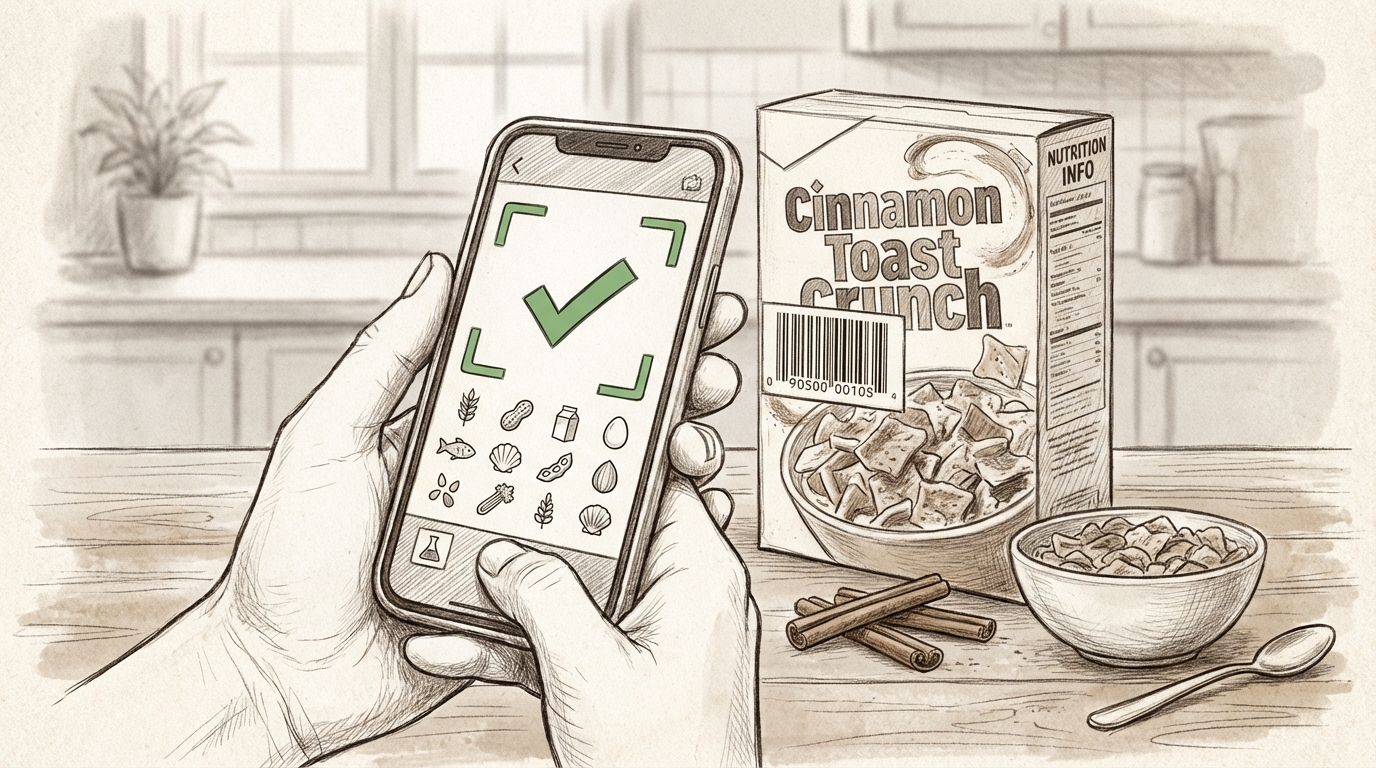
An allergy checker app allows you to scan the barcode on Cinnamon Toast Crunch boxes to instantly identify all 13 major allergens, including wheat and soy present in the cereal. These apps detect allergens, traces, additives like hydroxy stearic acid, and preservatives. Available on iOS and Android, they provide comprehensive ingredient analysis to help you make safe food choices quickly.
Does Cinnamon Toast Crunch contain gluten or wheat allergens?
Yes, Cinnamon Toast Crunch contains wheat as a primary ingredient, making it unsuitable for people with gluten intolerance or celiac disease. The cereal is not gluten-free and may also contain traces of other allergens. For those seeking gluten-free alternatives, consider using an allergen scanning app to find safe breakfast cereals that meet your dietary restrictions.
What additives and preservatives are in Cinnamon Toast Crunch nutrition info?
Cinnamon Toast Crunch contains various additives including BHT for freshness preservation, artificial flavors, and color additives like caramel color. The cereal may also contain emulsifiers and stabilizers. Using a barcode scanning app helps identify specific additives, preservatives, and compounds that might cause sensitivities, providing detailed nutrition info beyond standard labels.
How does Cinnamon Toast Crunch compare to other breakfast cereals for allergen content?
Cinnamon Toast Crunch contains wheat and soy allergens, similar to many conventional cereals. Compared to gluten-free options like Rice Chex or Corn Flakes, it poses higher allergy risks. An allergen detection app can help compare multiple cereals by scanning barcodes, identifying which products contain specific allergens, traces, and additives to support safer breakfast choices.
Can I find Cinnamon Toast Crunch nutrition info through mobile allergen apps?
Yes, allergen checker apps provide comprehensive Cinnamon Toast Crunch nutrition info by scanning the product barcode. These apps reveal detailed information including calories, macronutrients, all 13 major allergens, traces, additives, and preservatives. Available on iOS and Android, they offer instant access to nutrition data, making it easier to track dietary needs and avoid allergens.
Is Cinnamon Toast Crunch safe for people with multiple food allergies?
Cinnamon Toast Crunch contains wheat and soy allergens, making it unsafe for those with gluten or soy allergies. It may also contain traces of milk and tree nuts due to manufacturing processes. People with multiple food allergies should use an allergy checker app to scan products before purchasing, ensuring they can identify all potential allergens and make informed decisions.
What ingredients should I watch for in Cinnamon Toast Crunch nutrition info if I have sensitivities?
Key ingredients to monitor include wheat flour (gluten), soy lecithin, sugar, cinnamon, and various additives like BHT and artificial flavors. Those with sensitivities should also check for traces of milk and tree nuts. Using a dedicated allergen scanning app helps identify problematic ingredients, additives, and preservatives instantly, providing complete transparency about product composition.
Understanding Cinnamon Toast Crunch Nutrition Info: A Complete Guide

If you're searching for detailed cinnamon toast crunch nutrition info, you're likely concerned about what goes into one of America's most popular breakfast cereals. Whether you're managing food allergies, monitoring your family's sugar intake, or simply trying to make informed dietary choices, understanding the nutritional profile of Cinnamon Toast Crunch is essential for making smart breakfast decisions.
This comprehensive guide breaks down everything you need to know about Cinnamon Toast Crunch's nutritional content, from calories and macronutrients to allergens and additives. We'll examine serving sizes, ingredient lists, and how this cereal fits into various dietary restrictions.
Cinnamon Toast Crunch Nutrition Facts Breakdown

Understanding the nutritional composition of Cinnamon Toast Crunch starts with examining the standard serving size and its caloric content. The cereal's nutrition profile reveals important information for anyone tracking their daily intake.
Calories and Serving Size
A single serving of Cinnamon Toast Crunch (approximately 3/4 cup or 31 grams) contains 130 calories without milk. When you add 1/2 cup of skim milk, the total increases to 170 calories per serving.
This calorie count is relatively moderate compared to many breakfast options, but portion control remains critical. Many people pour significantly more than the recommended serving size, which can quickly double or triple the caloric intake.
| Nutrient | Amount (Cereal Only) | Amount (With Skim Milk) | % Daily Value |
|---|---|---|---|
| Calories | 130 | 170 | - |
| Total Fat | 3g | 3g | 4% |
| Saturated Fat | 0.5g | 0.5g | 3% |
| Total Carbohydrates | 25g | 31g | 11% |
| Sugars | 9g | 15g | - |
| Protein | 2g | 6g | - |
| Sodium | 210mg | 270mg | 9% |
Macronutrient Profile
The macronutrient distribution in Cinnamon Toast Crunch reveals a carbohydrate-heavy composition typical of breakfast cereals. With 25 grams of carbohydrates per serving, this cereal provides quick energy but limited protein and healthy fats.
The 9 grams of sugar per serving represents a significant portion of the recommended daily sugar intake, especially for children. When combined with milk, the sugar content increases to 15 grams, which parents should consider when managing their children's dietary restrictions.
Ingredient Analysis and Additives
Beyond basic nutrition facts, understanding the ingredient list helps consumers identify potential concerns related to additives, preservatives, and allergens. Cinnamon Toast Crunch contains several ingredients worth examining closely.
Primary Ingredients
The main ingredients in Cinnamon Toast Crunch include:
- Whole grain wheat - The primary grain component
- Sugar - Listed as the second ingredient, indicating high sugar content
- Rice flour - Adds texture and crunch
- Canola oil - Provides fat content
- Fructose - Additional sweetener
- Maltodextrin - A carbohydrate-based additive
- Dextrose - Another form of sugar
Additives and Preservatives
Like many processed foods, Cinnamon Toast Crunch contains various additives that extend shelf life and enhance flavor. Understanding these compounds helps health-conscious consumers make informed decisions.
The cereal includes BHT (butylated hydroxytoluene) for freshness preservation. While approved by food safety authorities, some consumers prefer to avoid synthetic preservatives. Additionally, the product contains various artificial flavors and colors that contribute to its distinctive appearance and taste.
For those concerned about specific chemical compounds in their food, it's worth noting that processed cereals may contain trace amounts of various substances. While Cinnamon Toast Crunch doesn't contain hydroxy stearic acid or poly carboxylic acid as primary ingredients, processed foods often undergo manufacturing processes involving various chemical compounds. Similarly, methane sulfonic acid isn't a listed ingredient but may be used in food processing equipment cleaning.
Allergen Information for Cinnamon Toast Crunch
For individuals managing food allergies or dietary restrictions, understanding the allergen profile of Cinnamon Toast Crunch is crucial. This cereal contains several common allergens that can trigger reactions in sensitive individuals.
Major Allergens Present
Cinnamon Toast Crunch contains the following major allergens:
- Wheat - The primary ingredient, making it unsuitable for those with celiac disease or gluten sensitivities
- Soy - Present in the form of soy lecithin
The cereal is manufactured in facilities that also process other allergens, creating potential cross-contamination risks. This is particularly important for individuals with severe allergies who need to avoid even trace amounts of specific ingredients.
Using an Allergy Checker App for Safety
Managing food allergies requires constant vigilance, especially when shopping for packaged foods. An allergy checker app can significantly simplify this process by quickly scanning product barcodes and identifying potential allergens.
Modern food allergy apps can detect up to 13 different allergens, traces, additives, and preservatives instantly. This technology is particularly valuable for parents managing children's dietary restrictions, as it eliminates the need to manually read every ingredient label.
Gluten Content Considerations
Cinnamon Toast Crunch is definitively NOT gluten-free, as whole grain wheat is its primary ingredient. Individuals with celiac disease or gluten sensitivities must avoid this product entirely.
For those seeking alternatives, the market now offers various gluten free wheat free beer options and snacks. While not directly related to cereal, these products demonstrate the growing availability of gluten-free alternatives across food categories. Similarly, brands have developed gluten free cheese-its style crackers for those avoiding wheat-based products.
Comparing Cinnamon Toast Crunch to Healthier Alternatives
When evaluating breakfast options, comparing Cinnamon Toast Crunch to other cereals and foods helps put its nutritional profile in perspective. Understanding these comparisons enables better dietary decisions.
Cereal Comparisons
| Cereal | Calories | Sugar (g) | Protein (g) | Fiber (g) |
|---|---|---|---|---|
| Cinnamon Toast Crunch | 130 | 9 | 2 | 2 |
| Cheerios | 100 | 1 | 3 | 3 |
| Frosted Flakes | 110 | 10 | 1 | 1 |
| Raisin Bran | 190 | 18 | 5 | 7 |
Alternative Breakfast Options
For those seeking more nutritious breakfast choices while managing dietary restrictions, several alternatives provide better nutritional profiles:
- Oatmeal - Higher fiber content and customizable sweetness levels
- Greek yogurt with fresh fruit - Significantly higher protein content
- Whole grain toast with nut butter - Better balance of protein and healthy fats
- Homemade granola - Control over sugar and ingredient quality
Those interested in bread alternatives might explore options like Ezekiel bread, though it's important to note that traditional Ezekiel bread contains gluten. For a simpler option, English muffins offer a versatile breakfast base with various nutritional profiles depending on the brand.
Cinnamon Toast Crunch and Special Diets
Understanding how Cinnamon Toast Crunch fits into various dietary approaches helps consumers make informed choices aligned with their health goals and restrictions.
Weight Management Considerations
For individuals monitoring caloric intake, Cinnamon Toast Crunch presents both advantages and challenges. At 130 calories per serving, it's not excessively high in calories, but the low protein and fiber content means it won't keep you satisfied for long.
The high sugar content can trigger blood sugar spikes followed by crashes, potentially leading to increased hunger and cravings later in the morning. This makes portion control particularly important for weight management goals.
Diabetes and Blood Sugar Management
The combination of refined carbohydrates and added sugars makes Cinnamon Toast Crunch a less-than-ideal choice for individuals managing diabetes or insulin resistance. The cereal has a relatively high glycemic index, meaning it can cause rapid increases in blood glucose levels.
Those monitoring their carbohydrate intake might benefit from using tools similar to a chipotle nutrition calculator to track their daily macronutrient consumption. While a chipotle nutrition info tool is designed for restaurant meals, the same principle of careful tracking applies to breakfast cereals.
Dairy-Free and Vegan Options
The cereal itself doesn't contain dairy products, making it suitable for lactose-intolerant individuals when consumed with plant-based milk alternatives. However, it's not entirely vegan-friendly due to potential vitamin D3 sourcing from animal products.
For those seeking gluten-free dairy-free snacks, Cinnamon Toast Crunch doesn't qualify due to its wheat content, but numerous alternative products meet both criteria.
The Impact of Added Vitamins and Minerals
Like many breakfast cereals, Cinnamon Toast Crunch is fortified with various vitamins and minerals. This fortification is often marketed as a health benefit, but understanding the context is important.
Fortification Profile
Cinnamon Toast Crunch typically includes fortification with:
- Iron - Approximately 45% of daily value per serving
- Vitamin D - Around 10% of daily value
- Thiamin (B1) - About 25% of daily value
- Riboflavin (B2) - Approximately 25% of daily value
- Niacin (B3) - Around 25% of daily value
- Vitamin B6 - About 25% of daily value
- Folic Acid - Approximately 50% of daily value
- Vitamin B12 - Around 25% of daily value
Natural vs. Fortified Nutrition
While fortification adds nutritional value, obtaining vitamins and minerals from whole food sources is generally preferable. The body often absorbs nutrients more effectively from natural sources, and whole foods provide additional beneficial compounds like antioxidants and phytonutrients.
Relying on fortified processed foods for nutritional needs can create a false sense of eating healthily while missing out on the broader benefits of whole food nutrition.
Making Informed Breakfast Choices
Armed with comprehensive cinnamon toast crunch nutrition info, consumers can make educated decisions about incorporating this cereal into their diets or choosing alternatives that better align with their health goals.
When Cinnamon Toast Crunch Might Be Acceptable
Despite its nutritional limitations, there are situations where Cinnamon Toast Crunch can fit into a balanced diet:
- Occasional treat - As an infrequent indulgence rather than daily breakfast
- Post-workout quick carbs - When rapid carbohydrate replenishment is desired
- Portion-controlled snack - When measured carefully and combined with protein sources
- Transitional food - For picky eaters gradually moving toward healthier options
Improving the Nutritional Profile
If you choose to consume Cinnamon Toast Crunch, several strategies can improve its nutritional value:
- Mix it with high-fiber, low-sugar cereal to dilute the sugar content
- Add fresh berries or sliced banana for natural sweetness and fiber
- Use unsweetened almond or soy milk to avoid adding more sugar
- Sprinkle with chia seeds or ground flaxseed for omega-3 fatty acids
- Pair with a protein source like Greek yogurt or hard-boiled eggs
Reading Labels and Tracking Nutrition
Developing strong label-reading skills empowers consumers to make better food choices across all categories. Understanding serving sizes, ingredient order, and nutritional claims helps cut through marketing hype.
For comprehensive nutritional tracking, consider using dedicated apps that help monitor not just calories but also allergens and additives. Similar to how you might use chipotle nutrition calculator tools to understand restaurant meal composition, cereal tracking requires the same attention to detail.
Yogurt Alternatives for Breakfast
For those reconsidering their breakfast choices, yogurt presents an interesting alternative worth exploring. Understanding products like Yoplait yogurt and their nutritional profiles helps identify whether they offer better options than sugary cereals.
Yogurt typically provides significantly more protein than Cinnamon Toast Crunch, with many varieties offering 12-15 grams per serving compared to the cereal's 2 grams. However, flavored yogurts can contain as much or more sugar than sweetened cereals, making label comparison essential.
Balancing Convenience and Nutrition
The appeal of ready-to-eat cereals lies largely in their convenience. Busy mornings often don't allow time for elaborate breakfast preparation, making quick options attractive despite nutritional compromises.
Finding the right balance between convenience and nutrition requires planning. Preparing overnight oats, making breakfast burritos in advance, or having pre-portioned yogurt parfaits ready can provide healthier alternatives without sacrificing time.
The Role of Technology in Managing Food Choices
Modern technology has revolutionized how consumers manage dietary restrictions and make informed food choices. Smartphone apps now provide instant access to comprehensive nutritional information and allergen data.
Scanning for Safety and Nutrition
Instead of manually reading every ingredient label and nutrition facts panel, technology enables quick barcode scanning that instantly reveals:
- Complete allergen information across 13 major categories
- Presence of additives and preservatives
- Detailed nutritional breakdown
- Trace ingredient warnings
- Alternative product suggestions
This technology proves particularly valuable when shopping for family members with multiple dietary restrictions or when exploring new products in unfamiliar categories.
Comprehensive Nutritional Tracking
Beyond individual product scanning, comprehensive nutrition apps help users understand their overall dietary patterns. This holistic view reveals whether occasional treats like Cinnamon Toast Crunch fit within broader nutritional goals.
Tracking tools similar to those used for calculating restaurant nutrition (like a chipotle nutrition info tracker) can be applied to breakfast cereals and other packaged foods, creating a complete picture of daily nutrient intake.
Conclusion: Making Smart Breakfast Decisions
Understanding cinnamon toast crunch nutrition info reveals a product that, while tasty and convenient, presents significant nutritional limitations. With high sugar content, minimal protein and fiber, and the presence of additives and allergens, this cereal represents more of an occasional treat than a nutritious daily breakfast option.
For individuals managing food allergies, dietary restrictions, or simply seeking healthier breakfast choices, awareness of complete nutritional profiles and ingredient lists is essential. The presence of wheat and soy allergens makes Cinnamon Toast Crunch unsuitable for many people with common food sensitivities.
The good news is that modern technology makes managing these dietary concerns easier than ever. Rather than spending valuable time deciphering ingredient labels and calculating nutritional values, you can access instant, comprehensive information at your fingertips.
Ready to take control of your family's nutrition and allergen management? Download Nutrict today and start scanning products to instantly identify allergens, additives, and preservatives. With support for 13 major allergens and detailed nutritional information, Nutrict helps you make confident food choices in seconds. Whether you're managing celiac disease, multiple food allergies, or simply want to avoid certain additives, our app provides the information you need to shop safely and eat well. Get started with Nutrict now and transform how you navigate the grocery store.
Article created using IntentRank