Basmati Rice Nutrition Facts: Complete Guide & Health Benefi
TL;DR: Basmati rice nutrition includes approximately 200 calories per cooked cup, with 45g carbohydrates, 4g protein, and minimal fat. This aromatic long-grain rice provides essential B vitamins, iron, and magnesium while being naturally gluten-free and low in sodium, making it a nutritious choice for balanced diets and those monitoring allergens.
Frequently Asked Questions

What is basmati rice nutrition and how many calories does it contain?
Basmati rice nutrition includes approximately 200 calories per cooked cup (160g), with 45g carbohydrates, 4g protein, and minimal fat. It provides essential nutrients like thiamine, niacin, and folate. White basmati has a lower fiber content than brown basmati, which retains the bran layer and offers 3g fiber per serving along with additional minerals.
Is basmati rice gluten free and safe for celiac disease?
Yes, basmati rice is naturally gluten free and safe for people with celiac disease or gluten sensitivity. Like all rice varieties, basmati contains no gluten proteins found in wheat, barley, or rye. However, always check packaging for cross-contamination warnings if processed in facilities that handle gluten-containing grains.
How can I check for allergens in basmati rice products using an app?
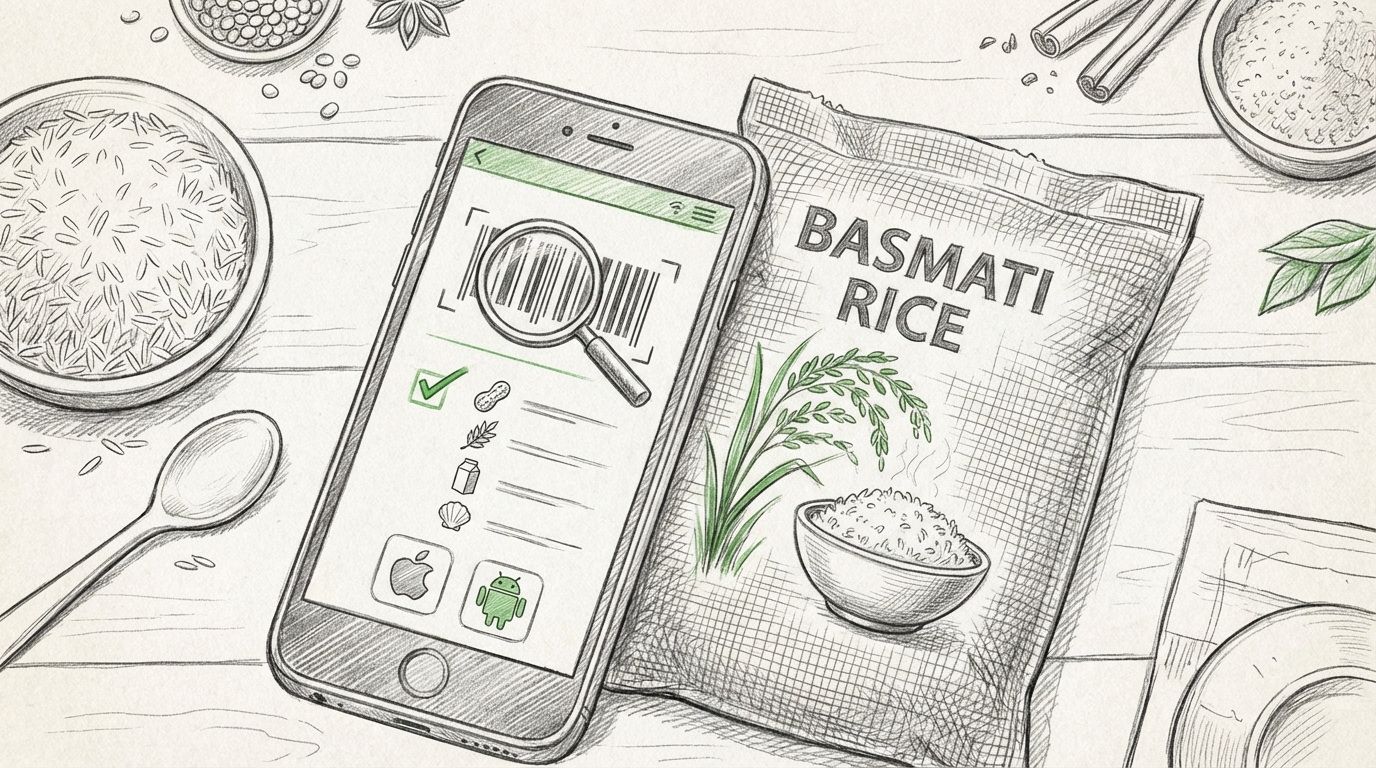
An allergy checker app allows you to scan basmati rice product barcodes to instantly detect 13 different allergens, traces, additives like e202 potassium sorbate, and preservatives. These apps, available on iOS and Android, help identify cross-contamination risks and food additives, making grocery shopping safer for people with allergies or dietary restrictions.
What are the nutritional differences between basmati rice and quinoa?
Basmati rice contains more calories (200 per cup) than quinoa (222 per cup) but less protein. Quinoa is gluten free and provides complete protein with all essential amino acids, plus higher fiber and minerals. Basmati rice has a lower glycemic index than regular rice and cooks faster. Both are excellent allergen-friendly grain alternatives.
Can I include basmati rice in healthy snack ideas for weight loss?
Basmati rice can support weight loss when portioned correctly due to its lower glycemic index compared to other rice varieties. Prepare small portions (1/2 cup cooked) combined with vegetables and lean protein. Brown basmati is preferable for weight loss as its higher fiber content promotes satiety and better blood sugar control.
How do I calculate basmati rice nutrition when dining at restaurants?
Use nutrition calculators like the Chipotle nutrition calculator to estimate basmati rice calories and macros when dining out. Most restaurants serve 1-1.5 cups cooked rice per portion (200-300 calories). Many restaurant chains now provide detailed nutritional information online or through apps, helping you track allergens, additives, and calorie content accurately.
Does basmati rice contain any additives or preservatives like e202 potassium sorbate?
Plain basmati rice typically contains no additives or preservatives. However, pre-packaged or flavored basmati rice products may include preservatives like e202 potassium sorbate, poly carboxylic acid, or other food additives. Always scan product barcodes with an allergen checker app to identify any added chemicals, preservatives, or potential allergens before purchasing.
What restaurants that are gluten free serve basmati rice dishes?
Many gluten free restaurants serve basmati rice as a safe grain option, including Indian, Mediterranean, and Middle Eastern establishments. Chain restaurants like Chipotle offer basmati or white rice as gluten free bases. Always verify with staff about cross-contamination risks and use allergen checker apps to confirm specific menu items meet your dietary requirements.
Understanding Basmati Rice Nutrition: A Complete Guide

When it comes to healthy grain options, basmati rice nutrition stands out as a topic of interest for health-conscious consumers and those managing dietary restrictions. This aromatic, long-grain rice variety has been a staple in South Asian cuisine for centuries, but its nutritional profile makes it relevant for modern dietary needs.
Basmati rice offers a unique combination of nutritional benefits that distinguish it from other rice varieties. Whether you're managing food allergies, tracking calories, or simply seeking healthier meal options, understanding what basmati rice brings to your plate is essential.
In this comprehensive guide, we'll explore the complete nutritional breakdown of basmati rice, compare white versus brown varieties, examine its role in allergen-free diets, and provide practical insights for incorporating this grain into your meal planning.
Complete Nutritional Breakdown of Basmati Rice

Macronutrient Profile
Basmati rice provides a balanced macronutrient composition that makes it suitable for various dietary approaches. A standard serving of cooked white basmati rice (approximately 1 cup or 158 grams) contains specific nutritional values that are important to understand.
| Nutrient | White Basmati | Brown Basmati |
|---|---|---|
| Calories | 191 kcal | 216 kcal |
| Carbohydrates | 41.5g | 44.8g |
| Protein | 4.0g | 5.0g |
| Fat | 0.5g | 1.8g |
| Fiber | 0.7g | 3.5g |
| Sugar | 0g | 0.7g |
Micronutrient Content
Beyond macronutrients, basmati rice provides essential vitamins and minerals. Brown basmati rice retains more micronutrients due to its intact bran layer, offering higher levels of B vitamins, magnesium, and selenium.
- Thiamin (Vitamin B1): Supports energy metabolism and nervous system function
- Niacin (Vitamin B3): Essential for cellular energy production
- Magnesium: Important for muscle function and bone health
- Selenium: Acts as an antioxidant and supports thyroid function
- Manganese: Plays a role in bone formation and nutrient metabolism
Glycemic Index Considerations
One of the most significant nutritional advantages of basmati rice is its lower glycemic index compared to other rice varieties. White basmati rice has a glycemic index of approximately 50-58, while brown basmati sits even lower at 45-50.
This lower glycemic response means basmati rice causes a more gradual rise in blood sugar levels. This characteristic makes it particularly suitable for individuals managing diabetes or those following healthy snack ideas for weight loss strategies.
Basmati Rice and Food Allergies: What You Need to Know
Allergen-Free Profile
For individuals managing food allergies and dietary restrictions, basmati rice offers significant advantages. Rice is naturally free from the most common food allergens, making it a safe choice for many people with dietary sensitivities.
Basmati rice is naturally free from:
- Gluten (making it suitable for celiac disease and gluten sensitivity)
- Dairy and milk proteins
- Eggs
- Tree nuts and peanuts
- Soy
- Fish and shellfish
However, cross-contamination during processing can occur. Using an allergy checker app can help verify that specific brands maintain proper allergen controls in their facilities.
Gluten-Free Benefits
Similar to questions like is quinoa gluten free, basmati rice is definitively gluten-free. This makes it an excellent alternative to wheat-based grains for those with celiac disease or gluten sensitivities.
When dining out at restaurants that are gluten free, basmati rice often serves as a safe base for many dishes. It's commonly used in South Asian, Middle Eastern, and fusion cuisines as a naturally gluten-free option.
Additives and Preservatives
Plain basmati rice typically contains no additives or preservatives. However, some packaged or pre-seasoned varieties may include ingredients like e202 potassium sorbate as a preservative.
When purchasing basmati rice products, checking labels for additives is important. The best food allergy app options can scan barcodes to identify any added preservatives or processing aids that might concern sensitive individuals.
Comparing Basmati Rice to Other Grains
Basmati vs. Regular White Rice
Basmati rice differs significantly from standard white rice varieties in both nutrition and culinary properties. The longer grain structure and unique aromatic compounds set it apart texturally and nutritionally.
| Characteristic | Basmati Rice | Jasmine Rice | Standard White Rice |
|---|---|---|---|
| Glycemic Index | 50-58 | 68-80 | 70-75 |
| Fiber (per cup) | 0.7g | 0.6g | 0.6g |
| Amylose Content | High (22-25%) | Low (15-20%) | Medium (18-22%) |
| Cooking Time | 15-20 min | 12-15 min | 15-18 min |
Nutritional Advantages Over Processed Grains
When compared to highly processed grain products, basmati rice maintains more of its natural nutritional integrity. Unlike products containing hydroxy stearic acid or poly carboxylic acid as processing agents, plain basmati rice remains a whole food with minimal intervention.
The absence of chemical processing agents like methane sulfonic acid, which may be used in industrial grain processing, makes basmati rice a cleaner option for health-conscious consumers.
Health Benefits of Basmati Rice
Weight Management Support
Despite being a carbohydrate source, basmati rice can support weight management goals when consumed appropriately. Its lower glycemic index helps maintain stable blood sugar levels, which can reduce cravings and support satiety.
For those seeking healthy snack ideas for weight loss, pairing small portions of basmati rice with protein and vegetables creates balanced mini-meals that support metabolic health.
Digestive Health
Brown basmati rice, with its higher fiber content, supports digestive health by promoting regular bowel movements and feeding beneficial gut bacteria. The resistant starch formed when basmati rice is cooled and reheated also provides prebiotic benefits.
- Supports healthy gut microbiome
- Promotes regular digestion
- May reduce inflammation in the digestive tract
- Provides sustained energy without digestive distress
Heart Health Considerations
The low fat content and absence of cholesterol make basmati rice heart-friendly. Brown basmati rice provides additional cardiovascular benefits through its magnesium content, which supports healthy blood pressure regulation.
When preparing basmati rice without added fats or excessive sodium, it becomes part of a heart-healthy dietary pattern that can support long-term cardiovascular wellness.
Practical Tips for Cooking and Consuming Basmati Rice
Optimal Cooking Methods
Proper preparation maximizes both the nutritional value and culinary quality of basmati rice. The cooking method affects texture, nutrient retention, and even the glycemic response.
- Rinse thoroughly: Wash rice 2-3 times to remove excess starch and any surface contaminants
- Soak before cooking: A 30-minute soak reduces cooking time and improves texture
- Use proper water ratio: 1.5 cups water per 1 cup rice for white basmati; 2 cups for brown
- Avoid overcooking: Cook until tender but not mushy to preserve nutritional integrity
Portion Control Guidelines
Understanding appropriate serving sizes helps integrate basmati rice into balanced meal plans. Similar to tracking nutrition with tools like a chipotle nutrition calculator for restaurant meals, measuring rice portions ensures accurate calorie and carbohydrate intake.
| Activity Level | Cooked Rice Portion | Approximate Calories |
|---|---|---|
| Sedentary | 1/2 cup (79g) | 95-108 kcal |
| Moderately Active | 3/4 cup (118g) | 143-162 kcal |
| Very Active | 1 cup (158g) | 191-216 kcal |
Meal Pairing Strategies
Combining basmati rice with complementary foods creates nutritionally complete meals. Pairing rice with protein sources and vegetables balances the macronutrient profile and adds essential micronutrients.
Consider these balanced combinations:
- Basmati rice with grilled chicken, roasted vegetables, and tahini sauce
- Brown basmati rice bowl with black beans, avocado, and salsa
- Vegetable biryani with basmati rice, mixed vegetables, and yogurt (or dairy-free alternative)
- Stir-fried tofu with basmati rice and Asian vegetables
Special Dietary Considerations
Basmati Rice for Diabetes Management
The lower glycemic index of basmati rice makes it a superior choice for individuals managing blood sugar levels. When compared to other carbohydrate sources, basmati rice produces a more moderate insulin response.
For optimal blood sugar management, pair basmati rice with fiber-rich vegetables, lean proteins, and healthy fats. This combination further slows carbohydrate absorption and promotes stable glucose levels throughout the day.
Celiac Disease and Gluten-Free Diets
Just as consumers ask is Ezekiel bread gluten free, understanding which grains are safe for celiac disease is crucial. Basmati rice is naturally gluten-free and safe for those with celiac disease or non-celiac gluten sensitivity.
When seeking alternatives to wheat-based products, basmati rice can replace pasta, couscous, and bulgur in many recipes. It pairs well with gluten free wheat free beer options for those maintaining strict gluten-free lifestyles.
Vegan and Vegetarian Nutrition
Basmati rice serves as an excellent foundation for plant-based diets. When combined with legumes, it provides complementary amino acids that form complete proteins.
Plant-based eaters can use basmati rice similarly to how they might explore gluten free dairy free snacks, creating satisfying meals without animal products while meeting nutritional needs.
Selecting and Storing Basmati Rice
Quality Indicators
Choosing high-quality basmati rice ensures better nutrition, flavor, and cooking results. Look for these quality markers when purchasing:
- Grain length: True basmati should have long, slender grains
- Age: Aged basmati (1-2 years) develops better aroma and texture
- Purity: Check for minimal broken grains and no discoloration
- Certification: Look for authentic basmati certification from recognized authorities
Proper Storage Methods
Correct storage preserves the nutritional quality and prevents contamination. Store basmati rice in airtight containers in cool, dry locations away from direct sunlight.
Uncooked basmati rice can last 1-2 years when stored properly. Cooked rice should be refrigerated within 2 hours and consumed within 3-4 days to prevent bacterial growth.
Organic vs. Conventional
Organic basmati rice avoids synthetic pesticides and fertilizers, which appeals to health-conscious consumers concerned about chemical residues. While both conventional and organic basmati provide similar nutritional profiles, organic options may contain fewer pesticide residues.
Using an allergy checker app can help identify whether specific brands use organic certification and maintain rigorous quality standards.
Common Questions About Basmati Rice Nutrition
Is Basmati Rice Suitable for Daily Consumption?
Basmati rice can be part of a healthy daily diet when consumed in appropriate portions. Its lower glycemic index and nutrient profile make it more suitable for regular consumption than many other refined grains.
However, dietary variety remains important. Rotating basmati rice with other whole grains like quinoa, brown rice, and ancient grains ensures a broader spectrum of nutrients.
Does Basmati Rice Contain Arsenic?
Like all rice varieties, basmati can contain trace amounts of arsenic absorbed from soil and water. However, basmati rice, particularly varieties grown in the Himalayan region, typically contains lower arsenic levels than rice grown in other regions.
To minimize arsenic exposure, rinse rice thoroughly before cooking and use excess water that's drained after cooking. This method can reduce arsenic content by 30-50%.
Can Basmati Rice Support Athletic Performance?
Athletes and active individuals can benefit from basmati rice as a carbohydrate source for energy. Its moderate glycemic index provides sustained energy without the rapid blood sugar spikes associated with simple carbohydrates.
Post-workout, basmati rice helps replenish glycogen stores when paired with protein sources. This combination supports muscle recovery and prepares the body for subsequent training sessions.
Comparing Nutrition Tracking Methods
Manual Tracking vs. Digital Tools
Understanding basmati rice nutrition is easier with modern tracking tools. While manual calorie counting works, digital solutions provide more comprehensive nutritional insights.
Just as a chipotle nutrition calculator helps diners make informed restaurant choices, food tracking apps can log basmati rice portions and calculate their contribution to daily nutritional goals.
Scanning Technology for Complete Nutrition
Modern technology makes tracking basmati rice nutrition simpler than ever. Apps that scan barcodes can instantly provide detailed nutritional information, allergen warnings, and additive content.
The Nutrict food allergy scanner app offers comprehensive scanning capabilities that identify not just nutritional content but also detect 13 different allergens, traces, additives like e202 potassium sorbate, and preservatives in packaged foods.
Making Informed Dietary Choices
Understanding basmati rice nutrition empowers you to make informed dietary decisions that align with your health goals and dietary restrictions. Whether you're managing food allergies, tracking calories for weight management, or simply seeking nutritious whole food options, basmati rice offers versatility and nutritional benefits.
The key to maximizing basmati rice's nutritional value lies in proper preparation, appropriate portion control, and thoughtful meal pairing. By combining basmati rice with diverse protein sources, vegetables, and healthy fats, you create balanced meals that support overall health.
For individuals managing food allergies or sensitivities, basmati rice provides a safe, allergen-free foundation for countless meals. Its naturally gluten-free status and minimal processing make it suitable for even the most restrictive dietary protocols.
Remember that while basmati rice offers numerous nutritional advantages, dietary variety remains essential for optimal health. Rotate different grains, explore various preparation methods, and listen to your body's unique nutritional needs.
Ready to take control of your food choices and easily identify allergens in everything you eat? Download the Nutrict app today to scan barcodes, detect allergens, and make confident decisions about the foods you bring into your home. With support for 13 different allergens and comprehensive additive detection, Nutrict helps you navigate food choices with confidence—whether you're shopping for basmati rice or any other packaged product.
Article created using IntentRank