Shake Shack Nutrition Info: Complete Menu Guide 2024
TL;DR: Shake Shack nutrition info is available on their website and mobile app, detailing calories, fat, protein, carbs, and sodium for all menu items. Burgers range from 390-760 calories, while shakes contain 470-760 calories. The brand also provides comprehensive allergen information for customers with dietary restrictions, helping you make informed choices.
Frequently Asked Questions

What is the nutritional information for Shake Shack burgers?
Shake Shack burgers vary in calories and nutrition. A classic ShackBurger contains approximately 530 calories, 32g fat, 31g carbs, and 27g protein. The SmokeShack has about 630 calories, while a Double ShackBurger reaches 770 calories. Nutritional values include sodium ranging from 1,000-1,500mg per burger. For accurate allergen and nutritional details, scanning barcodes with allergen detection apps helps identify specific ingredients and dietary concerns.
How can I find allergen information for Shake Shack menu items?
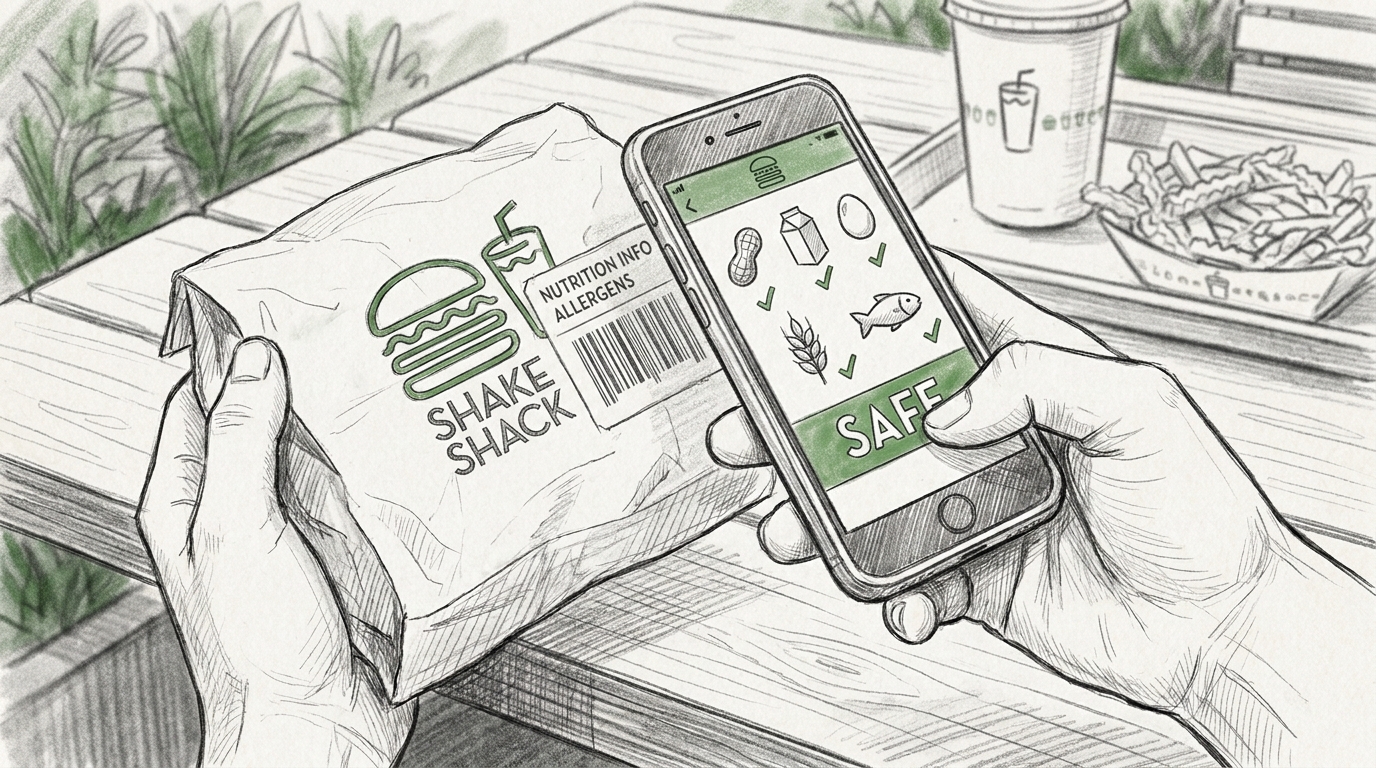
Shake Shack provides allergen information on their website and in-store materials, covering the 14 major allergens including gluten, dairy, eggs, and soy. For precise allergen detection, mobile apps that scan product barcodes can identify allergens, traces, additives, and preservatives in real-time. These tools are especially helpful for customers with severe allergies or dietary restrictions who need to verify ingredients before ordering.
Are there gluten-free options at Shake Shack?
Shake Shack offers limited gluten-free options. You can order burgers without the bun or request a lettuce wrap. However, cross-contamination is possible due to shared cooking surfaces and fryers. Shake Shack does not have a dedicated gluten-free bakery section or certified gluten-free buns. Customers with celiac disease should use allergen scanning apps to verify ingredients and consult staff about preparation methods to minimize cross-contact risks.
What are the lowest calorie items on the Shake Shack menu?
The lowest calorie options at Shake Shack include the Hamburger (around 390 calories), Shack-cago Dog (310 calories), and side salads (approximately 70-120 calories without dressing). Grilled chicken sandwiches without mayo contain roughly 400 calories. For beverages, unsweetened iced tea and water have zero calories. Customizing orders by removing cheese, sauce, or choosing lettuce wraps can significantly reduce calorie counts while maintaining flavor.
How many calories are in Shake Shack fries and shakes?
Shake Shack regular fries contain approximately 470 calories with 22g fat and 63g carbs. Cheese fries add about 590 total calories. Shakes are calorie-dense, ranging from 580-900 calories depending on size and flavor. A regular chocolate shake has around 690 calories, while specialty shakes can exceed 800 calories. These items are high in saturated fat and sugar, making them occasional treats rather than everyday choices.
Does Shake Shack provide a nutrition calculator like Chipotle?
Shake Shack does not currently offer an interactive nutrition calculator like Chipotle's customization tool. However, their website provides complete nutritional information including calories, fat, protein, carbs, and sodium for all menu items. Third-party nutrition apps and allergen scanning tools can help calculate totals when customizing orders. These mobile applications allow users to track macros, identify allergens, and make informed dietary decisions when dining at Shake Shack.
What additives and preservatives are in Shake Shack food?
Shake Shack emphasizes natural ingredients but some items contain preservatives and additives. Buns may include dough conditioners and preservatives for freshness. Processed cheese contains emulsifiers and stabilizers. Sauces and dressings often have additives for texture and shelf life. To identify specific additives and preservatives, allergen detection apps that scan barcodes provide detailed ingredient breakdowns, helping customers with sensitivities or those seeking cleaner eating options make informed choices.
How does Shake Shack nutrition compare to Taco Bell and Texas Roadhouse?
Shake Shack's nutrition is comparable to other fast-casual chains but varies by item. A ShackBurger (530 calories) is similar to Taco Bell's Crunchwrap Supreme (540 calories) but lower than Texas Roadhouse's burgers (800-1,200 calories). Shake Shack generally has higher sodium content than Taco Bell but fewer calories than full-service restaurants. Each chain offers different customization options, so using nutrition calculators or allergen scanning apps helps compare specific meals accurately.
Understanding Shake Shack Nutrition Info: Your Complete Guide

When you're craving a delicious burger or shake but need to manage dietary restrictions, having accurate Shake Shack nutrition info becomes essential. Whether you're tracking calories, avoiding allergens, or simply making informed choices, understanding what's in your favorite Shake Shack menu items can help you enjoy your meal with confidence.
Shake Shack has become a beloved fast-casual dining destination, but navigating their menu with food allergies or specific dietary needs requires careful attention. This comprehensive guide breaks down everything you need to know about Shake Shack's nutritional content, allergen information, and how to make smart choices that align with your health goals.
From calorie counts to allergen warnings, we'll explore how Shake Shack's offerings compare to other popular chains and provide practical tips for managing your dietary requirements while still enjoying their signature items.
Complete Shake Shack Nutrition Breakdown

Signature Burgers and Sandwiches
Shake Shack's burgers are the star of the menu, but they pack varying nutritional profiles depending on your choices. Understanding these differences helps you make informed decisions based on your dietary needs.
| Menu Item | Calories | Total Fat (g) | Protein (g) | Carbs (g) |
|---|---|---|---|---|
| ShackBurger | 540 | 30 | 29 | 40 |
| SmokeShack | 630 | 38 | 35 | 40 |
| Shroom Burger | 550 | 30 | 16 | 54 |
| Hamburger | 390 | 19 | 23 | 32 |
The classic ShackBurger contains 540 calories, making it a moderate choice compared to other fast-food options. If you're comparing this to similar chains, understanding Chipotle nutrition info or checking chipotle nutrition calculator tools can help you make cross-chain comparisons.
Chicken Options and Lighter Choices
For those seeking alternatives to beef, Shake Shack offers chicken options that provide different nutritional profiles. The Chick'n Shack contains approximately 550 calories with 23 grams of protein.
- Chick'n Shack: 550 calories, 23g protein, 32g fat
- Avocado Bacon Chicken: 640 calories, 31g protein, 36g fat
- Grilled Chicken Sandwich: 480 calories, 35g protein, 21g fat
Similar to how you might analyze chicken salad nutrition info, understanding the preparation method significantly impacts the nutritional content of Shake Shack's chicken offerings.
Hot Dogs and Flat-Top Dogs
Shake Shack's hot dogs provide a nostalgic alternative with their own nutritional considerations. A classic Shack-cago Dog contains approximately 390 calories and 22 grams of fat.
The flat-top preparation method adds a distinctive char while maintaining the all-beef composition. These options contain fewer calories than most burgers but can be high in sodium, with some varieties exceeding 1,200mg per serving.
Shake Shack Allergen Information
Common Allergens in Shake Shack Menu Items
Managing food allergies at Shake Shack requires vigilance, as many menu items contain multiple common allergens. Understanding which items contain wheat, dairy, eggs, and soy helps you navigate the menu safely.
| Food Category | Contains Gluten | Contains Dairy | Contains Eggs | Contains Soy |
|---|---|---|---|---|
| Standard Buns | Yes | Yes | Yes | Yes |
| Cheese | No | Yes | No | No |
| ShackSauce | No | Yes | Yes | Yes |
| Beef Patty | No | No | No | No |
| Fries | No | No | No | Possible |
For those managing celiac disease or gluten sensitivities, Shake Shack's standard menu presents challenges. Unlike naturally gluten-free foods like grits or certain tortilla chips, most Shake Shack items contain wheat-based ingredients.
Gluten-Free Options at Shake Shack
Shake Shack offers a gluten-free bun option at most locations, but cross-contamination remains a significant concern. The gluten-free bun itself is prepared separately, but the cooking surfaces and preparation areas are shared.
If you're searching for truly safe gluten-free foods snacks or options from a dedicated gluten free bakery, Shake Shack may not meet strict celiac requirements. The kitchen environment doesn't provide the separation needed for severe gluten allergies.
- Gluten-free bun available upon request
- Lettuce wrap option for bunless burgers
- Most protein options are naturally gluten-free
- Cross-contamination risk remains high
Dairy and Egg Allergies
Dairy allergies present significant challenges at Shake Shack, as cheese, custard, and ShackSauce all contain milk products. The signature shakes and frozen custard are entirely dairy-based.
For egg allergies, the standard buns, ShackSauce, and several other condiments contain eggs. Requesting modifications like removing sauce and using a lettuce wrap can help, but always communicate your allergies clearly to staff.
Shake Shack Sides and Fries Nutrition
French Fries and Calorie Content
Shake Shack's crinkle-cut fries are cooked in canola oil and contain no gluten ingredients, though cross-contamination is possible. A regular order of fries contains approximately 470 calories and 23 grams of fat.
Compared to a baked potato calories count, which typically ranges from 160-280 calories for a plain potato, Shake Shack's fries are significantly higher in both calories and fat due to the frying process.
| Size | Calories | Total Fat (g) | Sodium (mg) | Carbs (g) |
|---|---|---|---|---|
| Regular | 470 | 23 | 520 | 60 |
| Large | 710 | 35 | 780 | 90 |
Cheese Fries and Loaded Options
Adding cheese sauce to your fries increases the calorie count significantly. Cheese fries contain approximately 630 calories for a regular size, adding 160 calories from the cheese sauce alone.
The bacon cheese fries climb even higher, reaching approximately 760 calories with added saturated fat and sodium. These loaded options should be considered occasional treats rather than regular choices if you're monitoring caloric intake.
Shakes and Frozen Custard Nutrition Facts
Classic Shake Nutritional Content
Shake Shack's signature frozen custard shakes are indulgent treats with substantial caloric content. A regular chocolate shake contains approximately 690 calories and 33 grams of fat.
- Vanilla Shake (Regular): 640 calories, 31g fat, 79g sugar
- Chocolate Shake (Regular): 690 calories, 33g fat, 85g sugar
- Strawberry Shake (Regular): 670 calories, 31g fat, 84g sugar
- Black & White Shake (Regular): 760 calories, 36g fat, 95g sugar
The sugar content in these shakes is particularly noteworthy, with most varieties containing over 75 grams of sugar per regular serving. This exceeds the American Heart Association's recommended daily sugar intake in a single beverage.
Frozen Custard Concrete Nutrition
Shake Shack's concretes—thick frozen custard mixed with various toppings—represent the highest-calorie items on the menu. These desserts can exceed 1,000 calories depending on the mix-ins selected.
A regular Birthday Cake concrete contains approximately 1,020 calories with 51 grams of fat. The Peanut Butter & Fudge concrete reaches similar levels, making these truly special-occasion indulgences.
Comparing Shake Shack to Other Fast-Casual Chains
Shake Shack vs. Chipotle Nutrition
When comparing fast-casual options, understanding how Shake Shack stacks up against competitors helps inform your dining choices. Using a chipotle nutrition calculator reveals that Chipotle bowls can range from 400 to over 1,200 calories depending on customization.
The chipotle calorie count for a standard chicken bowl with rice, beans, and moderate toppings averages around 750 calories—higher than a basic Shake Shack burger but potentially more filling and nutrient-dense with vegetables and fiber.
| Chain | Signature Item | Calories | Protein (g) | Customization Options |
|---|---|---|---|---|
| Shake Shack | ShackBurger | 540 | 29 | Limited |
| Chipotle | Chicken Bowl | 750 | 42 | Extensive |
| Five Guys | Cheeseburger | 840 | 43 | Moderate |
| In-N-Out | Cheeseburger | 480 | 22 | Limited |
Shake Shack vs. Taco Bell and Texas Roadhouse
Examining taco bell nutrition info shows that many Taco Bell items fall in the 300-500 calorie range, making them lower-calorie options compared to Shake Shack's burgers. However, sodium content at Taco Bell tends to be significantly higher.
Looking at texas roadhouse nutrition info reveals that sit-down restaurant portions are typically much larger. A Texas Roadhouse burger with sides can easily exceed 1,500 calories, making Shake Shack appear more moderate by comparison.
The key difference lies in portion control and menu focus. Shake Shack's smaller portions and focused menu make calorie management more straightforward than all-you-can-eat bread baskets and oversized entrees at traditional restaurants.
Making Healthier Choices at Shake Shack
Lower-Calorie Menu Modifications
Strategic modifications can significantly reduce the caloric impact of your Shake Shack meal without sacrificing flavor. Simple swaps make a substantial difference in your overall nutritional intake.
- Order a single patty instead of double to save 200+ calories
- Skip the cheese to eliminate 100 calories and reduce saturated fat
- Request a lettuce wrap instead of a bun to cut 150-200 calories
- Choose water or unsweetened iced tea instead of lemonade or shakes
- Share fries instead of ordering your own to halve the calorie load
These modifications work similarly to how you might approach other chains. Just as you'd use a Chipotle nutrition calculator to optimize your bowl, applying strategic thinking to Shake Shack orders helps manage nutritional intake.
Protein-Forward, Lower-Carb Options
For those following low-carb or keto-style eating patterns, Shake Shack can accommodate your needs with modifications. Ordering a burger with a lettuce wrap eliminates most carbohydrates while maintaining protein content.
While Shake Shack doesn't offer specialty breads with no carbs like some dedicated low-carb establishments, the lettuce wrap option provides a viable alternative. The beef patties themselves are carb-free and provide substantial protein.
Consider ordering:
- Double burger patty with lettuce wrap (no bun)
- Add extra vegetables like lettuce, tomato, and onion
- Use mustard instead of ShackSauce to reduce sugar and calories
- Skip the fries and request a side salad if available
Managing Portions and Frequency
The most effective strategy for enjoying Shake Shack while maintaining health goals involves portion awareness and frequency management. Treating Shake Shack as an occasional indulgence rather than a regular meal option helps balance enjoyment with nutrition.
Consider splitting a meal with a companion, ordering just a burger without sides, or planning your other meals on Shake Shack days to be lighter and more vegetable-focused. This balanced approach allows for flexibility without derailing overall health objectives.
Using Technology to Track Shake Shack Nutrition
Allergen Scanning and Tracking Apps
Modern technology makes managing dietary restrictions and tracking nutrition easier than ever. Using an allergy checker app helps you quickly identify potential allergens before ordering.
Apps like Allerwise allow you to scan barcodes and identify 14 different allergens, traces, additives, and preservatives in products. While you can't scan restaurant menu items directly, these tools help you understand ingredient labels and make informed decisions about packaged foods.
For restaurant dining, checking the chain's official allergen menu online before visiting helps you plan your order. Most major chains, including Shake Shack, provide detailed allergen information on their websites.
Nutrition Tracking and Meal Planning
Integrating Shake Shack meals into comprehensive nutrition tracking apps like MyFitnessPal, Lose It!, or Cronometer provides accountability and awareness. These apps contain Shake Shack's menu items with accurate nutritional data.
Pre-logging your Shake Shack meal before visiting helps you see how it fits into your daily targets. This proactive approach prevents surprise calorie overages and allows you to adjust other meals accordingly.
- Log your intended order before arriving at the restaurant
- Review how the meal impacts your daily calorie and macro targets
- Adjust your order if needed based on the nutritional data
- Track your actual order after eating for accurate records
Special Dietary Considerations at Shake Shack
Vegetarian and Vegan Options
Vegetarians have limited but viable options at Shake Shack, primarily centered around the Shroom Burger—a fried portobello mushroom filled with cheese. This option contains 550 calories and provides a meat-free alternative.
Vegans face significant challenges at Shake Shack, as most items contain dairy, eggs, or both. The fries are cooked in vegetable oil and don't contain animal products in the ingredients, but cross-contamination with other menu items is likely.
Currently, Shake Shack doesn't offer a dedicated vegan burger or plant-based protein option at most locations, limiting choices for strict vegans primarily to fries and beverages.
Low-Sodium Dining Strategies
Sodium content at Shake Shack can be substantial, with many burgers containing 800-1,200mg of sodium—up to half the recommended daily intake. Managing sodium requires careful menu navigation and modifications.
| Menu Item | Sodium (mg) | % Daily Value |
|---|---|---|
| ShackBurger | 1,120 | 49% |
| SmokeShack | 1,470 | 64% |
| Regular Fries | 520 | 23% |
| Chick'n Shack | 1,240 | 54% |
To reduce sodium intake, request no added salt on fries, skip pickles and other high-sodium toppings, and avoid bacon and cheese which contribute significant sodium. Drinking plenty of water with your meal helps manage sodium's effects.
Diabetic-Friendly Choices
Managing blood sugar at Shake Shack requires attention to carbohydrate content and glycemic load. The combination of refined carbohydrates in buns and sugary beverages can cause significant blood sugar spikes.
Diabetics should consider ordering burgers with lettuce wraps to eliminate the bun's 30-40 grams of carbohydrates. Avoiding shakes and sugary beverages is essential, as these contain 75-95 grams of fast-acting sugars.
Pairing protein with a small portion of fries rather than a full order helps moderate carbohydrate intake while still allowing some enjoyment of Shake Shack's signature items.
Shake Shack Nutrition for Active Lifestyles
Post-Workout Meal Considerations
For athletes and active individuals, Shake Shack can serve as a post-workout meal with adequate protein and calories for recovery. A double ShackBurger provides approximately 50 grams of protein, supporting muscle repair.
The combination of protein and carbohydrates in a burger and fries aligns with post-exercise nutrition principles, though the high fat content slows digestion. Timing matters—immediately post-workout, faster-digesting options may be preferable.
Active individuals with higher caloric needs can more easily incorporate Shake Shack into their nutrition plans. A 700-900 calorie meal represents a reasonable portion of a 2,500-3,500 calorie daily intake for athletes.
Balancing Indulgence with Performance Nutrition
Performance-focused individuals can strategically time Shake Shack visits around training schedules. Consuming higher-calorie meals on heavy training days helps fuel activity while minimizing fat gain.
The key is viewing Shake Shack as part of an overall balanced nutrition strategy rather than a primary food source. Prioritizing whole foods, vegetables, and nutrient-dense options most of the time allows room for occasional fast-casual dining.
Understanding Food Labels and Ingredient Quality
Shake Shack's Ingredient Sourcing
Shake Shack emphasizes quality ingredients, including 100% all-natural Angus beef with no hormones or antibiotics. This commitment to ingredient quality differentiates them from some fast-food competitors.
Their chicken is also antibiotic-free, and they use cage-free eggs in their buns and sauces. These sourcing decisions appeal to health-conscious consumers concerned about food production methods beyond basic nutrition facts.
- 100% all-natural Angus beef (no hormones or antibiotics)
- Antibiotic-free chicken
- Cage-free eggs
- No artificial flavors in core menu items
Additives and Preservatives Awareness
While Shake Shack uses higher-quality base ingredients, processed components like buns, sauces, and cheese still contain additives and preservatives. Understanding these additions helps you make fully informed choices.
Using tools like Allerwise to scan packaged foods trains you to identify common additives and preservatives. This awareness translates to asking better questions about restaurant ingredients and understanding menu transparency.
Common additives in fast-casual restaurant foods include:
- Sodium benzoate (preservative)
- Modified food starch (thickener)
- Natural and artificial flavors
- Calcium propionate (mold inhibitor in bread)
- Various emulsifiers and stabilizers
Kid-Friendly Nutrition at Shake Shack
Children's Menu Nutritional Content
Shake Shack's kids' menu offers smaller portions suitable for children's caloric needs. A kids' hamburger contains approximately 290 calories with 17 grams of protein, providing a more appropriate serving size.
The kids' menu includes a small order of fries (280 calories) and beverage options. Parents should note that even "kids' size" shakes contain substantial sugar—around 40-50 grams per serving.
| Item | Calories | Protein (g) | Sugar (g) |
|---|---|---|---|
| Kids' Hamburger | 290 | 17 | 6 |
| Kids' Cheeseburger | 340 | 20 | 7 |
| Kids' Chicken Bites | 270 | 15 | 1 |
| Kids' Fries | 280 | 4 | 1 |
Managing Children's Food Allergies
Parents managing children's food allergies must be particularly vigilant at restaurants. Communicating clearly with staff about severe allergies and understanding cross-contamination risks protects children's health.
Before visiting Shake Shack with allergic children, review the allergen menu online and call ahead to discuss accommodation options. Some locations are better equipped to handle special requests than others.
Just as you might research whether can dogs eat greek yogurt for your pet's safety, investigating restaurant allergen policies protects your child. Never assume items are safe without verification.
Seasonal and Limited-Time Offerings
Navigating Special Menu Items
Shake Shack regularly introduces limited-time offerings and seasonal specials that may have different nutritional profiles than standard menu items. These special burgers often include premium ingredients and unique toppings.
Seasonal shakes and concretes frequently feature higher calorie counts due to candy additions, cookie pieces, or special sauces. A seasonal concrete can easily exceed 1,200 calories, making it important to check specific nutritional information.
When trying new menu items, look for posted nutritional information or ask staff for allergen and nutrition details. Limited-time offerings may not be included in standard allergen menus immediately.
Regional Variations and Location Differences
Shake Shack locations in different regions may offer unique menu items reflecting local tastes. These regional specialties can have varying nutritional content and allergen profiles.
International Shake Shack locations sometimes adapt recipes to local preferences, potentially changing ingredients and nutritional values. Always verify information for your specific location rather than assuming uniformity across all restaurants.
Practical Tips for Dining at Shake Shack
Ordering Strategies for Dietary Restrictions
Successfully navigating Shake Shack with dietary restrictions requires preparation and clear communication. These practical strategies help ensure your meal meets your needs safely.
- Review the allergen menu online before visiting
- Inform staff immediately about severe allergies upon ordering
- Ask about preparation methods and cross-contamination protocols
- Request to see ingredient lists for sauces and condiments
- Consider visiting during off-peak hours for better accommodation
- Bring an allergy card clearly stating your restrictions
- Have backup dining options in case accommodations aren't possible
Meal Planning and Calorie Budgeting
Incorporating Shake Shack into a balanced diet requires planning other meals around the restaurant visit. If you know you'll be dining at Shake Shack for dinner, adjust breakfast and lunch to be lighter and more vegetable-focused.
This approach mirrors how you might plan around other indulgent meals. Similar to reviewing bagel with cream cheese nutrition facts before breakfast, understanding your Shake Shack order's impact helps you adjust accordingly.
Consider these meal planning strategies:
- Eat a protein-rich breakfast to prevent excessive hunger
- Include vegetables and fiber in your other meals
- Stay well-hydrated throughout the day
- Plan physical activity around higher-calorie meals
- Avoid "saving calories" which leads to overeating
Social Dining and Peer Pressure
Dining out with friends or family can create pressure to order more than you need or choose items that don't align with your goals. Having strategies for these situations helps you stay on track.
Confidently ordering what works for you—whether that's a lettuce wrap burger, splitting fries, or skipping the shake—sets a positive example. Most people respect dietary choices when communicated clearly and without apology.
Frequently Overlooked Nutritional Factors
Beverage Calories and Sugar Content
Many diners focus on food choices while overlooking beverage calories, which can add 200-700 calories to a meal. Shake Shack's lemonade contains approximately 230 calories for a regular size, primarily from sugar.
Comparing this to Chick-fil-A lemonade nutrition shows similar calorie counts across chains. The simple swap from sweetened beverages to water or unsweetened tea saves substantial calories and sugar.
| Beverage | Calories (Regular) | Sugar (g) |
|---|---|---|
| Lemonade | 230 | 56 |
| Fountain Soda | 190-240 | 52-65 |
| Iced Tea (Sweet) | 180 | 45 |
| Water | 0 | 0 |
| Iced Tea (Unsweet) | 0 | 0 |
Condiment and Topping Additions
Sauces, dressings, and toppings contribute more calories and sodium than many realize. ShackSauce alone adds approximately 80 calories and 170mg of sodium to your burger.
Bacon adds 70 calories and 230mg of sodium per serving, while cheese contributes 100 calories and 200mg of sodium. These additions accumulate quickly, potentially adding 250+ calories to a basic burger.
Portion Distortion and Serving Sizes
Restaurant portions have grown significantly over decades, distorting our perception of normal serving sizes. What Shake Shack considers a "regular" shake or fries would have been considered large or extra-large historically.
Being aware of portion inflation helps you make conscious decisions about whether to order regular or large sizes, or whether sharing might be more appropriate for your nutritional needs.
Long-Term Health Considerations
Frequency and Moderation Principles
The health impact of Shake Shack depends largely on consumption frequency. Occasional visits as part of an otherwise balanced diet have minimal health consequences, while frequent consumption can contribute to weight gain and health issues.
Research suggests that frequent fast-food consumption (more than twice weekly) correlates with increased risk of obesity, type 2 diabetes, and cardiovascular disease. Treating Shake Shack as an occasional indulgence rather than a regular meal source supports long-term health.
Consider limiting fast-casual dining to once weekly or less, prioritizing home-cooked meals with whole ingredients most of the time. This balanced approach allows enjoyment without compromising health goals.
Nutrient Density vs. Calorie Density
While Shake Shack provides adequate protein and calories, meals lack the micronutrients, fiber, and phytochemicals found in vegetable-rich, whole-food meals. This low nutrient density means you're getting calories without proportional nutritional benefit.
Comparing a Shake Shack meal to nutrient-dense alternatives like basmati rice nutrition with vegetables and lean protein highlights this difference. Whole food meals provide vitamins, minerals, and fiber alongside macronutrients.
Balancing nutrient-dense meals with occasional lower-nutrient-density restaurant visits ensures adequate micronutrient intake while allowing dietary flexibility and enjoyment.
Take Control of Your Dining Decisions
Understanding Shake Shack nutrition info empowers you to make informed choices that align with your health goals and dietary restrictions. Whether you're managing allergies, tracking calories, or simply wanting to make smarter choices, knowledge is your most powerful tool.
Remember that successful nutrition isn't about perfection—it's about making informed decisions most of the time while still enjoying foods you love. Shake Shack can fit into a balanced lifestyle when approached thoughtfully with portion awareness and strategic modifications.
For those managing food allergies or intolerances, technology makes safe dining easier than ever. Visit Allerwise to download our food allergy scanner app, available on both iOS and Android. Scan barcodes to instantly identify 14 different allergens, traces, additives, and preservatives, helping you make safe choices whether shopping or dining out.
Take the guesswork out of allergen management and enjoy greater confidence in your food choices. Your health and safety are worth the extra attention, and with the right tools and knowledge, you can navigate any menu successfully.
Article created using IntentRank