Saltine Crackers Nutrition: Hidden Allergens & Facts

TL;DR: Saltine crackers nutrition typically includes around 70 calories, 12 grams of carbohydrates, and 1 gram of protein per five crackers. They're low in fat but high in sodium, containing approximately 135 milligrams per serving. These plain crackers offer minimal vitamins and minerals, making them a simple, easily digestible snack option with basic nutritional value.
Frequently Asked Questions

What is the nutritional value of saltine crackers?
Saltine crackers typically contain 120-130 calories per serving (5 crackers), with 2-3g of fat, 20-22g of carbohydrates, and 2-3g of protein. They're low in fiber (less than 1g) and contain 150-250mg of sodium. Most saltines are made from enriched wheat flour, providing small amounts of iron and B vitamins, but limited nutritional benefits overall.
Are saltine crackers gluten free?
Traditional saltine crackers are not gluten free as they're made from wheat flour. However, several brands now offer gluten free saltine alternatives made from rice flour, potato starch, or other gluten free grains. Always check product labels or use an allergy checker app to verify ingredients and ensure the product is certified gluten free and manufactured in a dedicated facility.
How can I check for allergens in saltine crackers?
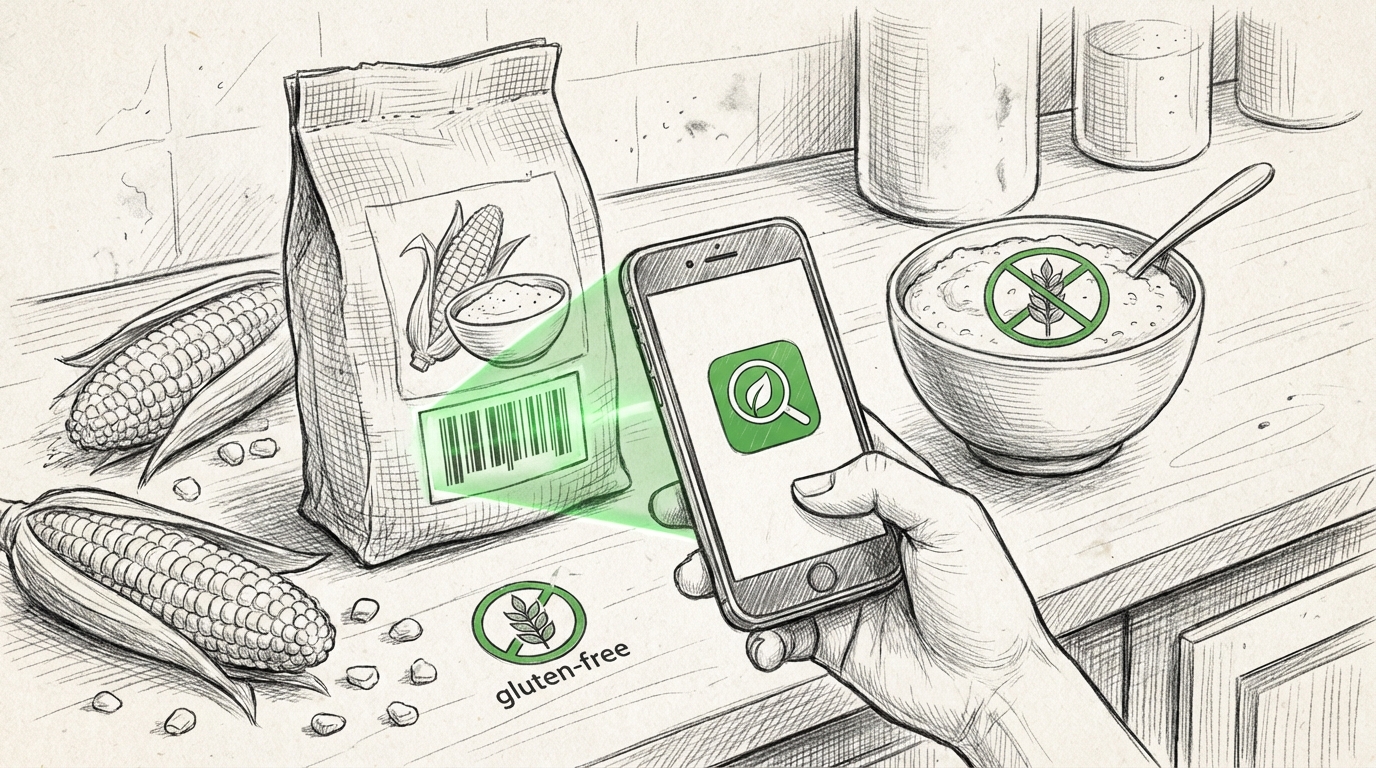
You can identify allergens in saltine crackers by using an allergy checker app that scans product barcodes. These apps detect common allergens including wheat, gluten, dairy, soy, and traces of nuts. They also identify additives like E202 potassium sorbate and preservatives. Manual checking requires reading ingredient labels for allergen statements and manufacturing warnings about cross-contamination.
Are saltine crackers a healthy snack for weight loss?
Saltine crackers are not ideal for weight loss as they're high in refined carbohydrates, low in fiber and protein, and lack satiety. They can cause blood sugar spikes and quick hunger return. Better healthy snack ideas for weight loss include whole grain crackers with protein, vegetables with hummus, or nuts, which provide more nutrients and keep you fuller longer.
What additives and preservatives are commonly found in saltine crackers?
Common additives in saltine crackers include E202 potassium sorbate (preservative), malted barley flour, and leavening agents like baking soda. Some brands may contain hydroxy stearic acid or poly carboxylic acid as processing aids. Premium brands often have fewer additives. Using an allergen scanning app helps identify specific preservatives and additives in different cracker brands.
Can people with celiac disease eat saltine crackers?
People with celiac disease cannot eat regular saltine crackers due to wheat gluten content. They must choose certified gluten free alternatives made from rice, corn, or other gluten free grains. Cross-contamination is a serious concern, so products must be manufactured in dedicated gluten free facilities. An allergy checker app can help verify safe options by scanning barcodes.
How do saltine crackers compare to other crackers nutritionally?
Saltine crackers are generally lower in calories and fat than many other crackers but also lower in fiber and nutrients. Whole grain crackers provide more fiber, vitamins, and minerals. Rice crackers offer similar calories but may be gluten free. Seed-based crackers contain more protein and healthy fats. For better nutrition, choose crackers with whole grains listed as the first ingredient.
What restaurants offer gluten free alternatives to saltine crackers?
Many restaurants that are gluten free friendly offer alternatives like gluten free bread, rice crackers, or corn chips instead of saltines. Chain restaurants often provide gluten free menus and nutrition calculators online. Use a chipotle nutrition calculator or similar tools to check allergen information. Always inform servers about gluten allergies and ask about cross-contamination prevention in the kitchen.
Understanding Saltine Crackers Nutrition: A Complete Guide

When it comes to simple, versatile snacks, saltine crackers have been a household staple for generations. Understanding saltine crackers nutrition is essential for anyone monitoring their dietary intake, managing food allergies, or simply making informed choices about what they eat. These crispy, lightly salted crackers may seem innocuous, but their nutritional profile and ingredient list deserve closer examination.
Whether you're reaching for saltines to settle an upset stomach, pairing them with soup, or considering them as a quick snack, knowing what's inside matters. This comprehensive guide breaks down everything you need to know about saltine cracker nutrition, from calorie content to potential allergens and additives.
Nutritional Breakdown of Saltine Crackers

Calorie Content and Serving Sizes
A standard serving of saltine crackers typically consists of 5 crackers, which contains approximately 60-70 calories. This relatively modest calorie count makes them appear as a reasonable snack option, especially when compared to chips or cookies.
However, portion control becomes critical with saltines. It's easy to consume multiple servings without realizing it, which can quickly add up in terms of total caloric intake.
| Nutrient | Amount | % Daily Value |
|---|---|---|
| Calories | 60-70 | 3% |
| Total Fat | 1-2g | 2% |
| Sodium | 135-180mg | 6-8% |
| Total Carbohydrates | 11-13g | 4% |
| Dietary Fiber | 0-1g | 0-4% |
| Protein | 1-2g | 2% |
Macronutrient Composition
Saltine crackers are primarily composed of refined carbohydrates, with minimal protein and fat. The lack of dietary fiber means they provide quick energy but little satiety, which can lead to overeating if you're not careful.
The low fiber content also means saltines rank high on the glycemic index, potentially causing rapid blood sugar spikes. This makes them less ideal for individuals managing diabetes or those seeking healthy snack ideas for weight loss.
Common Ingredients in Saltine Crackers
Primary Ingredients
Understanding what goes into saltine crackers helps you make informed dietary decisions. The typical ingredient list includes:
- Enriched flour (wheat flour, niacin, reduced iron, thiamine mononitrate, riboflavin, folic acid)
- Vegetable oil (typically soybean, palm, or canola oil)
- Salt
- Leavening agents (baking soda, yeast)
- Malted barley flour
Additives and Preservatives
Many commercial saltine crackers contain additives that extend shelf life and enhance texture. One common preservative you might encounter is e202 potassium sorbate, which prevents mold growth and maintains freshness.
Some brands may also include emulsifiers or dough conditioners. While these ingredients are generally recognized as safe by regulatory agencies, individuals with sensitivities or those avoiding processed additives should read labels carefully. Using an allergy checker app can help you quickly identify concerning ingredients.
Allergen Information for Saltine Crackers
Primary Allergens Present
Saltine crackers typically contain several common allergens that can pose problems for sensitive individuals:
- Wheat/Gluten: The primary ingredient in traditional saltines is wheat flour, making them unsuitable for anyone with celiac disease or gluten sensitivity
- Soy: Many brands use soybean oil or soy lecithin as an emulsifier
- Dairy: Some varieties may contain milk derivatives or be processed on shared equipment
Cross-Contamination Concerns
Even if a specific allergen isn't listed as an ingredient, cross-contamination during manufacturing is a real concern. Many crackers are produced in facilities that also process nuts, eggs, and other common allergens.
For individuals with severe allergies, using a food allergy app to scan product barcodes can provide peace of mind. These tools can detect traces of 13 different allergens and alert you to potential risks before you consume a product.
Gluten-Free Alternatives
If you're wondering whether traditional saltines fit into a gluten-free diet, the answer is no. However, several brands now offer gluten-free versions made with alternative flours like rice flour or almond flour.
For those asking is quinoa gluten free, the answer is yes—quinoa is naturally gluten-free and increasingly used in alternative cracker formulations. When looking for safe options, you might also explore gluten free dairy free snacks that provide similar crunch and convenience.
Sodium Content: A Major Consideration
Why Sodium Matters
One of the most significant nutritional concerns with saltine crackers is their sodium content. A single serving can contain 135-180mg of sodium, which represents 6-8% of the recommended daily intake.
For individuals monitoring blood pressure or following a low-sodium diet, this can add up quickly, especially when consuming multiple servings throughout the day.
Comparing Sodium Across Brands
Sodium content varies significantly between brands and varieties. Some "low-sodium" or "unsalted" versions contain as little as 30mg per serving, while regular versions can exceed 200mg.
| Type | Sodium per Serving | % Daily Value |
|---|---|---|
| Regular Saltines | 135-180mg | 6-8% |
| Low-Sodium Saltines | 30-50mg | 1-2% |
| Unsalted Tops | 80-120mg | 3-5% |
Chemical Additives and What They Mean
Understanding Food Chemistry
Beyond basic ingredients, some saltine crackers may contain chemical compounds that serve specific functions. While these aren't typically found in simple saltine recipes, understanding food chemistry helps you make informed choices across all packaged foods.
Compounds like hydroxy stearic acid might appear in some processed crackers as an emulsifier or stabilizer. Similarly, poly carboxylic acid derivatives can be used in food processing, though they're more common in other product categories.
Preservatives and Shelf Stability
Preservatives extend the shelf life of packaged crackers, preventing spoilage and maintaining texture. Methane sulfonic acid and its derivatives are sometimes used in food processing, though they're more prevalent in industrial applications than consumer food products.
The most common preservative in crackers remains e202 potassium sorbate, which effectively inhibits mold growth without significantly altering taste. For those concerned about additives, many organic and natural brands minimize or eliminate synthetic preservatives entirely.
Saltine Crackers in Different Dietary Contexts
Weight Management and Calorie Counting
When considering saltines for weight management, their low calorie count per serving seems attractive. However, their minimal nutritional value and lack of satiety make them a poor choice for sustained energy or appetite control.
For better healthy snack ideas for weight loss, consider pairing saltines with protein-rich foods like nut butter, cheese, or hummus. This combination provides more balanced nutrition and helps you feel fuller longer.
Digestive Health Applications
Saltine crackers have long been recommended for settling upset stomachs, particularly during illness or morning sickness. Their bland flavor and easy digestibility make them a go-to option for many people experiencing nausea.
However, their nutritional limitations mean they shouldn't be relied upon as a primary food source, even during illness. Once symptoms improve, transitioning to more nutrient-dense options is important for recovery.
Comparing Saltines to Other Crackers and Snacks
Nutritional Alternatives
When evaluating snack options, comparing saltines to alternatives helps put their nutritional profile in perspective:
- Whole grain crackers: Provide more fiber, vitamins, and minerals
- Rice cakes: Lower in sodium but similar in nutritional value
- Seed crackers: Higher in protein, healthy fats, and micronutrients
- Vegetable chips: May offer more vitamins but often higher in calories and fat
Making Informed Choices When Dining Out
When eating at restaurants that are gluten free, you'll likely find alternative cracker options made from rice, corn, or seed-based flours. These establishments often cater to various dietary needs and can provide detailed allergen information.
If you're tracking your nutrition while dining out, tools like a chipotle nutrition calculator or similar restaurant-specific calculators can help you make informed decisions. Many chain restaurants now provide comprehensive nutritional data for all menu items, including sides and accompaniments.
Gluten-Free and Specialty Diet Options
Navigating Gluten-Free Choices
For individuals with celiac disease or gluten sensitivity, traditional saltines are off-limits. Fortunately, the market now offers numerous alternatives that replicate the texture and versatility of classic saltines.
When shopping for gluten-free options, look for products made with:
- Rice flour
- Almond flour
- Cassava flour
- Quinoa flour (since is quinoa gluten free—yes, it is!)
Beer and Beverage Pairings
While it might seem tangential, understanding gluten-free options extends beyond crackers. If you enjoy pairing snacks with beverages, knowing about gluten free wheat free beer options ensures your entire snack experience aligns with dietary restrictions.
Many craft breweries now produce excellent gluten-free beers using sorghum, rice, or millet instead of traditional wheat or barley. These pair wonderfully with gluten-free crackers and cheese for a satisfying snack experience.
Reading Labels and Identifying Hidden Ingredients
What to Look For
Becoming an informed consumer means understanding how to read nutrition labels effectively. When evaluating saltine crackers, pay attention to:
- Serving size (often smaller than you'd naturally consume)
- Total sodium content per serving
- Type of flour used (refined vs. whole grain)
- Presence of added sugars
- Allergen warnings and "may contain" statements
Technology to the Rescue
Modern technology makes label reading easier than ever. A comprehensive food allergy scanner app allows you to scan product barcodes instantly and receive detailed information about allergens, additives, and nutritional content.
These tools are particularly valuable when shopping in stores where reading small print on packaging can be challenging. They provide quick, reliable information that helps you make safe choices for yourself and your family.
Healthier Ways to Enjoy Saltine Crackers
Smart Pairing Strategies
If you enjoy saltine crackers, there are ways to make them part of a more balanced snack:
- Add protein: Top with tuna, salmon, or chicken salad
- Include healthy fats: Spread with avocado or nut butter
- Boost fiber: Pair with fresh vegetables or hummus
- Choose wisely: Opt for whole grain or low-sodium varieties when available
Portion Control Tips
Given how easy it is to overeat crackers, implementing portion control strategies helps maintain nutritional balance:
- Pre-portion crackers into small containers or bags
- Use a small plate rather than eating from the box
- Pair with a measured amount of protein or healthy fat
- Drink water between bites to slow consumption
Special Considerations for Different Age Groups
Children and Saltine Crackers
Parents often turn to saltine crackers as an easy snack for children. While they're generally safe and well-tolerated, their minimal nutritional value means they shouldn't be a dietary staple.
When managing children's food allergies or introducing new foods, having reliable tools makes the process easier. An allergy checker app can help parents quickly verify that snacks are safe for their child's specific needs.
Seniors and Sodium Sensitivity
Older adults often need to monitor sodium intake more carefully due to increased risk of hypertension and cardiovascular issues. For this population, low-sodium or unsalted saltine varieties are strongly recommended.
The easy digestibility of saltines makes them appealing for seniors with reduced appetite or digestive concerns, but pairing them with nutrient-dense toppings ensures adequate nutrition.
Environmental and Ethical Considerations
Packaging and Sustainability
Beyond nutrition, consider the environmental impact of your food choices. Many cracker brands are moving toward more sustainable packaging options, including recyclable materials and reduced plastic use.
Some companies also prioritize sustainable sourcing of ingredients, including palm oil alternatives and organic wheat from regenerative agriculture practices.
Ethical Manufacturing Practices
Supporting brands that prioritize fair labor practices, transparent ingredient sourcing, and minimal environmental impact aligns your snack choices with broader values. Many smaller, artisanal cracker makers emphasize these principles alongside nutritional quality.
Conclusion: Making Informed Choices About Saltine Crackers
Understanding saltine crackers nutrition empowers you to make informed decisions about when and how to include them in your diet. While they offer convenience and versatility, their nutritional limitations—low fiber, minimal protein, and significant sodium content—mean they're best consumed in moderation and paired with more nutrient-dense foods.
For individuals managing food allergies, sensitivities, or specific dietary restrictions, careful label reading is essential. The presence of wheat, potential soy content, and various additives like e202 potassium sorbate require attention, especially for those with severe allergies or sensitivities.
Whether you're reaching for saltines as a comfort food during illness, a quick snack, or a base for more elaborate appetizers, understanding what's in them helps you balance convenience with nutritional needs. Consider exploring gluten-free and dairy-free alternatives if traditional saltines don't align with your dietary requirements.
Ready to take control of your food choices and ensure every snack aligns with your dietary needs? Download Nutrict today to scan product barcodes instantly and detect allergens, additives, and preservatives in seconds. With support for 13 different allergens and comprehensive ingredient analysis, you'll never have to wonder what's really in your food again. Available on both iOS and Android, Nutrict puts the power of informed eating right in your pocket.
Article created using IntentRank