Spam Nutritional Info: Calories, Sodium & Health Facts

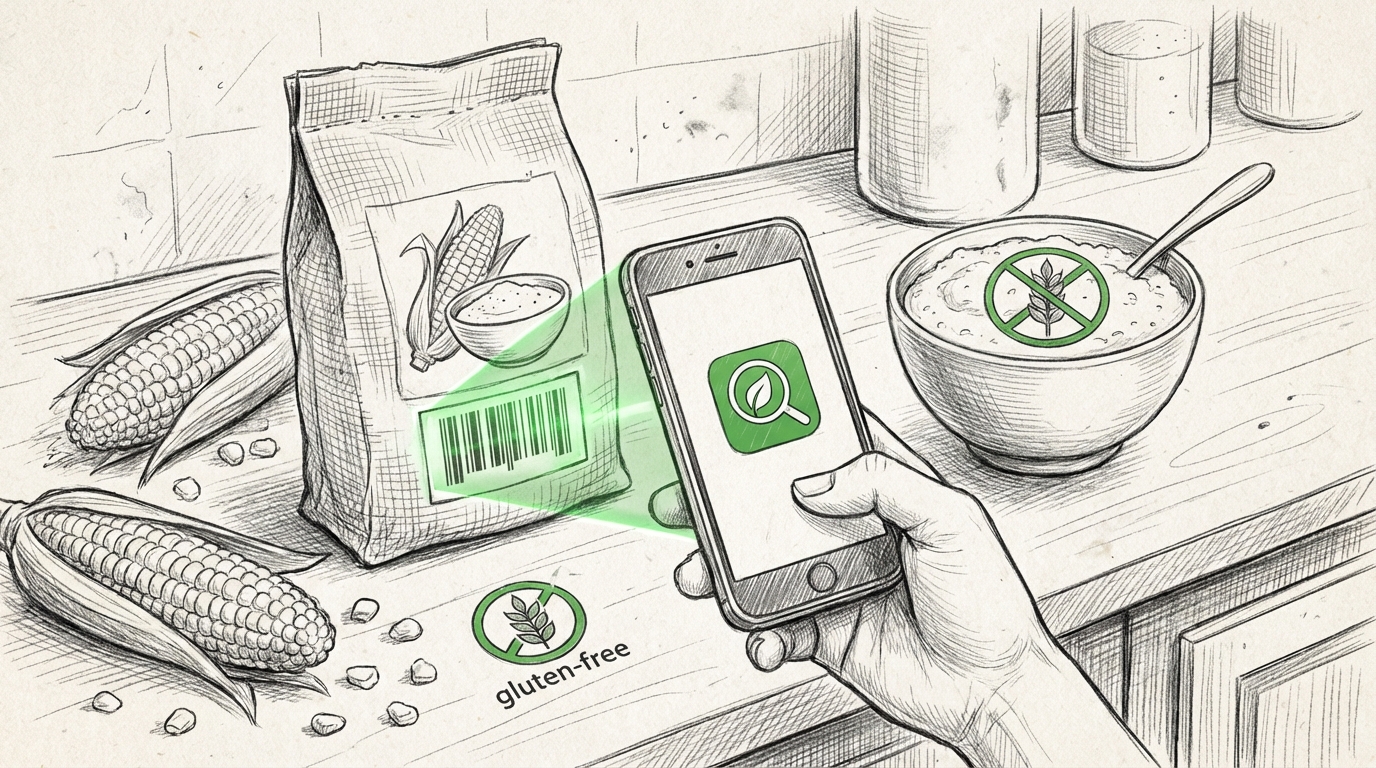
TL;DR: Nutritional info spam refers to excessive, misleading, or irrelevant nutritional claims on product packaging that obscure important allergen information. Modern barcode scanning apps help cut through this clutter by instantly identifying 13 different allergens, traces, additives, and preservatives, making it easier for consumers to make informed, safe food choices quickly.
Frequently Asked Questions

What is nutritional info spam and why does it appear on food labels?
Nutritional info spam refers to excessive, confusing, or misleading nutritional information on food packaging that makes it difficult for consumers to identify key health details. This can include cluttered labels with unnecessary additives, preservatives, or chemical names like hydroxy stearic acid and poly carboxylic acid. Manufacturers sometimes overload labels with technical terms, making allergen identification challenging without proper tools like allergen checker apps.
How can an allergy checker app help filter through nutritional info spam?
An allergy checker app scans product barcodes to quickly identify 13 different allergens, traces, additives, and preservatives hidden within complex ingredient lists. Instead of manually reading through nutritional info spam filled with chemical compounds like methane sulfonic acid, the app instantly highlights potential allergens. This technology is available on both iOS and Android, making allergen detection faster and more accurate for consumers with dietary restrictions.
Does the Chipotle nutrition calculator show allergen information?
The Chipotle nutrition calculator provides detailed nutritional info including calories, macronutrients, and allergen warnings for menu items. Users can customize their orders and see how ingredient combinations affect allergen content. However, for comprehensive allergen tracking across multiple restaurants and packaged foods, dedicated allergy checker apps offer more extensive databases and barcode scanning capabilities to cut through nutritional info spam.
Are gluten free Cheez-Its actually wheat free?
Standard Cheez-Its contain wheat flour and are not gluten-free. While some brands offer gluten-free cheese crackers, it's crucial to check labels carefully as nutritional info spam can be confusing. Gluten-free doesn't always mean wheat-free, as some products may contain wheat starch processed to remove gluten. Using an allergen scanner app helps verify whether products are truly safe for celiac disease or wheat allergies.
What makes a beer both gluten free and wheat free?
Gluten free wheat free beer is made from alternative grains like sorghum, rice, millet, or buckwheat instead of barley or wheat. These beers are safe for people with celiac disease and wheat allergies. However, some beers labeled "gluten-removed" still contain wheat or barley but are processed to reduce gluten levels. Reading labels carefully or using an allergy checker app helps avoid nutritional info spam and ensures true allergen-free products.
What is hydroxy stearic acid and should people with allergies worry about it?
Hydroxy stearic acid is a fatty acid derivative used as an emulsifier, thickener, and stabilizer in cosmetics and some food products. It's typically derived from vegetable oils and is generally considered safe. However, those with specific allergies should verify the source, as it could potentially be derived from allergens. Allergen checker apps can help identify such additives within nutritional info spam on product labels.
How do additives like poly carboxylic acid appear in nutritional information?
Poly carboxylic acid and similar additives often appear buried within lengthy ingredient lists as preservatives, acidity regulators, or stabilizers. This nutritional info spam makes it difficult for consumers to identify potentially problematic substances. These compounds may be listed under various chemical names or E-numbers in different countries. Barcode scanning apps simplify this process by automatically flagging additives and providing clear explanations of their purpose and safety.
Can scanning barcodes help identify hidden allergens in restaurant nutrition info?
While barcode scanning works best for packaged products, many allergen checker apps also include restaurant menu databases with detailed nutritional info. For restaurants like Chipotle, users can access nutrition calculators and allergen information through the app. This helps cut through nutritional info spam and provides clear allergen warnings for 13 common allergens, making dining out safer for people with food allergies and intolerances.
Understanding Nutritional Info Spam and Its Impact on Food Safety

In today's digital age, consumers are increasingly bombarded with misleading or overwhelming nutritional information that can be classified as nutritional info spam. This phenomenon refers to the excessive, confusing, or deliberately obfuscated presentation of food ingredient and nutritional data that makes it difficult for consumers—especially those with allergies or dietary restrictions—to make informed decisions about what they eat.
The rise of complex chemical names, hidden allergens, and marketing jargon has created a landscape where even the most diligent label readers struggle to identify potential health risks. From hydroxy stearic acid to methane sulfonic acid and poly carboxylic acid, the proliferation of technical terminology on food labels has made nutritional transparency more challenging than ever.
This comprehensive guide explores how nutritional info spam affects consumers, particularly those managing food allergies and dietary restrictions, and provides practical solutions for navigating this complex landscape.
What Constitutes Nutritional Info Spam?

The Many Forms of Misleading Food Information
Nutritional info spam manifests in several distinct ways that can confuse or mislead consumers:
- Chemical Name Obfuscation: Using technical terms like hydroxy stearic acid or poly carboxylic acid instead of common names that consumers recognize
- Incomplete Allergen Disclosure: Failing to clearly identify all 13 major allergens or their traces in products
- Misleading Serving Sizes: Manipulating portion sizes to make nutritional values appear more favorable
- Marketing Claims Overload: Drowning essential information in promotional language and health claims
- Hidden Additives: Burying preservatives and additives like methane sulfonic acid deep in ingredient lists
Why Food Manufacturers Use Complex Terminology
Food companies often employ technical chemical names for several reasons. While some usage is legitimate for regulatory compliance, others use it strategically to make certain ingredients less recognizable to consumers.
For instance, hydroxy stearic acid might sound intimidating, but understanding what it actually is and whether it poses risks for specific dietary needs is crucial. The same applies to poly carboxylic acid and other technical compounds that appear on modern food labels.
The Challenge of Finding Accurate Nutritional Information
Restaurant Chain Nutrition: A Case Study
One of the most common areas where consumers seek nutritional clarity is in restaurant dining. Tools like the chipotle nutrition calculator have become essential for health-conscious diners trying to make informed choices.
A chipotle nutrition calculator allows customers to build their meals virtually and see the complete nutritional breakdown before ordering. However, even these tools can become forms of nutritional info spam when they:
- Fail to clearly display allergen warnings
- Don't account for cross-contamination risks
- Omit information about additives and preservatives
- Make it difficult to access chipotle nutrition info for customized orders
| Information Type | Often Missing | Why It Matters |
|---|---|---|
| Allergen Traces | Cross-contamination warnings | Critical for severe allergy sufferers |
| Additive Details | Preservative chemical names | Important for sensitive individuals |
| Preparation Methods | Shared cooking surfaces | Affects allergen exposure risk |
| Ingredient Sources | Supply chain variations | Can change allergen profile |
The Gluten-Free Information Maze
For individuals with celiac disease or gluten sensitivities, navigating nutritional information becomes even more critical. The search for products like gluten free cheese-its or gluten free wheat free beer illustrates how consumers struggle with product identification.
Many people don't realize that gluten free wheat free beer requires careful verification beyond just checking for wheat. Barley and rye also contain gluten, and cross-contamination during manufacturing can render supposedly safe products dangerous for those with celiac disease.
Similarly, when consumers search for gluten free cheese-its, they're often met with confusing information about which snack brands are truly safe versus which simply don't list gluten as a primary ingredient but may contain traces.
How Nutritional Info Spam Affects Vulnerable Populations
People with Food Allergies
For the estimated 32 million Americans living with food allergies, nutritional info spam isn't just annoying—it can be life-threatening. When ingredient lists become cluttered with technical jargon and marketing claims, identifying allergens becomes exponentially more difficult.
Consider someone allergic to milk who encounters "hydroxy stearic acid" on a label. Without knowing that this compound can be derived from various sources—some dairy-based—they face a genuine health risk.
Parents Managing Children's Dietary Restrictions
Parents navigating their children's food allergies face unique challenges when confronted with nutritional info spam. They must quickly assess products while shopping, often with limited time and competing demands on their attention.
The proliferation of similar-sounding ingredients and hidden allergen sources makes this task increasingly difficult. A parent looking for safe snacks needs clear, accessible information—not pages of technical specifications about methane sulfonic acid and other obscure additives.
Health-Conscious Consumers
Even consumers without specific allergies struggle with the overload of nutritional information. Those trying to avoid certain additives and preservatives often find themselves overwhelmed by the sheer volume of technical terms and chemical names on modern food labels.
The difficulty in accessing straightforward chipotle nutrition info or understanding whether a product contains problematic additives contributes to decision fatigue and often leads to poor dietary choices.
Technology Solutions: Cutting Through Nutritional Info Spam
The Rise of Allergy Checker Apps
Modern technology has provided a powerful solution to combat nutritional info spam: the allergy checker app. These applications use barcode scanning and comprehensive databases to instantly identify allergens, additives, and preservatives in products.
An effective allergy checker app cuts through the noise of technical jargon and marketing claims to provide clear, actionable information about whether a product is safe for your specific dietary needs.
Key Features of Effective Food Scanning Technology
- Comprehensive Allergen Detection: Identifies all 13 major allergens plus traces and cross-contamination risks
- Additive Translation: Explains what compounds like poly carboxylic acid actually are and their potential effects
- Instant Scanning: Provides immediate feedback through barcode recognition
- Personalized Profiles: Allows users to set specific dietary restrictions and preferences
- Preservative Identification: Flags potentially problematic additives and preservatives
A dedicated food allergy app serves as a personal nutritionist, translating complex ingredient lists into simple, understandable information that helps you make safe choices quickly.
Practical Strategies for Navigating Nutritional Information Overload
Understanding Chemical Names and Additives
Educating yourself about common technical terms can help you cut through nutritional info spam. Here's a quick reference guide:
| Technical Name | Common Use | Potential Allergen Concerns |
|---|---|---|
| Hydroxy Stearic Acid | Emulsifier, stabilizer | May be derived from dairy or plant sources |
| Methane Sulfonic Acid | Processing aid, catalyst | Generally not a direct allergen but may indicate processing |
| Poly Carboxylic Acid | Preservative, stabilizer | Synthetic compound, check for sensitivities |
| Modified Food Starch | Thickener, stabilizer | May contain gluten depending on source |
Using Restaurant Nutrition Tools Effectively
When using tools like the chipotle nutrition calculator, apply these strategies to get the most accurate information:
- Always check the allergen disclaimer section, not just the nutritional values
- Call ahead to ask about preparation methods and cross-contamination protocols
- Use the chipotle nutrition info tool to compare multiple meal options before deciding
- Save your safe meal combinations for future reference
- Verify that the calculator includes all customizations you plan to make
Finding Truly Safe Specialty Products
When searching for specialty items like gluten free wheat free beer or gluten free cheese-its, use these verification methods:
- Look for certified gluten-free labels from recognized organizations
- Check manufacturer websites for detailed allergen statements
- Use an allergy checker app to scan products before purchasing
- Join online communities where others share verified safe product lists
- Contact manufacturers directly when information is unclear
For comprehensive lists of safe options, resources like this guide to gluten free dairy free snacks can save hours of research and provide peace of mind.
The Future of Nutritional Transparency
Regulatory Changes on the Horizon
Consumer advocacy groups are pushing for stricter regulations around food labeling to combat nutritional info spam. Proposed changes include:
- Mandatory plain-language allergen warnings in prominent locations
- Standardized serving sizes across similar products
- Clear disclosure of all processing aids and additives
- Digital labeling requirements with scannable codes for detailed information
The Role of Artificial Intelligence
AI-powered applications are revolutionizing how consumers access and understand nutritional information. These technologies can:
- Instantly translate technical terms like hydroxy stearic acid into plain language
- Predict allergen risks based on manufacturing processes
- Provide personalized recommendations based on dietary restrictions
- Alert users to recent product recalls or formulation changes
Real-World Examples: When Nutritional Info Spam Causes Problems
Case Study: Hidden Gluten Sources
A common example of problematic nutritional info spam occurs with products marketed as "wheat-free" but not explicitly gluten-free. Consumers searching for gluten free wheat free beer might assume that wheat-free automatically means gluten-free, but barley-based beers still contain gluten.
This type of misleading labeling has led to numerous adverse reactions among celiac disease sufferers who trusted incomplete nutritional information.
The Cross-Contamination Confusion
Another frequent issue arises with products like gluten free cheese-its alternatives. While the product itself may not contain gluten ingredients, manufacturing on shared equipment can introduce traces that trigger reactions in sensitive individuals.
When this cross-contamination information is buried in fine print or technical language, it effectively becomes nutritional info spam that obscures critical safety information.
Building Your Personal Food Safety System
Creating a Multi-Layered Approach
The most effective strategy for dealing with nutritional info spam involves multiple verification methods:
- Primary Tool: Use a reliable allergy checker app for instant product scanning
- Secondary Verification: Check manufacturer websites for detailed allergen statements
- Community Resources: Participate in allergy and dietary restriction forums
- Professional Guidance: Consult with allergists and dietitians for personalized advice
- Documentation: Keep records of safe products and adverse reactions
Staying Informed About Product Changes
Food manufacturers frequently reformulate products, which means previously safe items may suddenly become problematic. Stay vigilant by:
- Re-scanning familiar products periodically with your allergy checker app
- Signing up for manufacturer alerts about ingredient changes
- Checking the chipotle nutrition info and other restaurant data regularly for updates
- Following food allergy advocacy organizations for recall notifications
Empowering Yourself Against Nutritional Info Spam
The proliferation of nutritional info spam—from confusing chemical names like methane sulfonic acid to incomplete allergen disclosures—creates significant challenges for consumers trying to make safe food choices. However, by combining education, technology, and vigilance, you can successfully navigate this complex landscape.
Understanding technical terminology, using tools like the chipotle nutrition calculator effectively, and knowing how to identify truly safe products like gluten free wheat free beer empowers you to make informed decisions despite the information overload.
The key is leveraging modern solutions that cut through the noise. Whether you're searching for gluten free cheese-its alternatives or trying to understand what poly carboxylic acid means for your health, having the right tools makes all the difference.
Don't let nutritional info spam compromise your health or that of your loved ones. Take control of your food safety by using technology designed specifically to identify allergens, additives, and preservatives instantly. Visit Nutrict today to download the app that scans barcodes and detects all 13 major allergens, traces, additives, and preservatives—giving you clear, actionable information in seconds. Available on both iOS and Android, Nutrict transforms confusing food labels into simple, safe choices for you and your family.
Article created using IntentRank