Nutrition Info Saltine Crackers: Complete Guide + Allergens
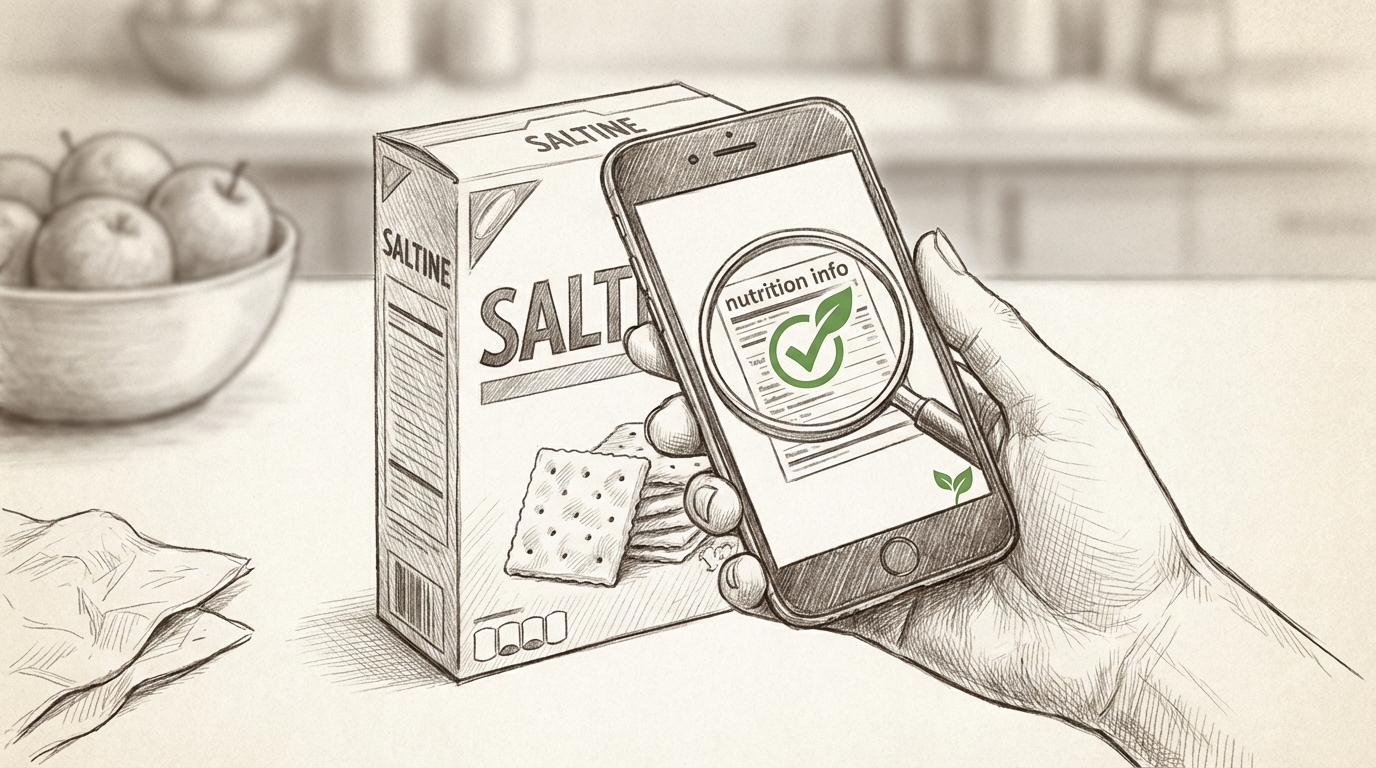
TL;DR: Nutrition info saltine crackers typically contains approximately 70-80 calories per 5 crackers, with 1-2g fat, 13-15g carbohydrates, and 1-2g protein. They're generally low in fiber and contain sodium levels around 115-150mg. To identify specific allergens, additives, and preservatives in your preferred brand, scan the barcode using allergen detection apps available on iOS and Android.
Frequently Asked Questions

What is the complete nutrition info for saltine crackers?
A standard serving of 5 saltine crackers (15g) contains approximately 60-70 calories, 1-2g protein, 11-13g carbohydrates, 1-2g fat, and 135-180mg sodium. They provide minimal fiber and vitamins. However, nutrition values vary by brand, so using an allergen checker app to scan barcodes helps identify exact nutritional content and hidden additives like preservatives or allergens.
Do saltine crackers contain common allergens that apps can detect?
Yes, saltine crackers typically contain wheat (gluten), and some brands may contain dairy or soy. Using an allergy checker app that scans barcodes can detect all 13 major allergens, plus traces, additives like e202 potassium sorbate, and preservatives. This technology helps consumers with celiac disease, gluten sensitivity, or other food allergies make informed purchasing decisions instantly.
Are there gluten free alternatives to traditional saltine crackers?
Yes, several brands offer gluten free wheat free alternatives made from rice flour, almond flour, or cassava. These products are safe for celiac sufferers and provide similar texture to traditional saltines. Always verify using an allergen detection app by scanning product barcodes, as cross-contamination can occur during manufacturing. Look for certified gluten-free labels for maximum safety.
How can I use saltine crackers as healthy snack ideas for weight loss?
Saltine crackers can support weight loss when portion-controlled (5-6 crackers) and paired with protein like hummus, tuna, or cottage cheese. They're low-calorie but high in sodium and refined carbs. For healthier options, choose whole-grain varieties or alternatives like quinoa crackers. Use nutrition tracking apps with barcode scanners to monitor calorie intake and identify hidden additives.
What additives and preservatives are commonly found in saltine crackers?
Common additives in saltine crackers include e202 potassium sorbate (preservative), BHT or BHA (antioxidants), and sometimes hydroxy stearic acid or poly carboxylic acid as stabilizers. Some brands contain high fructose corn syrup or artificial flavors. An allergen checker app with barcode scanning technology can instantly identify all additives, preservatives, and potential allergens in specific products.
Can I find restaurants that are gluten free serving saltine cracker alternatives?
Many restaurants that are gluten free now offer alternative crackers or bread made from rice, quinoa, or almond flour. Chain restaurants often provide nutrition calculators (similar to chipotle nutrition calculator) showing allergen information. For dining out safely, use allergen checker apps beforehand to research menu items, and always inform servers about gluten allergies to prevent cross-contamination.
How does an allergen checker app help identify ingredients in saltine crackers?
An allergen checker app scans product barcodes to instantly reveal all 13 major allergens, traces, additives like methane sulfonic acid or poly carboxylic acid, and preservatives such as e202 potassium sorbate. Available on iOS and Android, these apps provide complete nutrition info for saltine crackers and thousands of other products, helping consumers make safe, informed purchasing decisions.
Is quinoa a better gluten free alternative to saltine crackers for nutrition?
Yes, quinoa is gluten free and nutritionally superior to saltine crackers, offering complete protein, fiber, iron, and magnesium. Quinoa crackers provide sustained energy without blood sugar spikes. While saltines have 60-70 calories per serving with minimal nutrients, quinoa-based alternatives offer more vitamins and minerals. Use barcode scanning apps to compare specific product nutrition and verify gluten-free certification.
Understanding the Nutrition Info of Saltine Crackers: A Complete Guide

When reaching for a quick snack or settling an upset stomach, saltine crackers are often the go-to choice for millions of people. But what exactly is in these simple, crispy squares? Understanding the nutrition info saltine crackers provide is essential for anyone managing dietary restrictions, tracking calories, or dealing with food allergies and sensitivities.
Saltine crackers may seem like a straightforward food item, but their nutritional profile and ingredient list contain important information that can impact your health decisions. Whether you're monitoring sodium intake, avoiding certain allergens, or simply trying to make informed choices about your snacks, this comprehensive guide will break down everything you need to know.
From calorie counts to hidden additives, we'll explore the complete nutritional landscape of saltine crackers and help you understand what you're really eating when you bite into these classic crackers.
Basic Nutritional Profile of Saltine Crackers

The nutritional content of saltine crackers can vary slightly between brands, but the basic profile remains relatively consistent. Understanding these fundamentals helps you make informed dietary choices.
Calories and Serving Size
A standard serving of saltine crackers typically consists of 5 crackers and contains approximately 60-70 calories. This relatively low calorie count makes them a popular choice for healthy snack ideas for weight loss, though portion control remains crucial.
The serving size is important to note because it's easy to consume multiple servings without realizing it. Many people eat saltines directly from the sleeve, which can lead to unintentional overconsumption.
| Nutrient | Amount | % Daily Value |
|---|---|---|
| Calories | 60-70 | 3% |
| Total Fat | 1.5-2g | 2% |
| Sodium | 135-180mg | 6-8% |
| Total Carbohydrates | 11-13g | 4% |
| Dietary Fiber | 0-1g | 0-4% |
| Protein | 1-2g | 2% |
Macronutrient Breakdown
Saltine crackers are primarily composed of carbohydrates, with minimal protein and fat content. The carbohydrates come mainly from refined wheat flour, which means they're quickly digested and can cause rapid blood sugar spikes.
The fat content in saltines is generally low, though some brands may contain partially hydrogenated oils. The protein content is minimal, making saltines an incomplete snack that should be paired with protein sources for better satiety and nutritional balance.
Key Ingredients in Saltine Crackers
Understanding what goes into saltine crackers is crucial for anyone with food allergies or sensitivities. The ingredient list may seem simple, but it often contains several components worth examining closely.
Primary Ingredients
The foundation of saltine crackers includes enriched wheat flour, vegetable oil, salt, and leavening agents. These basic components create the characteristic crispy texture and slightly salty flavor that defines saltines.
- Enriched wheat flour: The main ingredient, containing added vitamins and minerals
- Vegetable oils: Often soybean, palm, or canola oil for texture and shelf stability
- Salt: Provides the signature salty flavor
- Leavening agents: Baking soda and yeast for the light, crispy texture
- Malted barley flour: Sometimes added for flavor enhancement
Additives and Preservatives
Many commercial saltine crackers contain additives to extend shelf life and maintain freshness. One common preservative is e202 potassium sorbate, which prevents mold growth and extends the product's shelf life.
Some brands may also include emulsifiers or dough conditioners. These additives help maintain texture and consistency but may be a concern for people avoiding processed ingredients or managing specific sensitivities.
For those monitoring food additives closely, using an allergy checker app can help identify these components quickly by scanning product barcodes.
Allergen Information and Dietary Considerations
For individuals with food allergies or dietary restrictions, understanding the allergen content in saltine crackers is absolutely critical. These seemingly simple crackers can contain multiple common allergens that may not be immediately obvious.
Common Allergens in Saltine Crackers
Saltine crackers typically contain wheat and may contain soy, making them unsuitable for people with celiac disease, gluten sensitivity, or soy allergies. Cross-contamination during manufacturing can also introduce trace amounts of other allergens.
| Allergen | Presence | Consideration |
|---|---|---|
| Wheat/Gluten | Always Present | Not suitable for celiac disease or gluten sensitivity |
| Soy | Usually Present | Found in vegetable oils and lecithin |
| Dairy | Rarely Present | Some varieties may contain milk ingredients |
| Eggs | Rarely Present | Check labels for egg-containing varieties |
Gluten-Free Alternatives
For those asking "are saltine crackers gluten-free?" the answer is definitively no for traditional saltines. However, the market now offers several gluten-free alternatives that mimic the texture and taste of classic saltines.
People seeking gluten-free options might wonder is quinoa gluten free as an alternative grain. Yes, quinoa is naturally gluten-free and some crackers use quinoa flour as a base. Similarly, those exploring broader dietary options may ask about gluten free wheat free beer or search for restaurants that are gluten free to maintain their dietary requirements.
Using a food allergy app can help you quickly scan products to identify safe alternatives and avoid allergens in packaged foods like crackers.
Sodium Content: A Critical Consideration
One of the most significant nutritional concerns with saltine crackers is their sodium content. Despite their small size, these crackers pack a considerable amount of salt.
How Much Sodium Is Too Much?
A single serving of saltine crackers (5 crackers) contains approximately 135-180mg of sodium, which represents 6-8% of the recommended daily intake. While this may seem modest, it adds up quickly when consuming multiple servings.
The American Heart Association recommends limiting sodium intake to 2,300mg per day, with an ideal limit of 1,500mg for most adults. For people with high blood pressure or cardiovascular concerns, the sodium in saltines can be problematic.
- One sleeve of saltines can contain 400-500mg of sodium
- Sodium contributes to water retention and bloating
- High sodium intake is linked to increased blood pressure
- People on low-sodium diets should consume saltines sparingly
Lower-Sodium Alternatives
Several brands now offer unsalted or reduced-sodium versions of saltine crackers. These alternatives can contain 50-75% less sodium while maintaining similar taste and texture profiles.
When tracking your overall sodium intake, tools like a chipotle nutrition calculator or other restaurant nutrition calculators can help you understand how snacks like saltines fit into your daily consumption, especially when eating out.
Chemical Compounds and Processing Agents
Beyond the basic ingredients, saltine crackers may contain various chemical compounds used in processing and preservation. Understanding these components is important for health-conscious consumers.
Processing Acids and Stabilizers
Some saltine cracker formulations include processing acids that help with dough development and texture. While hydroxy stearic acid is not commonly found in saltines, other acids like citric acid or fumaric acid may be present as dough conditioners.
Similarly, methane sulfonic acid is not typically used in food products like crackers, but understanding chemical nomenclature helps consumers read labels more effectively. The term poly carboxylic acid refers to a class of compounds that may be used in some food processing applications, though they're not standard in saltine crackers.
What to Look For on Labels
When examining saltine cracker labels, focus on recognizing common additives and their purposes:
- Leavening agents: Sodium bicarbonate, calcium phosphate
- Preservatives: Potassium sorbate (e202), calcium propionate
- Emulsifiers: Soy lecithin, monoglycerides
- Dough conditioners: Enzymes, ascorbic acid
For those concerned about additives and preservatives in their food, checking products with an allergy checker app provides instant information about these components and their potential health implications.
Comparing Saltines to Other Cracker Options
Understanding how saltine crackers stack up against other cracker varieties helps you make more informed snacking decisions. Different crackers offer varying nutritional profiles that may better suit your dietary needs.
Nutritional Comparison
| Cracker Type | Calories | Sodium (mg) | Fiber (g) | Protein (g) |
|---|---|---|---|---|
| Saltine Crackers | 60-70 | 135-180 | 0-1 | 1-2 |
| Whole Wheat Crackers | 120-140 | 180-220 | 3-4 | 3-4 |
| Rice Crackers | 110-130 | 140-200 | 0-1 | 2-3 |
| Seed Crackers | 140-160 | 100-150 | 4-5 | 4-6 |
Healthier Cracker Alternatives
While saltines serve their purpose, several alternatives offer superior nutritional profiles. Whole grain crackers provide more fiber and nutrients, while seed-based crackers offer healthy fats and protein.
For those seeking gluten free dairy free snacks, many brands now offer crackers made from alternative flours like almond, cassava, or chickpea flour. These options cater to multiple dietary restrictions simultaneously.
Check out our comprehensive guide on gluten free dairy free snacks for more safe snacking options that accommodate multiple dietary needs.
Health Benefits and Drawbacks of Saltine Crackers
Like most foods, saltine crackers have both advantages and disadvantages depending on your health goals and dietary needs. Understanding these can help you decide when and how to include them in your diet.
Potential Benefits
Saltine crackers do offer some benefits in specific situations:
- Easy to digest: The simple ingredients make them gentle on upset stomachs
- Low in calories: Can fit into calorie-controlled diets when portioned properly
- Quick energy source: Simple carbohydrates provide rapid energy when needed
- Long shelf life: Convenient for emergency food supplies or travel
- Affordable: Cost-effective snack option for budget-conscious shoppers
Nutritional Drawbacks
Despite their convenience, saltines have several nutritional limitations:
- Low fiber content: Refined flour provides minimal dietary fiber
- High glycemic index: Can cause rapid blood sugar spikes
- Minimal protein: Doesn't provide satiety or muscle-building nutrients
- High sodium: Can contribute to excessive daily sodium intake
- Limited vitamins and minerals: Despite enrichment, nutritional value remains low
For better nutritional value, consider pairing saltines with protein sources like cheese, nut butter, or hummus. This combination provides more balanced nutrition and better satiety.
Smart Ways to Include Saltines in Your Diet
If you enjoy saltine crackers and want to include them in your diet responsibly, there are strategies to maximize their benefits while minimizing potential drawbacks.
Portion Control Strategies
The key to enjoying saltines without overdoing it lies in mindful portion control. Pre-portioning servings into small bags or containers prevents mindless eating directly from the box.
Consider these portion control tips:
- Measure out a single serving (5 crackers) instead of eating from the package
- Pair saltines with protein-rich foods to increase satiety
- Use saltines as a vehicle for nutrient-dense toppings
- Limit consumption to once daily or as an occasional snack
- Choose unsalted varieties when available to reduce sodium intake
Creative and Nutritious Pairings
Transform saltine crackers from a simple snack into a more nutritious option by pairing them strategically. These combinations work well as healthy snack ideas for weight loss when portioned appropriately:
- Saltines with avocado and tomato slices
- Crackers topped with cottage cheese and cucumber
- Almond butter with sliced strawberries on saltines
- Tuna or salmon salad on crackers for protein
- Hummus with vegetable sticks alongside crackers
Reading Labels and Making Informed Choices
Becoming proficient at reading food labels empowers you to make better choices about saltine crackers and all packaged foods. Not all saltines are created equal, and label literacy helps you identify the best options.
What to Look For on Packaging
When shopping for saltine crackers, examine these key label components:
- Ingredient list: Shorter lists with recognizable ingredients are generally better
- Sodium content: Compare brands to find lower-sodium options
- Serving size: Understand how many crackers constitute one serving
- Allergen statements: Check for "contains" and "may contain" warnings
- Whole grain content: Some brands offer whole grain versions with more fiber
Using Technology for Informed Decisions
Modern technology makes it easier than ever to understand what's in your food. A food allergy scanner app allows you to quickly scan product barcodes and receive instant information about allergens, additives, and nutritional content.
These apps are particularly valuable for people managing multiple food allergies or sensitivities, as they can detect 13 different allergens, traces, additives, and preservatives in seconds. This technology eliminates guesswork and reduces the risk of accidental allergen exposure.
Special Dietary Considerations
Different dietary needs require different approaches to consuming saltine crackers. Understanding how saltines fit into various eating patterns helps you make appropriate choices for your specific situation.
Saltines for Digestive Issues
Saltine crackers have long been recommended for people experiencing nausea, morning sickness, or digestive upset. Their bland flavor and simple carbohydrates make them easy to tolerate when other foods seem unappealing.
However, people with conditions like irritable bowel syndrome (IBS) should note that refined wheat flour can be problematic. The lack of fiber may also contribute to constipation if saltines become a dietary staple.
Weight Management Considerations
While saltines are relatively low in calories, they shouldn't be considered a weight loss food. Their high glycemic index and low satiety factor mean they can actually contribute to overeating by failing to keep you full.
For effective weight management, prioritize whole grain alternatives with higher fiber and protein content. When you do choose saltines, always pair them with protein and healthy fats to create a more balanced snack that promotes satiety.
Diabetes and Blood Sugar Management
People with diabetes should approach saltine crackers cautiously. The refined carbohydrates can cause rapid blood sugar spikes, which is particularly problematic for those managing glucose levels.
If you have diabetes and enjoy saltines, consider these strategies:
- Limit portion sizes to 2-3 crackers at a time
- Always pair with protein or healthy fat to slow carbohydrate absorption
- Monitor blood glucose response to determine individual tolerance
- Consider whole grain alternatives with lower glycemic impact
Environmental and Ethical Considerations
Beyond nutrition and allergens, some consumers consider the environmental and ethical implications of their food choices, including crackers.
Ingredient Sourcing
The wheat and oils used in saltine crackers come from agricultural systems with varying environmental impacts. Conventional wheat farming often involves pesticides and synthetic fertilizers, while palm oil production has been linked to deforestation concerns.
Some brands now offer organic or sustainably-sourced saltine crackers that address these concerns. While typically more expensive, these options appeal to environmentally-conscious consumers.
Packaging Considerations
Most saltine crackers come in plastic sleeves within a cardboard box. The multi-layer packaging helps maintain freshness but contributes to waste. Some manufacturers are exploring more sustainable packaging options, though these remain less common.
Conclusion: Making Saltines Work for Your Diet
Understanding the complete nutrition info saltine crackers provide empowers you to make informed decisions about including them in your diet. While these classic crackers offer convenience and familiarity, they come with nutritional limitations that shouldn't be ignored.
The key takeaways for saltine cracker consumption include:
- Practice strict portion control to avoid excessive sodium and calorie intake
- Always check labels for allergens if you have food sensitivities
- Pair saltines with nutrient-dense foods for better nutritional balance
- Consider whole grain or alternative flour crackers for superior nutrition
- Use saltines strategically for digestive issues rather than as a dietary staple
For anyone managing food allergies or trying to make healthier snacking choices, technology can be your best ally. Rather than struggling to decipher complex ingredient labels or worrying about hidden allergens, take control of your food choices with confidence.
Download Nutrict today and start scanning products instantly to identify allergens, additives, and preservatives in seconds. With the ability to detect 13 different allergens and provide comprehensive nutritional information, Nutrict makes it easy to navigate the grocery store safely and make informed decisions about every food you buy. Available on both iOS and Android, this powerful tool puts complete food transparency right in your pocket.
Whether you're managing celiac disease, avoiding specific additives, or simply trying to eat cleaner, having instant access to detailed product information transforms your shopping experience from stressful to empowering. Make your next grocery trip easier—visit our website to learn more about how Nutrict can help you eat safer and smarter.
Article created using IntentRank