Is Whey Gluten Free? Your Complete Allergen Guide
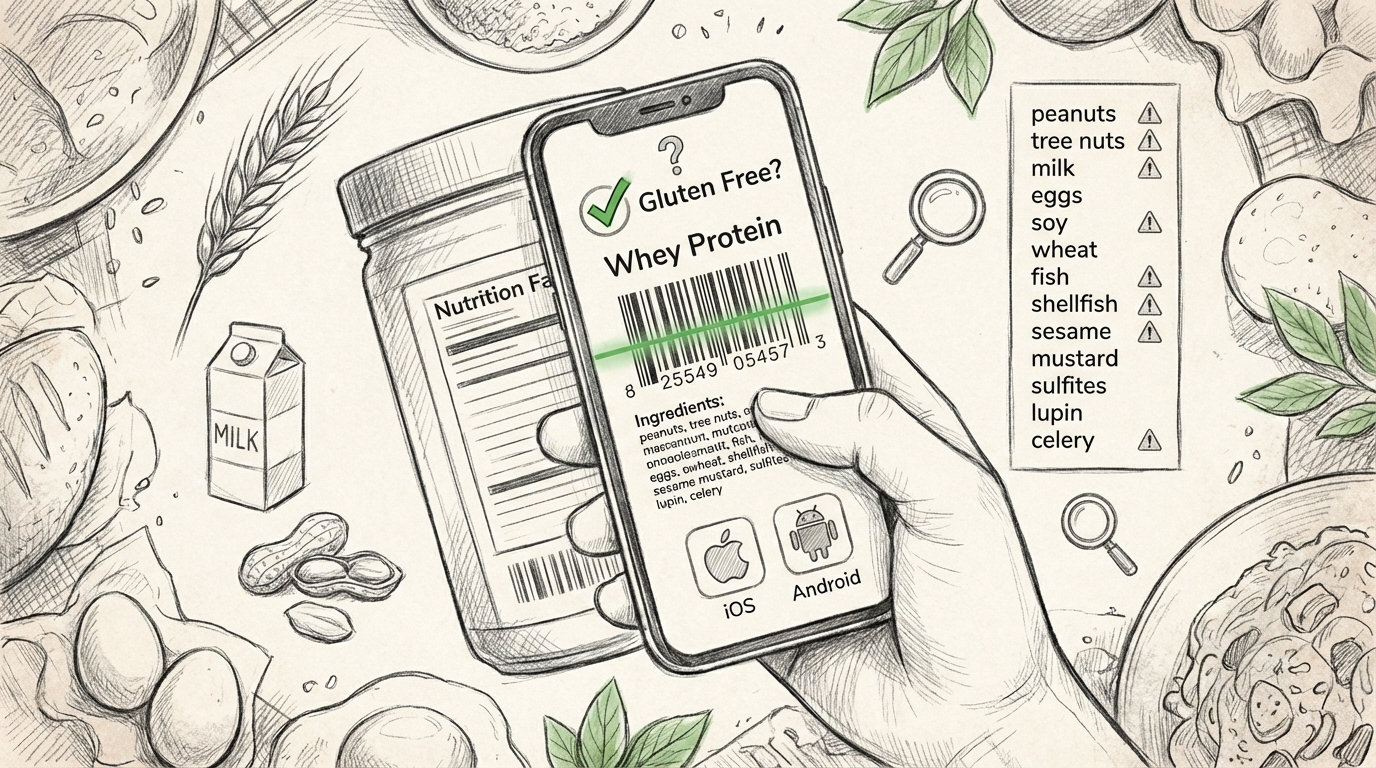
TL;DR: Is whey gluten free? Yes, pure whey protein is naturally gluten-free as it's derived from milk. However, cross-contamination during manufacturing or added ingredients may introduce gluten. Always check product labels and use allergen-scanning apps to verify gluten-free status, especially if you have celiac disease or gluten sensitivity.
Frequently Asked Questions
Is whey protein gluten free?
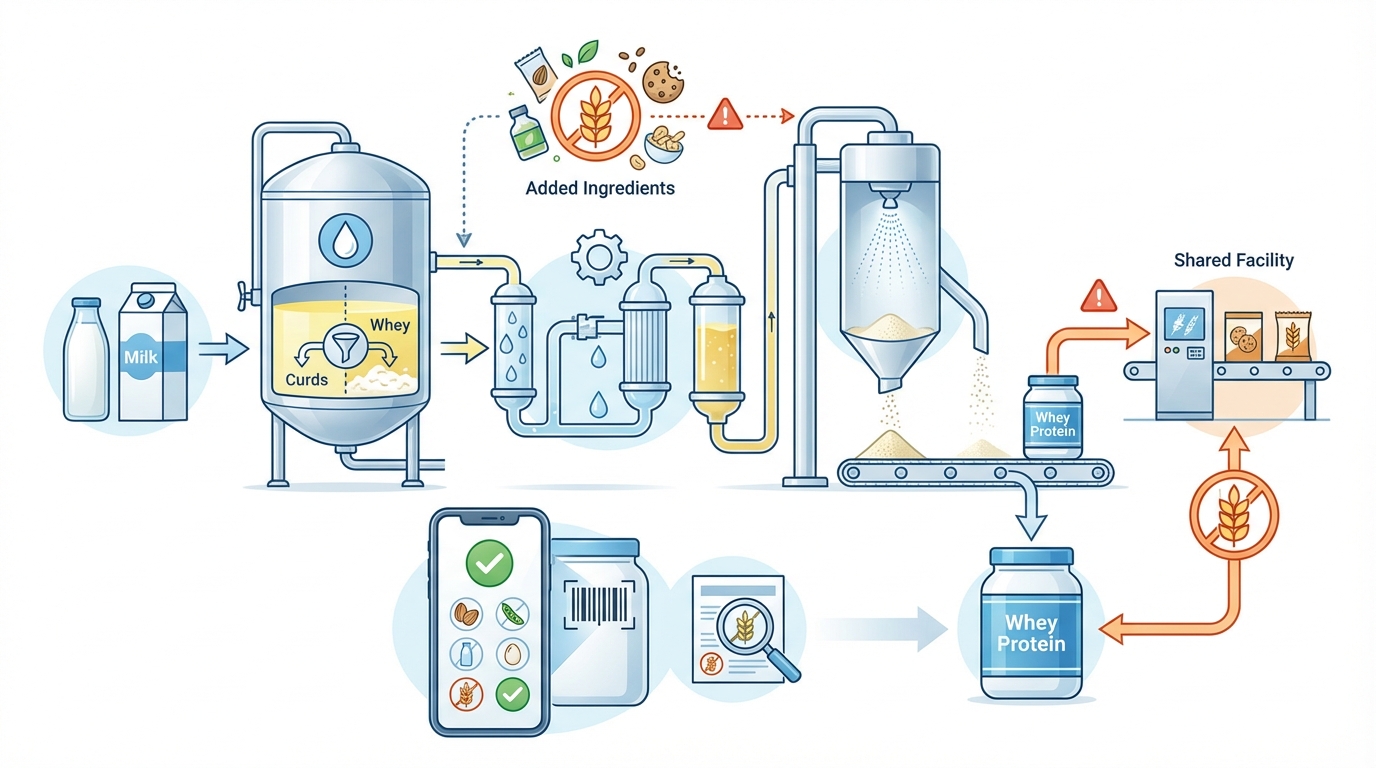
Pure whey protein is naturally gluten free since it's derived from milk, not wheat or gluten-containing grains. However, cross-contamination can occur during manufacturing, and some whey products contain added ingredients with gluten. Always check labels or use an allergen checker app to scan barcodes and verify the product is certified gluten free, especially if you have celiac disease or severe gluten sensitivity.
How can I verify if whey products are gluten free?
The most reliable way to verify whey products are gluten free is by using an allergen checker app that scans barcodes to detect gluten and other allergens. These apps identify hidden gluten sources, cross-contamination risks, and additives. Additionally, look for certified gluten-free labels on packaging and contact manufacturers directly about their testing protocols and facility practices.
What allergens are commonly found in whey protein besides gluten?
Whey protein naturally contains milk allergens since it's a dairy derivative. Some products may also contain soy lecithin, artificial sweeteners, or additives like preservatives. Cross-contamination with tree nuts, peanuts, or eggs can occur in shared facilities. An allergen checker app can scan products to detect all 13 major allergens, helping you identify potential risks beyond just gluten.
Are there gluten free alternatives to regular whey protein?
Yes, certified gluten-free whey protein isolates and concentrates are widely available from manufacturers who test for gluten contamination. Plant-based alternatives include pea, rice, and hemp protein, which are naturally gluten free. Always verify products using barcode scanning apps that check for allergens, traces, and additives to ensure they meet your dietary requirements and safety standards.
Can whey protein contain hidden gluten in additives or flavorings?
Yes, whey protein can contain hidden gluten in flavorings, thickeners, or additives like malt extract and modified food starch. Some preservatives and processing agents may also introduce gluten. Reading ingredient lists isn't always sufficient, as labeling laws vary. Using an allergen detection app to scan product barcodes helps identify hidden gluten sources and ensures comprehensive allergen information.
How do allergen checker apps help identify gluten in whey products?
Allergen checker apps scan product barcodes and instantly display comprehensive allergen information, including gluten content, traces, additives, and preservatives. Available on iOS and Android, these apps detect 13 different allergens and provide real-time data from extensive databases. This technology eliminates guesswork when shopping for whey protein and other products, making it easier to maintain a strict gluten-free diet.
What should I look for when buying gluten free whey protein?
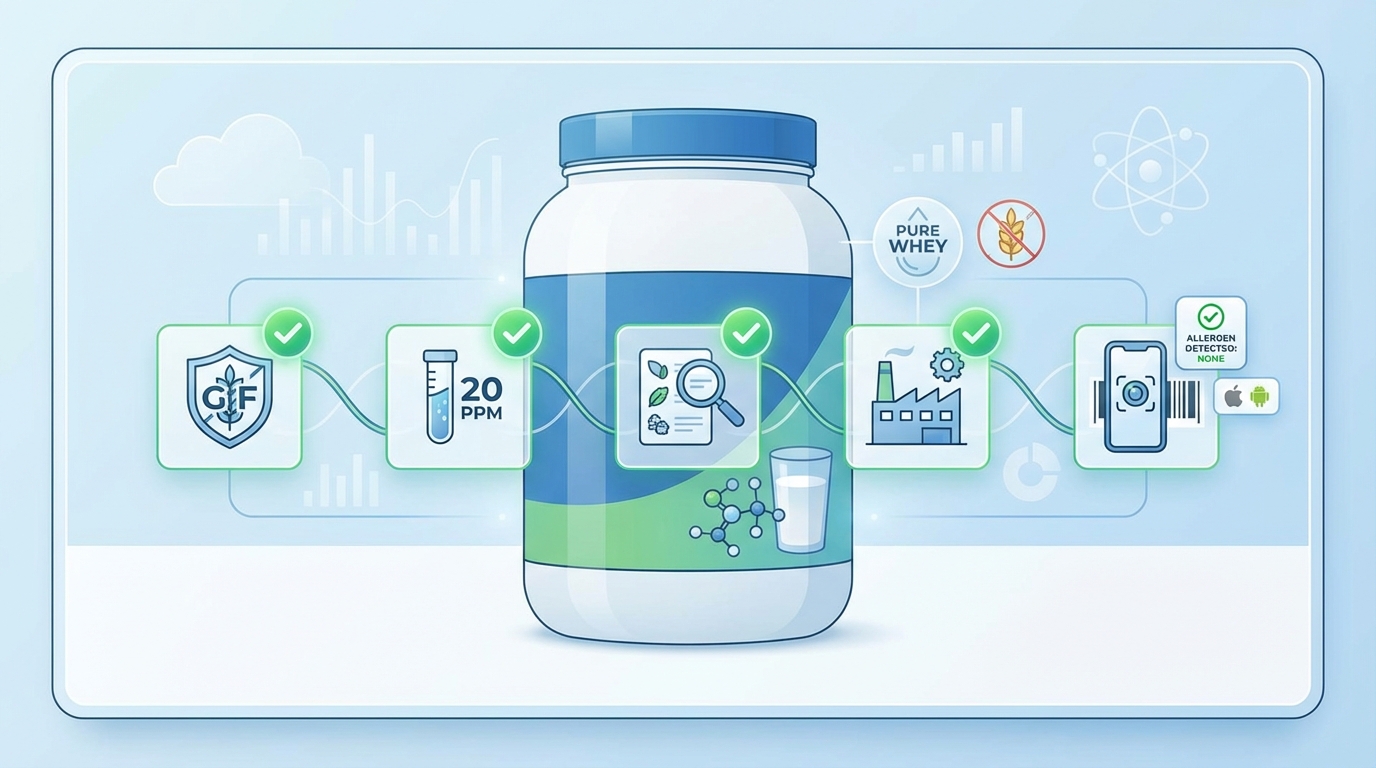
Look for products with certified gluten-free labels indicating testing below 20 ppm gluten. Check for dedicated gluten-free facility certifications and transparent ingredient lists. Use an allergen checker app to scan barcodes for hidden gluten in additives and cross-contamination warnings. Choose reputable brands that conduct third-party testing and provide detailed allergen information on their packaging and websites.
Is whey isolate safer than whey concentrate for gluten-sensitive individuals?
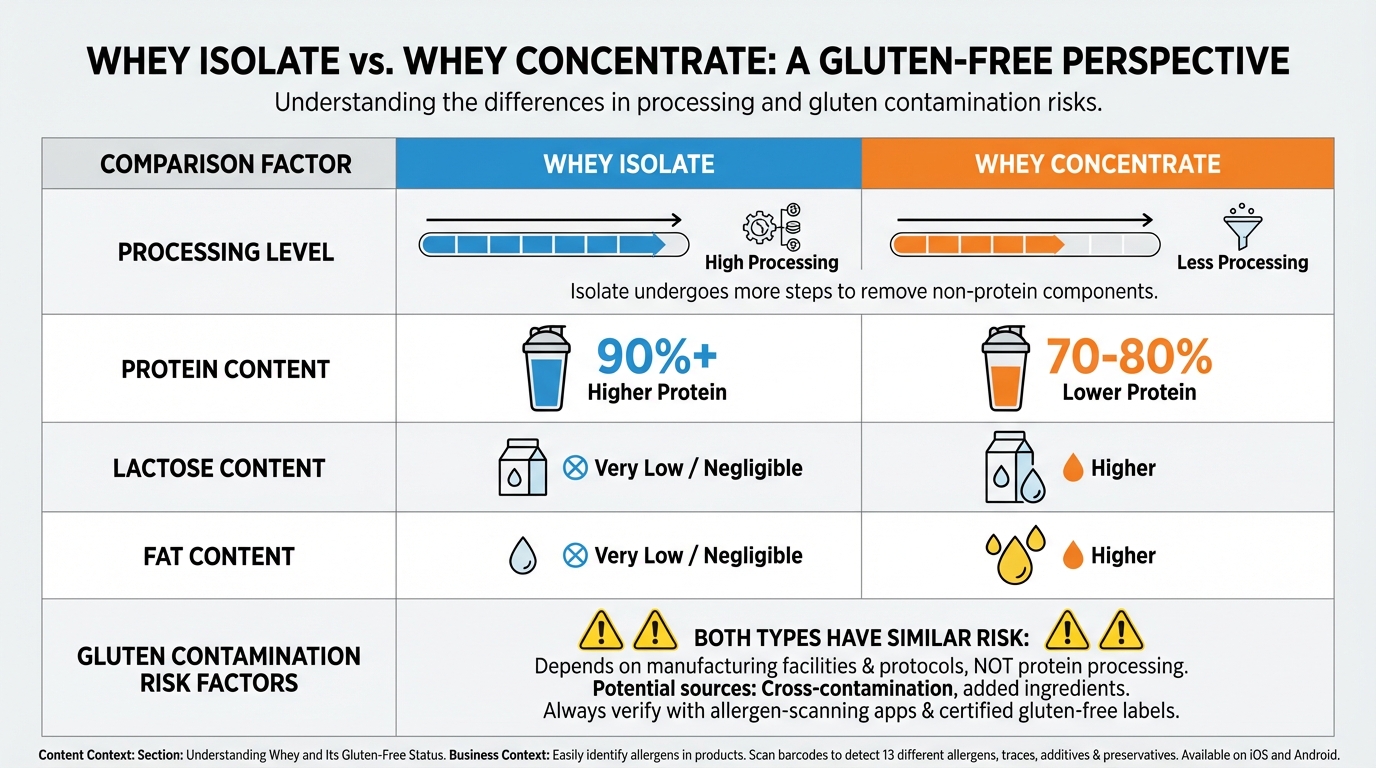
Whey isolate undergoes more processing than concentrate, removing more lactose and fat, but this doesn't necessarily eliminate gluten contamination risks. Both forms can be gluten free if manufactured in dedicated facilities with proper protocols. The safety depends on manufacturing practices, not the protein type. Always verify products using allergen scanning apps and look for certified gluten-free labels regardless of whether you choose isolate or concentrate.
Understanding Whey and Its Gluten-Free Status
If you're navigating dietary restrictions or managing food allergies, you've likely wondered: is whey gluten free? This question is particularly important for individuals with celiac disease, gluten sensitivities, or those following a strict gluten-free diet. The short answer is that pure whey protein is naturally gluten-free, but the complete picture requires a deeper understanding of what whey is and how it's processed.
Whey is a byproduct of cheese production, derived from milk during the curdling process. Since milk and dairy products don't naturally contain gluten—a protein found exclusively in wheat, barley, and rye—whey itself is inherently free from gluten. However, contamination risks and added ingredients can complicate matters for those with severe sensitivities.
Understanding the relationship between whey and gluten is crucial for making informed dietary choices, especially when managing multiple food sensitivities or allergies. Let's explore everything you need to know about whey's gluten-free status and how to safely incorporate it into your diet.
What Exactly Is Whey Protein?
Whey protein is one of the two primary proteins found in milk, with the other being casein. During cheese production, milk is separated into curds (solid) and whey (liquid). The liquid whey contains approximately 20% of the total milk protein and is rich in essential amino acids.
Types of Whey Protein
There are three main types of whey protein available on the market, each with different processing methods and protein concentrations:
- Whey Protein Concentrate (WPC): Contains 70-80% protein with some lactose and fat remaining
- Whey Protein Isolate (WPI): Processed to remove most lactose and fat, containing 90% or more protein
- Whey Protein Hydrolysate: Pre-digested form that's easier to absorb, often used in medical protein supplements
Each type undergoes different levels of processing, which can impact both nutritional content and potential for cross-contamination with allergens. Understanding these differences is essential when selecting a whey product that meets your dietary needs.
Is Whey Gluten Free? The Complete Answer
Pure whey protein is naturally gluten-free because it comes from milk, which doesn't contain gluten proteins. Gluten is only found in specific grains: wheat, barley, rye, and their derivatives. Since whey is a dairy-derived product, it doesn't inherently contain these problematic proteins.
When Whey Products May Contain Gluten
While whey itself is gluten-free, certain whey products may contain gluten due to several factors:
| Contamination Source | Risk Level | What to Watch For |
|---|---|---|
| Added Flavorings | High | Malt flavoring, cookie pieces, cereal inclusions |
| Manufacturing Facilities | Medium | Shared equipment with gluten-containing products |
| Thickeners and Fillers | Medium | Modified food starch, dextrin, maltodextrin from wheat |
| Additives | Low to Medium | Certain preservatives or binding agents |
Cross-contamination during manufacturing is a significant concern for individuals with celiac disease or severe gluten sensitivities. Even trace amounts of gluten can trigger adverse reactions in sensitive individuals.
Reading Labels for Gluten in Whey Products
When shopping for whey protein products, vigilant label reading is essential. Look for explicit "gluten-free" certifications from recognized organizations, which indicate testing has confirmed gluten levels below 20 parts per million (ppm)—the FDA standard for gluten-free labeling.
Using an allergy checker app can significantly simplify this process by scanning product barcodes and instantly identifying potential allergens and gluten-containing ingredients. This technology helps you make quick, informed decisions while shopping.
Common Ingredients to Watch in Whey Products
Beyond the whey protein itself, many commercial whey products contain additional ingredients that may introduce gluten or other allergens. Understanding these additives is crucial for maintaining a truly gluten-free diet.
Potentially Problematic Additives
- Maltodextrin: Usually gluten-free when derived from corn or potato, but can contain gluten if sourced from wheat
- Natural and Artificial Flavors: May contain gluten-based carriers or processing agents
- Modified Food Starch: Can be derived from wheat unless specifically labeled as corn or potato starch
- Malt Extract or Malt Flavoring: Almost always contains gluten from barley
- Hydrolyzed Vegetable Protein: May contain wheat unless specified otherwise
Chemical Compounds and Processing Agents
Some whey products may contain various chemical compounds used in processing or as additives. While most are gluten-free, understanding their purpose helps in making informed choices:
Hydroxy stearic acid is sometimes used as an emulsifier or stabilizer in protein supplements. This fatty acid derivative is typically gluten-free and helps improve texture and mixability of protein powders.
Methane sulfonic acid may be used in certain protein processing methods as a catalyst or pH adjuster. While not commonly listed on consumer labels, it's generally considered gluten-free as it's a synthetic compound.
Poly carboxylic acid compounds can appear in some formulations as chelating agents or pH regulators. These synthetic acids don't contain gluten but may be of concern for those avoiding certain chemical additives.
For those managing multiple dietary restrictions, finding products that are both gluten-free and free from unwanted additives requires careful attention. A food allergy app can help identify these ingredients quickly by scanning product labels.
Comparing Whey to Other Gluten-Free Protein Sources
For individuals seeking gluten-free protein options, whey is just one of many choices available. Understanding how it compares to alternatives helps you make the best decision for your dietary needs.
| Protein Source | Naturally Gluten-Free | Complete Protein | Digestibility |
|---|---|---|---|
| Whey Protein | Yes | Yes | Excellent |
| Pea Protein | Yes | Nearly Complete | Good |
| Rice Protein | Yes | No | Good |
| Egg White Protein | Yes | Yes | Excellent |
| Hemp Protein | Yes | Yes | Good |
Benefits of Whey for Gluten-Free Diets
Whey protein offers several advantages for those following gluten-free diets. It's a complete protein containing all nine essential amino acids, making it particularly valuable for individuals whose gluten-free diets may be lower in certain nutrients.
The high bioavailability of whey means your body can efficiently absorb and utilize its amino acids for muscle repair, immune function, and overall health. This is especially important when managing celiac disease, which can impair nutrient absorption.
Navigating Gluten-Free Food Choices Beyond Whey
Managing a gluten-free lifestyle extends far beyond protein supplements. Understanding which everyday foods are safe helps you maintain a balanced, nutritious diet while avoiding gluten exposure.
Gluten-Free Snack Options
Finding convenient, safe snacks can be challenging when avoiding gluten. Fortunately, there are numerous options available. For comprehensive guidance, check out this resource on gluten free dairy free snacks that covers over 50 safe options for those managing multiple dietary restrictions.
Understanding Nutrition Labels
When evaluating packaged foods, understanding nutritional information is crucial. Whether you're checking protein content in whey products or evaluating other foods, tools like a chipotle nutrition calculator can help you track macronutrients and make informed decisions about your meals.
For those who enjoy dining out, having access to chipotle nutrition info allows you to plan gluten-free meals at popular restaurants while monitoring your nutritional intake. Many chain restaurants now provide detailed allergen and nutrition information to help customers with dietary restrictions.
Beer and Beverage Alternatives
Traditional beer contains gluten from barley and wheat, making it off-limits for those with celiac disease or gluten sensitivities. However, the market for gluten free wheat free beer has expanded significantly, with breweries creating products using sorghum, rice, millet, and other gluten-free grains.
When selecting beverages, always verify that products are certified gluten-free rather than simply "low-gluten," as the latter may still contain problematic levels for sensitive individuals.
Snack Food Alternatives
Many popular snack foods contain gluten, but alternatives are increasingly available. For example, while traditional Cheez-Its contain wheat flour, the market now offers gluten free cheese-its options made with alternative flours like rice or almond flour, providing similar flavor profiles without the gluten.
Certification and Testing Standards for Gluten-Free Whey
Understanding gluten-free certifications helps you identify truly safe whey products. Several organizations provide third-party testing and certification to verify gluten-free status.
Key Certification Programs
- GFCO (Gluten-Free Certification Organization): Requires products to contain less than 10 ppm gluten
- NSF Gluten-Free Certification: Tests for gluten content below 20 ppm
- Celiac Support Association Recognition Seal: Verifies products meet strict gluten-free standards
- FDA Gluten-Free Label: Products must contain less than 20 ppm gluten
Products with these certifications undergo regular testing to ensure they maintain gluten-free status throughout production. This provides additional peace of mind beyond manufacturer claims alone.
Testing Methods
Modern testing methods can detect gluten at very low levels, typically using ELISA (enzyme-linked immunosorbent assay) tests that identify specific gluten proteins. These tests are sensitive enough to detect gluten concentrations as low as 5 ppm, well below the FDA's 20 ppm threshold.
Managing Multiple Food Allergies and Sensitivities
Many individuals dealing with gluten sensitivities also manage other food allergies or intolerances. Whey products can present additional concerns for those with dairy allergies or lactose intolerance.
Whey and Dairy Allergies
While whey is gluten-free, it's important to note that it is a dairy product containing milk proteins. Individuals with milk allergies must avoid whey entirely, as it can trigger allergic reactions ranging from mild to severe.
Whey protein isolate contains less lactose than concentrate forms, making it potentially suitable for some individuals with lactose intolerance. However, those with true milk protein allergies should avoid all whey products regardless of processing level.
Using Technology to Manage Allergies
Managing multiple dietary restrictions becomes significantly easier with modern technology. An allergy checker app allows you to scan product barcodes and instantly identify 13 different allergens, including gluten and dairy, along with traces, additives, and preservatives.
This technology is particularly valuable when shopping for whey products, as it can quickly flag potential issues with added ingredients or cross-contamination risks that might not be immediately obvious from label reading alone.
Practical Tips for Selecting Gluten-Free Whey Products
Armed with knowledge about whey and gluten, here are practical strategies for selecting safe products that meet your dietary needs:
Shopping Checklist
- Look for explicit "gluten-free" certification labels from recognized organizations
- Read the complete ingredient list, not just the protein source
- Check for statements about manufacturing facilities and cross-contamination risks
- Research the brand's reputation for allergen management and quality control
- Consider unflavored options to minimize risk from flavoring ingredients
- Use scanning apps to quickly verify allergen information
- Contact manufacturers directly if you have questions about specific ingredients
Questions to Ask Manufacturers
When in doubt about a product's gluten-free status, don't hesitate to contact the manufacturer. Ask specific questions about:
- Whether the product is tested for gluten and at what frequency
- What gluten threshold the company uses (ideally below 20 ppm)
- Whether production facilities also process wheat, barley, or rye
- What cleaning protocols are in place between product runs
- Whether natural flavors contain any gluten-derived ingredients
Reputable manufacturers should be able to provide clear, detailed answers to these questions, demonstrating their commitment to allergen safety.
Health Benefits of Gluten-Free Whey Protein
For those who can safely consume dairy products, gluten-free whey protein offers numerous health benefits that support overall wellness and nutritional goals.
Nutritional Advantages
| Benefit | How Whey Helps | Relevant For |
|---|---|---|
| Muscle Building | High in leucine and essential amino acids | Athletes, active individuals |
| Weight Management | Promotes satiety and preserves lean muscle | Those managing weight |
| Immune Support | Contains immunoglobulins and lactoferrin | Everyone, especially during illness |
| Nutrient Absorption | Easily digestible, high bioavailability | Those with digestive concerns |
Considerations for Celiac Disease
Individuals with celiac disease often experience nutrient deficiencies due to intestinal damage caused by gluten exposure. Certified gluten-free whey protein can help address these deficiencies by providing high-quality protein that supports healing and nutritional recovery.
However, it's essential to ensure complete gluten avoidance while using whey supplements. Even trace contamination can impair intestinal healing and nutrient absorption, undermining the benefits of supplementation.
Common Misconceptions About Whey and Gluten
Several myths and misconceptions surround whey protein and its gluten-free status. Clarifying these misunderstandings helps you make better-informed decisions.
Myth vs. Reality
Myth: All protein powders contain gluten.
Reality: Many protein sources, including whey, egg, and plant-based proteins, are naturally gluten-free. Contamination is the primary concern, not the protein source itself.
Myth: "Wheat-free" means gluten-free.
Reality: Wheat-free products may still contain barley or rye, both of which contain gluten. Always look for explicit "gluten-free" labeling.
Myth: Small amounts of gluten won't hurt anyone.
Reality: For individuals with celiac disease, even trace amounts (below 20 ppm) can trigger immune responses and intestinal damage over time.
Myth: Whey protein isolate always contains less gluten than concentrate.
Reality: Both should be gluten-free if properly processed. The difference lies in lactose and fat content, not gluten levels.
Making Informed Choices for Your Health
Navigating the world of gluten-free products doesn't have to be overwhelming. With the right knowledge and tools, you can confidently select whey protein products that support your health goals while maintaining strict gluten avoidance.
Remember that pure whey is naturally gluten-free, but added ingredients and cross-contamination present real risks. Always prioritize products with third-party gluten-free certification, read labels carefully, and don't hesitate to contact manufacturers with questions.
Technology can be your ally in managing dietary restrictions. Modern apps can scan barcodes and instantly identify potential allergens, making grocery shopping faster and safer. This is particularly valuable when evaluating complex products with multiple ingredients.
Your Path to Safer Food Choices
Whether you're managing celiac disease, gluten sensitivity, or simply choosing to avoid gluten for personal health reasons, understanding which products are truly safe empowers you to maintain your diet confidently. Whey protein can be an excellent addition to a gluten-free diet when you choose certified products from reputable manufacturers.
Take control of your dietary safety by using tools designed specifically for allergen management. Visit Nutrict to discover how easy it is to scan products and identify allergens, traces, additives, and preservatives instantly. With support for 13 different allergens and availability on both iOS and Android, you can shop with confidence and peace of mind, knowing exactly what's in every product you purchase.
Your health is worth the extra vigilance, and with the right resources, maintaining a gluten-free lifestyle while enjoying the benefits of quality protein supplementation is entirely achievable.
Article created using IntentRank