Grape Nuts Nutrition Facts: Complete Allergen Guide 2024

TL;DR: Grape Nuts nutrition provides a high-fiber, low-fat breakfast option with approximately 200 calories per half-cup serving. This cereal contains whole grain wheat and barley, offering 7 grams of protein, 47 grams of carbohydrates, and essential vitamins and minerals including iron, B vitamins, and zinc, making it a nutrient-dense choice for health-conscious consumers.
Frequently Asked Questions

What are the key nutritional benefits of Grape Nuts cereal?
Grape Nuts cereal provides significant nutritional benefits including high fiber content (7g per serving), whole grain wheat and barley, iron, B vitamins, and folic acid. Each serving contains approximately 200 calories with minimal fat and sugar. The cereal offers sustained energy and supports digestive health, making it a popular choice for health-conscious consumers seeking nutrient-dense breakfast options.
Are Grape Nuts gluten free or suitable for celiac disease?
No, Grape Nuts are not gluten free. The cereal contains wheat flour and malted barley flour as primary ingredients, both of which contain gluten. People with celiac disease or gluten sensitivity should avoid Grape Nuts and choose certified gluten free alternatives like quinoa flakes or gluten free oat-based cereals instead.
How can I check if Grape Nuts contain allergens I'm sensitive to?
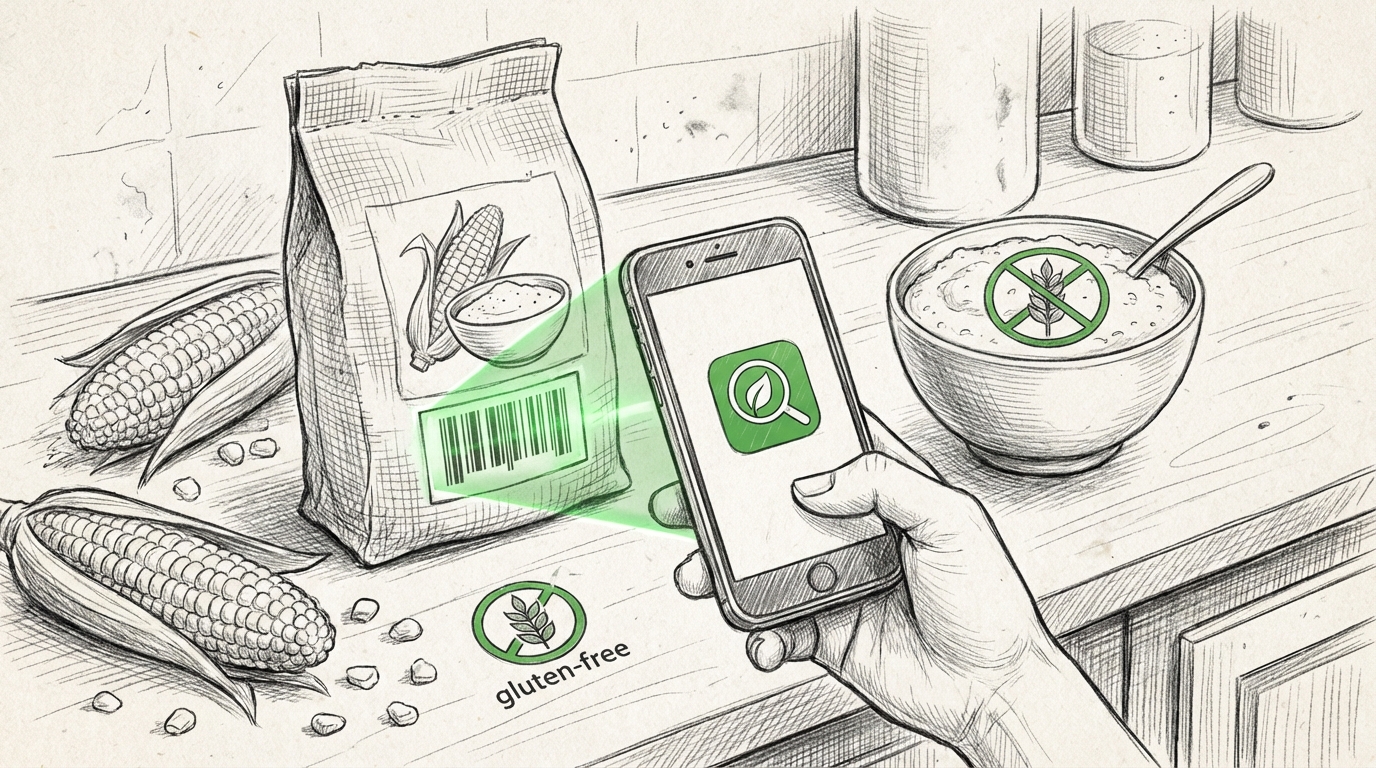
You can use allergen checker apps available on iOS and Android to scan Grape Nuts barcodes and instantly identify all 13 major allergens, traces, additives, and preservatives. These apps provide detailed ingredient breakdowns, helping you make informed decisions about whether Grape Nuts are safe for your specific dietary restrictions and allergy concerns.
What preservatives like e202 potassium sorbate are in Grape Nuts?
Grape Nuts typically contain minimal preservatives compared to many processed cereals. While formulations may vary by region, the cereal primarily relies on its low moisture content for shelf stability. To identify specific additives like e202 potassium sorbate or other preservatives in your Grape Nuts package, scan the barcode using an allergen detection app for complete ingredient transparency.
Are Grape Nuts a healthy snack idea for weight loss?
Grape Nuts can support weight loss goals when consumed in controlled portions. The high fiber content promotes satiety and digestive health, while the complex carbohydrates provide sustained energy. However, at 200 calories per half-cup serving, portion control is essential. Pair with low-fat milk or yogurt for balanced nutrition, and consider measuring servings to avoid overconsumption.
How do Grape Nuts nutrition facts compare to quinoa for breakfast?
Grape Nuts offer more fiber (7g vs 3g) and are fortified with vitamins and minerals, while quinoa is naturally gluten free and provides complete protein with all nine essential amino acids. Grape Nuts contain approximately 200 calories per serving compared to quinoa's 220 calories. Quinoa suits gluten-sensitive individuals, whereas Grape Nuts benefit those seeking fortified, fiber-rich cereals without gluten restrictions.
Can restaurants that are gluten free serve Grape Nuts alternatives?
Restaurants that are gluten free typically cannot serve traditional Grape Nuts due to wheat and barley content. However, many gluten free establishments offer similar crunchy cereal alternatives made from rice, corn, or certified gluten free oats. When dining out, use allergen checker apps to verify ingredients in menu items and communicate your dietary needs clearly to restaurant staff.
What additives should I look for in Grape Nuts nutrition labels?
When reviewing Grape Nuts nutrition labels, look for additives including malted barley flour, salt, dried yeast, and potential fortification compounds like ferric orthophosphate (iron) and B vitamins. While Grape Nuts contain fewer additives than many cereals, using an allergen scanning app helps identify all ingredients, including acids like hydroxy stearic acid or preservatives that may concern sensitive consumers.
Understanding Grape Nuts Nutrition: A Comprehensive Breakfast Analysis

When it comes to classic American breakfast cereals, few have the enduring reputation of Grape Nuts. This dense, crunchy cereal has been a morning staple since 1897, but many consumers wonder about grape nuts nutrition and whether this iconic breakfast option truly lives up to its health food reputation. With its distinctive texture and wholesome ingredients, Grape Nuts continues to attract health-conscious consumers looking for nutritious breakfast alternatives.
According to Consumer Reports, Grape Nuts received top ratings for both nutrition and taste in their 2013 review of high-fiber cereals. But what exactly makes this cereal stand out nutritionally, and are there any concerns consumers should be aware of?
In this comprehensive guide, we'll explore the complete nutritional profile of Grape Nuts, examine its health benefits and potential drawbacks, and help you determine whether this cereal deserves a place in your healthy eating plan. Whether you're managing dietary restrictions or simply seeking nutritious breakfast options, understanding grape nuts nutrition is essential for making informed food choices.
Complete Nutritional Breakdown of Grape Nuts

The nutritional profile of Grape Nuts varies significantly depending on serving size. Understanding these values is crucial for anyone tracking their daily nutrient intake or managing specific dietary needs.
Per Half-Cup Serving (Original Grape Nuts)
According to data from Consumer Reports, a standard half-cup serving of Grape Nuts Original provides:
- Fiber: 7 grams (approximately 25% of daily fiber needs)
- Protein: 6 grams (equivalent to a large egg)
- Sodium: 280 mg
- Added Sugars: 0 grams
- Cholesterol: 0 mg
Per Cup Serving: Detailed Macronutrient Analysis
The University of Rochester Medical Center provides comprehensive nutritional data for a full cup serving, which reveals the following values:
| Nutrient | Amount | % Daily Value Context |
|---|---|---|
| Calories | 208.22 kcal | Moderate calorie density |
| Carbohydrates | 47.15g | Primary energy source |
| Protein | 6.26g | Good plant-based protein |
| Total Fat | 1.1g | Very low-fat cereal |
| Dietary Fiber | 5.05g | Supports digestive health |
| Total Sugars | 6.96g | Naturally occurring sugars |
| Sodium | 353.8mg | 15% of daily limit |
Micronutrient Profile: Vitamins and Minerals
Grape Nuts is fortified with essential vitamins and minerals, making it particularly valuable for meeting daily nutritional requirements. The Post Consumer Brands website confirms that Grape Nuts is an excellent source of iron and folic acid.
According to University of Rochester Medical Center data, one cup of Grape Nuts contains:
- Iron: 16.2 mg (exceptionally high for a cereal)
- Folate (DFE): 161.82 mcg
- Vitamin B-12: 1.5 mcg
- Vitamin A: 749.94 IU
- Magnesium: 58 mg
- Phosphorus: 138.62 mg
- Potassium: 178.06 mg
- Zinc: 1.2 mg
The iron content is particularly noteworthy, as it provides a substantial portion of the daily recommended intake. This makes Grape Nuts an excellent choice for individuals concerned about iron deficiency, similar to how those with dietary restrictions might use an allergy checker app to ensure their food choices meet their nutritional needs.
Key Ingredients: What Makes Grape Nuts
Understanding the ingredients in Grape Nuts helps explain its nutritional profile and potential health benefits. Unlike many modern cereals that contain lengthy ingredient lists with preservatives like e202 potassium sorbate, Grape Nuts maintains a relatively simple formulation.
Primary Ingredients
According to Post Consumer Brands, Grape Nuts cereal is made from:
- Whole-grain wheat flour: The primary ingredient providing fiber and nutrients
- Malted barley flour: Adds flavor and additional whole grain benefits
- Fortification ingredients: Vitamins and minerals added to enhance nutritional value
Consumer Reports notes that most of the fiber in Grape Nuts is insoluble fiber, which is particularly important for preventing constipation and supporting digestive health. This type of fiber differs from the soluble fiber found in oats and helps move food through the digestive system efficiently.
What Grape Nuts Doesn't Contain
For those managing food allergies or dietary restrictions, understanding what's NOT in Grape Nuts is equally important:
- No added sugars (naturally occurring sugars only)
- Zero cholesterol
- No artificial preservatives
- Low in saturated fat (0.23g per cup)
However, it's important to note that Grape Nuts contains wheat and barley, making it unsuitable for those seeking gluten free dairy free snacks or wondering is quinoa gluten free. Unlike gluten free wheat free beer options, traditional Grape Nuts is not appropriate for individuals with celiac disease or gluten sensitivities.
Health Benefits of Grape Nuts Nutrition
The nutritional composition of Grape Nuts translates into several tangible health benefits when incorporated into a balanced diet.
Excellent Fiber Source for Digestive Health
With 7 grams of fiber per half-cup serving, Grape Nuts provides approximately 25% of your daily fiber needs according to Consumer Reports. This high fiber content supports:
- Regular bowel movements and prevention of constipation
- Improved gut health and microbiome diversity
- Better blood sugar control throughout the day
- Enhanced feelings of fullness and satiety
The predominantly insoluble fiber content makes Grape Nuts particularly effective for maintaining digestive regularity, which is essential for overall health and wellness.
Plant-Based Protein for Sustained Energy
Each half-cup serving delivers 6 grams of protein, equivalent to a large egg. This plant-based protein provides:
- Sustained energy throughout the morning
- Support for muscle maintenance and repair
- Increased satiety compared to low-protein cereals
- A valuable protein source for vegetarian diets
When combined with milk or yogurt, Grape Nuts creates a complete breakfast that can help you feel full longer, supporting healthy snack ideas for weight loss goals by reducing mid-morning hunger.
Whole Grain Benefits for Long-Term Health
The Post Consumer Brands website emphasizes that Grape Nuts Original meets 100% of the daily whole grain recommendation. Whole grains are associated with:
- Reduced risk of heart disease
- Lower risk of type 2 diabetes
- Better weight management over time
- Decreased inflammation throughout the body
Iron and Folate for Blood Health
The exceptionally high iron content (16.2 mg per cup) makes Grape Nuts particularly valuable for:
- Preventing iron-deficiency anemia
- Supporting oxygen transport throughout the body
- Maintaining energy levels and reducing fatigue
- Meeting increased iron needs during pregnancy
The folic acid content further supports blood health and is especially important for women of childbearing age.
Potential Concerns and Considerations
While grape nuts nutrition offers many benefits, there are some important considerations for consumers to keep in mind.
High Sodium Content
Amy Keating, RD, a nutritionist at Consumer Reports, notes that the sodium count is on the high side. With 280 mg per half-cup serving (or 353.8 mg per cup), this represents a significant portion of the recommended daily limit of less than 2,300 mg.
"Given that you should be getting less than 2,300 mg a day and the small serving size, that's more than I'd like to see in a cereal," Keating explains in the Consumer Reports article.
For individuals managing high blood pressure or following low-sodium diets, this sodium content may be a concern, particularly when combined with other high-sodium foods throughout the day.
The Serving Size Challenge
One of the most significant issues with Grape Nuts nutrition is the disconnect between labeled serving sizes and actual consumption. Consumer Reports conducted a revealing test where 124 consumers poured themselves cereal as they normally would.
The results were striking: Nearly everyone's bowl contained more cereal than the serving size listed on the label. For dense cereals like Grape Nuts, participants poured two to four times the amount listed as a serving.
| Servings Poured | Calories | Sodium | Fiber |
|---|---|---|---|
| 1/2 cup (labeled) | ~104 kcal | 280 mg | 7g |
| 1 cup (typical) | 208 kcal | 354 mg | 5g |
| 2 cups (common) | 416 kcal | 708 mg | 10g |
"Chances are, you're pouring a lot more into your bowl," Keating warns, "so you should realize that means you're taking in more calories and sodium along with the good stuff."
Gluten Content and Allergen Considerations
Grape Nuts contains both wheat and barley, making it unsuitable for individuals with:
- Celiac disease
- Non-celiac gluten sensitivity
- Wheat allergies
- Barley allergies
For those managing multiple food allergies or sensitivities, using a food allergy app can help identify safe alternatives. Unlike options at restaurants that are gluten free, traditional Grape Nuts doesn't accommodate gluten-free diets.
Grape Nuts Varieties: Original vs. Flakes
Post Consumer Brands offers two main varieties of Grape Nuts, each with slightly different nutritional profiles.
Grape Nuts Original
The classic version features:
- Dense, crunchy nuggets requiring significant chewing
- Excellent source of fiber (7g per half-cup)
- Meets 100% of daily whole grain recommendation
- Highest protein and fiber content
Grape Nuts Flakes
According to Post Consumer Brands, Grape Nuts Flakes is a good source of fiber (though not "excellent" like the original). This variety offers:
- Lighter, crispier texture that's easier to eat
- Lower density means larger volume per serving
- Still provides whole grain benefits
- May be more palatable for those who find Original too dense
Both varieties maintain the core nutritional benefits of whole grains while catering to different texture preferences.
How to Incorporate Grape Nuts Into Your Diet
Beyond the traditional breakfast bowl, Grape Nuts' versatility makes it a valuable ingredient for various meals and snacks throughout the day.
Traditional Breakfast Preparation
The classic approach remains popular for good reason:
- Pour a measured half-cup serving to control portions
- Add low-fat milk or plant-based milk alternative
- Top with fresh berries for additional fiber and antioxidants
- Let sit for 2-3 minutes to slightly soften if desired
Creative Recipe Applications
The Post Consumer Brands website showcases innovative recipes including:
- Cold Spinach Dip with Grape Nuts: Uses crushed Grape Nuts for added crunch
- Mexican Stuffed Peppers: Features Grape Nuts as a crunchy topping
- Kale and Mozzarella Baked Egg Cups: Incorporates Grape Nuts for texture
These applications demonstrate how Grape Nuts can function as a versatile ingredient beyond breakfast, similar to how health-conscious consumers might explore various healthy snack ideas for weight loss.
Yogurt Parfait Enhancement
Adding Grape Nuts to yogurt creates a satisfying snack with balanced nutrition:
- Provides satisfying crunch without added sugars
- Increases protein content when combined with Greek yogurt
- Adds fiber to support digestive health
- Creates texture contrast for improved eating experience
Comparing Grape Nuts to Other Breakfast Cereals
Understanding how grape nuts nutrition stacks up against other popular breakfast options helps contextualize its value in a healthy diet.
Grape Nuts vs. Granola
While both are dense cereals, they differ significantly:
| Aspect | Grape Nuts | Typical Granola |
|---|---|---|
| Added Sugars | 0g | 8-12g per serving |
| Fat Content | 1.1g per cup | 10-15g per cup |
| Calories | 208 per cup | 300-400 per cup |
| Protein | 6g per half-cup | 4-6g per half-cup |
Consumer Reports specifically mentions that in their portion size test, they used granola as an example of dense cereals where people tend to over-pour, with Grape Nuts presenting similar challenges.
Positioning in the High-Fiber Cereal Category
In Consumer Reports' 2013 review of high-fiber cereals, Grape Nuts received top ratings for both nutrition and taste, distinguishing it from competitors through:
- No added sugars (unlike many fiber cereals that add sweeteners)
- High protein content relative to other grain-based cereals
- Excellent whole grain content meeting daily recommendations
- Superior micronutrient fortification, especially iron
The History and Cultural Impact of Grape Nuts
Understanding the background of Grape Nuts adds context to its enduring popularity and health food reputation.
Development and Legacy
According to Post Consumer Brands, Grape Nuts was developed in 1897 by C.W. Post. The cereal has been a breakfast staple for over a century, surviving changing food trends and evolving nutritional science.
The cereal gained particular fame in the 1970s through television commercials starring forager Euell Gibbons, who positioned it alongside "natural foods" like pine trees, goldenrod, and cattails. This marketing cemented Grape Nuts' reputation as a health food in the American consciousness.
The 2021 Shortage
Consumer Reports documented a significant Grape Nuts shortage during late 2020 and early 2021. Post Consumer Brands announced in March 2021 that shipping had returned to full capacity, demonstrating the cereal's continued popularity and devoted consumer base.
The shortage highlighted how deeply embedded Grape Nuts has become in many Americans' morning routines, with consumers expressing genuine distress at its temporary unavailability.
Expert Recommendations and Consumer Guidance
Nutrition professionals offer specific guidance for maximizing the benefits of grape nuts nutrition while minimizing potential concerns.
Portion Control Strategies
Given the serving size challenges identified by Consumer Reports, experts recommend:
- Use a measuring cup to pour exactly half a cup initially
- Transfer the measured amount to your bowl to visualize proper portions
- Consider using a smaller bowl to make portions appear more substantial
- If eating more than the serving size, calculate the increased nutrients accordingly
Balancing Sodium Intake
To address the relatively high sodium content:
- Choose low-sodium options for other meals throughout the day
- Pair with fresh fruit rather than adding salt-containing toppings
- Use unsweetened milk or plant-based alternatives without added sodium
- Consider Grape Nuts as an occasional choice if following a strict low-sodium diet
Maximizing Nutritional Benefits
Amy Keating from Consumer Reports acknowledges that despite some concerns, Grape Nuts is "pretty good" nutritionally. To optimize its benefits:
- Pair with protein-rich dairy or plant milk to create a complete breakfast
- Add fresh or frozen berries for additional fiber, vitamins, and antioxidants
- Consider letting the cereal sit briefly in milk to soften slightly for easier digestion
- Use as part of a varied breakfast rotation rather than eating daily
Who Should Choose Grape Nuts?
Understanding which consumers benefit most from grape nuts nutrition helps with personalized dietary planning.
Ideal Candidates for Grape Nuts
This cereal works particularly well for:
- Individuals needing more fiber: The 7g per serving supports digestive health goals
- Those watching added sugars: Zero added sugars makes it suitable for diabetes management
- People concerned about iron intake: Exceptionally high iron content supports blood health
- Vegetarians seeking plant protein: The 6g protein per serving contributes to daily needs
- Anyone prioritizing whole grains: Meets 100% of daily whole grain recommendations
Who Should Consider Alternatives
Grape Nuts may not be ideal for:
- People with celiac disease or gluten sensitivity: Contains wheat and barley gluten
- Those on strict low-sodium diets: 280-354mg per serving is relatively high
- Individuals with dental concerns: The extreme density requires significant chewing
- Anyone seeking quick-digesting carbs: The whole grain content provides slower energy release
For those managing multiple dietary restrictions, tools like Nutrict's allergen scanning app can help identify suitable alternatives that meet specific nutritional needs while avoiding problematic ingredients.
Making Informed Breakfast Choices
The comprehensive analysis of grape nuts nutrition reveals a cereal that largely lives up to its health food reputation, with some important caveats. With 7 grams of fiber, 6 grams of protein, zero added sugars, and exceptional micronutrient fortification, Grape Nuts offers substantial nutritional benefits in a whole grain package.
However, the relatively high sodium content and the tendency for consumers to pour significantly more than the labeled serving size mean that mindful consumption is essential. By measuring portions carefully and balancing Grape Nuts with other nutritious foods throughout the day, most people can enjoy this classic cereal as part of a healthy diet.
The cereal's 125-year history and continued popularity demonstrate that sometimes, simple, minimally processed foods truly do stand the test of time. Whether you're managing specific dietary needs, seeking to increase fiber intake, or simply looking for a satisfying breakfast that provides sustained energy, understanding the complete nutritional profile of Grape Nuts empowers you to make informed choices.
For those managing food allergies or dietary restrictions, making informed choices about every food you consume is crucial. Download the Nutrict app today to easily scan barcodes and identify 13 different allergens, traces, additives, and preservatives in thousands of products. Take control of your nutrition and ensure every meal supports your health goals with instant, reliable allergen information at your fingertips.
Article created using IntentRank