Best Gluten Free Oyster Sauce Brands & Allergen Guide
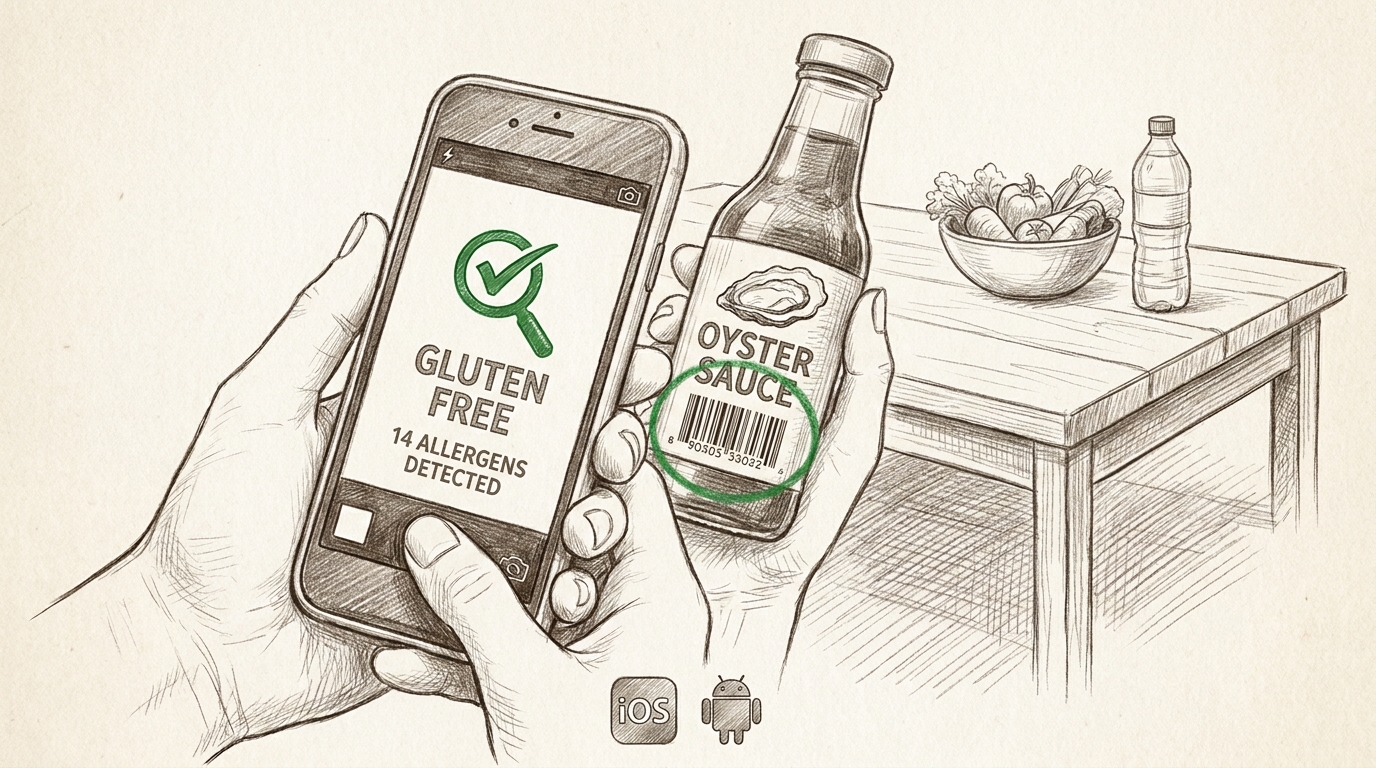
TL;DR: Gluten free oyster sauce is available from several brands that use tamari or gluten-free soy sauce instead of regular soy sauce. Always check labels carefully, as traditional oyster sauce contains wheat-based soy sauce. Look for certified gluten-free versions or use allergen scanning apps to verify products are safe for celiac disease and gluten sensitivities.
Frequently Asked Questions

What is gluten free oyster sauce?
Gluten free oyster sauce is a savory condiment made from oyster extracts, salt, and sugar without wheat-based ingredients. Traditional oyster sauce often contains soy sauce with wheat, but gluten-free versions use tamari or gluten-free soy sauce alternatives. It's essential for people with celiac disease or gluten sensitivity to check labels carefully, as many commercial brands contain hidden gluten from thickeners or soy sauce additives.
How can I identify if oyster sauce contains gluten?
To identify gluten in oyster sauce, scan the product barcode using allergen detection apps available on iOS and Android that check for 14 different allergens including gluten. Always read ingredient labels for wheat, barley, rye, or regular soy sauce. Look for certified gluten-free labels or contact manufacturers directly. Many traditional oyster sauces contain wheat-based soy sauce as a primary ingredient, making them unsuitable for gluten-free diets.
Which brands make gluten free oyster sauce?
Several brands produce gluten-free oyster sauce, including Lee Kum Kee Gluten-Free Oyster Sauce, Wan Ja Shan, and Kikkoman's gluten-free versions. These brands replace traditional soy sauce with tamari or gluten-free alternatives. Always verify current formulations by scanning barcodes with allergen detection apps, as recipes may change. Check for gluten-free certification symbols on packaging to ensure the product meets strict gluten-free standards of less than 20 parts per million.
Can people with celiac disease use regular oyster sauce?
No, people with celiac disease should avoid regular oyster sauce as it typically contains wheat-based soy sauce and other gluten-containing ingredients. Even trace amounts of gluten can trigger immune responses in celiac patients. They must use certified gluten-free oyster sauce alternatives specifically formulated without wheat, barley, or rye. Using allergen scanning apps helps identify safe products before purchase, protecting against accidental gluten exposure.
What are gluten free substitutes for oyster sauce?
Gluten-free oyster sauce substitutes include certified gluten-free oyster sauce brands, homemade versions using gluten-free soy sauce and mushroom broth, or hoisin sauce made without wheat. Fish sauce combined with sugar offers similar umami depth. Mushroom-based sauces provide comparable savory flavors for vegetarians. When substituting, use allergen detection apps to verify all ingredients are gluten-free, as hidden gluten appears in unexpected products through additives and preservatives.
How do I make gluten free oyster sauce at home?
To make gluten-free oyster sauce at home, combine gluten-free soy sauce or tamari with oyster extract, brown sugar, and cornstarch as a thickener. Simmer ingredients until reduced to desired consistency. This ensures complete control over ingredients and eliminates cross-contamination risks. Homemade versions last refrigerated for several weeks. Always use certified gluten-free ingredients and verify each component with allergen scanning technology to avoid traces of gluten from manufacturing processes.
Does oyster sauce contain other common allergens besides gluten?
Yes, oyster sauce naturally contains shellfish, a major allergen, since it's made from oyster extracts. Some brands may also contain soy, fish sauce, or preservatives that trigger sensitivities. People with multiple food allergies should use allergen detection apps that scan for 14 different allergens including shellfish, gluten, soy, and additives. Cross-contamination during manufacturing can introduce traces of other allergens, making thorough ingredient verification essential for safe consumption.
Where can I buy gluten free oyster sauce?
Gluten-free oyster sauce is available at Asian grocery stores, health food stores like Whole Foods, and online retailers including Amazon and Thrive Market. Major supermarkets increasingly stock gluten-free Asian condiments in international or specialty diet sections. Before purchasing, use barcode scanning apps on iOS and Android devices to verify the product is truly gluten-free and check for other allergens, traces, or additives that may affect your dietary needs.
Understanding Gluten Free Oyster Sauce: Your Complete Guide

Finding safe condiments when managing food allergies or gluten sensitivities can feel overwhelming, especially when it comes to Asian sauces like oyster sauce. Gluten free oyster sauce has become increasingly important for those with celiac disease or gluten intolerance who still want to enjoy authentic Asian flavors in their cooking. Traditional oyster sauce often contains wheat-based ingredients that make it unsuitable for gluten-free diets, but thankfully, alternatives exist.
This comprehensive guide explores everything you need to know about gluten free oyster sauce, from understanding what makes traditional versions unsafe to finding certified alternatives. Whether you're cooking at home or dining out, knowing how to identify and use gluten-free versions of this popular condiment can transform your culinary experience while keeping your health priorities intact.
For those managing multiple dietary restrictions or tracking nutrition information, tools like a chipotle nutrition calculator or detailed chipotle nutrition info resources can help you make informed decisions about your meals. The same careful attention to ingredients applies when selecting oyster sauce for your pantry.
What Is Oyster Sauce and Why Does Gluten Matter?

Oyster sauce is a thick, dark brown condiment commonly used in Chinese and other Asian cuisines. It's made from oyster extracts, salt, sugar, and sometimes thickening agents. The rich, savory-sweet flavor adds depth to stir-fries, marinades, and vegetable dishes.
Common Ingredients That Contain Gluten
Traditional oyster sauce often contains hidden gluten sources that can trigger reactions in sensitive individuals. Understanding these ingredients helps you make safer choices:
- Wheat flour: Used as a thickening agent in many commercial brands
- Soy sauce: Often added for flavor enhancement, typically contains wheat
- Modified food starch: May be derived from wheat unless specifically labeled
- Hydrolyzed vegetable protein: Can contain wheat-based proteins
- Maltodextrin: Sometimes derived from wheat (though often corn-based)
Health Implications for Gluten-Sensitive Individuals
For people with celiac disease, even trace amounts of gluten can cause intestinal damage and trigger uncomfortable symptoms. Those with non-celiac gluten sensitivity may experience digestive issues, fatigue, and inflammation when consuming gluten-containing products.
The challenge with oyster sauce is that gluten isn't always obvious from the product name. Just as you might carefully check whether tortilla chips are gluten free or verify if Rice Krispies are gluten free, you need to scrutinize oyster sauce labels carefully.
How to Identify Gluten Free Oyster Sauce
Finding truly gluten free oyster sauce requires careful label reading and understanding certification standards. Not all products marketed as "gluten-free" meet the same rigorous standards.
Key Certification Labels to Look For
| Certification | Standard | Reliability |
|---|---|---|
| Certified Gluten-Free (GFCO) | Less than 10 ppm gluten | Highest standard |
| FDA Gluten-Free Label | Less than 20 ppm gluten | Reliable standard |
| "Made without gluten ingredients" | No gluten ingredients used | May have cross-contamination |
| No certification | Varies by manufacturer | Requires careful investigation |
Reading Ingredient Lists Effectively
When examining oyster sauce labels, look for these safe ingredients and avoid problematic ones:
Safe ingredients:
- Oyster extract or oyster sauce concentrate
- Water
- Salt
- Sugar or cane sugar
- Cornstarch (as thickener)
- Caramel color (usually safe, but verify source)
- Tamari (if labeled gluten-free)
Ingredients to avoid:
- Wheat flour
- Regular soy sauce (contains wheat)
- Barley malt
- Modified food starch (unless specified as corn-based)
- Hydrolyzed wheat protein
Similar to how you'd investigate options at a gluten free bakery or search for breads with no carbs, finding safe oyster sauce requires diligence and knowledge.
Best Gluten Free Oyster Sauce Brands
Several manufacturers now produce certified gluten free oyster sauce options. These brands have reformulated their products to eliminate wheat and other gluten-containing ingredients while maintaining authentic flavor.
Top Recommended Brands
Lee Kum Kee Gluten Free Oyster Sauce: One of the most widely available options, this version uses cornstarch instead of wheat flour as a thickener. It's clearly labeled as gluten-free and maintains the traditional rich, savory flavor profile.
Wan Ja Shan Gluten Free Oyster Sauce: This brand offers organic options and uses tamari instead of regular soy sauce. Their products are certified gluten-free and contain no artificial preservatives.
Kikkoman Gluten Free Oyster Sauce: A trusted name in Asian condiments, Kikkoman's gluten-free version meets strict certification standards and is available in most major grocery stores.
Where to Purchase Gluten Free Oyster Sauce
- Asian specialty stores: Often carry multiple gluten-free brands with competitive pricing
- Health food stores: Stock certified gluten-free options alongside other specialty products
- Major grocery chains: Increasingly stocking gluten-free Asian sauces in international aisles
- Online retailers: Amazon, Thrive Market, and specialty sites offer convenient delivery
- Direct from manufacturers: Some brands sell directly through their websites
Using an allergy checker app can help you quickly verify whether products are safe before purchasing, saving time and reducing anxiety about ingredient safety.
Making Your Own Gluten Free Oyster Sauce at Home
Creating homemade gluten free oyster sauce gives you complete control over ingredients and allows customization to your taste preferences. While it requires some effort, the result is a fresh, preservative-free condiment.
Basic Homemade Recipe
Ingredients:
- 1 cup fresh oysters (or canned oysters, drained)
- 2 tablespoons gluten-free tamari or coconut aminos
- 1 tablespoon brown sugar
- 1 cup water
- 1 tablespoon cornstarch mixed with 2 tablespoons cold water
- 1/2 teaspoon salt
Instructions:
- Simmer oysters in water for 15-20 minutes until they release their flavor
- Strain the liquid, reserving the oyster-infused broth (discard solids or save for another use)
- Return broth to heat and add tamari, sugar, and salt
- Bring to a gentle boil, then reduce heat
- Slowly add cornstarch slurry while stirring constantly
- Continue stirring until sauce thickens to desired consistency
- Cool completely before storing in an airtight container
Storage and Shelf Life
Homemade gluten free oyster sauce should be stored in the refrigerator and used within 2-3 weeks. Commercial versions typically last several months when properly refrigerated after opening.
For those interested in expanding their gluten-free cooking repertoire, exploring other gluten-free foods snacks and ingredients can help create diverse, satisfying meals.
Using Gluten Free Oyster Sauce in Cooking
Gluten free oyster sauce functions identically to traditional versions in recipes. Its umami-rich flavor enhances numerous dishes without compromising taste or texture.
Popular Dishes and Applications
| Dish Type | Usage | Amount per Serving |
|---|---|---|
| Stir-fries | Add during final cooking stage | 1-2 tablespoons |
| Marinades | Mix with other seasonings | 2-3 tablespoons |
| Vegetable dishes | Drizzle over steamed vegetables | 1 tablespoon |
| Noodle dishes | Toss with cooked noodles | 1-2 tablespoons |
| Dipping sauce | Mix with other condiments | 1 teaspoon |
Recipe Ideas for Gluten-Free Cooking
Beef and Broccoli Stir-Fry: Combine sliced beef with broccoli florets, garlic, and ginger. Add gluten free oyster sauce during the final minutes of cooking for authentic flavor.
Mushroom Lettuce Wraps: Sauté mixed mushrooms with gluten free oyster sauce, serve in crisp lettuce leaves for a light, flavorful appetizer.
Asian-Inspired Grilled Chicken: Marinate chicken breasts in a mixture of gluten free oyster sauce, lime juice, and sesame oil before grilling.
When planning meals, you might also want to check chipotle calorie count information or review taco bell nutrition info for dining-out options that complement your gluten-free lifestyle.
Nutritional Profile of Gluten Free Oyster Sauce
Understanding the nutritional content of gluten free oyster sauce helps you incorporate it into a balanced diet. While it adds flavor with relatively few calories, it does contain significant sodium.
Typical Nutritional Information
Per tablespoon (approximately 18g) of gluten free oyster sauce:
- Calories: 15-20
- Total Fat: 0g
- Sodium: 450-600mg (varies by brand)
- Total Carbohydrates: 3-4g
- Sugars: 2-3g
- Protein: 0-1g
Health Considerations
While gluten free oyster sauce is safe for those with gluten sensitivities, the high sodium content requires moderation. Those monitoring blood pressure or following low-sodium diets should use it sparingly.
The sauce provides minimal vitamins and minerals but offers intense flavor with few calories, making it useful for those watching their overall caloric intake. Just as you might track texas roadhouse nutrition info or calculate baked potato calories, being aware of oyster sauce nutrition helps maintain dietary goals.
Gluten Free Oyster Sauce Substitutes
When gluten free oyster sauce isn't available, several alternatives can provide similar flavor profiles. These substitutes work well in most recipes calling for oyster sauce.
Best Substitute Options
Mushroom-Based Sauce: Vegetarian oyster sauce made from mushrooms provides similar umami depth. Many brands are naturally gluten-free, but always verify labels.
Gluten-Free Hoisin Sauce: Sweeter than oyster sauce but offers comparable thickness and richness. Reduce sugar in recipes when substituting.
Tamari and Brown Sugar Mixture: Combine 2 tablespoons gluten-free tamari with 1 teaspoon brown sugar and 1/2 teaspoon cornstarch for a quick alternative.
Fish Sauce with Sugar: Mix fish sauce with a small amount of sugar to approximate oyster sauce's sweet-savory balance. Use sparingly as fish sauce is more pungent.
Substitution Ratios
| Substitute | Ratio to Oyster Sauce | Flavor Notes |
|---|---|---|
| Mushroom sauce | 1:1 | Nearly identical, slightly earthier |
| Gluten-free hoisin | 1:1 | Sweeter, adjust sugar in recipe |
| Tamari-sugar mix | 1:1 | Saltier, less complex |
| Fish sauce blend | 1:2 (less fish sauce) | Stronger, more pungent |
Dining Out: Ordering Gluten Free Dishes with Oyster Sauce
Navigating restaurant menus when you need gluten free oyster sauce requires clear communication with staff. Many Asian restaurants now accommodate gluten-free requests, but cross-contamination remains a concern.
Questions to Ask Restaurant Staff
- Do you use gluten free oyster sauce in your kitchen?
- Can you prepare dishes with gluten-free alternatives?
- Are there separate preparation areas to prevent cross-contamination?
- Which menu items are naturally gluten-free or can be modified?
- Do you have allergen information available for review?
Safe Ordering Strategies
Request dishes made without sauce, then ask for gluten-free alternatives on the side. Choose restaurants familiar with gluten-free requirements and that display allergen information clearly.
Many chain restaurants now provide detailed allergen information, similar to how you can access chipotle nutrition calculator tools online. Don't hesitate to ask for ingredient lists or preparation details.
For pet owners managing dietary restrictions, you might also wonder about other food safety questions like can dogs eat greek yogurt, showing how ingredient awareness extends across all aspects of household nutrition.
Common Mistakes When Buying Gluten Free Oyster Sauce
Even experienced gluten-free consumers can make errors when selecting oyster sauce. Avoiding these common pitfalls ensures you purchase truly safe products.
Mistakes to Avoid
Assuming all Asian sauces are gluten-free: Many traditional Asian condiments contain wheat or barley. Never assume safety without reading labels carefully.
Trusting "wheat-free" claims: Wheat-free doesn't guarantee gluten-free, as products may contain barley or rye. Look specifically for "gluten-free" labeling.
Ignoring cross-contamination warnings: Products manufactured in facilities that also process wheat may carry contamination risks, even if ingredients are gluten-free.
Not checking expiration dates: Expired oyster sauce may develop off-flavors or harbor bacterial growth. Always verify freshness before purchasing.
Overlooking serving size information: Some brands have higher sodium or sugar content than others. Compare nutritional panels to find the healthiest option.
Verification Best Practices
- Use smartphone apps to scan barcodes and verify gluten-free status
- Contact manufacturers directly when label information is unclear
- Join online gluten-free communities for brand recommendations
- Keep a list of verified safe brands for quick reference while shopping
- Photograph labels of safe products for future reference
An allergy scanning app can instantly identify problematic ingredients, making grocery shopping faster and safer for those managing multiple dietary restrictions.
The Future of Gluten Free Asian Condiments
The market for gluten-free Asian condiments continues expanding as awareness grows and demand increases. Manufacturers are reformulating traditional products and creating innovative alternatives.
Industry Trends
More mainstream brands are introducing certified gluten-free versions of popular Asian sauces. This increased availability makes gluten-free cooking more accessible and affordable for consumers.
Improved labeling standards help shoppers quickly identify safe products. Clear gluten-free certifications and allergen warnings are becoming standard on packaging.
Small-batch artisan producers are creating premium gluten free oyster sauce options using organic ingredients and traditional fermentation methods. These products offer exceptional flavor while meeting strict dietary requirements.
Innovation in Gluten-Free Products
Food technology advances enable manufacturers to create gluten-free thickeners and flavor enhancers that perfectly replicate traditional textures. These innovations mean gluten-free versions taste increasingly similar to conventional products.
Plant-based and allergen-friendly alternatives are emerging, catering to consumers with multiple dietary restrictions. These products exclude not only gluten but also common allergens like soy.
Building a Gluten-Free Asian Pantry
Creating a well-stocked gluten-free Asian pantry extends beyond oyster sauce. Having the right ingredients on hand makes preparing authentic dishes easier and more enjoyable.
Essential Gluten-Free Asian Ingredients
- Gluten-free tamari or coconut aminos: Replace regular soy sauce in all recipes
- Rice vinegar: Naturally gluten-free, adds brightness to dishes
- Sesame oil: Provides authentic nutty flavor
- Fish sauce: Most brands are naturally gluten-free, verify labels
- Rice noodles: Versatile gluten-free alternative to wheat noodles
- Cornstarch: Perfect for thickening sauces and coating proteins
- Gluten-free hoisin sauce: Complements oyster sauce in many recipes
Storage and Organization Tips
Store gluten-free condiments separately from gluten-containing products to prevent cross-contamination. Label containers clearly and maintain an inventory system to track expiration dates.
Keep frequently used items like gluten free oyster sauce in easily accessible locations. Store backup bottles of essential ingredients to avoid running out during meal preparation.
Similar to maintaining a selection of gluten-free grains and verifying that staples like basmati rice nutrition meets your dietary needs, organizing your pantry strategically supports successful gluten-free cooking.
Managing Cross-Contamination in Your Kitchen
Even when using certified gluten free oyster sauce, cross-contamination in home kitchens can introduce gluten. Implementing proper food safety practices protects those with celiac disease or severe sensitivities.
Kitchen Safety Protocols
Dedicated utensils: Use separate spoons, spatulas, and measuring cups for gluten-free cooking. Color-coding tools helps prevent mix-ups.
Clean preparation surfaces: Thoroughly wash countertops, cutting boards, and cooking surfaces before preparing gluten-free meals. Consider using dedicated gluten-free cutting boards.
Separate storage: Keep gluten-free products in designated cupboards or on specific shelves. Store items in sealed containers to prevent airborne contamination.
Cooking order: Prepare gluten-free dishes first when cooking multiple meals. This prevents cross-contamination from gluten-containing ingredients.
Deep Cleaning Strategies
- Replace wooden utensils that may harbor gluten in porous surfaces
- Clean toasters thoroughly or designate separate toasters for gluten-free bread
- Wash colanders and strainers carefully, as pasta residue can remain in crevices
- Replace old non-stick pans with scratched surfaces that may trap gluten particles
- Use fresh sponges and dishcloths when cleaning gluten-free cooking areas
Understanding Food Labels and Allergen Declarations
Regulatory requirements for allergen labeling vary by country, but understanding these standards helps you make informed decisions about gluten free oyster sauce and other products.
FDA Labeling Requirements
In the United States, the FDA requires products labeled "gluten-free" to contain less than 20 parts per million (ppm) of gluten. This threshold is considered safe for most people with celiac disease.
Manufacturers must list major allergens clearly, but gluten-containing grains beyond wheat may not be highlighted. Always read complete ingredient lists rather than relying solely on allergen warnings.
International Standards
| Region | Gluten-Free Standard | Labeling Requirement |
|---|---|---|
| United States | Less than 20 ppm | Voluntary gluten-free claim |
| European Union | Less than 20 ppm | Mandatory allergen declaration |
| Canada | Less than 20 ppm | Voluntary gluten-free claim |
| Australia/New Zealand | No detectable gluten | Strict labeling standards |
Using technology like the Allerwise app simplifies label reading by instantly scanning products and identifying potential allergens, including gluten sources.
Cost Comparison: Gluten Free vs. Regular Oyster Sauce
Gluten free oyster sauce typically costs more than conventional versions due to specialized ingredients and certification processes. Understanding price differences helps budget-conscious shoppers plan accordingly.
Price Range Analysis
Regular oyster sauce: $3-$6 per 18-ounce bottle
Gluten free oyster sauce: $6-$12 per 18-ounce bottle
Premium organic gluten-free: $10-$15 per 18-ounce bottle
Homemade gluten-free: $8-$10 per batch (equivalent to 18 ounces)
Value Optimization Strategies
- Buy in bulk when products go on sale to reduce per-unit costs
- Purchase from Asian markets where specialty products are often cheaper
- Make homemade versions when time permits to save money
- Join loyalty programs at health food stores for discounts on regular purchases
- Compare prices across retailers using price-tracking apps
While gluten-free products may cost more initially, investing in your health and avoiding medical issues from gluten exposure provides long-term value that far exceeds the price difference.
Conclusion: Embracing Gluten-Free Asian Cooking
Finding and using gluten free oyster sauce opens up a world of delicious Asian cuisine for those managing celiac disease or gluten sensitivities. With careful label reading, proper kitchen practices, and knowledge of reliable brands, you can safely enjoy authentic flavors without compromising your health.
The growing availability of certified gluten-free Asian condiments reflects increasing awareness and demand for inclusive food options. Whether you choose commercial brands or make your own, gluten free oyster sauce delivers the rich, savory taste that makes Asian dishes so appealing.
Remember that managing food allergies and sensitivities requires vigilance, but it doesn't mean sacrificing flavor or variety. By building a well-stocked gluten-free pantry and learning to identify safe products, you can create restaurant-quality meals at home with confidence.
Take control of your dietary needs with the right tools and information. Visit Allerwise to discover how our food allergy scanner app can help you quickly identify allergens in products, making grocery shopping safer and easier. Available on both iOS and Android, Allerwise scans barcodes to detect 14 different allergens, traces, additives, and preservatives—giving you peace of mind with every purchase. Download the app today and transform the way you shop for gluten-free and allergen-safe products.
Article created using IntentRank