Best Gluten Free Corn Flakes: Safe Brands & Labels Guide
TL;DR: Gluten free corn flakes are breakfast cereals made from corn that are certified to contain less than 20 ppm of gluten, making them safe for people with celiac disease or gluten sensitivity. Always check labels or scan barcodes to verify gluten-free certification and identify potential cross-contamination, traces, or hidden additives that may contain gluten.
Frequently Asked Questions
Are all corn flakes gluten free?
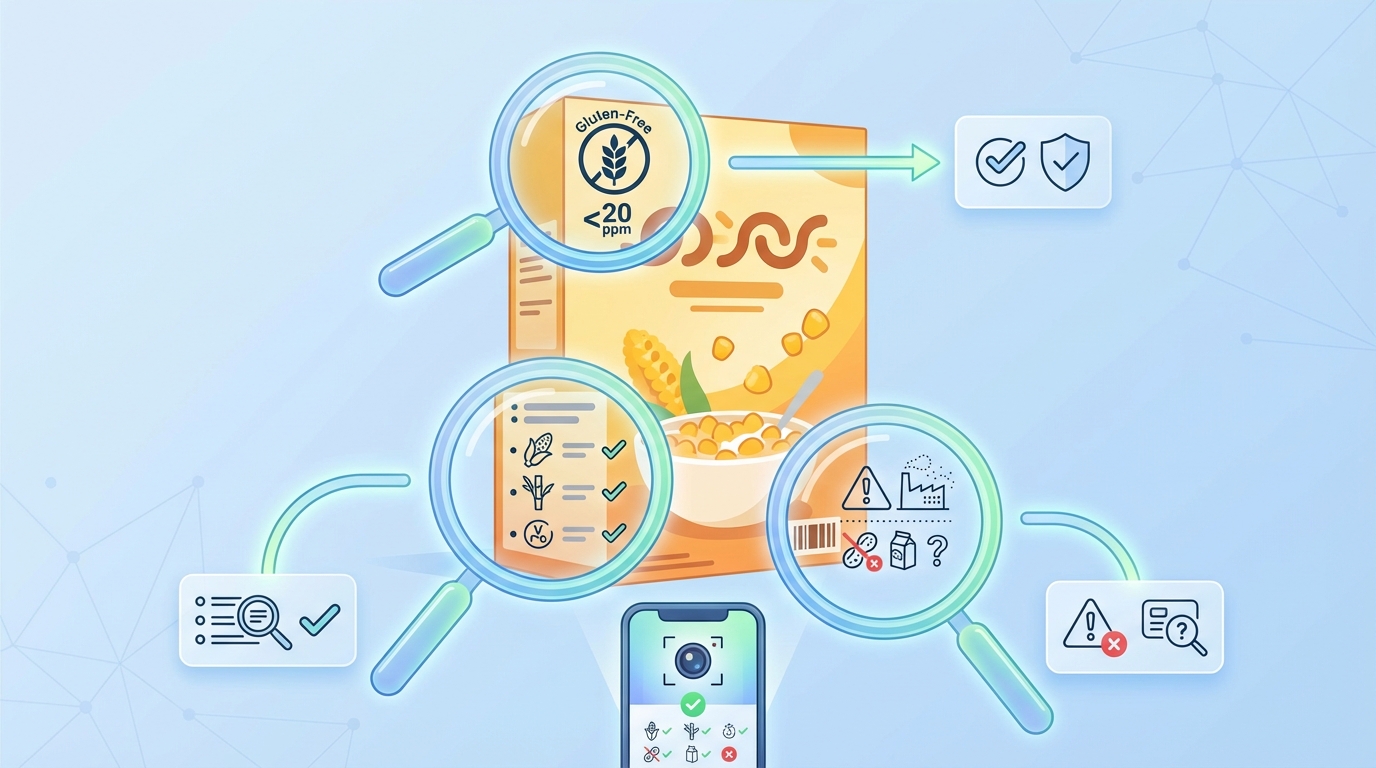
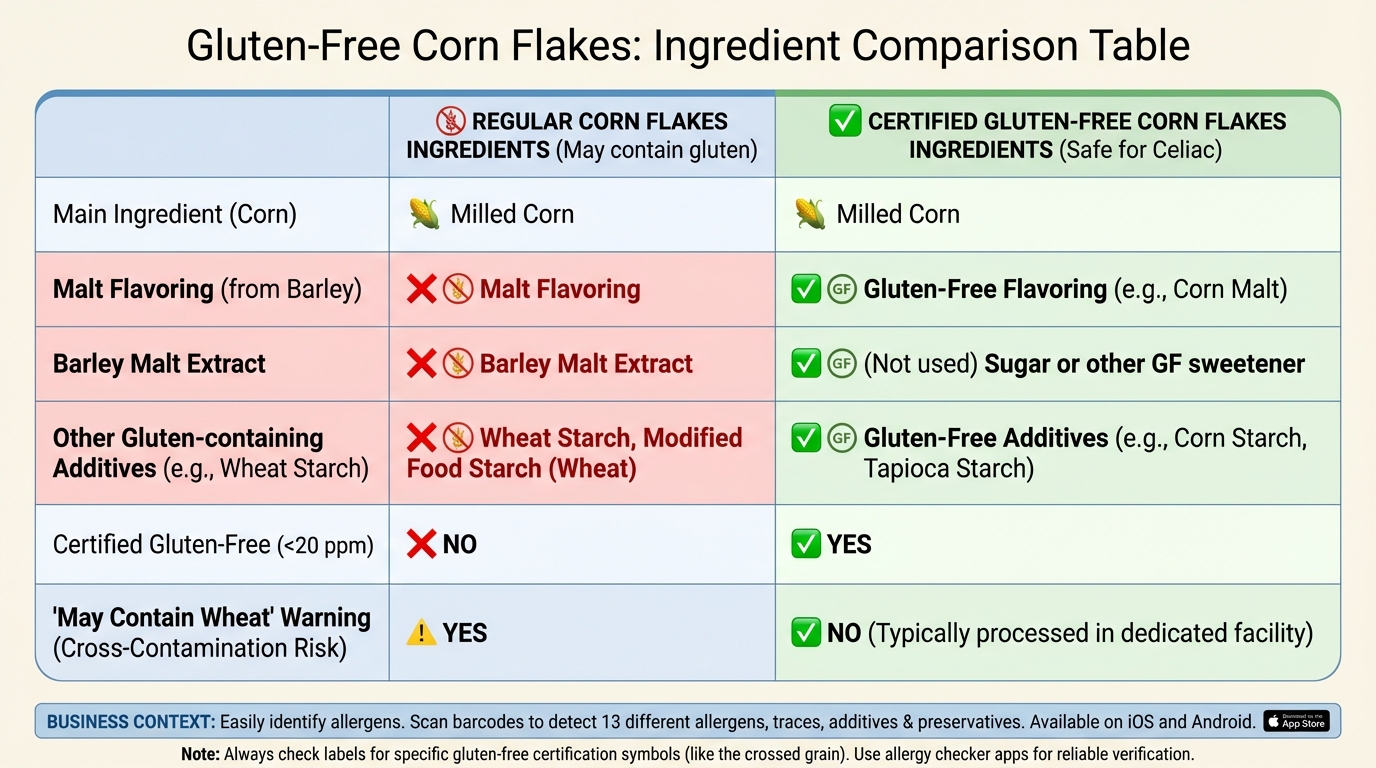
Not all corn flakes are gluten free. While corn is naturally gluten-free, many commercial corn flakes contain malt flavoring derived from barley, which contains gluten. Additionally, cross-contamination during manufacturing can occur. Always check product labels for gluten-free certification and use an allergy checker app to scan barcodes and verify ingredients before consuming if you have celiac disease or gluten sensitivity.
What brands make certified gluten free corn flakes?
Several brands produce certified gluten free corn flakes, including Nature's Path Organic Corn Flakes, Erewhon Corn Flakes, and specific varieties from mainstream brands that carry gluten-free certification. These products are manufactured in dedicated facilities or follow strict protocols to prevent cross-contamination. Always verify certification logos on packaging and scan barcodes with an allergy checker app to confirm current formulations and detect potential allergens.
How can I verify if corn flakes contain gluten using an allergen app?
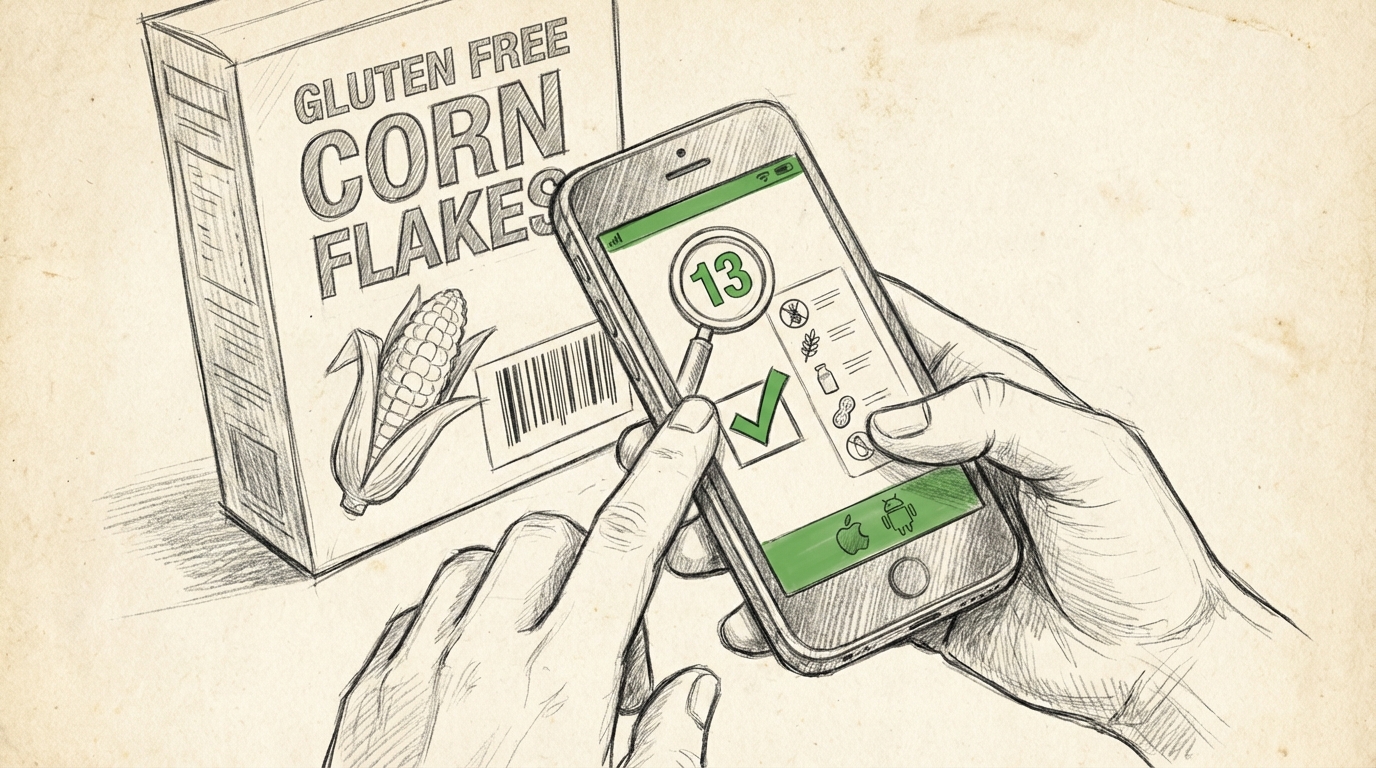
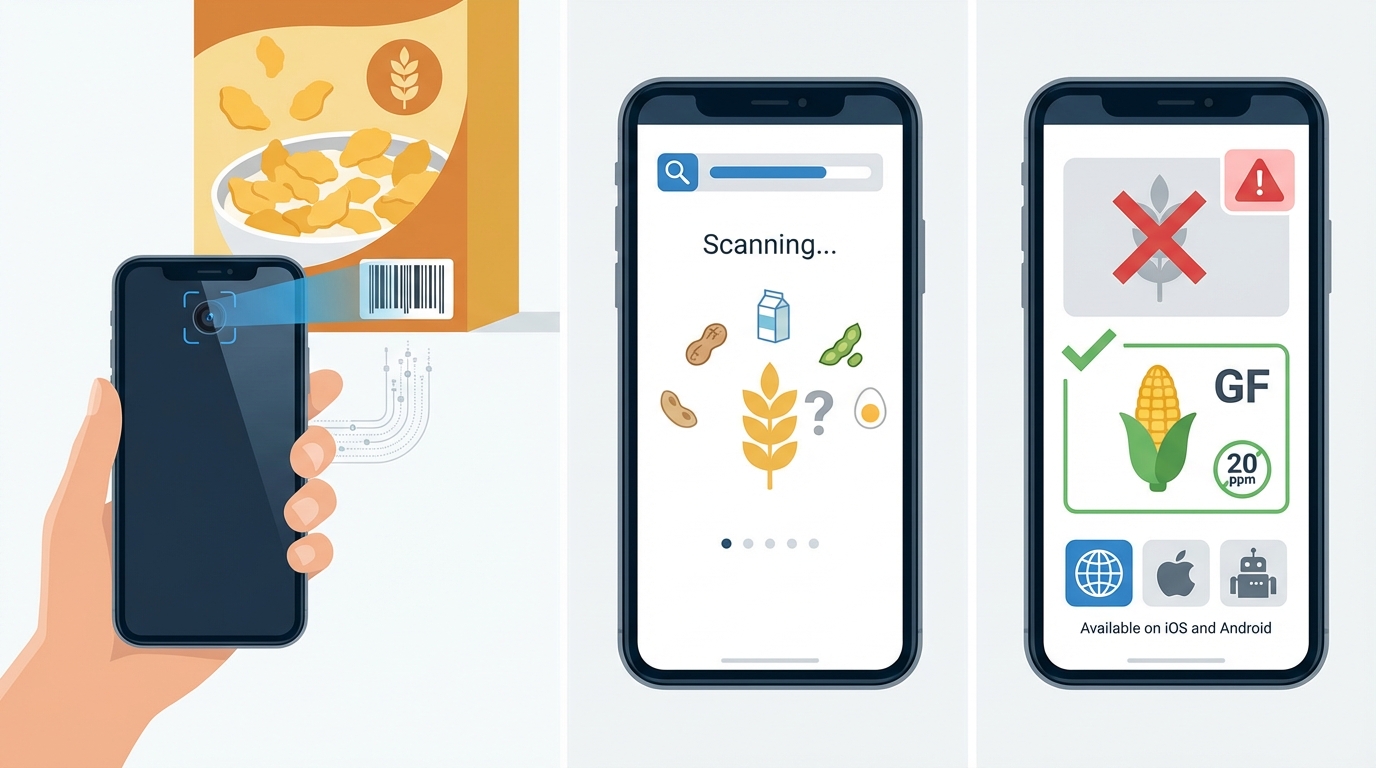
To verify corn flakes for gluten, use an allergy checker app available on iOS and Android. Simply scan the product's barcode, and the app will instantly identify if gluten is present among 13 different allergens, traces, additives, and preservatives. This method is more reliable than manually reading ingredient lists, as apps maintain updated databases and can detect hidden sources of gluten like malt flavoring or cross-contamination warnings.
What ingredients in corn flakes contain gluten?
The primary gluten-containing ingredient in regular corn flakes is malt flavoring or malt extract, derived from barley. Some brands may also add wheat starch or wheat-based vitamins. Additionally, ingredients like hydroxy stearic acid used as emulsifiers are typically gluten-free, but cross-contamination during processing can introduce gluten. Always check for statements like 'contains wheat' or 'processed in a facility with wheat' on labels.
Can people with celiac disease eat gluten free corn flakes?
Yes, people with celiac disease can safely eat corn flakes that are certified gluten free and contain less than 20 parts per million of gluten. Look for official gluten-free certification symbols on packaging. Using an allergy checker app to scan barcodes provides additional verification by detecting gluten and cross-contamination risks. Avoid regular corn flakes containing malt flavoring, as even small amounts can trigger celiac reactions.
What other gluten free breakfast cereals are available besides corn flakes?
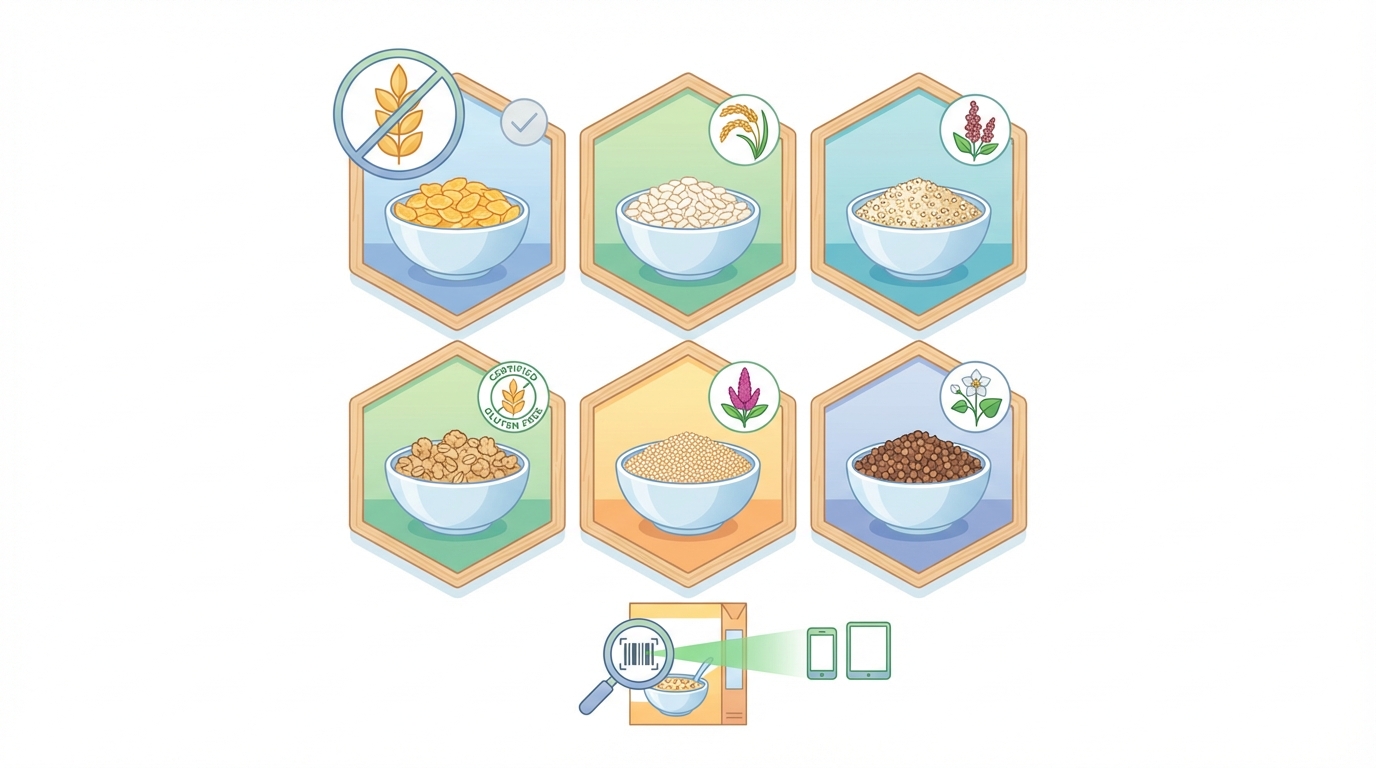
Beyond gluten free corn flakes, many alternatives exist including rice-based cereals, quinoa flakes, certified gluten-free oats, amaranth puffs, and buckwheat cereals. Some brands also offer gluten free versions of popular cereals. For snacking, options like gluten free cheese-its provide variety. Always verify products using an allergy checker app that scans barcodes to detect gluten and other allergens, ensuring safe choices for those with celiac disease or gluten intolerance.
Do gluten free corn flakes have the same nutritional value as regular corn flakes?
Gluten free corn flakes generally have similar nutritional profiles to regular corn flakes, containing comparable amounts of carbohydrates, fiber, and fortified vitamins. The main difference is the absence of malt flavoring and potential variations in fortificants used. Some gluten-free versions may have slightly different sugar or sodium content. Check nutrition labels directly or use tools like a nutrition calculator to compare specific brands and make informed dietary choices.
How do I identify hidden gluten in corn flakes ingredients?
Hidden gluten in corn flakes can appear as malt extract, barley malt, malt flavoring, wheat starch, or modified food starch from wheat. Cross-contamination warnings like 'may contain wheat' also indicate gluten risk. Additives such as poly carboxylic acid or methane sulfonic acid are typically gluten-free. The most reliable method is using an allergy checker app to scan product barcodes, which identifies all 13 major allergens including gluten and traces.
Understanding Gluten Free Corn Flakes: Your Complete Guide
For individuals with celiac disease or gluten sensitivities, finding safe breakfast options can be challenging. Gluten free corn flakes have emerged as a popular alternative to traditional wheat-based cereals, offering a crispy, satisfying start to the day without the worry of gluten contamination. However, not all corn flakes are created equal, and understanding which brands are truly safe requires careful attention to ingredients and manufacturing processes.
While corn is naturally gluten-free, many conventional corn flake cereals contain malt flavoring derived from barley, which contains gluten. This makes it essential for those with gluten sensitivities to identify certified gluten-free options and understand how to read labels effectively.
In this comprehensive guide, we'll explore everything you need to know about gluten free corn flakes, from identifying safe brands to understanding nutritional benefits and potential cross-contamination risks.
Why Traditional Corn Flakes Aren't Always Gluten Free
Many people assume that corn flakes are automatically gluten-free since corn is a naturally gluten-free grain. Unfortunately, this assumption can lead to serious health consequences for those with celiac disease or severe gluten sensitivities.
The Malt Flavoring Problem
The primary issue with conventional corn flakes is the addition of malt flavoring or malt extract. These ingredients are typically derived from barley, which contains gluten. Popular brands like Kellogg's Corn Flakes use malt flavoring to enhance taste, making them unsafe for gluten-free diets.
Even small amounts of barley malt can trigger reactions in sensitive individuals. For someone with celiac disease, consuming just 20 parts per million (ppm) of gluten can cause intestinal damage over time.
Cross-Contamination Concerns
Beyond intentional ingredients, cross-contamination during manufacturing poses another significant risk. Facilities that process both gluten-containing and gluten-free products may inadvertently contaminate corn flakes with wheat, barley, or rye particles.
- Shared production lines can transfer gluten residue between products
- Airborne flour particles in facilities can settle on gluten-free products
- Improper cleaning protocols between production runs increase contamination risk
- Shared storage and transportation equipment may harbor gluten traces
Certified Gluten Free Corn Flakes Brands
Fortunately, several manufacturers have recognized the demand for safe gluten-free breakfast cereals. These brands produce corn flakes specifically formulated without gluten-containing ingredients and manufactured in dedicated facilities or with strict protocols to prevent cross-contamination.
Top Gluten Free Corn Flake Options
| Brand | Certification | Key Features | Availability |
|---|---|---|---|
| Nature's Path Corn Flakes | Certified Gluten-Free, Organic | No GMOs, vegan, no refined sugars | Widely available in health food stores |
| Erewhon Corn Flakes | Certified Gluten-Free | Organic, whole grain, minimal processing | Natural food retailers, online |
| Trader Joe's Gluten Free Corn Flakes | Gluten-Free labeled | Budget-friendly, simple ingredients | Trader Joe's stores nationwide |
| Barbara's Organic Corn Flakes | Certified Gluten-Free | Non-GMO, whole grain corn | Major grocery chains, online retailers |
What to Look for on Labels
When shopping for gluten free corn flakes, scrutinize product labels carefully. Look for explicit "Gluten-Free" certification from recognized organizations like the Gluten-Free Certification Organization (GFCO) or similar bodies.
The ingredient list should be straightforward, typically containing corn, sugar or alternative sweeteners, salt, and possibly vitamins and minerals. Avoid products listing malt, malt flavoring, malt extract, or barley malt.
Nutritional Benefits of Gluten Free Corn Flakes
Gluten free corn flakes offer several nutritional advantages, particularly when you choose organic, whole grain varieties. Understanding their nutritional profile helps you make informed decisions about incorporating them into a balanced diet.
Macronutrient Breakdown
A typical one-cup serving (approximately 28 grams) of gluten free corn flakes provides:
- Calories: 100-110
- Carbohydrates: 24-26 grams
- Protein: 2 grams
- Fat: 0-0.5 grams
- Fiber: 0.5-1 gram
- Sugar: 2-4 grams
Vitamin and Mineral Fortification
Many gluten free corn flakes are fortified with essential vitamins and minerals, making them a convenient way to supplement your daily nutrient intake. Common fortifications include iron, B vitamins (thiamin, riboflavin, niacin, folate), and vitamin D.
These fortifications are particularly beneficial for individuals following restricted diets who may struggle to meet their nutritional needs through whole foods alone.
Comparing to Other Gluten-Free Breakfast Options
| Breakfast Option | Calories (per serving) | Protein (g) | Fiber (g) | Preparation Time |
|---|---|---|---|---|
| Gluten Free Corn Flakes | 100-110 | 2 | 0.5-1 | 2 minutes |
| Gluten Free Oatmeal | 150 | 5 | 4 | 5-10 minutes |
| Rice Cakes with Almond Butter | 180 | 6 | 2 | 3 minutes |
| Gluten Free Toast with Eggs | 250 | 14 | 2 | 8-10 minutes |
Using Technology to Identify Safe Products
In today's digital age, managing food allergies and dietary restrictions has become significantly easier thanks to specialized mobile applications. An allergy checker app can be an invaluable tool for quickly determining whether a product is safe for your specific needs.
How Allergy Detection Apps Work
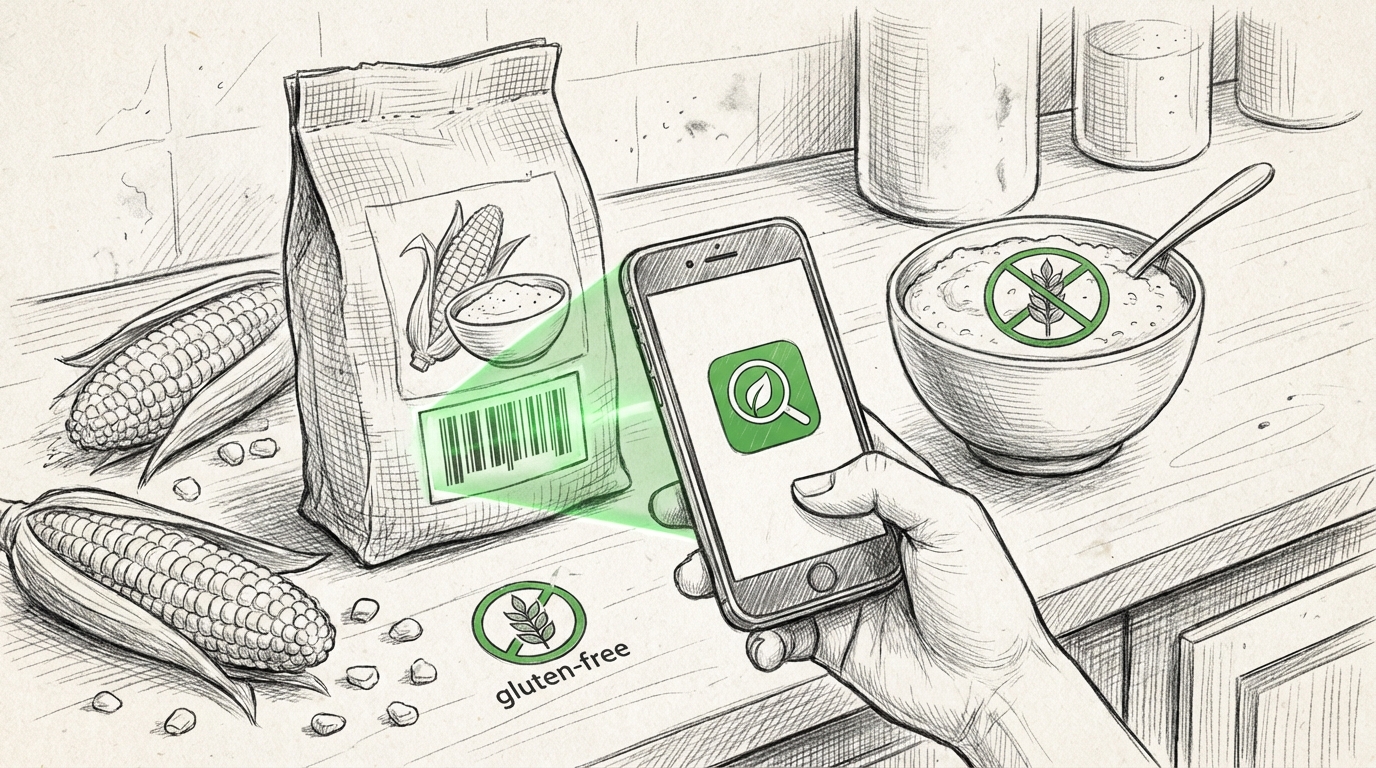
Modern food allergy apps allow users to scan product barcodes and instantly receive detailed information about allergens, including gluten content. These apps maintain extensive databases of products and their ingredients, making it easy to make informed purchasing decisions on the go.
The most effective allergy detection apps can identify multiple allergens simultaneously, including gluten, dairy, nuts, soy, and shellfish. This comprehensive approach is particularly helpful for individuals managing multiple food sensitivities.
Benefits of Digital Allergen Scanning
- Instant verification of gluten-free status while shopping
- Detection of hidden allergens in complex ingredient lists
- Identification of additives and preservatives that may cause sensitivities
- Ability to track safe products and create personalized shopping lists
- Access to information about manufacturing practices and cross-contamination risks
Using technology like Nutrict empowers individuals with dietary restrictions to navigate grocery stores confidently and reduce the risk of accidental gluten exposure.
Beyond Corn Flakes: Expanding Your Gluten-Free Options
While gluten free corn flakes are an excellent breakfast option, variety is important for maintaining a balanced and enjoyable diet. Exploring other gluten-free alternatives ensures you're getting diverse nutrients and preventing meal fatigue.
Gluten-Free Snack Alternatives
For those seeking convenient snack options beyond breakfast, consider exploring gluten free dairy free snacks that accommodate multiple dietary restrictions. Many people with gluten sensitivities also experience issues with dairy, making dual-free options particularly valuable.
Popular alternatives include rice crackers, vegetable chips, fruit and nut bars, and specially formulated gluten-free pretzels. When searching for convenient packaged snacks, you might also wonder about options like gluten free cheese-its, which several brands now manufacture using rice flour or alternative grain bases.
Gluten-Free Beer Options
For adults managing gluten sensitivities, finding safe alcoholic beverages can be challenging. Traditional beers are made from barley and wheat, making them unsafe for gluten-free diets. However, the market for gluten free wheat free beer has expanded significantly in recent years.
Brewers now produce beers using alternative grains like sorghum, rice, millet, and buckwheat. Some manufacturers also use enzymatic processes to remove gluten proteins from traditional beer, though these may not be suitable for individuals with celiac disease.
Understanding Food Additives in Gluten-Free Products
When transitioning to gluten-free products, you may notice unfamiliar ingredients on labels. Many manufacturers use specialized additives to improve texture, shelf life, and palatability in gluten-free formulations.
Common Additives in Gluten-Free Cereals
Some gluten-free corn flakes contain additives that help maintain crispness and prevent staleness. While most of these are safe, understanding their purpose can help you make informed choices.
Hydroxy stearic acid is sometimes used as an emulsifier or stabilizer in processed foods, though it's less common in simple corn flake formulations. More frequently, you'll encounter vitamins, minerals, and natural flavors.
Other additives you might encounter include methane sulfonic acid, which is occasionally used in food processing, though rarely in finished cereal products. Poly carboxylic acid may appear in some formulations as a preservative or pH regulator.
Reading Ingredient Labels Effectively
When evaluating any gluten-free product, focus on:
- Recognizing gluten-containing ingredients (wheat, barley, rye, malt)
- Identifying potential cross-contamination warnings
- Understanding certification symbols and their meaning
- Researching unfamiliar additives if you have multiple sensitivities
- Contacting manufacturers directly with specific questions
Calculating Nutrition for Complete Meals
Understanding the nutritional content of individual foods is important, but many people struggle to calculate complete meal nutrition. This is particularly relevant when dining out or building meals from multiple components.
Restaurant Meal Planning
For those who enjoy dining out while managing gluten sensitivities, restaurants like Chipotle have made it easier to track nutrition. Using a chipotle nutrition calculator or reviewing chipotle nutrition info allows you to build gluten-free bowls while monitoring calories, protein, and other macronutrients.
Many chain restaurants now provide detailed allergen information and nutritional calculators on their websites and mobile apps. This transparency helps individuals with dietary restrictions make safe choices without sacrificing convenience or social dining experiences.
Home Meal Nutrition Tracking
When preparing meals at home with gluten free corn flakes as a base, consider the complete nutritional picture:
| Meal Component | Serving Size | Calories | Protein (g) |
|---|---|---|---|
| Gluten Free Corn Flakes | 1 cup | 100 | 2 |
| Almond Milk | 1 cup | 30 | 1 |
| Sliced Banana | 1 medium | 105 | 1.3 |
| Blueberries | 1/2 cup | 42 | 0.5 |
| Total | - | 277 | 4.8 |
Shopping Tips for Gluten-Free Households
Successfully maintaining a gluten-free diet requires strategic shopping habits and careful product selection. These practical tips will help you navigate grocery stores efficiently and avoid accidental gluten exposure.
Store Layout Navigation
Most grocery stores now feature dedicated gluten-free sections, making it easier to find safe products. However, gluten-free items are often scattered throughout the store, so familiarize yourself with multiple locations.
- Check the natural foods or health food aisle for specialty cereals
- Look for gluten-free labels in the regular cereal aisle
- Explore the organic section for certified gluten-free options
- Visit the frozen foods section for gluten-free bread and baked goods
Price Comparison Strategies
Gluten-free products often carry premium prices, but smart shopping can reduce costs. Store brands like Trader Joe's gluten-free products typically offer better value than name brands while maintaining quality and safety standards.
Buying in bulk when possible, watching for sales, and using manufacturer coupons can significantly reduce your grocery budget. Some retailers also offer loyalty programs with special discounts on specialty diet products.
Building a Safe Pantry
Stocking your pantry with versatile gluten-free staples ensures you always have safe options available:
- Multiple gluten-free cereal options for variety
- Gluten-free flours for baking (rice, almond, coconut)
- Certified gluten-free oats and oatmeal
- Rice, quinoa, and other naturally gluten-free grains
- Gluten-free pasta in various shapes
- Safe snacks and crackers for quick meals
Managing Cross-Contamination at Home
Even with gluten-free products, cross-contamination in your own kitchen can pose risks. Implementing proper food handling practices protects sensitive household members from accidental gluten exposure.
Kitchen Organization Best Practices
If your household includes both gluten-free and gluten-containing foods, organization is crucial. Designate separate storage areas for gluten-free items, preferably on higher shelves where they won't be contaminated by crumbs or spills from above.
Consider using color-coded containers or labels to clearly identify gluten-free products. This visual system helps prevent mix-ups, especially when multiple family members prepare meals.
Cleaning and Preparation Guidelines
- Use separate cutting boards for gluten-free food preparation
- Thoroughly clean countertops before preparing gluten-free meals
- Avoid sharing condiments that may be contaminated with bread crumbs
- Use separate toasters or toaster bags for gluten-free bread products
- Wash hands thoroughly when switching between gluten-containing and gluten-free cooking
- Clean colanders and strainers carefully if used for both types of pasta
Health Considerations and Medical Guidance
While this guide provides comprehensive information about gluten free corn flakes, individual health needs vary significantly. Working with healthcare professionals ensures your dietary choices support your specific medical requirements.
When to Consult Healthcare Providers
Before making significant dietary changes, especially if you suspect gluten sensitivity or celiac disease, consult with a gastroenterologist or registered dietitian. Proper testing requires consuming gluten, so don't eliminate it from your diet before receiving a diagnosis.
Symptoms that warrant medical evaluation include persistent digestive issues, unexplained weight loss, chronic fatigue, skin rashes, or neurological symptoms that improve with gluten elimination.
Nutritional Monitoring
Individuals following gluten-free diets may be at risk for certain nutritional deficiencies, particularly if they haven't replaced fortified wheat products with equally nutritious alternatives. Regular monitoring of iron, B vitamins, calcium, and fiber intake is important.
A registered dietitian can help you develop a balanced meal plan that incorporates gluten free corn flakes and other safe foods while meeting all your nutritional needs. They can also recommend appropriate supplements if dietary intake proves insufficient.
The Future of Gluten-Free Products
The gluten-free market continues to expand and improve, with manufacturers investing in better-tasting, more nutritious options. Understanding industry trends helps you anticipate new products and innovations that may enhance your dietary choices.
Emerging Technologies
Food scientists are developing new techniques to improve gluten-free product quality. These include advanced grain processing methods, novel ingredient combinations, and improved fortification strategies that enhance both nutrition and taste.
Biotechnology may also play a role, with researchers exploring ways to modify wheat proteins or develop new grain varieties that are naturally lower in problematic compounds while maintaining desirable baking properties.
Market Growth and Accessibility
As demand for gluten-free products increases, prices are gradually becoming more competitive. Major food manufacturers are entering the gluten-free market, bringing economies of scale that benefit consumers through lower prices and wider availability.
This growth also means better product variety, from basic staples like gluten free corn flakes to innovative specialty items that previously weren't available in gluten-free versions.
Take Control of Your Food Choices Today
Managing a gluten-free diet doesn't have to be overwhelming. With the right information, tools, and resources, you can confidently select safe products like gluten free corn flakes and enjoy a varied, nutritious diet without compromising your health.
Reading labels carefully, understanding certification standards, and staying informed about manufacturing practices are essential skills for anyone avoiding gluten. However, technology can make this process significantly easier and more reliable.
Whether you're newly diagnosed with celiac disease, managing gluten sensitivity, or supporting a family member with dietary restrictions, having instant access to accurate allergen information transforms the shopping experience. Instead of spending hours researching products or worrying about hidden ingredients, you can make confident decisions in seconds.
Ready to simplify your gluten-free lifestyle? Visit Nutrict to discover how our allergen detection app can help you scan products, identify hidden gluten, and build a personalized database of safe foods. With the ability to detect 13 different allergens, traces, additives, and preservatives, you'll never have to second-guess your food choices again. Available on both iOS and Android, Nutrict puts comprehensive allergen information right in your pocket. Start your journey to stress-free shopping today and take control of your dietary health with confidence.
Article created using IntentRank