Bagel with Cream Cheese Nutrition Facts & Allergens

TL;DR: A typical bagel with cream cheese contains approximately 350-450 calories, 50-60g carbohydrates, 12-15g protein, and 10-15g fat. The bagel with cream cheese nutrition facts vary by size and type, but generally provide significant energy from refined carbohydrates. Sodium content ranges from 500-700mg, making portion control important for balanced nutrition.
Frequently Asked Questions

What are the nutrition facts for a bagel with cream cheese?
A typical plain bagel with cream cheese contains approximately 350-450 calories, 50-60g carbohydrates, 10-15g fat, and 12-15g protein. The exact nutrition facts vary based on bagel size and cream cheese amount. A standard 4-ounce bagel with 2 tablespoons of regular cream cheese provides about 400 calories, with sodium ranging from 500-700mg.
How many calories are in a bagel with cream cheese?
A bagel with cream cheese typically contains 350-450 calories. A plain 4-ounce bagel alone has approximately 280 calories, while 2 tablespoons of regular cream cheese adds 100-120 calories. Flavored bagels or flavored cream cheese varieties may contain additional calories from added sugars and ingredients.
What allergens are in bagels with cream cheese?
Bagels with cream cheese commonly contain wheat (gluten), milk, and eggs. Some varieties may include sesame seeds, poppy seeds, or nuts. Using an allergy checker app can help identify specific allergens, traces, and additives in different brands. Always check ingredient labels as formulations vary by manufacturer and bagel type.
How much protein is in a bagel with cream cheese?
A bagel with cream cheese provides approximately 12-15 grams of protein. The bagel contributes about 10-11 grams from wheat flour, while 2 tablespoons of cream cheese adds 2-3 grams. This protein combination includes both plant-based protein from grains and animal protein from dairy.
Are bagels with cream cheese high in carbohydrates?
Yes, bagels with cream cheese are high in carbohydrates, containing 50-60 grams per serving. The bagel itself provides most carbohydrates (45-55g), primarily from refined wheat flour. Cream cheese adds minimal carbs (1-2g). Whole grain bagels offer more fiber, which can help moderate blood sugar impact.
How can I check nutrition facts and allergens in store-bought bagels?
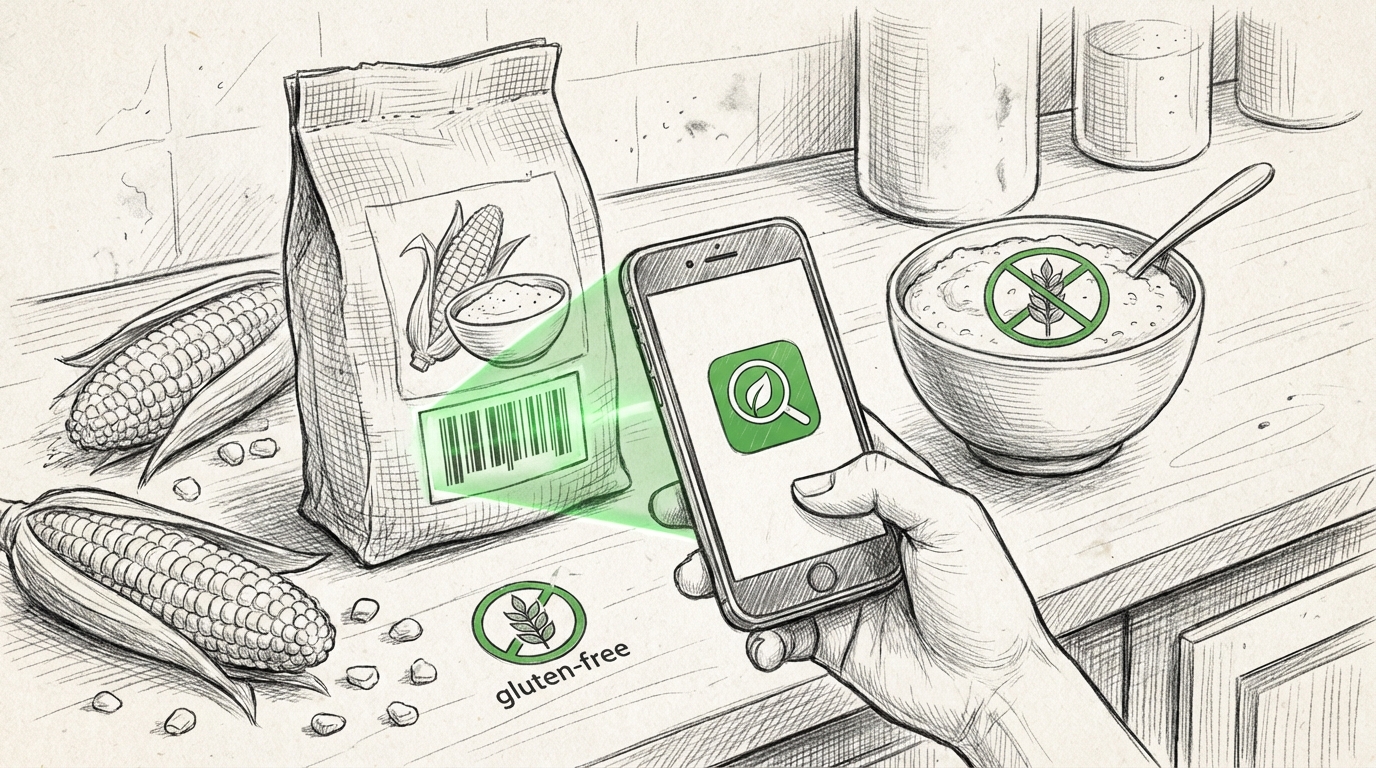
You can scan barcodes using allergen detection apps available on iOS and Android to identify 13 different allergens, traces, additives, and preservatives in store-bought bagels. These apps provide detailed nutrition facts and flag potential allergens like gluten, dairy, eggs, and sesame, making it easier for those with dietary restrictions.
What is the fat content in a bagel with cream cheese?
A bagel with cream cheese contains approximately 10-15 grams of total fat, with most coming from the cream cheese. Regular cream cheese (2 tablespoons) provides 10-11 grams of fat, including 6-7 grams of saturated fat. The bagel itself contains minimal fat (1-2g) unless it includes seeds or nuts.
Is a bagel with cream cheese a healthy breakfast option?
A bagel with cream cheese can be part of a balanced breakfast but is high in calories, carbohydrates, and sodium. To make it healthier, choose whole grain bagels for added fiber, use light cream cheese to reduce fat and calories, and pair with protein-rich foods or vegetables for better nutritional balance.
Understanding Bagel with Cream Cheese Nutrition Facts: A Complete Guide

Whether you're grabbing breakfast on the go or enjoying a leisurely weekend brunch, understanding bagel with cream cheese nutrition facts is essential for making informed dietary choices. This classic combination has been a breakfast staple for decades, but its nutritional profile can vary significantly based on bagel size, cream cheese type, and preparation methods.
For individuals managing food allergies, dietary restrictions, or simply tracking their nutritional intake, knowing exactly what's in your bagel with cream cheese becomes even more critical. This comprehensive guide breaks down everything you need to know about the calories, macronutrients, allergens, and health considerations associated with this popular food pairing.
From standard plain bagels to specialty varieties, and from regular cream cheese to flavored alternatives, we'll explore the complete nutritional landscape to help you make choices that align with your health goals and dietary needs.
Basic Nutritional Breakdown of a Bagel with Cream Cheese

Standard Serving Size Nutrition
A typical bagel with cream cheese contains between 400-500 calories, though this can vary significantly based on portion sizes. Understanding the baseline nutrition helps you plan your daily intake more effectively.
| Component | Amount | % Daily Value |
|---|---|---|
| Calories | 400-500 | 20-25% |
| Total Fat | 12-18g | 15-23% |
| Saturated Fat | 6-10g | 30-50% |
| Carbohydrates | 55-65g | 18-22% |
| Protein | 12-16g | 24-32% |
| Sodium | 500-800mg | 22-35% |
Bagel Component Analysis
The bagel itself typically contributes 250-350 calories, depending on size and ingredients. Most plain bagels contain approximately 50-60 grams of carbohydrates, making them a significant source of energy.
Bagels are made primarily from wheat flour, water, yeast, and salt. The boiling process before baking gives bagels their distinctive chewy texture and denser composition compared to regular bread.
- Small bagel (3 inches): 200-250 calories
- Medium bagel (3.5-4 inches): 250-300 calories
- Large bagel (4.5+ inches): 300-400 calories
- Extra-large or "New York style" bagel: 400-500 calories
Cream Cheese Contribution
A standard serving of cream cheese (2 tablespoons or about 30g) adds approximately 100-150 calories to your bagel. The nutritional content varies based on whether you choose regular, low-fat, or flavored varieties.
Regular cream cheese contains about 10 grams of fat per serving, with 6 grams being saturated fat. It also provides small amounts of protein (2-3 grams) and minimal carbohydrates (1-2 grams).
Macronutrient Deep Dive: Carbohydrates, Proteins, and Fats
Carbohydrate Content and Glycemic Impact
Bagels are predominantly carbohydrate-based foods, with most of those carbs coming from refined wheat flour. A typical bagel contains 50-65 grams of carbohydrates, which can significantly impact blood sugar levels.
The glycemic index of bagels ranges from medium to high (70-85), meaning they can cause rapid spikes in blood glucose. This makes portion control particularly important for individuals managing diabetes or insulin sensitivity.
- Total carbohydrates: 50-65g per bagel
- Dietary fiber: 2-4g (higher in whole wheat varieties)
- Sugars: 5-10g (varies by bagel type)
- Net carbs: 48-61g
Protein Profile
The protein content in a bagel with cream cheese comes primarily from the bagel itself, with wheat flour providing the majority. A complete serving offers 12-16 grams of protein, which contributes to satiety and muscle maintenance.
While this protein content is moderate, it's not complete protein as it lacks sufficient amounts of certain essential amino acids. Pairing your bagel with additional protein sources like eggs or smoked salmon can create a more balanced meal.
Fat Composition and Health Implications
The fat content in this combination comes almost entirely from the cream cheese. Understanding the types of fats present helps assess the overall health impact of this breakfast choice.
| Fat Type | Amount | Health Consideration |
|---|---|---|
| Saturated Fat | 6-10g | Should be limited; contributes to cholesterol levels |
| Monounsaturated Fat | 3-5g | Heart-healthy; beneficial in moderation |
| Polyunsaturated Fat | 1-2g | Contains essential fatty acids |
| Trans Fat | 0-0.5g | Should be avoided; check labels carefully |
Allergen Information and Dietary Restrictions
Common Allergens in Bagels with Cream Cheese
Understanding allergen content is crucial for individuals with food sensitivities. Both bagels and cream cheese contain several common allergens that can trigger reactions in sensitive individuals.
For people managing food allergies, using an allergy checker app can help identify potentially problematic ingredients quickly and accurately. These tools scan product labels and alert users to the presence of specific allergens.
- Gluten: Present in all traditional wheat-based bagels
- Dairy: Cream cheese is a dairy product containing milk proteins
- Eggs: Some bagel recipes include eggs or egg wash
- Sesame: Often found on bagel toppings
- Soy: May be present in commercial bagel dough conditioners
Gluten-Free Alternatives
For individuals with celiac disease or gluten sensitivities, traditional bagels are not suitable. However, several alternatives exist that can provide a similar experience without the gluten content.
Gluten-free bagels are typically made from rice flour, tapioca starch, or other gluten-free grain alternatives. While these options eliminate gluten concerns, they often have different nutritional profiles compared to wheat-based bagels.
If you're looking for other gluten-free options, consider exploring gluten free dairy free snacks that can satisfy your cravings while meeting dietary restrictions. Additionally, those interested in beverages might want to know about gluten free wheat free beer options that complement a gluten-free lifestyle.
Dairy-Free Cream Cheese Options
Individuals avoiding dairy have numerous cream cheese alternatives available, made from nuts, soy, or coconut. These products can significantly alter the nutritional profile of your bagel combination.
| Type | Calories (per 2 tbsp) | Fat | Allergens |
|---|---|---|---|
| Regular Dairy | 100 | 10g | Milk |
| Low-Fat Dairy | 70 | 5g | Milk |
| Almond-Based | 80 | 8g | Tree nuts |
| Cashew-Based | 90 | 9g | Tree nuts |
| Soy-Based | 80 | 7g | Soy |
Hidden Ingredients and Additives to Watch For
Preservatives and Stabilizers
Commercial bagels and cream cheese often contain various additives to extend shelf life and improve texture. Understanding these ingredients helps you make more informed choices about what you're consuming.
Common preservatives in bagels include calcium propionate, which prevents mold growth, and dough conditioners that improve texture. Cream cheese may contain stabilizers like carrageenan or xanthan gum.
- Hydroxy stearic acid: Sometimes used as an emulsifier in processed cream cheese products
- Methane sulfonic acid: May be used in food processing equipment cleaning, though not typically an ingredient
- Poly carboxylic acid: Can be found in some commercial baking processes as a pH regulator
- Calcium propionate: Common mold inhibitor
- Monoglycerides and diglycerides: Emulsifiers for texture improvement
Sodium Content Concerns
One often-overlooked aspect of bagel nutrition is the high sodium content. A single bagel can contain 400-600mg of sodium, and cream cheese adds another 100-200mg, bringing the total to potentially one-third of the recommended daily intake.
For individuals monitoring sodium intake due to hypertension or cardiovascular concerns, this represents a significant portion of the daily recommended limit of 2,300mg (or 1,500mg for those with certain health conditions).
Sugar and Sweeteners
While plain bagels contain natural sugars from the wheat flour, many varieties include added sugars. Flavored cream cheeses can contain even more, with some varieties packing 5-10 grams of added sugar per serving.
Reading labels carefully helps identify these hidden sugars, which can contribute to increased calorie intake and potential blood sugar fluctuations throughout the day.
Comparing Different Bagel Varieties and Their Nutritional Impact
Plain vs. Whole Wheat Bagels
The type of bagel you choose significantly impacts the overall nutritional value of your meal. Whole wheat bagels offer more fiber and nutrients compared to their plain white flour counterparts.
Whole wheat varieties typically contain 4-6 grams of fiber per bagel, compared to just 2-3 grams in plain bagels. This additional fiber helps slow digestion, stabilize blood sugar, and promote feelings of fullness.
Specialty and Flavored Bagels
Specialty bagels like everything bagels, cinnamon raisin, or chocolate chip varieties can alter the nutritional profile significantly. These additions often increase calorie, sugar, and fat content.
| Bagel Type | Calories | Carbs | Fiber | Sugar |
|---|---|---|---|---|
| Plain | 280 | 55g | 2g | 5g |
| Whole Wheat | 270 | 54g | 6g | 4g |
| Everything | 290 | 56g | 3g | 5g |
| Cinnamon Raisin | 310 | 62g | 3g | 12g |
| Blueberry | 300 | 60g | 2g | 10g |
Mini Bagels and Portion Control
Mini bagels offer a portion-controlled alternative with approximately half the calories and carbohydrates of full-sized bagels. This makes them an excellent option for those watching their calorie intake or managing blood sugar levels.
A mini bagel with cream cheese typically contains 200-250 calories, making it a more moderate breakfast choice while still providing the satisfying taste and texture of the traditional combination.
Cream Cheese Variations and Their Nutritional Differences
Regular vs. Reduced-Fat Options
The type of cream cheese you choose can significantly impact the overall fat and calorie content of your meal. Understanding these differences helps you make choices aligned with your dietary goals.
Regular cream cheese contains about 100 calories and 10 grams of fat per 2-tablespoon serving, while reduced-fat versions typically contain 70 calories and 5 grams of fat. Fat-free cream cheese drops to around 30 calories but often includes more additives to maintain texture.
- Regular: Rich, creamy texture with full flavor
- Reduced-fat (Neufchâtel): Slightly less creamy but still satisfying
- Fat-free: Significantly different texture; more additives
- Whipped: Lower calorie density due to air incorporation
Flavored Cream Cheese Considerations
Flavored cream cheeses like strawberry, blueberry, or veggie varieties often contain additional sugars, sodium, and calories compared to plain varieties. These additions can increase the total calorie count by 20-50 calories per serving.
For health-conscious consumers, checking labels becomes even more important with flavored varieties. Some contain artificial colors, flavors, or preservatives that may not align with clean eating goals.
Plant-Based Cream Cheese Alternatives
The growing popularity of plant-based diets has led to numerous dairy-free cream cheese alternatives. These products vary widely in their nutritional profiles and ingredient lists.
Nut-based cream cheeses (almond or cashew) typically provide healthy fats but may be higher in calories. Soy-based versions offer comparable protein to dairy cream cheese, while coconut-based options tend to be higher in saturated fat.
Health Considerations and Dietary Fit
Weight Management Implications
A bagel with cream cheese can be part of a balanced diet, but portion awareness is crucial for weight management. At 400-500 calories, this breakfast represents a significant portion of daily caloric intake, especially for those following reduced-calorie diets.
For individuals targeting 1,500-2,000 calories per day, a full bagel with cream cheese consumes 20-30% of their daily allowance in a single meal. Balancing this with lighter meals throughout the day becomes essential.
Blood Sugar Management
The high carbohydrate content and refined flour base of most bagels can cause rapid blood sugar spikes. This makes them less ideal for individuals with diabetes or insulin resistance.
Strategies to minimize blood sugar impact include choosing whole wheat bagels, limiting portion size, and pairing the bagel with protein-rich foods like eggs or smoked salmon to slow glucose absorption.
Heart Health Considerations
The saturated fat content from cream cheese, combined with the sodium levels in bagels, raises considerations for cardiovascular health. Individuals with heart disease risk factors should be mindful of these components.
- Limit saturated fat intake to less than 10% of daily calories
- Monitor sodium intake, especially if hypertensive
- Consider plant-based cream cheese alternatives for lower saturated fat
- Balance with heart-healthy meals throughout the day
Digestive Health and Fiber Content
The relatively low fiber content in plain bagels (2-3 grams) means this breakfast option doesn't contribute significantly to daily fiber needs. Adults should aim for 25-35 grams of fiber daily for optimal digestive health.
Choosing whole wheat or multigrain bagels can double or triple the fiber content, supporting better digestive function and promoting feelings of fullness that last longer throughout the morning.
Making Your Bagel with Cream Cheese Healthier
Portion Control Strategies
One of the most effective ways to enjoy bagels while managing nutrition is through smart portion control. These strategies help you savor the taste while keeping calories and carbohydrates in check.
- Choose mini bagels or cut regular bagels in half
- Measure cream cheese with a tablespoon rather than spreading freely
- Consider "scooping out" the interior dough to reduce carbs by 25-30%
- Share a bagel with a friend or save half for later
Nutritious Add-Ons and Toppings
Enhancing your bagel with nutrient-dense toppings can transform it from a simple carbohydrate source into a more balanced meal. These additions provide protein, healthy fats, vitamins, and minerals.
- Smoked salmon: Adds omega-3 fatty acids and high-quality protein
- Sliced avocado: Provides healthy monounsaturated fats and fiber
- Tomatoes and cucumbers: Add vitamins, minerals, and hydration
- Eggs: Increase protein content significantly
- Nut butters: Offer protein and healthy fats (though calories increase)
Timing and Meal Planning
When you eat your bagel with cream cheese matters for energy levels and overall nutrition. Consuming this carbohydrate-heavy meal earlier in the day allows more time to utilize the energy provided.
Pairing your bagel breakfast with a source of lean protein and vegetables at lunch helps balance your daily macronutrient intake and prevents over-reliance on carbohydrates throughout the day.
Comparing Bagels to Other Breakfast Options
Nutritional Context Among Popular Breakfasts
Understanding how a bagel with cream cheese stacks up against other breakfast choices provides valuable perspective for meal planning. This comparison helps you make informed decisions based on your nutritional priorities.
| Breakfast Option | Calories | Carbs | Protein | Fat |
|---|---|---|---|---|
| Bagel with Cream Cheese | 450 | 58g | 14g | 16g |
| Two Eggs with Toast | 320 | 30g | 18g | 14g |
| Oatmeal with Berries | 280 | 52g | 8g | 5g |
| Greek Yogurt with Granola | 350 | 48g | 20g | 8g |
| Breakfast Burrito | 500 | 45g | 22g | 22g |
When Bagels Make Sense
Despite their higher calorie and carbohydrate content, bagels with cream cheese can be appropriate in certain contexts. Active individuals, athletes, or those with higher caloric needs may find them perfectly suitable.
The quick energy from carbohydrates makes bagels a reasonable pre-workout meal when consumed 1-2 hours before exercise. The moderate protein content also supports muscle recovery when combined with additional protein sources.
Better Alternatives for Specific Goals
Depending on your dietary goals, other breakfast options might better serve your needs. Weight loss efforts typically benefit from higher-protein, lower-carbohydrate options, while endurance athletes might prioritize carbohydrate-rich meals.
For those managing food allergies or seeking allergen-free options, using a food allergy app can help identify suitable alternatives that meet both nutritional and safety requirements.
Restaurant and Chain Nutrition Variations
Coffee Shop Bagels
Bagels purchased from coffee shops and chains often differ significantly from homemade or grocery store varieties. These commercial versions tend to be larger and may contain more calories, sodium, and additives.
A bagel with cream cheese from popular chains can range from 400-700 calories depending on size and preparation. Many establishments offer nutritional information online or through apps, making it easier to track intake.
Understanding Chain Restaurant Nutrition
For those who frequently eat out, understanding how to navigate restaurant nutrition information becomes essential. Many establishments now provide detailed nutritional data, including allergen information.
If you're dining at restaurants like Chipotle that offer customizable meals, using a chipotle nutrition calculator helps you understand the chipotle nutrition info for your specific order. These tools allow you to see how different ingredient choices affect the overall nutritional profile of your meal.
- Request nutritional information before ordering
- Ask for cream cheese on the side to control portions
- Inquire about whole wheat or alternative bagel options
- Consider splitting large bagels with a companion
Fast Food Breakfast Sandwiches
Many fast-food restaurants offer bagel-based breakfast sandwiches that include cream cheese along with eggs, meat, or vegetables. These combinations can range from 400-800 calories depending on ingredients.
While convenient, these options often contain higher sodium levels and may include processed meats that add saturated fat and preservatives to your meal.
Special Dietary Considerations and Modifications
Low-Carb and Keto Diets
Traditional bagels are not compatible with low-carb or ketogenic diets due to their high carbohydrate content. However, alternatives exist for those following these eating patterns.
Low-carb bagel alternatives made from almond flour, coconut flour, or psyllium husk can provide a similar experience with significantly fewer carbohydrates—typically 5-15 grams instead of 50-60 grams.
High-Protein Modifications
For individuals prioritizing protein intake, several modifications can transform a bagel with cream cheese into a more protein-rich meal without drastically increasing calories.
- Add smoked salmon for an additional 10-15 grams of protein
- Include a poached or fried egg for 6-7 grams more protein
- Use Greek yogurt cream cheese for double the protein content
- Top with turkey breast for lean protein addition
Vegan and Plant-Based Options
Creating a vegan version of this classic combination requires dairy-free cream cheese and ensuring the bagel contains no eggs or dairy-based dough conditioners. Most plain bagels are naturally vegan, but checking ingredients is important.
Plant-based cream cheese alternatives have improved significantly in recent years, with many options providing comparable taste and texture to traditional dairy versions. These alternatives often use cashews, almonds, or soy as their base.
Managing Specific Food Allergies
For individuals with multiple food allergies, finding safe bagel and cream cheese options requires careful label reading and ingredient verification. Common concerns include gluten, dairy, eggs, sesame, and soy.
Using technology like Nutrict's food allergy scanner app can streamline this process by quickly identifying allergens in products. The app scans barcodes to detect 13 different allergens, traces, additives, and preservatives, making grocery shopping safer and more efficient.
For those seeking alternatives, exploring gluten free cheese-its and other specialty snacks can provide variety while maintaining dietary safety. These products undergo rigorous testing to ensure they meet gluten-free standards and don't contain cross-contamination.
Reading Labels and Making Informed Choices
Decoding Ingredient Lists
Understanding how to read food labels empowers you to make better choices about the bagels and cream cheese you purchase. Ingredients are listed in descending order by weight, so the first few items represent the majority of the product.
Look for bagels with simple ingredient lists: flour, water, yeast, salt, and minimal additives. Cream cheese should primarily contain milk, cream, salt, and stabilizers, with flavored varieties adding specific ingredients for taste.
Understanding Nutrition Facts Panels
The Nutrition Facts panel provides standardized information about serving sizes, calories, and nutrient content. Pay particular attention to serving sizes, as they may differ from what you actually consume.
- Check if the serving size matches your typical portion
- Review % Daily Values for nutrients of concern (sodium, saturated fat, sugar)
- Compare similar products to find better nutritional options
- Look for added sugars in flavored varieties
Allergen Statements and Cross-Contamination
Food labels must declare major allergens clearly, either in the ingredient list or in a separate "Contains" statement. Additionally, "may contain" statements warn about potential cross-contamination during manufacturing.
For individuals with severe allergies, these warnings are critical. Even trace amounts of allergens can trigger reactions, making thorough label reading and verification essential for safety.
Practical Tips for Enjoying Bagels Mindfully
Meal Prep and Planning
Incorporating bagels into your meal planning requires consideration of your overall daily nutrition. Planning ahead helps ensure this breakfast choice fits within your dietary goals.
- Pre-portion cream cheese into 2-tablespoon servings for accurate tracking
- Freeze bagels individually to maintain freshness and control portions
- Prep vegetable toppings in advance for quick, nutritious additions
- Plan lighter lunches and dinners on days you enjoy bagels for breakfast
Dining Out Strategies
When ordering bagels at restaurants or coffee shops, small modifications can significantly impact the nutritional profile of your meal without sacrificing enjoyment.
- Request cream cheese on the side to control the amount used
- Ask for whole wheat or multigrain options when available
- Add vegetables like tomatoes, cucumbers, or lettuce for nutrients
- Consider sharing a large bagel or saving half for later
- Skip sweetened beverages to avoid adding empty calories
Balancing Enjoyment and Nutrition
Food is meant to be enjoyed, and a bagel with cream cheese can absolutely be part of a healthy, balanced diet. The key lies in mindful consumption, appropriate portions, and overall dietary balance.
Rather than labeling foods as "good" or "bad," focus on how different choices fit into your overall eating pattern. Occasional indulgences in larger portions or flavored varieties can be balanced with more nutrient-dense choices at other meals.
Conclusion: Making Informed Bagel Choices
Understanding bagel with cream cheese nutrition facts empowers you to make informed decisions that align with your health goals and dietary needs. While this classic combination contains significant calories and carbohydrates, it can fit into a balanced diet with mindful portion control and smart modifications.
The key takeaways include recognizing that bagel size matters significantly, cream cheese type affects fat and calorie content considerably, and simple additions like vegetables or protein can transform this breakfast into a more nutritionally complete meal.
For individuals managing food allergies or dietary restrictions, careful label reading and ingredient verification remain essential. The presence of gluten, dairy, and potential cross-contamination with other allergens requires vigilance, especially for those with severe sensitivities.
Whether you're tracking calories for weight management, monitoring carbohydrates for blood sugar control, or avoiding specific allergens for health reasons, having accurate nutritional information puts you in control of your dietary choices.
Take control of your food choices and manage your dietary needs with confidence. Download Nutrict today to easily scan product barcodes, identify allergens, and access comprehensive nutritional information for thousands of foods. Available on both iOS and Android, Nutrict helps you make informed decisions about what you eat, detecting 13 different allergens, traces, additives, and preservatives in seconds. Start making safer, healthier food choices today with Nutrict's powerful scanning technology at your fingertips.
Article created using IntentRank